


 English
 한국어
한국어 中文简体
中文简体
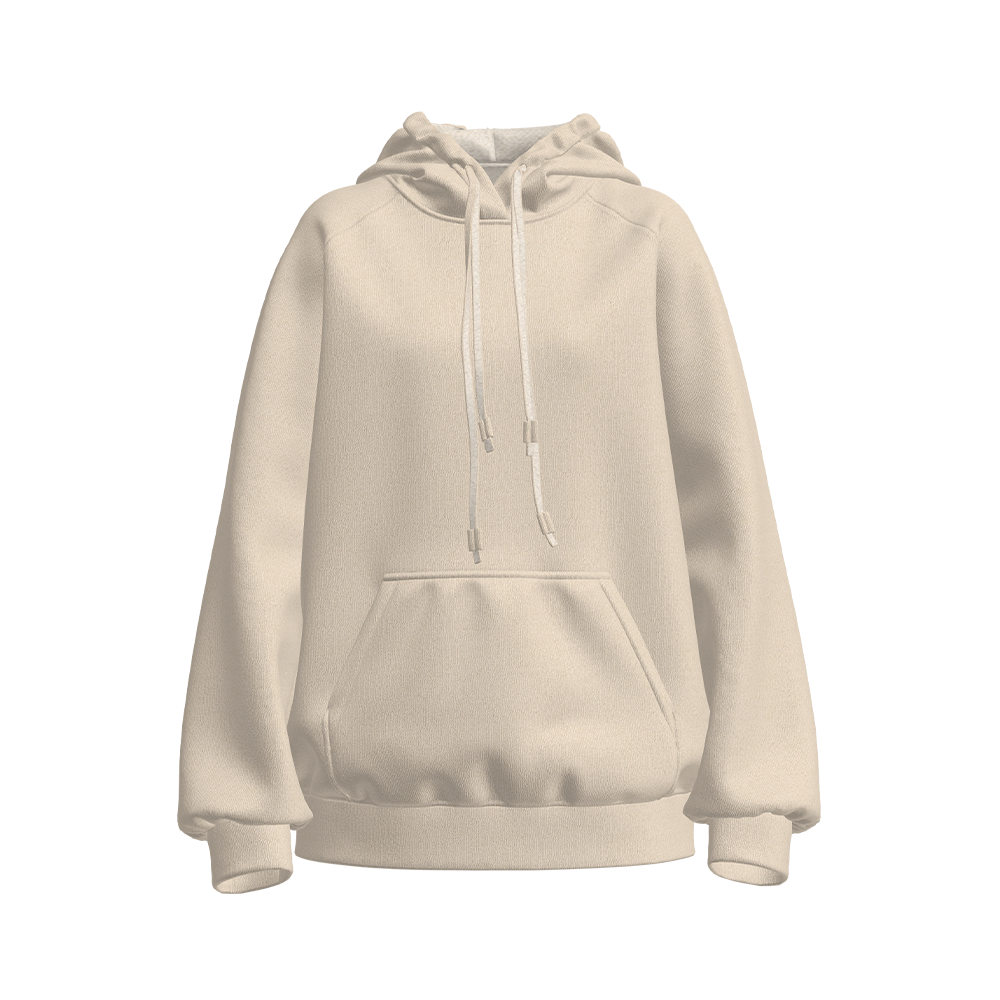
What's the Difference Between Polar Fleece and Microfleece? A Complete Fabric Comparison Guide
Understanding Fleece Fabrics: A Foundation
When it comes to comfortable, warm textiles, fleece fabrics have become synonymous with coziness and practicality. Whether you're selecting materials for winter apparel, home textiles, or recreational gear, understanding the nuances between different types of fleece is essential for making informed decisions. The textile industry has evolved significantly, offering consumers and manufacturers multiple fleece options, each with distinct characteristics that affect performance, comfort, and longevity.
This comprehensive guide explores the critical differences between polar fleece and microfleece, two of the most popular fleece options available today. By examining their composition, manufacturing processes, performance metrics, and practical applications, you'll gain the knowledge needed to select the ideal material for your specific needs.
What is Polar Fleece?
Polar fleece represents one of the most widely used synthetic fabrics in the modern textile industry. This innovative material was originally developed in the 1970s as a lightweight alternative to traditional wool, offering superior moisture-wicking properties and easier care requirements.
Composition and Construction
Polar fleece is typically manufactured from polyester fibers, which are synthesized from petroleum-based materials. The fabric construction involves a specific knitting process that creates a distinctive pile surface. The base layer is dense and tightly woven, while the pile—the raised surface texture—consists of individual fibers that remain uncut, creating the characteristic soft, fuzzy appearance that consumers recognize and appreciate.
The weight of polar fleece generally ranges from 200 to 600 grams per square meter, with heavier weights offering superior insulation. This variation in weight allows manufacturers to produce polar fleece suitable for different applications, from lightweight linings to substantial outerwear fabrics.
Key Properties of Polar Fleece
- Exceptional moisture-wicking capability, moving perspiration away from the body quickly
- Outstanding warmth-to-weight ratio, providing significant insulation without bulk
- Excellent breathability when properly constructed
- Quick-drying characteristics due to polyester's hydrophobic nature
- Resistance to mildew and mold growth
- Durability comparable to natural fibers like wool, with proper care
- Easy maintenance and machine washability
- Pill resistance when manufactured with quality control standards
Manufacturing Process
The creation of polar fleece involves several precision steps. Polyester yarn is first prepared and wound onto bobbins, then fed into knitting machines where the pattern is established. The knitted fabric passes through a process called fleece-raising, where specialized brushes or roller systems tease the fibers upward to create the pile effect. Quality manufacturers employ multiple passes to achieve optimal texture and density.
What is Microfleece?
Microfleece represents an evolution in fleece technology, engineered specifically to deliver enhanced softness while maintaining practical functionality. This fabric has gained significant traction in premium apparel markets due to its refined tactile qualities and improved performance characteristics.
Composition and Construction
Like polar fleece, microfleece is fundamentally a fleece polyester product, but with crucial differences in yarn construction and manufacturing precision. Microfleece utilizes ultra-fine microfiber yarns, often featuring denier counts below 1.0, creating significantly smaller fiber diameter compared to standard polar fleece.
The knit structure of microfleece is tighter and more densely constructed, with pile heights carefully controlled to achieve specific aesthetic and performance targets. The result is a fabric that appears and feels substantially softer to the touch, with a more refined surface that resists pilling more effectively than traditional polar fleece.
Key Properties of Microfleece
- Exceptional softness due to ultra-fine microfiber construction
- Minimal pilling tendency, even with extended wear and washing
- Lightweight profile, ideal for layering applications
- Excellent moisture transfer and quick-drying properties
- Enhanced breathability in comparison to heavier polar fleece
- Superior tactile comfort against sensitive skin
- Compact packability, beneficial for travel and storage
- Refined aesthetic appearance that maintains integrity longer
Manufacturing Precision
Producing microfleece requires greater precision in manufacturing. The microfiber yarns must be handled carefully to prevent breakage during processing. Quality control measures are typically more stringent, with multiple inspection points to ensure consistent fiber diameter, pile height uniformity, and finish quality. The fleece knit fabric production process for microfleece often involves additional finishing steps to set the pile and enhance its resilience.
Polar Fleece vs Microfleece: Detailed Comparison
While both polar fleece and microfleece share fundamental characteristics as synthetic insulation textiles, their differences significantly impact performance, aesthetics, and suitability for specific applications. This detailed comparison provides the framework for making evidence-based material selections.
Comparative Analysis Table
| Characteristic | Polar Fleece | Microfleece |
|---|---|---|
| Softness Level | Soft, but slightly coarser texture | Exceptionally soft, refined feel |
| Pilling Resistance | Moderate, depends on yarn quality | Excellent, superior resistance |
| Weight Category | Medium to Heavy (200-600 gsm) | Lightweight to Medium (100-300 gsm) |
| Insulation Value | Higher due to greater thickness | Moderate, compensated by efficiency |
| Breathability | Good, better in lighter weights | Superior, excellent air circulation |
| Moisture Management | Effective moisture-wicking | Superior moisture transfer rate |
| Drying Speed | Fast to moderate | Very fast due to reduced weight |
| Durability | Excellent with proper care | Excellent, often superior longevity |
| Cost Point | Budget-friendly, affordable | Premium pricing, higher quality tier |
| Visual Appearance | Classic, slightly textured look | Refined, smooth, upscale appearance |
Performance Dimensions
The performance characteristics of these fabrics reveal important distinctions. Polar fleece excels in applications where maximum insulation and bulk are acceptable trade-offs for warmth. Its thicker construction makes it ideal for winter jackets, outdoor gear, and situations demanding serious thermal protection.
Microfleece, conversely, optimizes the balance between warmth and wearability. Its lightweight nature makes it superior for layering systems, active pursuits, and situations where freedom of movement is prioritized. Many athletes and outdoor enthusiasts prefer microfleece for base layer applications where its superior moisture management prevents sweat accumulation.
Performance Characteristics and Real-World Applications
Thermal Insulation Efficiency
Both fleece types provide exceptional warmth despite being significantly lighter than wool. Polar fleece's heavier construction delivers substantial thermal resistance, making it the choice for extreme cold environments. A 400 gsm polar fleece jacket can match the warmth of traditional wool garments at half the weight.
Microfleece operates on a different principle—its superior fiber efficiency means less material is required to achieve comparable warmth. Layering a lightweight microfleece provides flexibility for active users who adjust their clothing as conditions change and activity levels vary.
Moisture-Wicking Properties
The moisture-wicking performance of both fabrics stems from polyester's inherent hydrophobic nature. However, microfleece demonstrates superior moisture transfer rates due to its construction precision. When perspiration occurs, microfleece moves moisture more quickly to the outer surface where evaporation occurs efficiently.
Polar fleece handles moisture adequately, though its thicker pile structure can retain moisture slightly longer. This characteristic becomes apparent during high-intensity activities where rapid perspiration management is critical. For sedentary applications—such as lounging in a fleece blanket—this difference becomes negligible.
Durability and Longevity
Durability represents one area where quality control becomes paramount. Premium polar fleece, when properly manufactured and cared for, maintains integrity for years of regular use. Budget-tier polar fleece may develop pilling—small fiber clumps on the surface—after months of wear.
Microfleece's tighter knit structure and superior yarn quality generally result in exceptional longevity with minimal aesthetic degradation. The fine microfibers are less prone to the mechanical friction that creates pilling, extending the garment's lifespan and maintaining its refined appearance.
Care Requirements and Maintenance Best Practices
Washing Guidelines
Both polar fleece and microfleece fabrics are remarkably easy to maintain compared to natural fiber alternatives. The fundamental washing approach remains consistent:
- Use cool to warm water, avoiding excessive heat that can degrade polyester
- Select gentle or delicate wash cycles to minimize mechanical stress
- Employ mild detergent formulations without bleach or optical brighteners
- Wash inside-out to reduce surface friction that promotes pilling
- Avoid fabric softeners, which can damage moisture-wicking properties
- Remove promptly from the wash to prevent mildew in damp fabrics
Drying Methods
Drying differences between the two fleece types become apparent. Polar fleece dries more slowly due to its greater mass, typically requiring 40-60 minutes in a standard dryer. Microfleece, being lighter, dries substantially faster—often within 20-30 minutes.
For extended garment lifespan, air drying remains the optimal method for both fabrics. This approach eliminates heat exposure that can cause fiber damage and maintain the structural integrity of both the knit and pile.
Storage and Long-Term Care
Proper storage prevents unnecessary stress and degradation. Store fleece items in cool, dry environments away from direct sunlight, which can cause color fading over extended periods. Loose, breathable storage (such as cotton storage bags) is preferable to vacuum compression, which can distort the pile structure, particularly in microfleece.
Sewing and Customization Considerations
For individuals engaged in sewing polar fleece projects or custom microfleece creations, understanding fabric behavior during construction is essential for successful outcomes.
Cutting and Pattern Preparation
Fleece fabrics have directional characteristics that affect appearance and feel. When cutting, consider pile direction—stroking the fabric one direction feels softer than the other. Professional seamstresses typically cut all pattern pieces in the same direction to ensure color consistency across the finished garment.
Polar fleece cuts cleanly with minimal fraying due to its tightly bonded surface fibers. Microfleece requires equally careful handling but responds slightly differently—its finer fibers can catch during cutting, making sharp, quality shears essential. Many sewers find rotary cutters produce cleaner results than traditional scissors.
Seam Construction Techniques
- Use ball-point or stretch needles to prevent skipped stitches in flexible fabrics
- Select polyester thread that matches fiber composition for strength consistency
- Employ slightly longer stitch lengths than standard (3-3.5mm) for stability
- Avoid heavy seam compression, as fleece is inherently resilient and flexible
- Consider flat-fell or reinforced seams for high-stress areas in apparel
- Test seam tension on scrap fabric before committing to finished pieces
Finishing and Edge Treatment
Edge finishing separates amateur from professional fleece projects. Polar fleece edges can be simply folded and stitched, as the material doesn't fray. Many makers prefer flat-fell seams or French seams for a refined appearance. Microfleece tolerates similar techniques, though its softer texture benefits from gentle handling throughout construction.
For decorative elements—appliques, binding, or topstitching—both fleece types perform adequately. Polar fleece's slightly stiffer construction provides excellent stability for intricate designs, while microfleece's flexibility makes it suitable for stretch applications and form-fitting designs.
Choosing the Right Fleece for Your Project
Selecting between polar fleece and microfleece requires understanding your specific application requirements, performance priorities, and aesthetic preferences.
Polar Fleece Applications
Ideal for:
- Heavy winter jackets and insulated outerwear
- Outdoor recreational gear (hiking, camping equipment)
- Children's clothing where durability and budget matter
- Blankets and home textiles with substantial weight
- Industrial or utility clothing applications
- Budget-conscious textile projects requiring reliable warmth
- Layering bases for extreme outdoor conditions
Microfleece Applications
Ideal for:
- Lightweight apparel requiring comfort and softness
- Athletic and active wear applications
- Premium clothing projects where touch and appearance matter
- Travel and packable garments
- Layering systems for variable conditions
- Sensitive skin or baby clothing applications
- Fashion-forward designs where refined aesthetics prevail
- High-performance applications requiring minimal weight
Hybrid Approach: Combining Both
Many experienced designers utilize both fabrics strategically within single projects. A jacket might feature polar fleece in the torso for maximum insulation where it's needed most, while incorporating microfleece sleeves for enhanced mobility and moisture management. This hybrid approach optimizes performance across different functional zones.
Environmental Impact and Sustainability Considerations
Polyester Production Reality
Both polar fleece and microfleece rely on polyester, a petroleum-derived synthetic fiber. This fundamental characteristic presents sustainability considerations that conscientious consumers should understand. The production process requires significant energy inputs, and traditional polyester manufacturing contributes to environmental impacts.
Longevity Benefits
A critical sustainability advantage of fleece fabrics relates to their durability. A well-constructed fleece garment that lasts five years is substantially more environmentally favorable than lower-quality alternatives requiring annual replacement. Microfleece's superior pilling resistance often translates to extended garment life, providing environmental benefits that offset higher initial resource consumption.
Recycled Polyester Options
Progressive manufacturers increasingly offer both polar fleece and microfleece constructed from recycled polyester fibers derived from post-consumer plastic waste. These options significantly reduce the environmental impact associated with virgin polyester production while delivering identical performance characteristics. Consumers prioritizing sustainability can specifically seek suppliers offering recycled fiber options.
End-of-Life Considerations
As synthetic materials, both fleece types resist biodegradation. However, their extended lifespan reduces the frequency of replacement, and their lightweight nature makes them suitable for fiber-to-fiber recycling programs increasingly available in developed regions. Check local textile recycling programs for proper disposal methods.
Cost-Benefit Analysis and Value Proposition
Pricing Structure
Polar fleece fabrics typically cost significantly less than microfleece equivalents. A standard polar fleece might retail at USD 8-15 per yard, while comparable microfleece starts at USD 12-20 per yard, with premium options exceeding USD 25 per yard. This price differential reflects both raw material costs and manufacturing precision requirements.
Total Cost of Ownership
The higher initial cost of microfleece garments deserves context. A USD 80 microfleece jacket that maintains appearance and performance for five years represents an annual cost of USD 16. A USD 40 polar fleece alternative requiring replacement after two years costs USD 20 annually. From a total cost of ownership perspective, premium microfleece often provides superior value despite higher upfront investment.
Value Proposition Decision Matrix
- Budget Priority: Select polar fleece for immediate cost minimization
- Durability Focus: Choose microfleece for extended lifespan and retained aesthetics
- Performance Emphasis: Microfleece excels in moisture management and breathability
- Aesthetic Importance: Microfleece provides refined appearance that endures
- Lightweight Requirements: Microfleece dominates for packability and layering
Industry Trends and Future Innovations in Fleece Technology
Performance Enhancement Innovations
The fleece textile sector continues evolving, with manufacturers developing enhanced variants that combine polar and microfleece attributes. Blended constructions now offer intermediate characteristics—the warmth density of traditional polar fleece with the refined feel of microfleece. These innovations address the false choice between performance and comfort.
Sustainability Evolution
As discussed in the sustainability section, recycled polyester fleece represents the most significant industry transformation. Manufacturers increasingly commit to recycled content percentages, with some producing fleece fabrics comprising 80-100 percent post-consumer plastic materials. This shift reflects both consumer demand and corporate environmental commitments.
Technical Integration
Modern fleece applications increasingly incorporate integrated technologies—antimicrobial treatments, advanced moisture-wicking systems, and temperature-regulating enhancements. These technical additions differentiate premium offerings from commodity alternatives, enabling manufacturers to justify premium pricing for scientifically-validated performance improvements.
Market Segmentation
The fleece market demonstrates clear segmentation between budget, mid-tier, and premium categories. Budget segments emphasize cost minimization with acceptable quality. Mid-tier offerings balance value and performance. Premium segments focus on exceptional durability, refined aesthetics, and technical performance, attracting consumers prioritizing quality above cost.
Frequently Asked Questions
Q1: Which fleece type is warmer, polar fleece or microfleece?
Polar fleece provides greater absolute warmth due to its heavier construction and greater material density. However, the difference may be minimal in practical applications, as microfleece delivers excellent insulation relative to its weight. The choice depends on whether maximum warmth (polar) or warmth-to-weight efficiency (microfleece) matters more for your specific use case.
Q2: Is microfleece suitable for winter outdoor activities?
Yes, microfleece performs excellently as a mid-layer or base layer for winter activities. Its superior moisture management prevents sweat accumulation, and its lightweight nature facilitates layering for temperature adjustment. However, for extreme cold scenarios, heavier polar fleece or insulated alternatives may be preferable as outer layers.
Q3: How often should I wash fleece garments?
Wash fleece garments when visibly soiled or after extended wearing periods, typically every 5-7 wears for active use, or less frequently for casual use. Excessive washing accelerates fiber degradation and increases pilling tendency. Both polar and microfleece withstand infrequent washing well, maintaining functionality between washes.
Q4: Can I tumble dry fleece fabrics?
Yes, both polar fleece and microfleece tolerate tumble drying on low heat settings. High heat can damage polyester fibers and is unnecessary given these fabrics' quick-drying characteristics. For extended garment life, air drying remains preferable. If machine drying is necessary, use the lowest heat setting available.
Q5: Why does fleece pill, and which type pills more?
Pilling occurs when loose fibers on the fabric surface tangle together through friction and mechanical stress. Polar fleece pills more readily than microfleece due to looser fiber control in the knit structure. Washing inside-out, avoiding excessive friction, and using gentle detergent minimize pilling in both types.
Q6: Is fleece fabric waterproof?
No, neither polar fleece nor microfleece is waterproof. Both are water-resistant to a limited degree, as polyester fibers repel water. However, in heavy rain or prolonged water exposure, both fabrics will eventually absorb moisture. For water protection, fleece should be combined with a waterproof outer shell layer.
Q7: Which fleece type is better for sewing projects?
Both fleece types are beginner-friendly for sewing. Polar fleece is slightly more forgiving due to its stiffness and predictable behavior. Microfleece requires slightly more finesse due to its softness and tendency to stretch, but both perform adequately with proper technique. Choose based on your project's desired final characteristics rather than sewing difficulty.
Q8: Can fleece fabrics be blended with natural fibers?
While uncommon, some manufacturers produce limited blends combining fleece polyester with natural fibers like cotton or wool. These blends attempt to balance polyester's performance advantages with natural fiber aesthetics and environmental attributes. However, such blends sacrifice some of polyester's inherent benefits and are not mainstream offerings.
Q9: How do I restore a fleece garment that has developed excessive pilling?
A fabric defuzzer or sweater stone can remove surface pills without damaging the underlying knit. Gently brush the pilled area using circular motions until pills detach. Alternatively, specialized fine-tooth combs designed for this purpose work effectively. Gentle handling prevents pills from forming excessively, making preventive care more effective than post-damage correction.
Q10: Is fleece suitable for all seasons?
Fleece functions optimally as a mid-layer or cool-season garment. Lightweight microfleece can function as a spring layer, while heavier polar fleece serves autumn and winter applications. In hot climates, neither type is appropriate for primary wear. Fleece's excellent moisture-wicking prevents it from becoming uncomfortably hot in moderate temperatures, making it suitable for transitional seasons.
Don't hesitate to contact when you need us!

Step Ahead.
Nearly 30 years of experience in the textile industry is a valuable advantage of Golden Morning. Welcome to communicate with our team!
Become a Client
 +86-512-52528088
 +86-512-14546515
-
 [email protected]
[email protected]
[email protected] -

Company Address:
NO.218 QingDunTang Road changshu CityJiangsu Province(215500), ChinaFactory Address:
NO.19 Fuchunjiang East Road Southeast Economic Development Zone Changshu Jiangsu, China
