


 English
 한국어
한국어 中文简体
中文简体
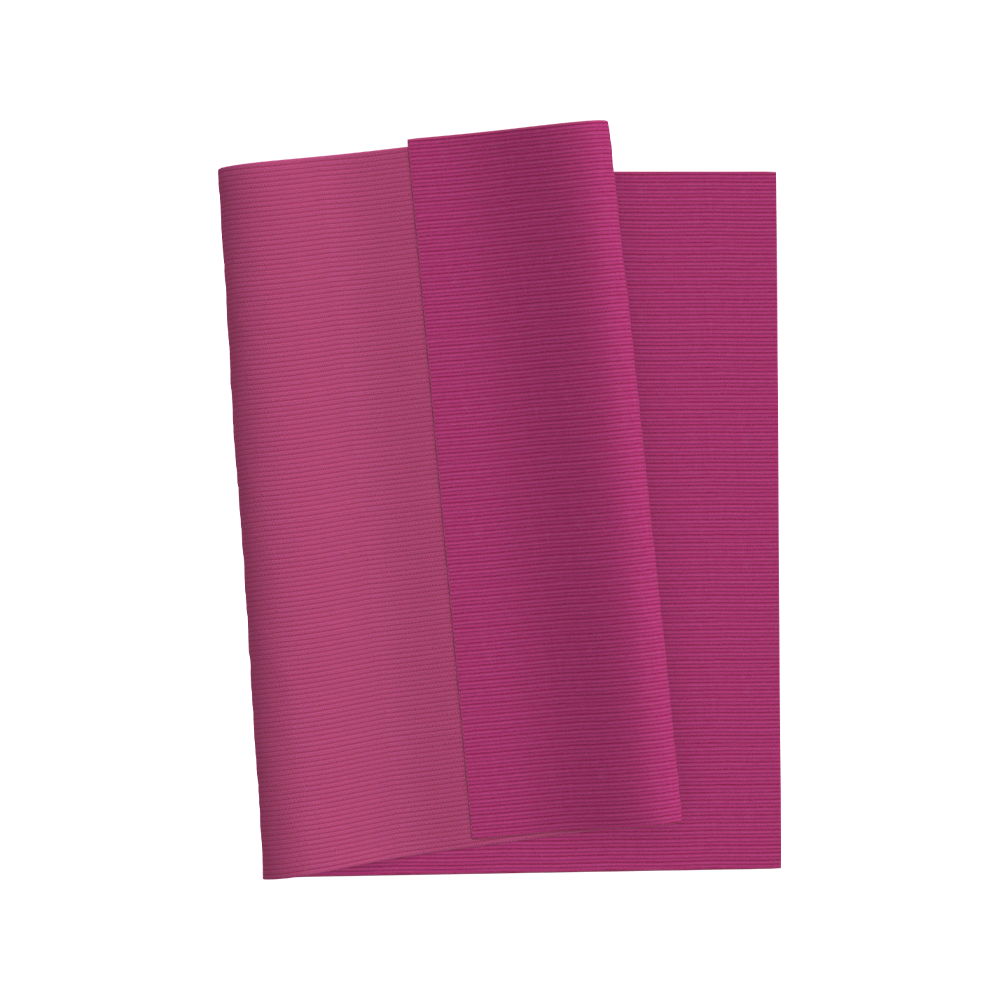
Understanding Velour and Velvet: Two Luxurious Fabrics Explained
When selecting fabrics for dressmaking or clothing projects, the choice between velour and velvet can be confusing. Although these materials share similar visual characteristics and a plush appearance, they are fundamentally different in composition, production methods, and performance. Understanding these distinctions is essential for anyone involved in sewing projects, whether you're a professional dressmaker or an enthusiastic amateur. This comprehensive guide explores the key differences, manufacturing processes, and practical applications of both fabrics to help you make informed decisions for your next project.
What Is Velvet?
Velvet is a woven textile characterized by a dense pile of fibers that creates an exceptionally smooth and lustrous surface. Traditionally, velvet has been associated with luxury and elegance, dating back centuries to royal courts and high-fashion garments. The fabric's distinctive appearance comes from its unique construction method, where extra pile yarns are woven into a base fabric to create that signature soft texture.
Fiber Composition of Velvet
Traditional velvet is typically made from silk, though modern velvet fabric can be produced from various fibers including polyester, viscose, and cotton. Silk velvet remains the most luxurious and expensive option, offering unparalleled softness and natural sheen. Polyester velvet provides durability and affordability while maintaining the characteristic plush appearance. Viscose velvet offers a middle ground, delivering a luxurious feel at a more accessible price point. The choice of fiber significantly impacts the fabric's drape, durability, and care requirements.
Manufacturing Process for Velvet
Velvet production involves a specialized weaving process that creates its distinctive pile. Double-pile velvet is produced by weaving two pieces of fabric face-to-face, then cutting the connecting yarns in the middle to create two separate pieces, each with its own pile. Single-pile velvet construction uses a different method where the pile yarns are woven directly into a single base fabric. This meticulous process requires precision and expertise, which is why quality velvet commands premium prices. The resulting fabric features a consistent pile height, typically ranging from 3 to 6 millimeters, depending on the intended application.
What Is Velour?
Velour is a knitted fabric rather than a woven textile, featuring a soft pile surface that resembles velvet's appearance. The name "velour" derives from the French word for velvet, reflecting its visual similarity to its woven counterpart. However, velour's construction method and resulting properties differ significantly from traditional velvet. This fabric gained popularity in modern fashion and sportswear due to its comfort, stretch properties, and ease of care.
Fiber Composition of Velour
Velour is primarily produced from cotton, polyester, or viscose, with many contemporary versions incorporating blend fabrics that combine multiple fibers. Cotton velour offers breathability and comfort, making it ideal for casual apparel and activewear. Polyester velour provides enhanced durability and shape retention, while viscose velour delivers a luxurious feel similar to silk velvet at a lower cost. Many modern velour fabrics are created using cotton-polyester blends that combine the natural comfort of cotton with the durability and easy-care properties of synthetic fibers.
Manufacturing Process for Velour
Velour is created through a knitting process rather than weaving, which fundamentally changes how the fabric behaves. A knit base fabric is produced, and then pile yarns are added to create a soft surface through various techniques such as loop pile or brushing. The knit structure gives velour inherent stretch and elasticity, properties that woven velvet lacks. This manufacturing method is generally less labor-intensive than velvet production, contributing to velour's more affordable price point. The resulting fabric tends to have a slightly less defined pile compared to woven velvet, with variations depending on the specific manufacturing technique employed.
Key Differences Between Velour and Velvet
While velour and velvet appear superficially similar, several critical differences distinguish these fabrics:
Construction Method
Velvet is woven using specialized looms that create a pile structure through the weaving process. Velour, by contrast, is knitted, meaning the base fabric is created using interlocking loops of yarn rather than the over-and-under pattern of weaving. This fundamental difference affects how each fabric stretches, drapes, and behaves during sewing.
Stretch and Elasticity
Velour's knit construction provides natural stretch in one or both directions, making it more forgiving during wear and easier to sew for garments requiring movement. Velvet, being woven, offers minimal to no stretch, which means garments must be precisely fitted and tailored. For dressmakers creating activewear or casual clothing, velour's stretch is often advantageous. For formal or structured garments, velvet's stability may be preferable.
Drape and Weight
Velvet typically drapes more elegantly due to its woven structure and weight, making it ideal for formal wear, evening gowns, and upholstery. Velour tends to be lighter and clings more closely to the body, resulting in a more casual aesthetic. When selecting sewing velvet material for specific projects, consider how each fabric's drape will contribute to the final garment's silhouette.
Appearance and Sheen
Silk and high-quality polyester velvets exhibit a lustrous sheen that changes subtly depending on viewing angle, a characteristic known as directional nap. This directional quality requires special attention when cutting patterns. Velour generally has a more uniform appearance with less dramatic sheen variation, though crushed velvet can present similar directional characteristics. Understanding nap direction is crucial for dressmakers working with both fabrics.
Price Point
Velvet typically commands higher prices, particularly when made from natural fibers like silk or wool. Velour is generally more budget-friendly while still offering appealing aesthetics and comfort. This price difference makes velour more accessible for experimentation and larger projects, while velvet remains a premium choice for special occasion garments.
Crushed Velvet: A Special Category
Crushed velvet deserves special attention as it represents a unique variation within the velvet family. This fabric is created by deliberately crushing or flattening the pile in random patterns, either through mechanical processes or by manipulating the pile direction. The result is a distinctive textured appearance with areas of varying sheen and depth.
Characteristics of Crushed Velvet
Crushed velvet offers several advantages for dressmaking applications. The textured surface hides imperfections and variations in color more effectively than smooth velvet. The pattern eliminates much of the directional nap issue, simplifying pattern layouts and reducing material waste. Crushed velvet appears more contemporary and casual than traditional smooth velvet, making it suitable for modern garment designs. However, the crushing process may slightly reduce the fabric's softness and sheen compared to traditional velvet construction.
Care Considerations for Crushed Velvet
While crushed velvet is more forgiving than smooth velvet, it still requires careful handling. The texture may flatten with repeated wear or pressure, potentially altering the fabric's appearance. Cleaning must be gentle, and storage should protect the fabric from crushing. When comparing velvet vs crushed velvet for your projects, consider both aesthetic preferences and long-term maintenance requirements.
Working with Velvet in Sewing Projects
Sewing velvet material requires specialized knowledge and techniques to achieve professional results. The fabric's unique properties present both opportunities and challenges for dressmakers.
Pattern Layout and Cutting
One of the most critical considerations when working with dressmaking velvet is the nap direction. All pattern pieces must be laid in the same direction to ensure consistent color and sheen throughout the garment. This requirement typically increases fabric consumption by approximately 20-30% compared to non-napped fabrics. Using sharp scissors or rotary cutters ensures clean edges without crushing the pile. Some experienced sewers recommend cutting from the back of the fabric to protect the pile while achieving precise cuts.
Seam Construction and Finishing
Velvet's pile can shift during sewing, requiring careful attention to seam alignment. Using a walking foot or even-feed presser foot helps maintain consistent stitch lines by feeding all fabric layers evenly. Tissue paper or stabilizer placed on top of the fabric can prevent the presser foot from crushing the pile. Seam allowances should be graded and finished appropriately, as bulky seams are particularly noticeable in pile fabrics. Press seams carefully using low heat, a pressing cloth, and preferably a needle board or velvet board to avoid flattening the pile.
Stitch Selection and Tension
Standard stitch lengths may create visible punctures in velvet's delicate pile. Using a slightly longer stitch length, typically 2.5 to 3.0 millimeters, reduces pile distortion. Thread tension may require adjustment to prevent puckering or gather. Testing stitch settings on fabric scraps before beginning the project prevents costly mistakes. Topstitching on velvet should be approached cautiously, as the stitches can sink into the pile, making them less visible.
Interfacing and Stabilization
Choosing appropriate interfacing is crucial for velvet garments. Fusible interfacing must be applied carefully with low heat to prevent damaging the pile. Many experienced dressmakers prefer sew-in interfacing for velvet projects, as it provides necessary structure without heat application risks. Stabilizers used during construction should be chosen to avoid leaving residue on the delicate surface.
Working with Velour in Sewing Projects
Velour presents different sewing challenges compared to velvet, primarily related to its knit construction and inherent stretch properties.
Pattern Selection and Sizing
Velour's stretch properties require careful pattern selection. Most velour projects succeed best with patterns designed specifically for stretch fabrics or knits. Standard woven-fabric patterns may result in garments that are too tight or unflattering. Sizing up one or two sizes from typical recommendations often produces better results. The natural elasticity of velour means seams can shift and distort more easily than in non-stretch fabrics, requiring reinforcement techniques such as stay stitching.
Nap Direction Considerations
While velour typically presents less dramatic nap issues than smooth velvet, many velour fabrics still benefit from unidirectional layout. The pile may appear slightly different depending on viewing angle, so consistent pattern placement enhances garment appearance. Fortunately, velour's nap is generally less pronounced than velvet, sometimes allowing one-way or two-way layouts depending on the specific fabric and desired aesthetic.
Seam and Hem Techniques
Velour's knit structure makes it prone to tunneling seams, where the fabric compresses around stitching lines. Using ballpoint or stretch needles designed for knit fabrics prevents damage to the fiber structure. Elastic thread or wooly nylon in the bobbin can help prevent puckering. Hems should be finished with stretch or ballpoint needles and may benefit from twin-needle hemming or stretch stitch options. Many professionals recommend using a walking foot or twin needle system for velour projects to maintain consistent seam appearance.
Pressing and Care During Construction
Pressing velour requires gentle handling to avoid flattening the pile. Using low to medium heat with steam and a pressing cloth protects the fabric surface. Finger pressing or pressing from the wrong side whenever possible maintains the pile's appearance. Unlike velvet, velour is generally more forgiving and recovers some flattening through normal wear and care, though preventing crushing remains preferable.
Best Applications for Each Fabric
Ideal Uses for Velvet Fabric for Clothing
Velvet excels in applications where elegance, structure, and visual impact are priorities:
- Evening gowns and formal wear where the lustrous sheen creates dramatic visual effects
- Structured jackets and blazers where the fabric's stability supports tailored shapes
- Skirts and dresses designed to showcase elegant drape and movement
- Specialty items such as vests, cloaks, and period clothing requiring authentic textures
- Accessory projects including bags, headbands, and decorative items
- Upholstery and home décor applications requiring durable, luxurious materials
Ideal Uses for Velour
Velour is better suited to casual, comfortable applications that benefit from stretch and ease of care:
- Casual loungewear and athleisure garments where comfort and flexibility are essential
- Tracksuits and sports-inspired clothing that benefit from the fabric's stretch properties
- Children's clothing where durability and washability are important considerations
- Casual dresses and tops designed with modern, relaxed silhouettes
- Swimwear covers and beach clothing due to quick-drying properties
- Home décor items where easy cleaning and durability take priority over formality
Care and Maintenance Comparison
Cleaning Velvet Garments
Velvet requires careful cleaning to preserve its appearance and texture. Silk velvet is often recommended for dry cleaning only, as water and agitation can damage the delicate fibers and crush the pile. Polyester and viscose velvets may tolerate gentle hand washing in cool water with mild detergent, though dry cleaning remains preferable. Professional dry cleaners with experience in delicate fabrics should be selected carefully. Between cleanings, gentle brushing with a soft brush or lint remover can restore the pile's appearance and remove dust.
Cleaning Velour Garments
Velour is considerably more forgiving regarding care, though gentle treatment still extends garment life. Most velour items can be machine washed using a delicate cycle with cold water and mild detergent. Turning garments inside out before washing protects the pile. Air drying is recommended over machine drying, as heat may set wrinkles and reduce pile softness. The knit structure of velour generally recovers from minor crushing and wrinkles through moisture and gentle manipulation. Many velour garments can be worn multiple times between washing, extending both garment life and care frequency.
Storage Considerations
Both velvet and velour benefit from careful storage. Hanging garments on properly padded hangers prevents stress on seams and maintains shape. If folding is necessary, fold along seams rather than across the fabric body to minimize visible creases. Velvet garments should be stored in breathable garment bags to protect from dust while allowing air circulation. Avoid storing either fabric in direct sunlight, which can fade dyes and degrade fibers over time. Cedar blocks or mothballs in storage areas protect against insect damage, particularly important for natural fiber velvets.
Selecting the Right Fabric for Your Project
Decision Matrix for Fabric Selection
Choosing between velour and velvet should consider multiple factors:
| Consideration | Velvet | Velour |
| Formality Level | Formal/Elegant | Casual/Comfortable |
| Stretch Properties | Minimal | Moderate to High |
| Drape Quality | Excellent | Good |
| Sewing Difficulty | Intermediate to Advanced | Beginner Friendly |
| Care Requirements | Specialized | Standard |
| Cost Range | Premium | Moderate |
| Visual Impact | High Sheen/Luster | Matte/Subtle |
Questions to Guide Your Choice
Before committing to either fabric, answer these essential questions:
- What is the garment's intended occasion? Formal events favor velvet's elegance, while casual wear suits velour's comfort.
- How frequently will the garment be cleaned? Velour's easy care suits items requiring regular washing.
- What is your sewing skill level? Beginners may find velour more forgiving than velvet's demanding requirements.
- Is budget a consideration? Velour typically costs less while offering appealing aesthetics.
- What visual effect is desired? Lustrous sheen suggests velvet; subtle texture aligns with velour.
- Will the garment require flexibility and movement? Velour's stretch suits active wear better than velvet.
Frequently Asked Questions
Q1: Can velour and velvet be used interchangeably in sewing projects?
While they share visual similarities, velour and velvet have fundamentally different properties that make them unsuitable as direct substitutes. Velvet's lack of stretch and precise construction requirements make it inappropriate for patterns designed for stretch velour. Conversely, velour's elasticity may cause fit issues in patterns designed for non-stretch velvet. Each fabric requires specific techniques for optimal results.
Q2: What does "nap" mean, and why is it important when sewing velvet?
Nap refers to the directional pile of the fabric. Viewing velvet from different angles reveals different levels of sheen and color intensity. When cutting patterns for napped fabrics, all pieces must be oriented in the same direction. Failure to account for nap results in some pattern pieces appearing darker or lighter than others, creating a mismatched appearance. Crushed velvet and some velour styles have reduced nap issues, but traditional smooth velvet requires meticulous attention to this detail.
Q3: Is velvet or velour better for upholstery projects?
Velvet is generally superior for upholstery due to its woven structure, durability, and elegant appearance. Velour's knit construction and stretch may not provide the necessary support for furniture. However, performance-grade velveteen or dense velour fabrics may work for specific upholstery applications. Consulting with furniture professionals regarding fabric selection ensures long-lasting, attractive results.
Q4: How much extra fabric should I purchase for velvet projects compared to regular fabrics?
Plan to purchase 20 to 30 percent additional fabric beyond calculated yardage due to nap layout requirements. Single-nap layouts require all pattern pieces to be cut in the same direction, eliminating the possibility of placing pieces against the grain to conserve fabric. Professional pattern instructions typically account for nap, but when adapting standard patterns for velvet, assume increased yardage requirements.
Q5: Can I wash velvet at home, or must it always be professionally cleaned?
Silk velvet should almost always be professionally dry cleaned to protect its delicate fibers. Polyester and viscose velvets may tolerate gentle hand washing in cool water with mild detergent, though professional cleaning remains recommended for optimal results. Always test cleaning methods on fabric scraps first. Regular gentle brushing and spot cleaning extend time between full cleanings.
Q6: What pressing techniques work best for velvet fabrics during construction?
Low to medium heat with a pressing cloth and steam protects velvet during pressing. Ideally, use a velvet board or needle board that allows pile to settle into grooves, preventing crushing. Pressing from the wrong side whenever possible maintains pile appearance. Finger pressing remains acceptable for many steps, eliminating heat damage risk entirely. Never use high heat or apply the iron directly to the right side of the fabric.
Q7: Is crushed velvet easier to work with than smooth velvet for dressmaking purposes?
Crushed velvet presents some advantages for dressmakers. The texture reduces visibility of directional nap, often allowing flexible pattern layouts. The crushed surface hides imperfections better than smooth velvet. However, the crushing process may reduce softness slightly, and the fabric requires the same careful sewing techniques as smooth velvet. Crushed velvet offers a middle ground between smooth velvet's luxury and velour's practicality.
Q8: What needle types are recommended for sewing velour and velvet?
For velvet, use universal or stretch needles in size 80/12 to 90/14, depending on fabric weight. Stretch needles work well for velour, particularly in sizes that accommodate the knit structure without piercing individual threads. Ballpoint needles work excellently for velour specifically. Always start each project with a fresh needle, as dulled needles cause damage to pile fabrics. Test needle choices on fabric scraps before beginning actual projects.


 +86-512-52528088
 +86-512-14546515

