


 English
 한국어
한국어 中文简体
中文简体
Antibacterial Fabrics for Clothing: Selection Guide for Apparel Brands
Most of the odor in clothing is not caused by sweat itself. It is caused by bacteria multiplying inside damp fabric and converting sweat into volatile compounds: the sour, ammonia-like notes you smell the moment a gym bag opens. That is why antibacterial fabrics for clothing have moved from a niche performance extra into a standard checklist item for activewear, base layers, polo shirts, loungewear, and workwear.
From a mill perspective, the conclusion is simple: a properly engineered antibacterial knit maintains a 99% or higher bacterial reduction through 30 to 50 washes, while a low-cost topical finish can fall below useful levels after ten washes. This guide explains how those results are achieved, what the laboratory numbers actually mean, and what you should verify before placing a bulk order.
What Antibacterial Fabrics for Clothing Actually Do
Antibacterial fabrics suppress the growth of bacteria on the fiber surface. In routine mill testing, the two organisms most often used are Staphylococcus aureus (Gram-positive) and Klebsiella pneumoniae (Gram-negative), both closely associated with textile odor and hygiene problems. Antibacterial activity is reported as a percentage reduction measured under standards such as ISO 20743, AATCC 100, or JIS L 1902. A result of 99.9% against both organisms is considered strong for everyday apparel, but that number means little until you know how many washes were completed before the test. "99.9% after 1 wash" and "99% after 50 washes" describe completely different fabrics.
Equally important is what antibacterial fabric does not do. It does not make a garment sterile, and it does not absorb sweat. It keeps bacterial populations from exploding inside the knit, and that is the actual mechanism behind the benefits consumers feel:
- Odor stays under control for a full day of wear.
- Fewer washes are needed, reducing water and energy use.
- Fabric life is extended because repeated washing is a major cause of pilling and fiber wear.
- No trapped "permanent stink" develops; that deep-set smell survives ordinary laundering.
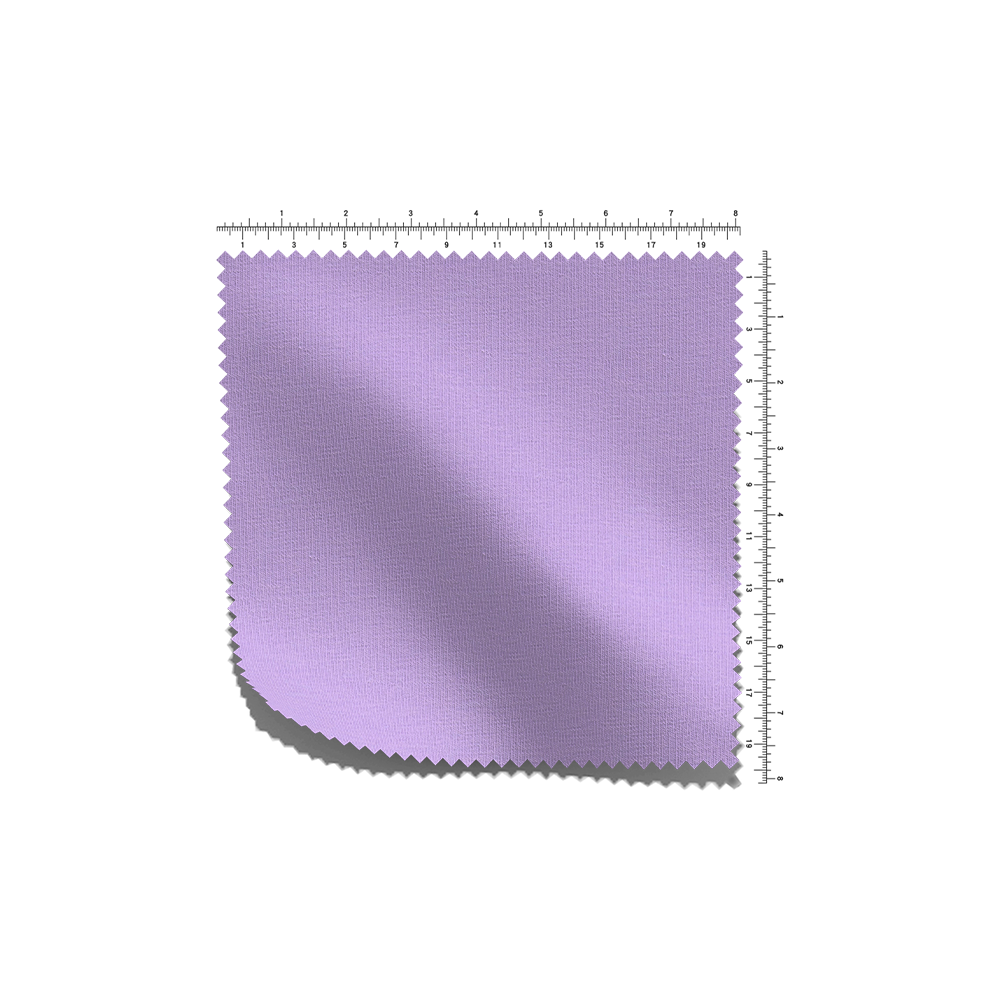
For a straightforward cotton-based antibacterial jersey, the kind of fabric used in everyday tees and basic sport tops, a cotton/spandex single jersey with an antibacterial and anti-mite finish is a reliable starting point.
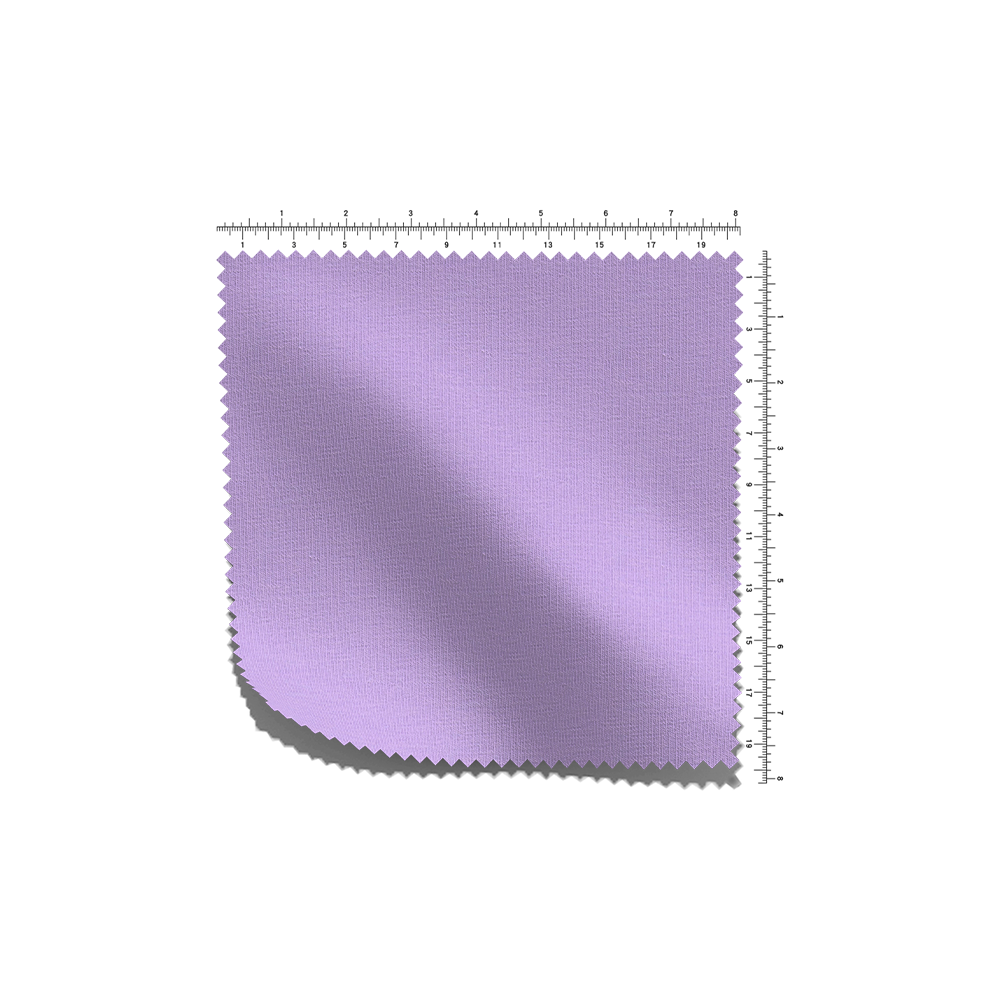 Cotton-Spandex Single Jersey with Natural Peppermint Antibacterial FinishA reliable cotton-based jersey treated with HeiQ natural peppermint extract for durable odor control, enzyme-washed and softened for a clean, soft hand—ideal for everyday tees and basic sport tops.View Product →
Three Ways Antibacterial Performance Is Built Into a Knit
There are three practical routes for getting antibacterial performance into a knitted fabric, and the route determines wash durability, skin safety, and cost.
1. Naturally antibacterial fibers. Merino wool, linen, hemp, and some bamboo-based viscose show an inherent ability to slow bacterial growth. The effect is real but inconsistent: it varies with fiber quality, and natural fibers alone rarely hold a 99% reduction after repeated laundering. Most brands use these fibers for comfort and rely on a separate finish for consistent performance.
2. Additives embedded in the fiber during spinning. Silver-based agents (silver chloride, nano-silver), zinc compounds, and chitosan are blended into the polymer before extrusion. The active agent is distributed throughout the fiber rather than coated on it, so it does not wash away. This is the non-leaching type: it releases ions slowly at the fiber surface and typically retains activity for 50 washes or more. At the low concentrations used in apparel, silver and zinc are well tolerated by skin.
3. Topical finishes applied after knitting. In this process, the finished fabric is padded in a treatment bath, dried, and cured. The route is flexible and inexpensive, since any structure can be treated, but the durability trade-off is significant. A topical finish usually loses a large portion of its activity after 10 to 30 washes in alkaline detergents, and some leaching-type products can transfer active chemicals onto the skin during heavy sweating.
| Route | Wash durability | Skin safety | Relative cost |
|---|---|---|---|
| Natural fiber (wool, linen, bamboo viscose) | Moderate and variable | Generally good | Higher fiber cost |
| Fiber-embedded additive | 50+ washes | Good at low concentrations | Medium to high |
| Topical finish | 10 to 30 washes | Depends on the chemistry | Low |
Many buyers now ask for fabric that combines antibacterial activity with moisture management or temperature regulation. A bio-based single jersey with antibacterial and quick-drying properties, for example, reduces the number of separate finishes layered onto one garment, which simplifies quality control and lowers finishing cost.
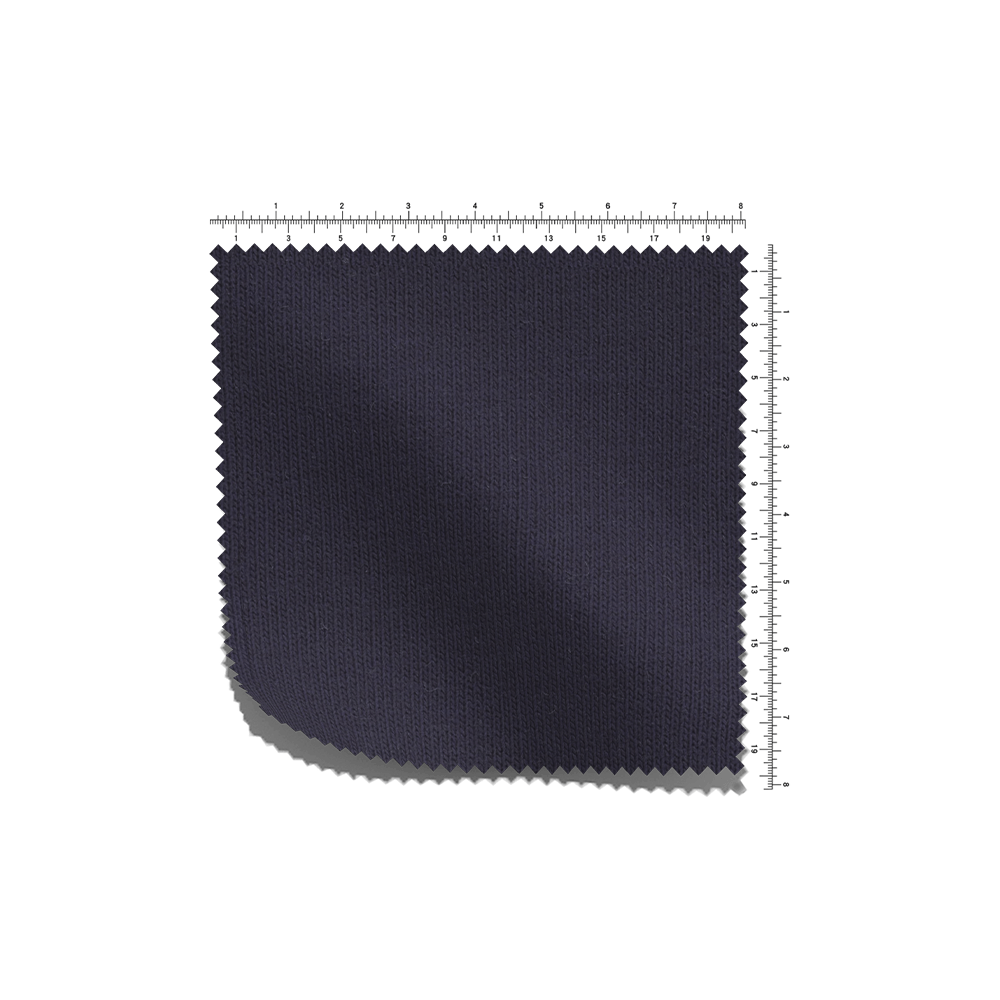 Cotton-Sorona Quick-Drying Jersey with Built-In Antibacterial YarnCombines antibacterial Sorona yarn with quick-drying performance for summer T-shirts, reducing odor while moving moisture away from the skin. Enzyme-treated for a clean surface and firm hand feel.View Product →
Matching the Knit Structure to Your End Use
Antibacterial performance works best when the knit structure also moves moisture away from the skin. If sweat stays trapped against the body, even a strong antibacterial agent fights a losing battle, because the moisture layer keeps feeding new bacterial growth. So structure and fabric weight matter as much as the chemical treatment.
- Single jersey, 120 to 180 gsm. The default for T-shirts, tank tops, and athletic tops. Light, breathable, and low in cost; works well with a quick-drying antibacterial finish.
- Interlock, 160 to 220 gsm. A double-faced knit that is smooth on both sides and dimensionally stable through laundering. Suitable for base layers, thermal tops, and sleepwear, where the fabric sits directly against skin.
- French terry or loop terry, 240 to 360 gsm. Used for hoodies, joggers, and loungewear. The looped back absorbs moisture, so pairing anti-odor treatment with a fast-drying fiber pays off.
- Pique, 180 to 240 gsm. The classic polo shirt structure. The textured face keeps fabric lifted off the skin, which improves air circulation and helps control bacterial growth.
Fabric weight also changes how an antibacterial finish performs. A heavy terry holds more moisture per square meter and carries a larger bacterial load; a light single jersey dries faster but needs a finish that keeps working during heavy sweating. This is where denier and GSM data help you compare structures on a like-for-like basis before you commit.
For next-to-skin base layers, an interlock made with recycled-content yarns and an antibacterial anti-mite finish offers a good balance of stability, softness, and sustainability.
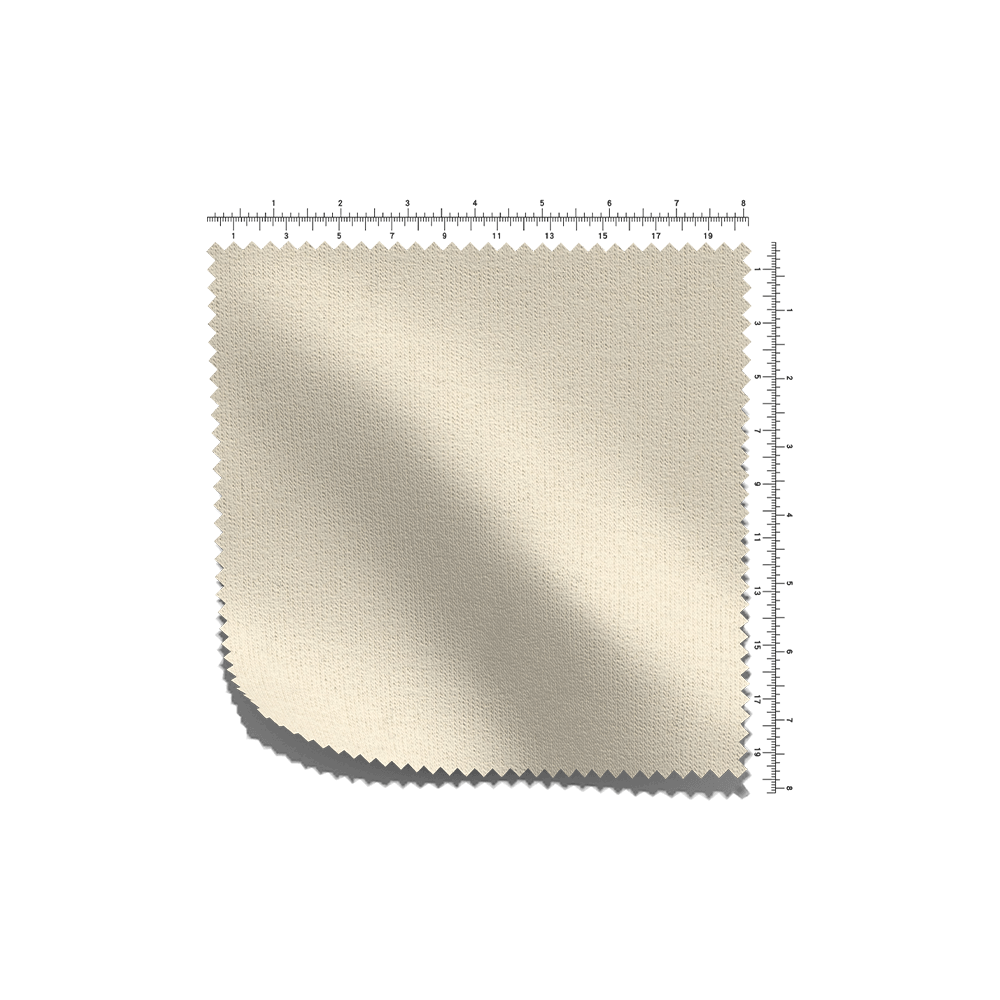 Recycled-Content Interlock with Antibacterial and Anti-Mite ProtectionAn interlock knit with recycled yarns, acrylic for insulation, and added antibacterial and anti-mite agents. Double-sided sanding gives a soft, comfortable feel suitable for baby clothing and base layers.View Product →
What to Verify Before You Commit to Bulk Production
Suppliers in Asia, including full-process mills that knit, dye, finish, and cut in house, can show a great deal of product data. The difference between sample approval and bulk success lies in what you ask for before ordering.
- Confirm the test method and the organisms. Check whether the report follows ISO 20743, AATCC 100, or JIS L 1902, and verify that both S. aureus and K. pneumoniae were included. A report covering only one organism is less meaningful for apparel.
- Ask for wash durability data. Request reduction values at 0, 10, 20, 30, and 50 washes. The shape of that curve tells you whether the active agent is embedded in the fiber or simply coated on the surface.
- Check skin safety documentation. Request Oeko-Tex Standard 100 certification, class 2 or better, or REACH compliance data, especially for silver-based treatments.
- Verify physical tolerances. Antibacterial finishing often involves curing at elevated temperatures. Confirm that shrinkage stays within your tolerance, typically 3 to 5% for knitted garments, and that white or pastel shades do not yellow during curing.
- Check for conflicts with softeners. Some silicone softeners used to improve hand feel can reduce the measurable activity of antibacterial agents. Ask the mill to show test results after softening, not before.
- Clarify lead time and minimum order quantity (MOQ). An antibacterial finish typically adds one to two weeks to the production schedule compared with standard finishing.
If a mill cannot show a wash durability curve, treat the 99.9% claim as marketing rather than specification.
Frequently Asked Questions
Q1: Are antibacterial fabrics for clothing safe for sensitive skin?
In most cases, yes. The safety risk is higher with leaching-type topical finishes, which can transfer active agents onto the skin during sweating. Fiber-embedded silver or zinc treatments release very small amounts and are generally well tolerated. Ask for skin irritation or sensitization test data and confirm Oeko-Tex Standard 100 compliance at the level appropriate for your garment skin contact.
Q2: How many washes does antibacterial activity last?
It depends on the route. Fiber-embedded additives typically remain effective beyond 50 washes. Topical finishes usually decline noticeably between 10 and 30 washes. Choose the route based on expected garment life; for a daily-wear T-shirt, 30 washes represents roughly three to four months of use.
Q3: What is the difference between antibacterial and antimicrobial fabric?
Antibacterial fabric targets bacteria only. Antimicrobial is a broader claim that also covers fungi, mold, and, in some cases, viruses. For controlling odor in everyday apparel, antibacterial activity is usually enough. If a supplier uses the term antimicrobial, ask which additional organisms were actually tested and at what reduction.
Q4: Are natural antibacterial fibers effective without any treatment?
Some fibers, such as merino wool and linen, have a baseline ability to slow bacterial growth. However, the effect varies with fiber quality and rarely survives repeated washing at the same level as an engineered solution. Most commercial products combine the comfort benefits of natural fibers with a verified antibacterial finish.
Don't hesitate to contact when you need us!

Step Ahead.
Nearly 30 years of experience in the textile industry is a valuable advantage of Golden Morning. Welcome to communicate with our team!
Become a Client
 +86-512-52528088
 +86-512-14546515
-
 [email protected]
[email protected]
[email protected] -

Company Address:
NO.218 QingDunTang Road changshu CityJiangsu Province(215500), ChinaFactory Address:
NO.19 Fuchunjiang East Road Southeast Economic Development Zone Changshu Jiangsu, China
