


 English
 한국어
한국어 中文简体
中文简体
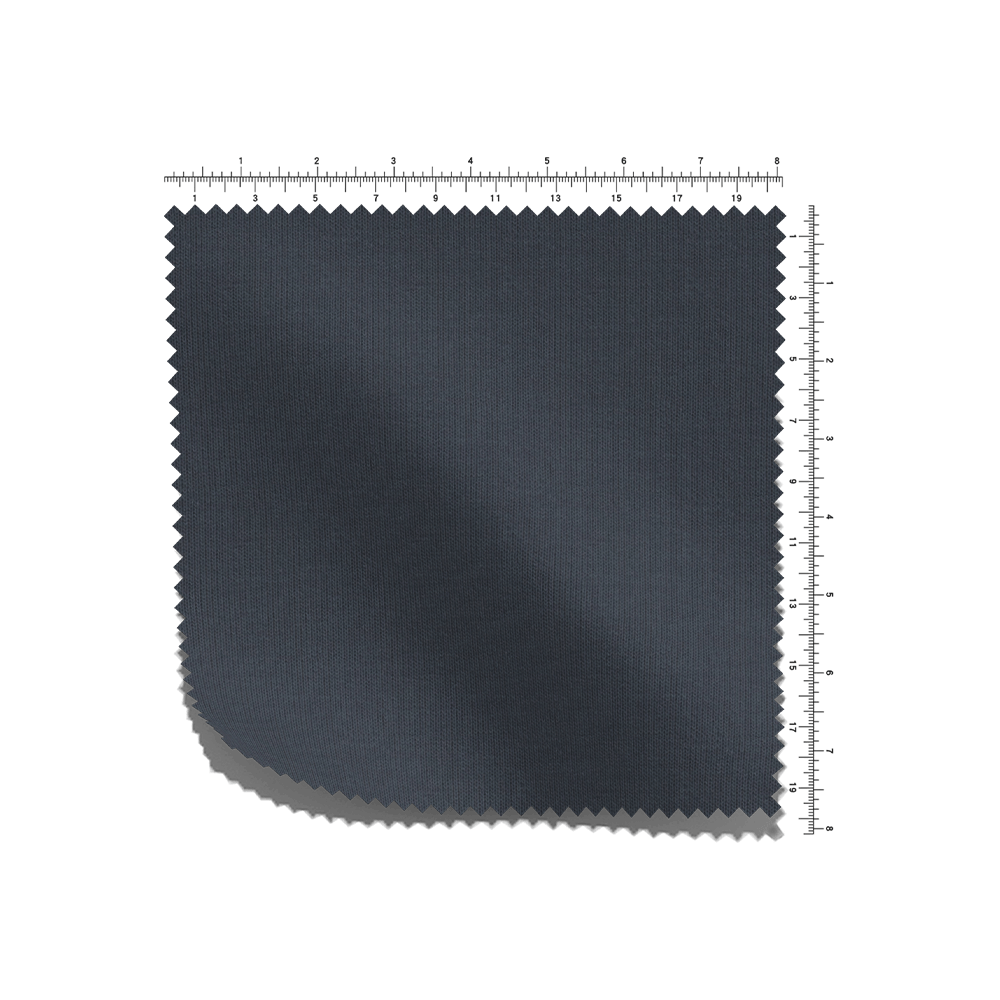
Cotton Jersey Fabric Texture: A Buyer's Guide to Hand Feel and Structure
When a designer holds a cotton jersey fabric sample, the first thing they notice is the texture — the way the surface feels against the skin, the subtle line pattern on the reverse side, and the fabric's ability to spring back after a gentle pull. For buyers and product developers, texture is not a vague aesthetic quality; it is a measurable product feature that influences comfort, drape, printability, and even final garment pricing.
Cotton jersey fabric texture is the combined result of yarn quality, knit structure, and finishing processes. Understanding how these three factors interact is the shortest path to specifying the right fabric for your product.
This guide breaks down the practical decisions behind cotton jersey texture, from selecting the right yarn count and knit structure to choosing finishing treatments that deliver a consistent, durable hand feel.
What Defines the Texture of Cotton Jersey Fabric?
Texture in cotton jersey refers to both tactile and visual qualities. On the front side, a well-made single jersey surface has a smooth, flat appearance with even loops. On the reverse side, you typically see the characteristic horizontal ribbing of the knit structure. The hand feel (how the fabric feels when touched) is shaped by the yarn's fineness, twist level, and fiber content.
From a production standpoint, texture is controlled by three variables: yarn count, knit structure, and finishing. For example, a Ne 30s cotton single jersey offers a balanced texture for general apparel, while a Ne 40s or finer yarn creates a smoother, more refined surface. Fabric weight, expressed in GSM, also correlates with texture. Lightweight jerseys (140-160 GSM) feel airy and drape well; heavier versions (200-240 GSM) feel more substantial and structured.
For brands that need a classic cotton jersey texture at a competitive cost, a cotton-polyester single jersey fabric provides a stable surface and good dimensional stability while retaining the softness of cotton.
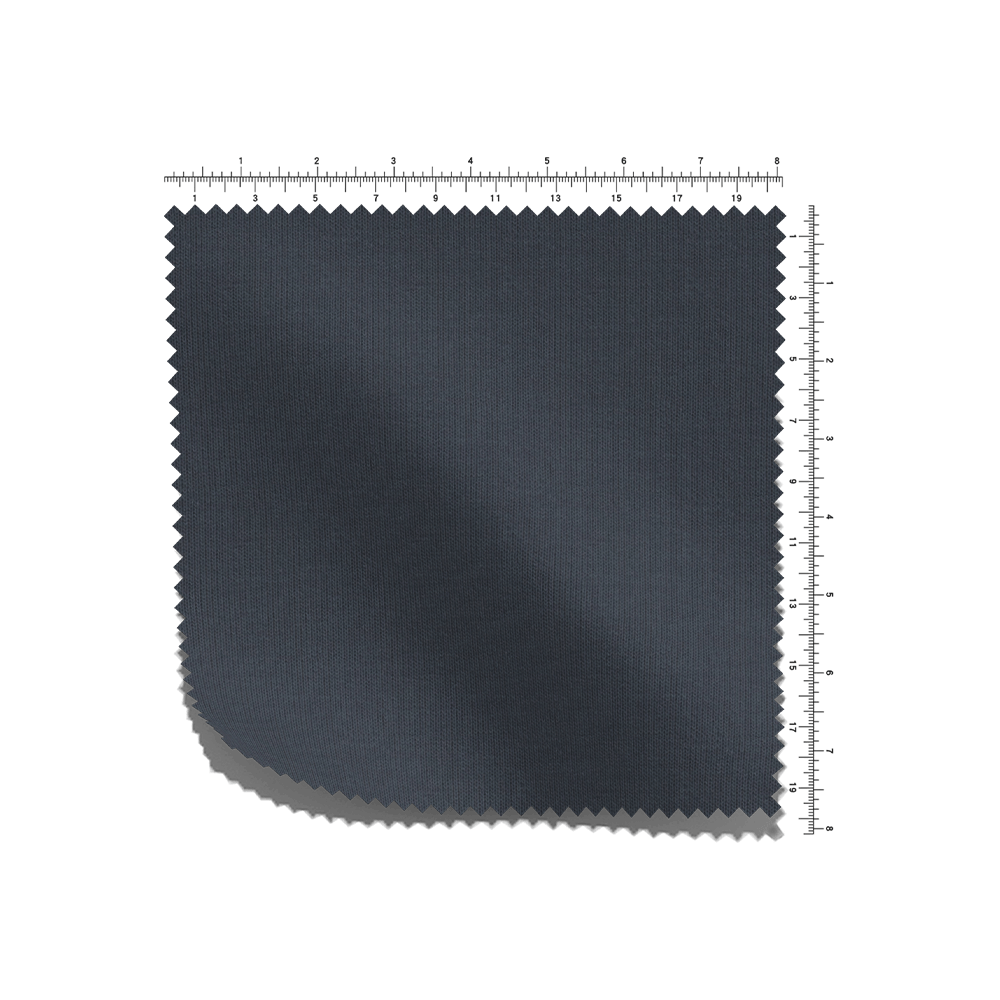 Cotton-Polyester Single Jersey for Business T-ShirtsThis interwoven cotton and polyester jersey offers a smooth, firm, and wrinkle-resistant surface. Made with 60's cotton and 75D polyester, it is delicate and breathable, suitable for business T-shirts.View Product →
How Knit Structure Shapes the Fabric Surface
The knit structure is the most direct control over texture. Even with the same yarn, different stitch patterns produce entirely different surfaces. The table below compares the most common cotton jersey structures used in apparel production.
| Structure | Surface appearance | Hand feel | Typical application |
|---|---|---|---|
| Single jersey | Smooth front, horizontal loops on reverse | Soft, lightweight | T-shirts, casual tops |
| Rib | Vertical wales, highly elastic | Snug, resilient | Necklines, cuffs, fitted tops |
| Interlock | Double-sided smooth, no visible curls | Thicker, more stable | Polo shirts, dresses |
| French terry | Smooth front, soft loops on reverse | Plush, moisture-absorbing | Sweatshirts, lounge wear |
| Slub | Irregular slub lines, natural unevenness | Rustic, textured | Fashion tops, casual wear |
Among these, single jersey is the most widely used for cotton jersey garments. It is lightweight, breathable, and easy to print on. For a deeper look at how single jersey compares with pique and double knit, see the key characteristics and versatile applications of single jersey fabrics.
If your design brief calls for visual texture without adding garment weight, a slub cotton jersey fabric with a natural uneven surface delivers a distinct, rustic aesthetic that is increasingly popular in contemporary casual wear.
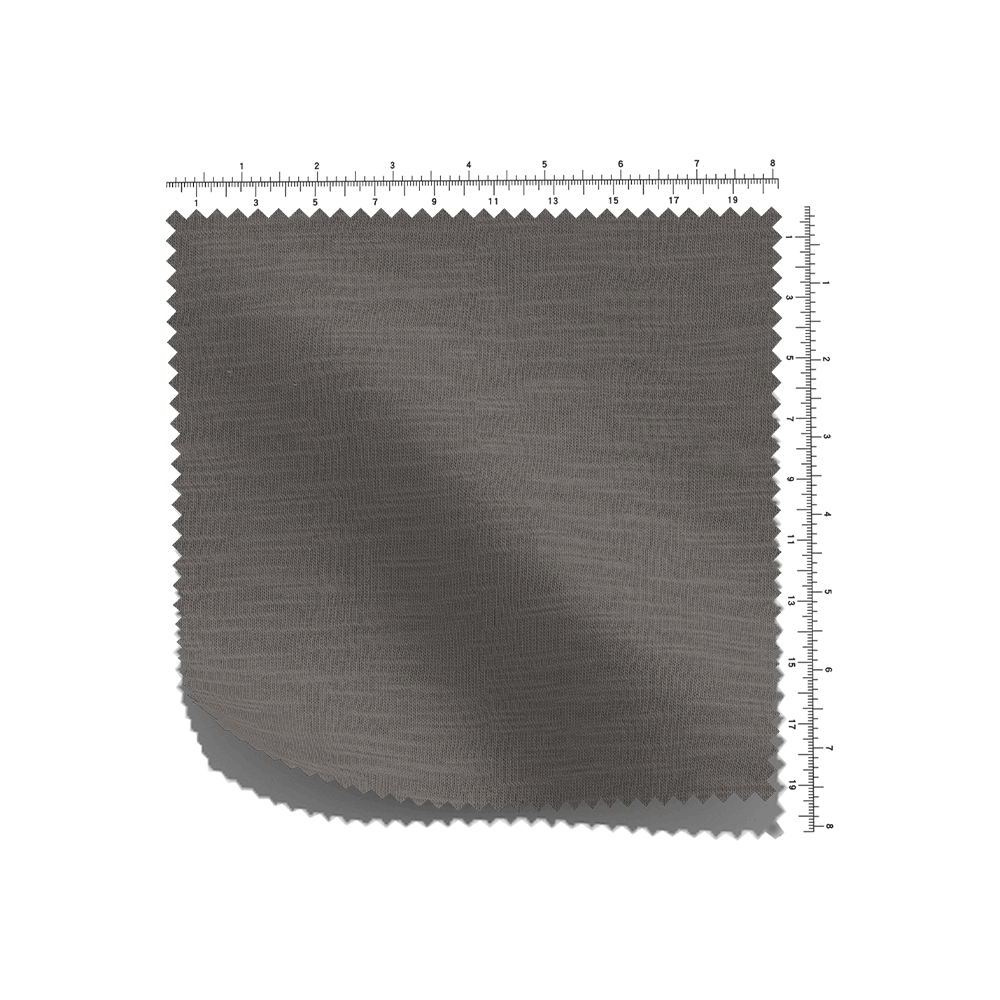 Slub Cotton Single Jersey with Natural TextureA 99.99% cotton slub jersey with a naturally uneven surface, finished with afterwash for stability. It provides a comfortable touch and breathability, ideal for casual T-shirts and dresses.View Product →
Yarn Quality: The Foundation of Hand Feel
Yarn quality determines how comfortable the fabric feels against the skin. The most important yarn factors for cotton jersey texture are fiber length, twist level, and yarn count.
Fiber length
Longer cotton fibers produce a smoother, more lustrous yarn with fewer protruding ends. Standard cotton fibers range from 30 to 32 mm, while long-staple cotton exceeds 35 mm. Fabrics made from longer fibers are less likely to pill and feel more expensive. A Pima cotton single jersey fabric uses extra-long staple cotton, giving the surface a finer, silkier hand feel.
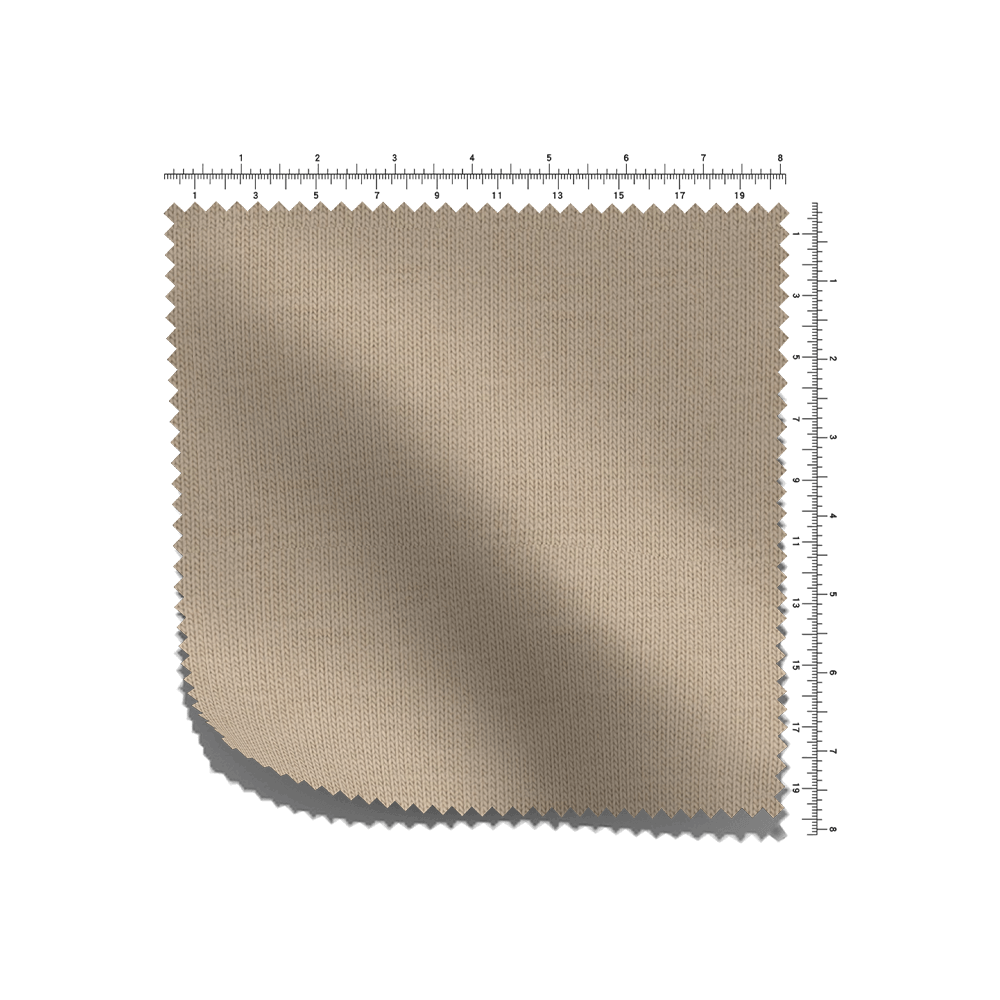 Pima Cotton Spandex Jersey for Premium ApparelThis Pima cotton spandex jersey features extra-long staple cotton for a soft, silky hand feel. With spandex for stretch, it is suited for high-quality casual wear and intimate apparel.View Product →
Twist level
Higher twist creates a firmer, drier yarn that holds structure well; lower twist produces a softer, loftier fabric that feels more relaxed. For summer T-shirts, a medium twist balances softness with durability. For activewear, a higher twist can add a cool, crisp texture.
Yarn count
Yarn count is expressed as Ne, which indicates how many hanks of yarn weigh one pound. A higher Ne means a finer yarn. Ne 30s and Ne 40s are common for cotton jersey, while Ne 50s to 60s are used for premium lightweight fabrics. A finer yarn creates a tighter, smoother texture but also increases production cost.
Finishing Processes That Refine the Texture
Finishing transforms the raw knitted fabric into a final product with the desired feel and appearance. Each process has a measurable impact on texture:
- Singeing burns off loose fibers on the fabric surface, leaving a smoother, cleaner face.
- Mercerizing treats cotton with caustic soda, increasing luster, strength, and color absorption while producing a crisper hand feel.
- Biopolishing uses enzymes to remove micro-fibers, giving the fabric a softer surface and reducing pilling.
- Preshrinking stabilizes the fabric dimensions, preventing shrinkage during garment manufacturing.
- Softening applies a silicone-based agent that lowers friction and enhances smoothness.
The order and combination of these treatments matters. For example, a single jersey intended for screen printing should receive singeing and preshrinking before printing to prevent the ink from wicking into loose fibers. A fabric destined for dyeing may need biopolishing after dyeing to avoid altering the color.
How to Evaluate Cotton Jersey Texture Before You Buy
When reviewing cotton jersey samples, rely on a combination of sensory checks and measurable data. Here is a practical evaluation checklist:
- Touch test. Rub the fabric with your fingertips. A good cotton jersey should feel soft with no scratchy points. Check both the front and back surfaces separately.
- Visual inspection. Hold the fabric against the light. Look for uniform yarn loops and the absence of contamination or slubs (unless slub texture is intentional).
- Recovery test. Stretch the fabric and release. Quality cotton jersey should recover quickly with minimal distortion.
- Weight verification. Confirm the GSM against your specification. A difference of more than 10 GSM may alter the garment's drape and fit.
- Shrinkage data. Ask for shrinkage test results after washing. Standard cotton knit fabric should show less than 5% shrinkage in both directions.
Understanding the relationship between yarn specifications and physical performance is also useful. For example, what denier and GSM really reveal about fabric weight and performance can help you make more accurate purchasing decisions when comparing cotton jersey options.
Practical Buying Considerations
The right cotton jersey texture depends heavily on the end use. A lightweight single jersey with a smooth, compact surface works well for summer T-shirts and fitted dresses. A heavier interlock or three-thread fleece with a fuller hand feel is better suited for autumn base layers and casual knitwear.
From a purchasing perspective, consider these factors before finalizing a fabric order:
- Minimum order quantity (MOQ). Cotton jersey is typically produced in large lots. Confirm the MOQ with the supplier early.
- Color fastness. Dark colors on cotton knit can rub off during washing. Request a rubbing test report.
- Seasonality. Fabric texture preferences shift with seasons. Plan your yarn counts and GSM range accordingly.
- Supplier capability. A supplier with integrated knitting, dyeing, and finishing operations, such as Jiangsu Golden Morning Knitting Co., Ltd., offers better control over texture consistency and delivery timelines.
By aligning yarn, structure, and finishing with the garment's intended use, you can specify a cotton jersey texture that meets both aesthetic and functional requirements without overspending.
Don't hesitate to contact when you need us!

Step Ahead.
Nearly 30 years of experience in the textile industry is a valuable advantage of Golden Morning. Welcome to communicate with our team!
Become a Client
 +86-512-52528088
 +86-512-14546515
-
 [email protected]
[email protected]
[email protected] -

Company Address:
NO.218 QingDunTang Road changshu CityJiangsu Province(215500), ChinaFactory Address:
NO.19 Fuchunjiang East Road Southeast Economic Development Zone Changshu Jiangsu, China
