


 English
 한국어
 中文简体

Bio-Based vs Recycled Fabrics: Which One Fits Your Knit Sourcing Program?
A 240 gsm brushed fleece knitted from bio-based polyester and the same fleece knitted from recycled polyester can pass identical lab tests, ship in the same colors, and feel the same in a buyer's hand. They still answer two different questions. Bio-based describes where the carbon in the fiber came from. Recycled describes what waste was diverted to make it. That difference decides which claim can go on a hangtag, which certificate has to be filed, and which fabric fits the cost target you were handed.
Short answer: choose bio-based when your story is about renewable feedstock and you can absorb a feedstock premium. Choose recycled when your story is about waste diversion and you need volume at a workable price. Neither term guarantees biodegradability, and neither one replaces a performance specification.
The consequences land in three places: the percentage you are allowed to claim, the paperwork your buyer will request, and the tolerances you have to hold in bulk.
What Each Term Actually Measures
Bio-based describes where the raw material came from, not how the finished fabric behaves. It covers plant-derived polyester made from PDO, castor-oil polyamide, lyocell and bamboo viscose, seaweed blends, and long-established fibers such as wool and silk. Content is usually reported as a share of bio-based carbon measured by radiocarbon testing (ASTM D6866 or EN 16640) rather than a share of total weight, so a 30% bio-based claim can mean roughly 30% of the carbon while the mass percentage is different.
Recycled describes the input stream: pre-consumer content from factory cutting waste, post-consumer content from bottles or discarded garments. The percentage applies to a specific fiber, so a 50% recycled polyester and 50% cotton blend is half recycled polyester by weight of that fiber, not half recycled fabric.
What neither label tells you matters more than the label itself:
- Whether the fabric biodegrades, composts, or sheds differently in a wash.
- Whether the fiber was physically segregated or allocated under a mass-balance system.
- Whether the roll meets your abrasion, pilling, and shrinkage limits.
Two recycled polyester jerseys of the same 160 gsm can differ by double digits in bursting strength once fiber length and spinning method change. The claim and the performance data are separate conversations, and both need settling before bulk.
Side-by-Side: Bio-Based vs Recycled
Strip the marketing away and the two routes differ on feedstock, verification, and risk rather than basic quality. Three points decide most sourcing meetings.
Plant or animal-derived carbon, verified as a share of bio-based carbon rather than total weight.
Pre- or post-consumer material kept out of disposal, verified through chain-of-custody documents.
Neither route is automatically biodegradable. Behavior depends on the fiber and the blend.
| Comparison point | Bio-based fabric | Recycled fabric |
|---|---|---|
| What the label measures | Origin of the carbon in the fiber | Waste stream diverted into the fiber |
| Typical inputs | Plant-derived PDO polyester, castor-oil polyamide, lyocell, bamboo viscose, seaweed, wool, silk | Cutting waste, post-consumer cotton, PET bottles, recycled wool |
| Virgin fossil content | Reduced, rarely eliminated in blends | Avoided for the recycled share |
| Document to request | Bio-based carbon test report (ASTM D6866 or EN 16640) | Scope certificate plus transaction certificate (GRS or RCS) |
| Main sourcing risk | Feedstock premium and blend percentage claims | Fiber length loss and shade variation between lots |
Where Bio-Based Fabrics Win
Bio-based knits earn their place where hand feel, resilience, or a renewable-feedstock claim carries commercial weight.
Recovery and warmth in fleece
Bio-based PDO polyester is resilient. Brushed fleece made from it springs back after compression instead of matting down, and it heat-sets at lower temperatures than standard polyester, which can reduce energy in finishing.
A cotton-blended bio-based fleece, brushed for warmth and used in winter mid-layers, is a working example of that combination.
Smooth cellulosic knits
Lyocell, acetate, and bamboo-viscose blends give a cooler, silkier surface for drop-needle rib, interlock, and single jersey. The trade-off is wet strength, so specify shrinkage after three home launderings (ISO 6330) and confirm drying parameters with the mill.
Protein fibers still count
Wool and silk are bio-based by definition, and 2x2 rib blends using them add warmth with less bulk, though they age differently from synthetic fleece and should be sampled on the actual garment pattern.
One process note: bio-based fibers often dye at adjusted temperatures, so lock the recipe before approving a lab dip, and ask for laundering colorfastness (AATCC 61) alongside the shrinkage report.
Where Recycled Fabrics Win
Recycled inputs win on availability, volume, and price predictability, which is what decides whether a program can scale.
Mechanically recycled polyester
Bottle-derived polyester is the most widely available recycled knit fiber. Consistency is best with a single clear feedstock stream. Mixed or colored bottles push shade variation into the yarn, and prices track the bottle market.
Recycled cotton from cutting waste
Pre-consumer cotton waste is short-staple, so it suits open-end yarns for fleece, terry, and drop-needle rib, where a slightly rougher surface is an advantage. Color-sorted waste gives the tightest shade control.
Fiber length loss is the real cost. Shorter fibers lower tenacity, so mills compensate with twist or a share of longer fiber. Specify abrasion (ISO 12947) and pilling (ISO 12945) rather than assuming recycled content is neutral. For sweatshirt-weight products, a brushed french terry built on recycled rayon blended with recycled polyester holds loft while keeping the recycled claim on both fibers.
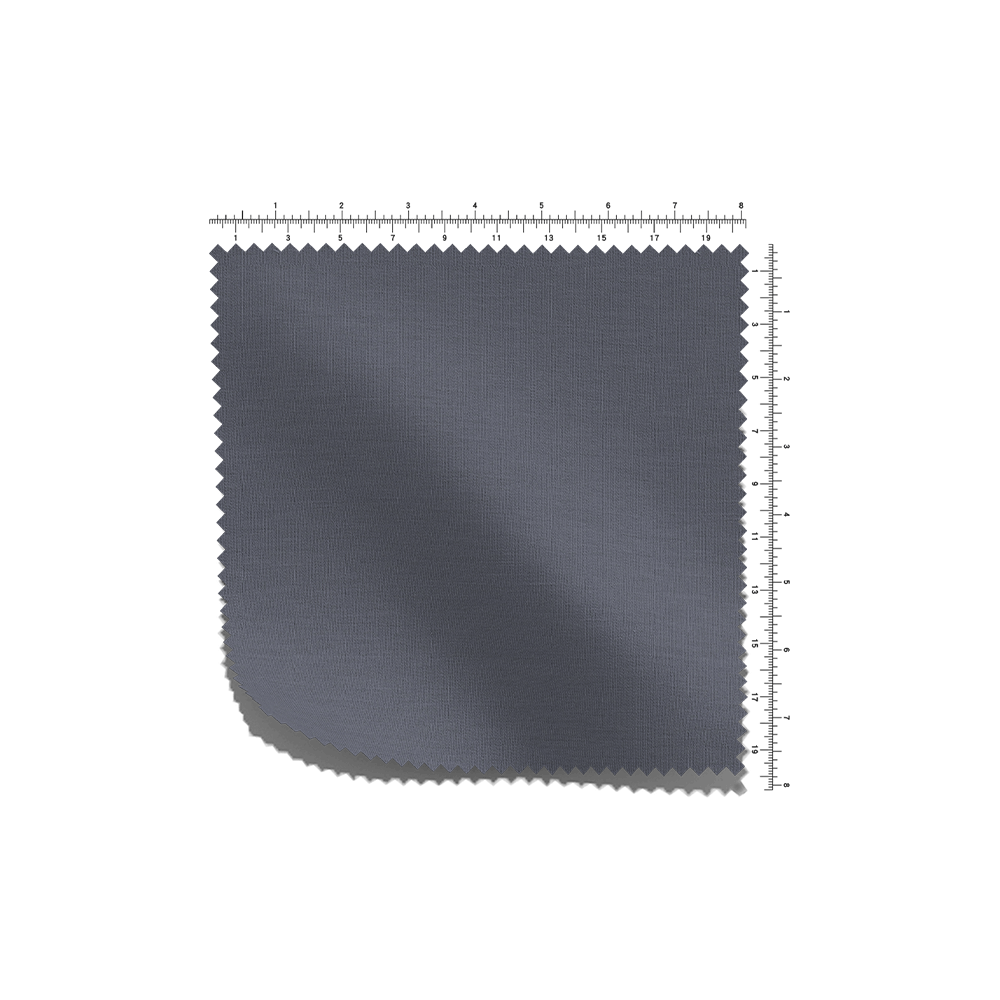 Recycled Rayon/Polyester Brushed French Terry for HoodiesA 320 G/M² brushed french terry blending recycled rayon and recycled polyester with spandex, suited to autumn/winter hoodies and cooler-season apparel.View Product →
Blends, Claims, and the Verification Trail
Blends are where claims fall apart. A 50/50 recycled polyester and cotton fleece is not biodegradable, and a bio-based percentage on a blend has to be documented fiber by fiber, so agree the calculation method before sampling rather than after.
The verification model matters just as much. Under physical segregation, the certified fiber is what sits in your roll. Under mass balance, certified and conventional material are mixed in process and the claim is allocated administratively, so the physical roll may not contain the certified fiber even though the paperwork is valid. Ask which model applies.
Buyers increasingly fold these claims into broader sustainable fabric supply chain requirements, and the following documents travel with the order:
- Scope certificate and transaction certificate for recycled content (GRS or RCS).
- Bio-based carbon test report for bio-based content (ASTM D6866 or EN 16640).
- Fiber composition report from an accredited laboratory.
- Life-cycle or product carbon footprint data if a carbon claim is made.
Anything less means the claim rests on a supplier statement rather than a test result.
Cost, MOQ, and Risks That Appear After Bulk Approval
- Feedstock premium: bio-based polyester usually carries a premium over standard PET, and specialty yarns come with higher minimums and longer lead times, which affects sampling schedules as much as unit cost.
- Price volatility: recycled polyester quotes track the bottle market, so a price can move between sampling and bulk confirmation. Fix pricing windows in writing.
- Shade variation: recycled cotton and mixed-stream rPET drift lot to lot. Approve a lab dip and a bulk sample per lot, not once per season.
- Shrinkage, pilling, and abrasion: recycled cellulosics and bio-based blends can move more after washing, and brushed recycled fleece pills at low twist. Set limits such as ±5% shrinkage after three launderings, plus a Martindale threshold and a pilling grade.
Put composition with its recycled or bio-based percentage, GSM and width tolerances, shrinkage limits, colorfastness grades, and certificate numbers into the purchase order. That turns a marketing word into an inspectable line item.
A Practical Decision Path
- Renewable-feedstock claim: bio-based PDO polyester fleece or a lyocell-rich interlock, with the bio-based carbon report attached.
- Circularity claim at volume: mechanically recycled polyester, alone or blended with recycled cotton where the surface tolerates short staple.
- Next-to-skin drape: bio-based cellulosic blends for rib, interlock, and light jersey.
- Heavy brushed sweatshirt: recycled rayon blended with recycled polyester in a brushed french terry.
- Winter mid-layer: bio-based fleece, or a wool-blend rib checked for pilling and shrinkage.
For drop-needle rib and interlock programs where softness carries the price, a bio-based Naia drop-needle interlock is worth sampling against standard viscose before you commit a colorway.
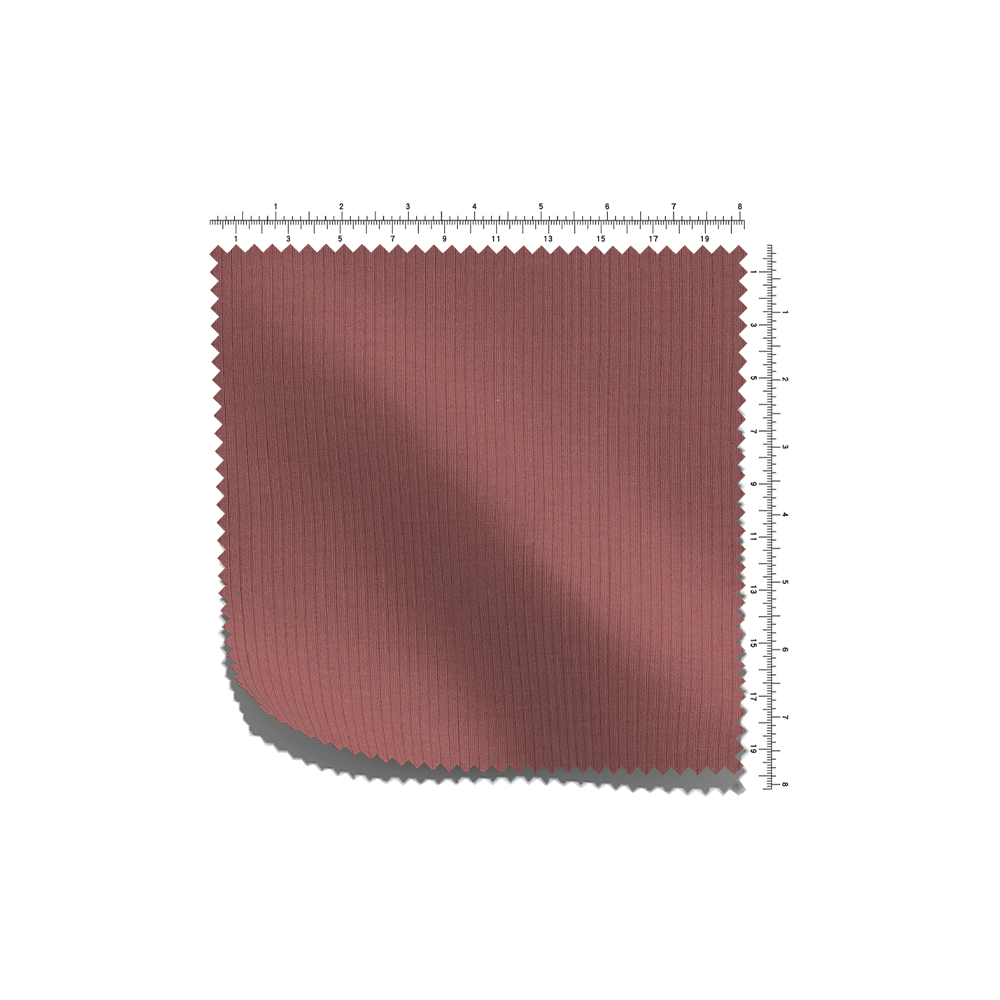 Bio-Based Naia Drop-Needle Interlock Knit FabricA soft 200 G/M² Naia/modal interlock with spandex, breathable and quick-drying; sample it against standard viscose for women's undershirt programs.View Product →
Frequently Asked Questions
Q1: Is bio-based fabric automatically biodegradable?
No. Bio-based describes the feedstock, while biodegradability depends on the polymer and the disposal environment. Bio-based polyester behaves much like conventional polyester at end of life, so ask for test data on the specific material instead of applying the label to a whole category.
Q2: Which option has the lower carbon footprint?
It depends on the system boundary. Recycled polyester typically avoids extracting virgin fossil feedstock, while bio-based fibers score well when the feedstock is a by-product stream and processing energy is low-carbon. Compare life-cycle data for the specific fiber and the specific mill.
Q3: Can a fabric be both bio-based and recycled?
Yes. Recycled wool, recycled lyocell, and recycled cotton are bio-based in origin and recycled in input. Each percentage still has to be documented separately, and blended fabrics need the calculation method agreed in advance.
Q4: What should be in the specification before bulk approval?
Composition with recycled or bio-based percentages, GSM and width tolerances, shrinkage and spirality limits after laundering, colorfastness grades, abrasion and pilling thresholds, and the certificate numbers behind each claim.
Bio-based and recycled fabrics are both credible routes, and they fail in the same way: when a claim is treated as a finished specification. Decide which question you are answering, request the certificate that proves it, and settle performance limits before the first bulk roll is knitted.
If you are comparing the two for an upcoming program, it helps to review the knit fabric range we produce against your own test criteria, then request samples of the specific constructions you are weighing.
Don't hesitate to contact when you need us!

Step Ahead.
Nearly 30 years of experience in the textile industry is a valuable advantage of Golden Morning. Welcome to communicate with our team!
Become a Client
 +86-512-52528088
 +86-512-14546515
-
 [email protected]
[email protected] -

Company Address:
NO.218 QingDunTang Road changshu CityJiangsu Province(215500), ChinaFactory Address:
NO.19 Fuchunjiang East Road Southeast Economic Development Zone Changshu Jiangsu, China
