


 English
 한국어
 中文简体

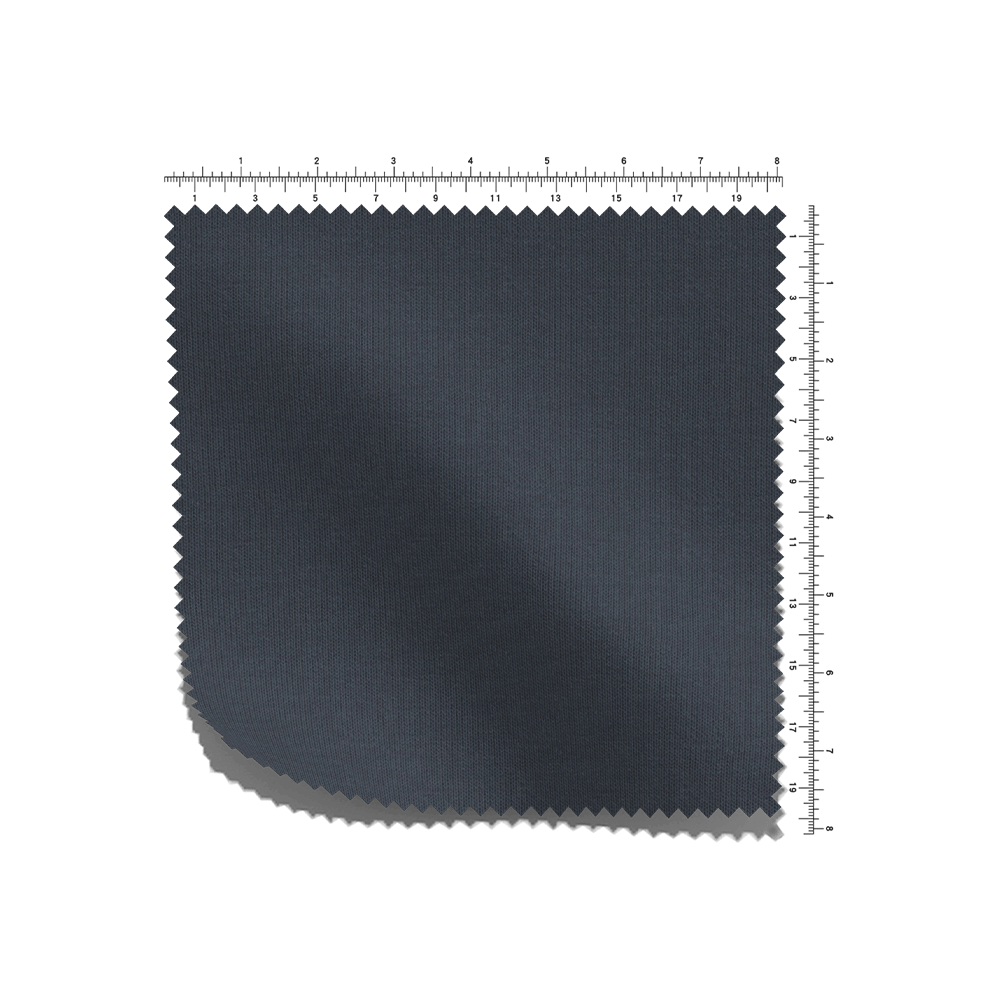
Dip Dye Textiles: A Professional Guide to Gradient Knit Fabrics for Apparel
Dip dye textiles are not a niche craft technique anymore. Apparel brands use them to create soft gradient transitions on everything from basic T-shirts to premium hoodies, because the process adds a distinct visual identity at a reasonable cost. For a buyer, the real question is not whether the effect looks good in a sample, but whether the mill can reproduce that gradient consistently on your chosen knit fabric. That decision starts with matching the dyeing method to the fiber, structure, and intended end use.
What "Dip Dye" Means in Textile Production
Dip dye (also called ombre dyeing or gradient dyeing) is a technique where fabric sections are immersed in dyebaths at controlled depths to produce a continuous transition from deep color to lighter or undyed areas. Unlike piece dyeing, which colors the entire material uniformly, dip dye relies on the specific interaction between dyestuff uptake, immersion time, and lifting speed.
In production, the operator lowers a fabric panel or garment into the bath, holds it for a set duration, then raises it gradually or in stages. This causes the lower part of the fabric to absorb more dye than the upper part. The result is a visual gradient that runs along the fabric height. This method is particularly popular for short-run fashion, seasonal capsule collections, and design details that require a hand-finished look.
It also works well on natural fibers and many blends, but the color depth and sharpness of the transition depend more on the fabric structure and dye chemistry than on the dyeing equipment alone.
Which Knit Fabrics Work Best for Dip Dye
Not every knit fabric will accept a clean gradient. The tighter the structure, the more slowly the dye penetrates, and the more likely you are to see streaky lines or uneven color. The best candidates are open, relatively lightweight structures with good dye uptake and a smooth surface.
Single Jersey
Single jersey is a familiar choice. Its loop structure is compact but absorbent, and the fabric surface accepts active dyes evenly. A cotton-polyester single jersey fabric, for example, gives you a reliable base for gradient T-shirts and light tops because the polyester component can be reserved or dyed separately depending on the effect you need.
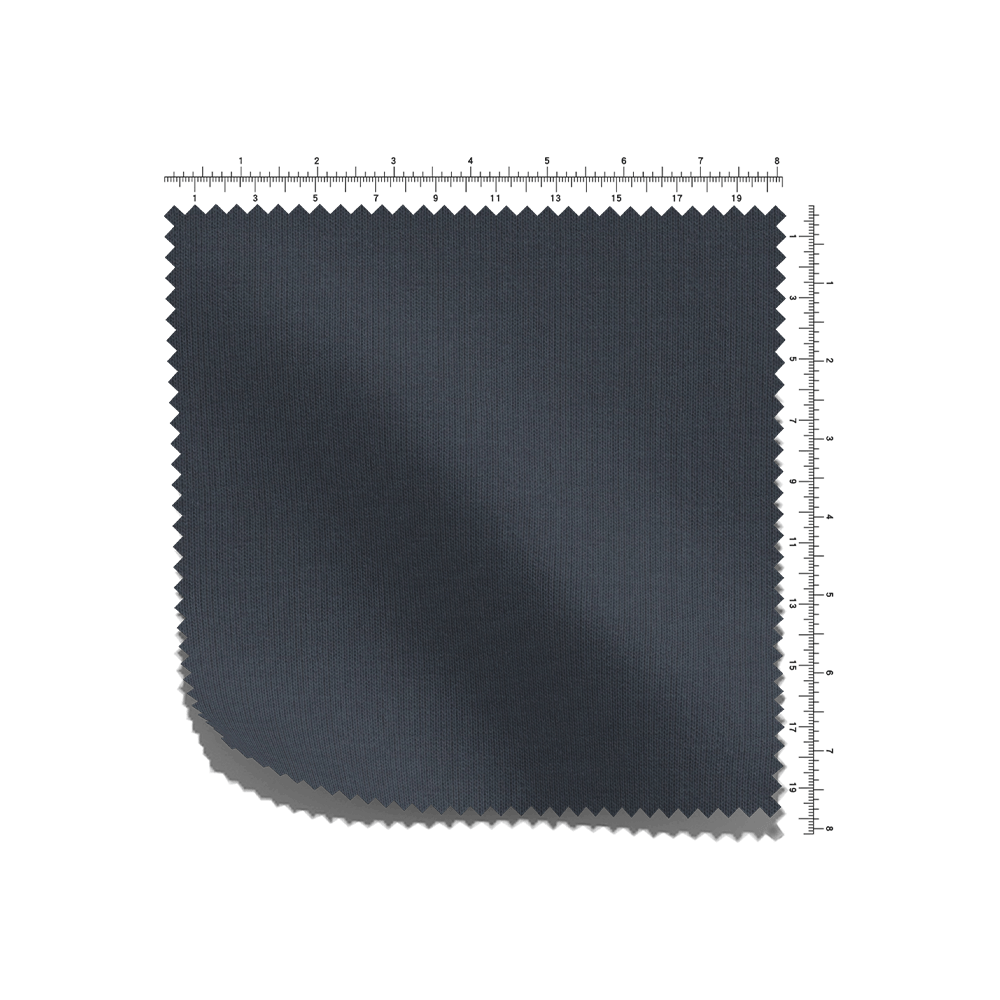 Cotton-Polyester Single Jersey for Gradient T-ShirtsThis interwoven cotton and polyester jersey offers a smooth, wrinkle-resistant surface with breathable comfort, making it a practical base for gradient tees and light tops that need an even dye take.View Product →
Loop Terry
Loop back terry offers a different hand. The loops on the reverse side hold dye in the pile, creating a softer, more diffuse gradient that works well for hoodies and casualwear. If you want a brushed, plush feel while maintaining a visible color transition, a cotton-polyester loop terry fabric is a practical option, as the terry pile gives depth to the gradient without compromising structure.
 Cotton-Polyester Loop Terry with Irregular LoopsFeaturing irregular terry loops that hold dye in the pile, this soft and breathable fabric creates a diffuse gradient, ideal for hoodies, casualwear, blankets, or pajamas where depth is desired.View Product →
Double Knits and Ponte
Double knits and ponte also take dip dye, but they require tighter process control because the two faces may absorb dye at different rates. For garments that need more body and stability, a polyester-cotton double ponte fabric can work, provided the mill uses a dye system that develops color evenly across the fabric thickness.
Technical Parameters That Influence the Dip Dye Result
Even small changes in immersion depth or bath concentration shift the gradient boundary. If the operator pulls the fabric too quickly, the transition line becomes striated; if they let it sit too long, the upper part may absorb color through migration. That is why buyers should request a graded control panel from the supplier before approving a bulk order.
| Fiber / Structure | Recommended Dyestuff | Bath Temperature | Immersion Time | Gradient Length |
|---|---|---|---|---|
| 100% cotton single jersey | Reactive | 55-65°C | 10-25 min | 10-30 cm |
| Cotton/polyester single jersey | Reactive + disperse | 70-80°C | 15-30 min | 12-35 cm |
| Cotton loop terry | Reactive | 50-60°C | 15-30 min | 15-40 cm |
| Polyester double ponte | Disperse | 80-90°C | 20-40 min | 10-25 cm |
These parameters are starting points, not fixed recipes. The actual gradient will depend on the specific dyestuff, the liquor ratio, and the fabric's fiber content. A good supplier will show you trial panels at different immersion times before you commit to a production run.
Quality Risks and What to Check Before Ordering
Dip dye looks beautiful in a strike-off, but it also creates specific production risks that can show up only after the first batch. Here are the most important quality points to verify before placing a bulk order.
- Color fastness to washing and rubbing. The gradient edge is often the weakest area. If the dyestuff has not fully reacted with the fiber, the transition line may bleed or fade after a few washes. Ask for ISO 105-C06 or AATCC 61 wash fastness results, plus dry and wet rubbing tests.
- Consistency across panels. In a premium gradient garment, the dip line should feel like a continuous design element. If the line position varies by more than 1-2 cm from piece to piece, the final product will look mismatched. Require the supplier to measure and report the gradient position on every production roll.
- Hand feel change. Some dye routes require carrier chemicals or high temperatures that can harden sensitive knit structures. Evaluate a production sample after dyeing to confirm that the fabric still has the intended softness and drape.
- Environmental compliance. The dyeing process uses water, energy, and dyestuff. If your brand has sustainability targets, ask whether the mill uses low-impact dyestuff, recovers heat, and treats effluent before discharge. For a broader view on how this reconfigures supply chains, see how sustainable fabrics are reshaping industrial textile supply chains.
Frequently Asked Questions about Dip Dye Textiles
Q1: What is the minimum order quantity for dip dye knit fabrics?
MOQ varies with the dyeing route and the fabric structure. Standard reactive dip dye on single jersey may start at 300-500 kg, but garment-level dip dye can often begin at lower quantity for small capsules. Confirm the MOQ with your supplier before sampling.
Q2: Can dip dye be applied to polyester and synthetic blends?
Yes, but the dye system changes. Polyester requires disperse dyes and higher temperatures, while a cotton/poly blend needs a two-step or one-bath combined process. The transitional edge may appear slightly different from cotton-only fabric, so evaluate a strike-off first.
Q3: How should a buyer check color fastness?
Ask for test reports for color fastness to washing, rubbing (dry and wet), and perspiration. For dip dye, also request an AATCC 61 or ISO 105-C06 wash test, since the gradient area can be more sensitive than a solid shade.
Q4: How does dip dye affect fabric hand feel?
The dyestuff, auxiliaries, and temperature all influence hand feel. A properly controlled process on high-quality knit structures should not reduce softness. Avoid over-dyeing or excessively high carrier doses, which can stiffen the fabric.
Choosing the right dip dye textile supplier is about more than comparing price per meter. It requires a partner who understands fiber structures, controls the dyeing process closely, and can provide open quality data. When a mill combines knitting, dyeing, printing, and garment production under one roof, you gain faster feedback cycles and more reliable consistency for gradient-focused collections. For the next dip dye project, begin by evaluating your fabric candidates with a strike-off, then scale up with a production partner that can protect the effect at volume.
Don't hesitate to contact when you need us!

Step Ahead.
Nearly 30 years of experience in the textile industry is a valuable advantage of Golden Morning. Welcome to communicate with our team!
Become a Client
 +86-512-52528088
 +86-512-14546515
-
 [email protected]
[email protected] -

Company Address:
NO.218 QingDunTang Road changshu CityJiangsu Province(215500), ChinaFactory Address:
NO.19 Fuchunjiang East Road Southeast Economic Development Zone Changshu Jiangsu, China
