


 English
 한국어
 中文简体

The Real Benefits of Anti-UV Fabrics: Verifiable Protection for Your Apparel Line
Two racks of "sun-protective" shirts can look identical in a showroom. One passes UPF 50+ in the lab and keeps most of its rating after twenty washes. The other drops below UPF 15 after three home washes, even though both suppliers used the same buzzwords. This is the reality of anti-UV fabric sourcing, and it explains why the benefits of anti-UV fabrics depend on verifiable data, not label claims.
We have manufactured knitted fabric at Jiangsu Golden Morning Knitting since 1997, exporting to more than 50 countries. In that time, we have seen sourcing teams choose by hand-feel or price alone, then face returns when the "UV protection" did not survive production or laundry. The real benefits are consistent skin protection, comfort, lower product risk and a credible story for your hangtag. This guide explains what to look for before you commit to a bulk order.
Anti-UV Fabric Basics: UPF Ratings That Actually Matter
Anti-UV fabric reduces the amount of ultraviolet radiation that reaches the skin. Its performance is expressed as UPF (Ultraviolet Protection Factor). UPF 50 blocks 98% of UV rays and allows only 2%, or 1/50th, to pass through. UPF 30 blocks 96.7%, while UPF 15 blocks 93.3%. In practice, a garment needs a minimum UPF of 15 to be labelled sun-protective, and most responsible brands set internal minimums at UPF 30 or UPF 50+.
SPF, by contrast, measures only UVB protection. UPF covers both UVA and UVB, which matters because UVA penetrates deeper and drives premature ageing, while UVB causes sunburn. A shirt that says "sun-protective" without a UPF rating is marketing, not performance data.
| UPF Rating | UV Blocked | Typical Application |
|---|---|---|
| UPF 15 | 93.3% | Casual everyday wear |
| UPF 30 | 96.7% | Extended outdoor activity |
| UPF 50 | 98.0% | High-exposure outdoor sport |
| UPF 50+ | 98% or more | Children, sensitive skin, full-sun conditions |
For outdoor, childrenswear and occupational lines, UPF 50+ gives you a measurable safety margin when garments stretch, become damp or are worn for a full day.
Five Benefits of Anti-UV Fabrics That Users Feel Every Day
Protection without Reapplication
Sunscreen fades with sweat and water, and people miss patches. A properly fitted anti-UV garment keeps blocking UV for hours, cutting the risk of sunburn, pigmentation and long-term skin damage.
Comfort When Chemicals Irritate
Some users cannot tolerate the chemical filters in sunscreen, especially children and people with sensitive skin. UV-protective clothing works as a physical barrier, with no actives to wash off or irritate.
Fewer Interruptions in Work and Sport
Outdoor workers and endurance athletes cannot stop every two hours. Anti-UV fabric keeps performing for a full shift or a long session, especially when combined with moisture-wicking and quick-drying finishes.
Combined with Cooling and Wicking
Modern anti-UV knitted fabrics often carry several functions at once: UV blocking, moisture management, antistatic and odour control, so wearers do not have to choose between sun safety and comfort.
Measurable Protection You Can Trust
UPF performance can be verified with accredited tests such as AS/NZS 4399, EN 13758-1 or AATCC 183. That data gives you a defensible product claim, not just a vague label.
What Determines UV Blocking: Fibre, Structure, Colour and Finish
Anti-UV performance is engineered, not added by accident. Four variables matter:
- Fibre type: Polyester and nylon have better inherent UV absorption than untreated cotton. Cotton, linen and silk transmit more UV unless they are treated or blended with synthetic fibres.
- Knit density and cover factor: A single jersey with a higher GSM and a tighter stitch leaves fewer gaps for UV radiation to pass through. GSM and denier give more information about fabric density here.
- Colour: Darker shades and high dye concentrations absorb more UV than pale or low-pigment shades, but colour alone cannot replace a UPF finish or a dense structure.
- Finish chemistry: Mills apply UV absorbers or inorganic blockers during dyeing or finishing. Durability depends on the chemical affinity to the fibre, curing temperature and whether the finish is designed to survive laundering.
When designers want both protection and surface interest, a jacquard structure is a practical solution. A single jersey with jacquard patterns can hold UPF 50+ while offering the texture and visual variety that reduces the need for printing layers.
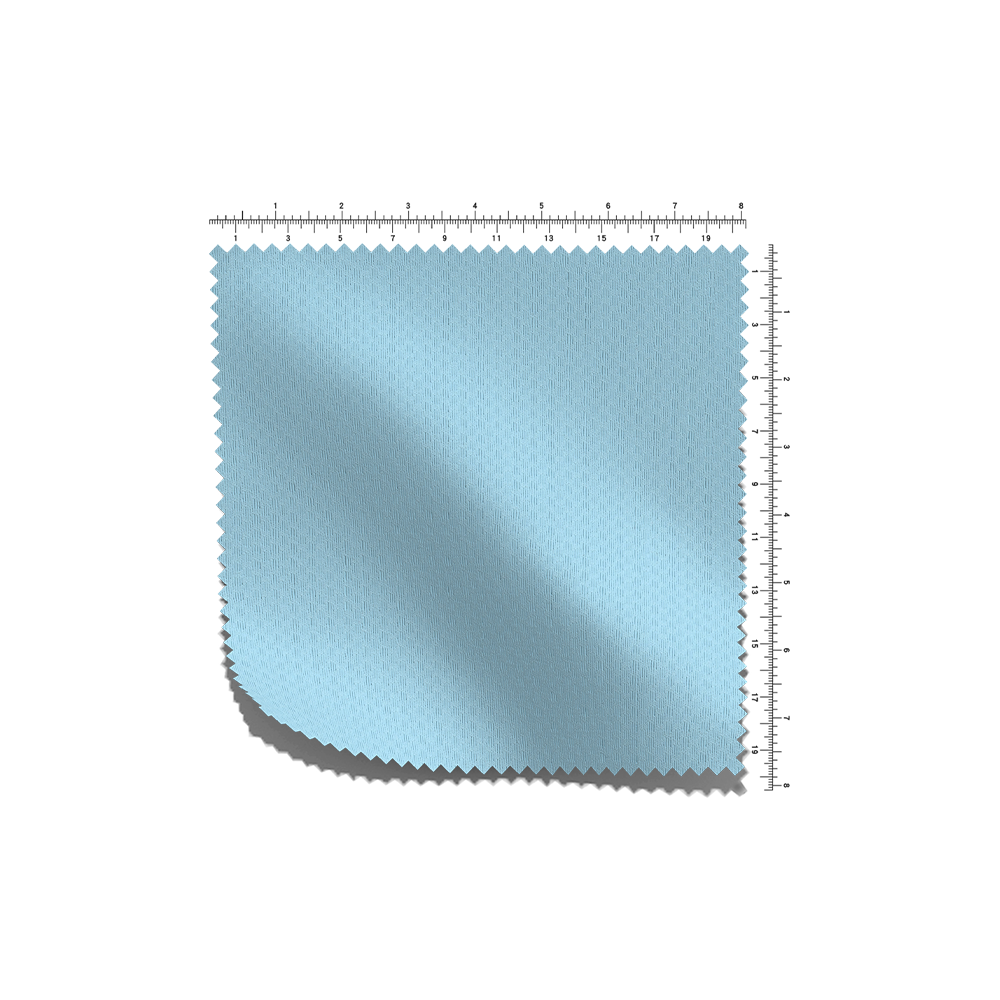 Anti-UV Single Jacquard Knit Fabric with SpandexThis jacquard single jersey combines UPF 50+ protection with surface texture, using matte anti-UV polyester and spandex for outdoor sun-protective garments.View Product →
How to Verify Anti-UV Fabric Performance Before You Buy
The benefits above only become real when the fabric actually performs after production, transit and washing. Here is a sourcing checklist:
- Ask for a UPF report from an accredited laboratory and match it with your target market's standard: AS/NZS 4399, EN 13758-1 or AATCC 183.
- Request washed-performance data. Fabrics that rate UPF 50 when new but drop below UPF 15 after twenty washes are only technically "anti-UV". If the supplier only provides new-fabric tests, be cautious.
- Check complementary functions. Sun-protective sportswear often also needs to wick sweat, dry fast, resist odour or stretch. UPF alone does not prove comfort.
- Confirm the UV finish complies with restricted-substance regulations for your export regions, such as REACH or ZDHC for the European market.
- Consider recycled versions. Anti-UV fabric made with recycled polyester can combine sun safety with sustainability, which is useful for BSCI, GRS or brand-specific ESG targets.
Our recycled T/C single jersey is one example: it combines anti-UV blocking with antistatic properties, giving brands one fabric for both sun protection and static control in synthetic-dominant garments.
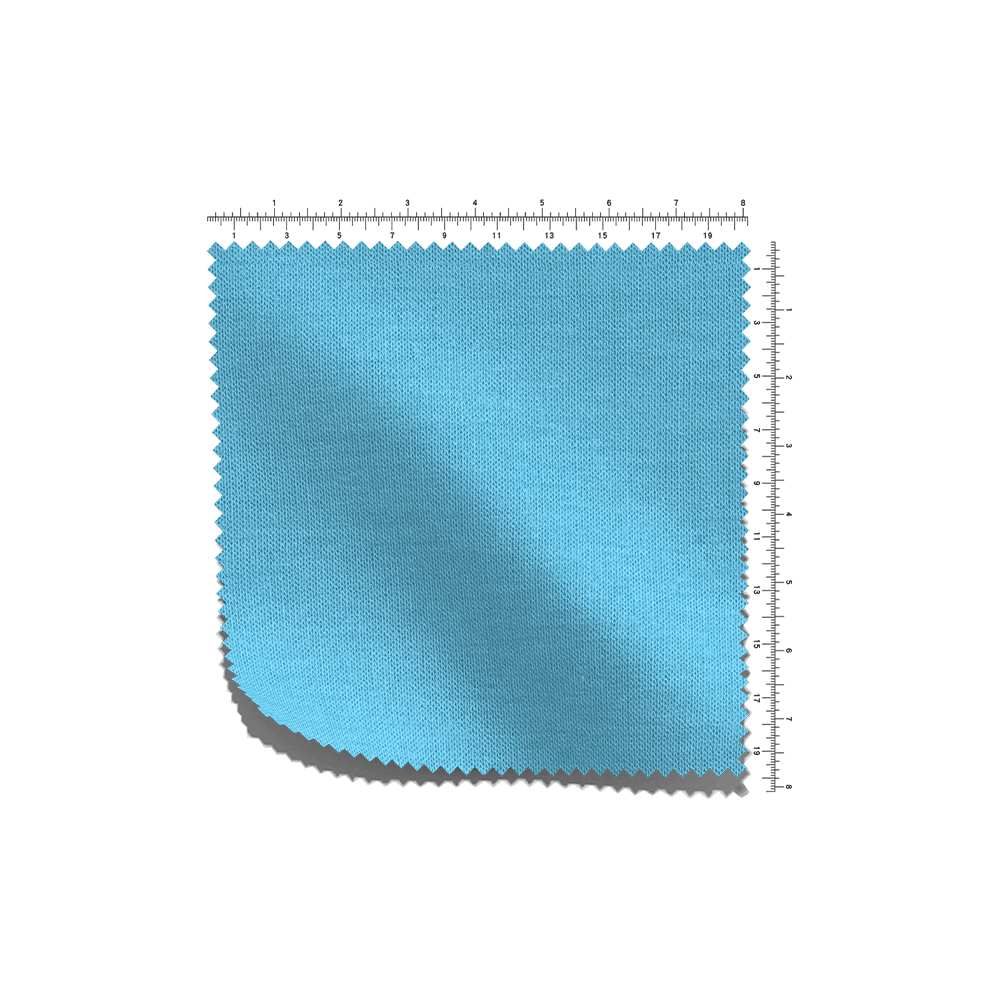 Recycled T/C Anti-UV Single Jersey with Antistatic FinishBlending anti-UV polyester with cotton, this recycled fabric offers breathability, moisture absorption, and antistatic properties, suitable for synthetic-dominant apparel requiring sun protection.View Product →
A UV rating that cannot survive ten washes is a feature, not a benefit.
Where Anti-UV Fabrics Add Real Value in the Market
Anti-UV fabric is no longer only for mountain tops and beach resorts. It has become a value feature in several apparel segments:
- Performance sportswear: running, cycling, hiking and team training kits.
- Occupational wear: construction, agriculture, landscaping and public utility uniforms.
- Children's wear: rash guards, sunsuits, school outdoor uniforms and everyday playwear.
- Everyday urban wear: lightweight overshirts, UV arm sleeves, caps and casual jackets.
For everyday urban wear, a double-faced jacquard can make more sense: smooth face, comfortable back, and UPF 50+ protection that does not read as "technical". Brands get style plus sun safety in one fabric.
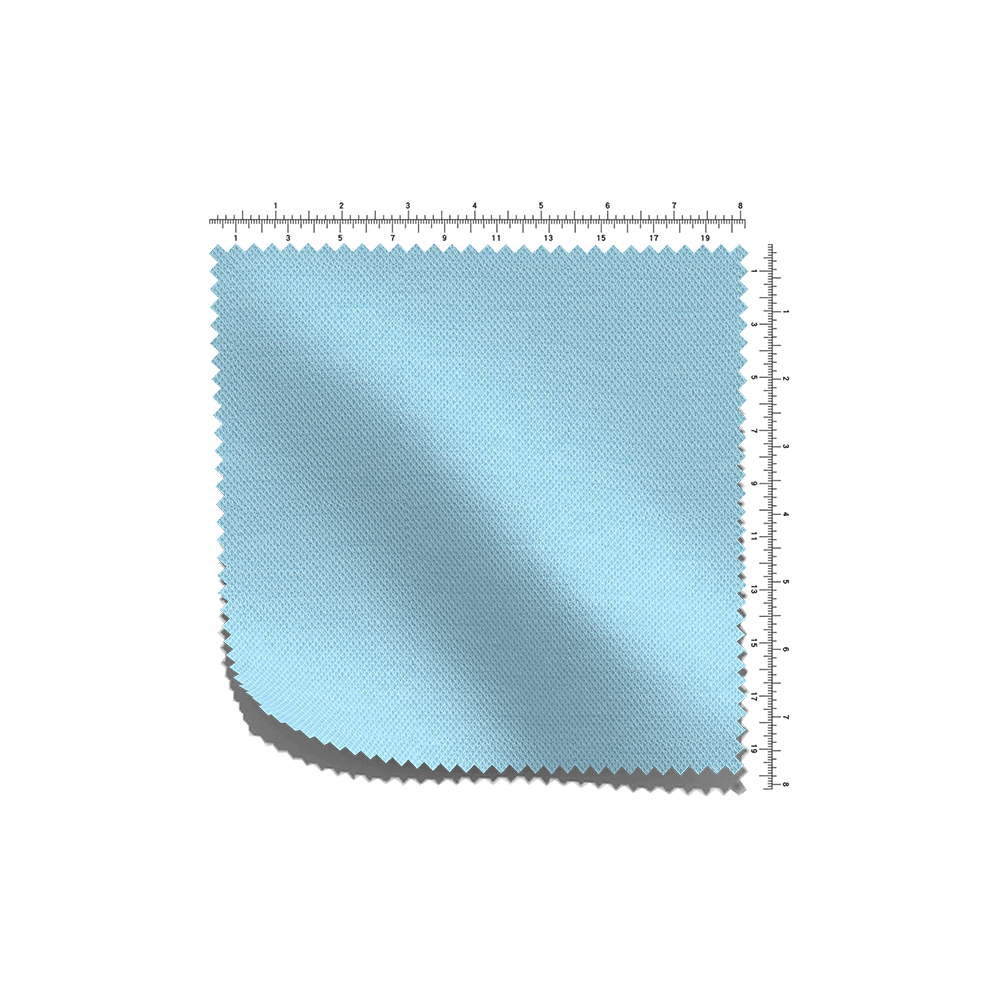 Anti-UV Double Jacquard Polyester-Cotton BlendA heavier double-faced jacquard with recycled polyester, cotton, and Sorona for elasticity, delivering UPF 50+ protection suitable for autumn and winter outerwear and hoodies.View Product →
Frequently Asked Questions About Anti-UV Fabrics
Q1: What is the difference between UPF 50 and UPF 50+?
UPF 50 blocks 98% of UV; UPF 50+ blocks more than 98%, typically in the 98.5% to 99% range. For most adult outdoor apparel, UPF 50 is sufficient. For children, sensitive skin or extreme sun conditions, UPF 50+ gives a stronger safety margin.
Q2: Does anti-UV fabric stop working after washing?
Not if the finish is properly designed. Durable UV absorbers survive dozens of launderings. Surface-only coatings are more sensitive to washing and chlorine. Always ask the mill for UPF retention after a defined number of washes.
Q3: Do dark colours give better UV protection?
All else being equal, dark or deeply dyed shades absorb more UV than white or pastel shades. But fibre, density and UPF finish have a much bigger effect. A dense white polyester jersey can outperform a loosely knit dark cotton fabric.
Q4: Can normal cotton fabric block UV?
Untreated lightweight cotton blocks only a limited amount of UV, especially when wet. To reach meaningful UPF levels, cotton needs a UV-absorbing finish or a denser construction with synthetic fibres. That is why most commercial anti-UV fabrics are polyester or polyester-blended knits.
The Bottom Line for Sourcing Anti-UV Fabrics
Anti-UV fabric is a performance material, not a label. Its genuine benefits: consistent skin protection, comfort for sensitive users, compatibility with active lifestyles and a verifiable standard for your hangtag, come from fibre selection, knitting structure, finishing chemistry and testing discipline.
For sourcing teams, the practical move is to compare wash-durable UPF data, not initial hand-feel or price. A talk with a supplier that controls knitting, dyeing and finishing in the same facility can help you separate real performance from marketing. If you are developing outdoor, children's or occupational apparel, send us your target standard; we can help you select the right base structure and finish.
Don't hesitate to contact when you need us!

Step Ahead.
Nearly 30 years of experience in the textile industry is a valuable advantage of Golden Morning. Welcome to communicate with our team!
Become a Client
 +86-512-52528088
 +86-512-14546515
-
 [email protected]
[email protected] -

Company Address:
NO.218 QingDunTang Road changshu CityJiangsu Province(215500), ChinaFactory Address:
NO.19 Fuchunjiang East Road Southeast Economic Development Zone Changshu Jiangsu, China
