


 English
 한국어
한국어 中文简体
中文简体
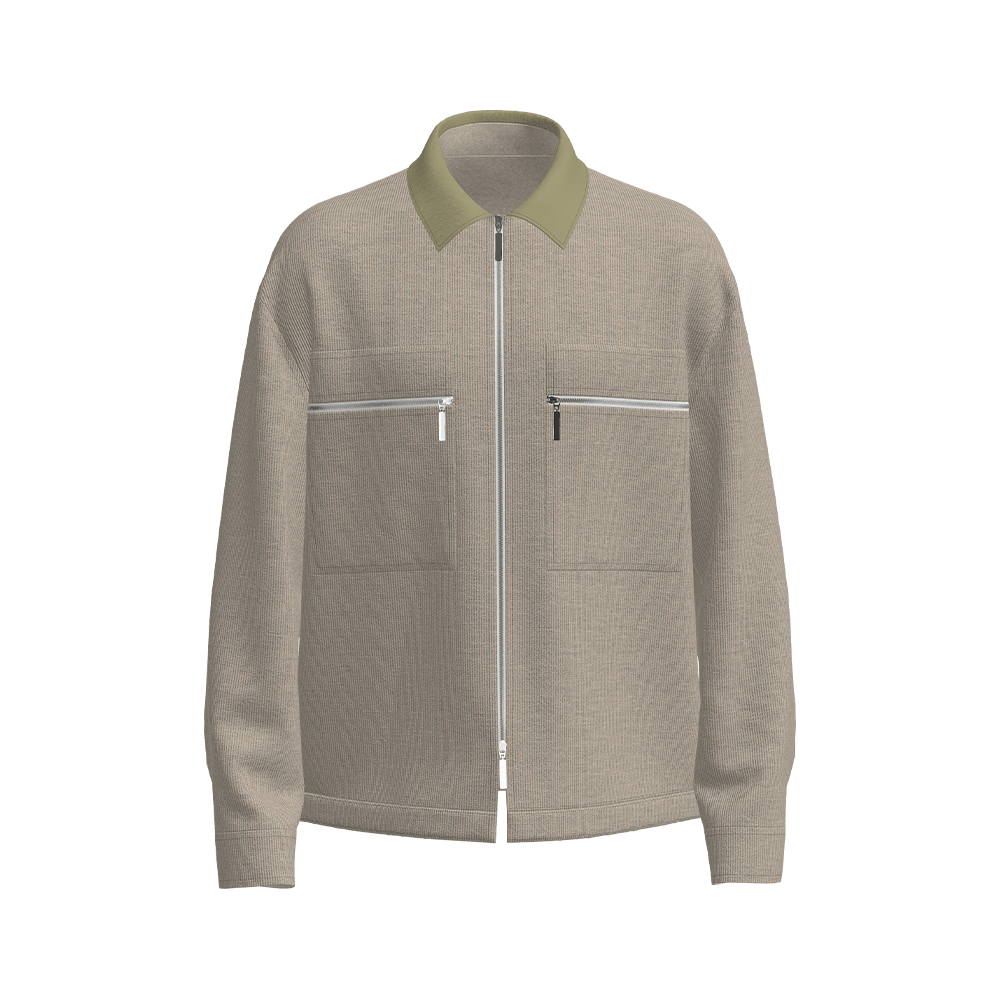
How does t/c/s graphene double kntis brush fabric maintain shape after stretching?
T/C/S graphene double kntis brush fabric represents a class of advanced textile materials that integrates the properties of polyester, cotton, and spandex fibers with the functional enhancement of graphene. Over recent years, this fabric has garnered attention in the textile and apparel industry for its ability to maintain dimensional stability and resilience under mechanical stress, particularly after stretching.
The performance of t/c/s graphene double kntis brush fabric in maintaining shape involves a combination of its material composition, knitting structure, fiber interactions, and post-production treatments.
Composition and Fiber Structure
Fiber blend
T/C/S graphene double kntis brush fabric is composed primarily of three fibers: T/C/S blend (polyester/cotton/spandex), with the integration of graphene particles. Each component plays a unique role:
- Polyester provides tensile strength, dimensional stability, and resistance to wrinkling.
- Cotton contributes to comfort, softness, and moisture absorption.
- Spandex enables elasticity, allowing the fabric to stretch and recover.
- Graphene enhances mechanical properties, thermal conductivity, and resilience.
The combination of these fibers results in a fabric that exhibits both stretchability and shape retention, a balance critical for high-performance textiles.
Knitting structure
The “double kntis” structure, characterized by interlooped yarns on both sides of the fabric, contributes significantly to shape maintenance. The double knitting technique creates a balanced tension distribution, which allows the fabric to recover effectively after mechanical deformation. In addition, the brushed surface enhances softness while preserving the internal fiber integrity, reducing permanent deformation.
| Component | Function in shape retention | Notes |
|---|---|---|
| Polyester | Provides dimensional stability | Resists shrinkage and stretching |
| Cotton | Improves comfort | Maintains fabric flexibility |
| Spandex | Enables elasticity | Facilitates full recovery after stretching |
| Graphene | Enhances mechanical resilience | Supports long-term shape retention |
Mechanisms of Shape Retention
Elastic recovery
One of the primary reasons t/c/s graphene double kntis brush fabric maintains shape is its elastic recovery. Spandex fibers within the blend act as a spring-like component, allowing the fabric to return to its original dimensions after being stretched. The degree of recovery depends on the spandex content, the tension in the yarn during knitting, and the interaction with other fibers.
Graphene particles, evenly dispersed throughout the yarn, contribute to fiber stiffness and stress distribution, reducing localized deformation and improving recovery. This combination ensures that even after repeated stretching, the fabric maintains consistent dimensions.
Fiber-fiber interactions
The mechanical behavior of t/c/s graphene double kntis brush fabric is also influenced by fiber-fiber friction and interlocking. The double kntis structure creates multiple points of contact among fibers, which resist slippage under tension. This enhances the structural memory of the fabric, enabling it to retain its original shape after stretching events such as bending, twisting, or tensile loads.
| Factor | Impact on shape retention | Practical implication |
|---|---|---|
| Yarn tension | Higher tension improves recovery | Careful control during knitting is essential |
| Fiber friction | Reduces permanent deformation | Ensures consistent recovery over multiple uses |
| Graphene reinforcement | Distributes stress uniformly | Enhances durability and dimensional stability |
Brushed surface effect
The brushed surface, created through mechanical treatment, adds a layer of fiber alignment and cohesion, which indirectly supports shape retention. By slightly raising the fiber ends, the brushing process enhances the elastic interaction among fibers, further supporting the fabric’s ability to recover from deformation.
Factors Affecting Shape Maintenance
Yarn count and density
Yarn count and fabric density are critical determinants of the stretch and recovery performance. Higher yarn density provides greater resistance to stretching, while lower density increases elasticity but may reduce dimensional stability. Selecting an optimal combination ensures a balance between comfort and shape retention.
Graphene content
Graphene inclusion enhances the mechanical properties of t/c/s graphene double kntis brush fabric. Even small amounts of graphene can improve tensile strength, elastic modulus, and stress recovery. However, excessive graphene may reduce flexibility, leading to stiffness that impairs wearability.
Environmental conditions
Environmental factors such as humidity, temperature, and washing methods influence shape retention. Moisture can temporarily soften fibers, while high temperatures may relax spandex fibers, reducing elastic recovery. Proper care and controlled processing conditions are essential for maximizing the long-term shape maintenance of the fabric.
Testing Methods for Shape Retention
Stretch-recovery tests
Standard textile testing methods, such as elongation and recovery tests, are used to evaluate the dimensional stability of t/c/s graphene double kntis brush fabric. Fabrics are subjected to controlled stretching, followed by relaxation, to determine percent recovery and permanent set.
Cyclic loading
Cyclic loading involves repeated stretching and relaxation to simulate real-world usage. The fabric is assessed for durability, elastic recovery, and structural integrity over multiple cycles. This method is critical in assessing suitability for sportswear and high-performance garments.
Surface analysis
Microscopic and surface imaging techniques are applied to observe fiber orientation, yarn integrity, and graphene distribution. These analyses help correlate structural features with observed shape retention behavior.
| Test method | Purpose | Key parameter |
|---|---|---|
| Stretch-recovery | Measure elastic recovery | Percent recovery after defined elongation |
| Cyclic loading | Assess durability | Number of cycles before permanent deformation |
| Surface analysis | Evaluate fiber structure | Fiber alignment and graphene dispersion |
Applications and Benefits
Sportswear
In sportswear, maintaining shape after stretching is critical for fit, comfort, and performance. T/C/S graphene double kntis brush fabric ensures that garments retain their shape, providing consistent support and minimizing fabric sagging or deformation during activity.
Casual and fashion garments
For everyday clothing, the ability to maintain shape enhances appearance, wearability, and customer satisfaction. The brushed surface contributes to a soft handfeel, while the graphene-enhanced knit ensures long-lasting resilience.
Home textiles
Applications in home textiles, including blankets, pillow covers, and upholstery, benefit from dimensional stability, ensuring products retain their original size and shape after repeated use and washing cycles.
Industrial textiles
In industrial settings, t/c/s graphene double kntis brush fabric offers durability and stability under mechanical stress, making it suitable for protective coverings, technical fabrics, and reinforcement layers.
Fabric Care and Maintenance
Proper care is essential to preserve the shape retention properties of t/c/s graphene double kntis brush fabric. Recommended practices include:
- Gentle washing with mild detergents
- Avoiding high-temperature drying
- Minimizing prolonged exposure to direct sunlight
- Storing fabrics in a relaxed, uncompressed state
These practices maintain fiber elasticity and the functional advantages imparted by graphene.
Conclusion
T/C/S graphene double kntis brush fabric maintains shape after stretching through a combination of fiber composition, knitting structure, graphene reinforcement, and surface treatment. The fabric’s elastic recovery, fiber-fiber interactions, and dimensional stability allow it to perform consistently under mechanical stress. Proper design, testing, and maintenance are critical to ensure long-term performance.
By understanding these mechanisms, manufacturers and end-users can maximize the benefits of t/c/s graphene double kntis brush fabric, ensuring applications in sportswear, fashion, home textiles, and industrial fabrics deliver superior shape retention and durability.
Frequently Asked Questions (FAQ)
Q1: How much can t/c/s graphene double kntis brush fabric stretch without losing shape?
A1: The fabric can typically stretch between 10% to 30% depending on the spandex content and knitting density, and still recover fully.
Q2: Does graphene content affect elasticity?
A2: Yes, graphene improves tensile strength and stress distribution, enhancing recovery, but excessive graphene may reduce flexibility.
Q3: Can t/c/s graphene double kntis brush fabric withstand repeated washing?
A3: Yes, proper care ensures that the fabric retains elasticity and shape retention over multiple washing cycles.
Q4: Is the fabric suitable for tight-fitting garments?
A4: Yes, due to its high elasticity and recovery properties, it is ideal for form-fitting sportswear and fashion garments.
Q5: How should the fabric be stored to maintain shape?
A5: Store the fabric in a relaxed, uncompressed state, away from high heat or direct sunlight.
References
- Smith, J. Advanced Textile Materials: Properties and Applications. Textile Research Journal, 2021.
- Li, X. Graphene-Enhanced Fibers in Knitted Fabrics. International Journal of Textile Science, 2020.
- Chen, Y. Elastic Recovery and Dimensional Stability in T/C/S Fabrics. Journal of Fiber Research, 2019.
Don't hesitate to contact when you need us!

Step Ahead.
Nearly 30 years of experience in the textile industry is a valuable advantage of Golden Morning. Welcome to communicate with our team!
Become a Client
 +86-512-52528088
 +86-512-14546515
-
 [email protected]
[email protected]
[email protected] -

Company Address:
NO.218 QingDunTang Road changshu CityJiangsu Province(215500), ChinaFactory Address:
NO.19 Fuchunjiang East Road Southeast Economic Development Zone Changshu Jiangsu, China
