


 English
 한국어
한국어 中文简体
中文简体
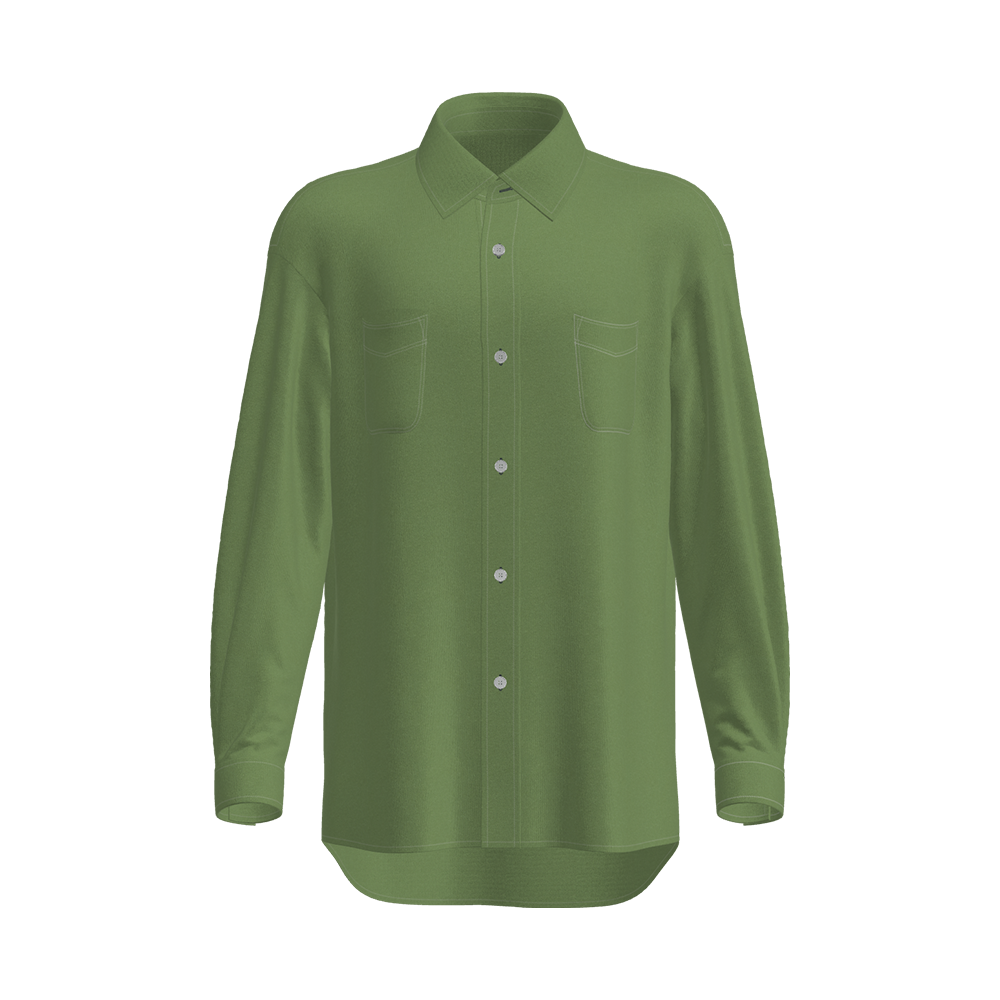
What types of dyes work best for t moisture wicking single jersey fabric?
T moisture wicking single jersey fabric has gained significant attention in the textile industry due to its ability to manage moisture, provide comfort, and maintain performance in activewear and technical apparel. One critical factor in the production and finishing of this fabric is dyeing, which not only impacts the visual appeal but also influences the fabric’s functional properties, such as moisture management, breathability, and durability. Choosing the appropriate dye types is essential to ensure that the t moisture wicking single jersey fabric maintains its performance characteristics while achieving the desired aesthetic effect.
Understanding t moisture wicking single jersey fabric properties
T moisture wicking single jersey fabric is characterized by a lightweight, smooth texture and a single-layer knit construction, which allows effective moisture transfer from the skin to the fabric surface for faster evaporation. Its fiber composition can vary, commonly including polyester, PET, nylon, cotton blends, or synthetic-hybrid fibers. Each fiber type presents unique challenges and opportunities for dyeing:
- Polyester-based fabrics: Hydrophobic by nature, polyester requires disperse dyes for effective coloration.
- Cotton and natural blends: More hydrophilic, these fabrics respond well to reactive dyes and vat dyes.
- Blended fibers: Require careful selection of dye systems to ensure uniform color without compromising the wicking ability.
The moisture management property of this fabric is highly sensitive to finishing processes, meaning that improper dye selection or application can impair the fabric’s functional characteristics.
Common dye types for t moisture wicking single jersey fabric
Selecting the appropriate dye for t moisture wicking single jersey fabric depends on fiber composition, end-use requirements, and desired colorfastness. The following table summarizes the most commonly used dye types:
| Dye type | Suitable fiber | Advantages | Considerations |
|---|---|---|---|
| Disperse dyes | Polyester, PET, synthetic fibers | High colorfastness, vibrant shades | Requires high temperature, careful control to prevent migration |
| Reactive dyes | Cotton, viscose, natural blends | Strong fiber-fiber bond, bright colors | Sensitive to pH, may affect fabric hand if overused |
| Acid dyes | Nylon, protein-based fibers | Excellent penetration, good fastness | Requires precise pH control, may reduce elasticity |
| Vat dyes | Cotton, blends | High wash and light fastness, durable | Complex application, requires reduction and oxidation steps |
| Sulfur dyes | Cotton, cellulosic blends | Economical, suitable for dark shades | Limited brightness, can affect softness |
Note: Each dye type interacts differently with t moisture wicking single jersey fabric, and the chosen system should not compromise the fabric’s wicking performance.
Factors influencing dye selection
Several factors must be considered to determine the optimal dye type for t moisture wicking single jersey fabric:
- Fiber composition: Polyester requires disperse dyes, while natural fibers like cotton require reactive dyes. Blends may need combination dye systems.
- Moisture management requirements: Dyes and associated chemicals must not form a coating that hinders wicking.
- Colorfastness expectations: Depending on the intended use (e.g., sportswear, uniforms), the fabric must resist washing, perspiration, and sunlight exposure.
- Processing temperature: High-temperature dyeing may affect knit structure, elasticity, and hand feel.
- Sustainability considerations: Eco-friendly dyes, low-water consumption processes, and reduced chemical load are increasingly important in technical fabrics.
These factors highlight the importance of balancing aesthetics with performance in dyeing t moisture wicking single jersey fabric.
Dyeing methods suitable for t moisture wicking single jersey fabric
The dyeing method plays a significant role in ensuring uniform color and maintaining moisture-wicking functionality. Common dyeing techniques include:
- High-temperature dyeing: Often used for polyester with disperse dyes, providing deep penetration and colorfastness.
- Pad dyeing: Continuous method suitable for blended knits, offering efficient processing and reduced water use.
- Exhaust dyeing: Traditional batch method, ideal for cotton or natural fiber blends.
- Digital printing: Allows targeted coloration while preserving fabric breathability and texture.
- Solution dyeing (dope dyeing): Fibers are colored before extrusion, offering excellent colorfastness and minimal impact on wicking properties.
| Dyeing method | Suitable fibers | Pros | Cons |
|---|---|---|---|
| High-temperature | Polyester, PET | Excellent penetration, uniform color | Energy-intensive |
| Pad | Blends, knits | Efficient, less water | Requires precise chemical control |
| Exhaust | Cotton, viscose | Uniformity, proven method | Longer processing time |
| Digital | Polyester, cotton blends | Patterned designs, minimal waste | Requires high-quality inks, limited industrial scale |
| Solution | Polyester, synthetic | High fastness, sustainable | Limited color flexibility |
Post-dyeing finishing and functional preservation
After the dyeing process, t moisture wicking single jersey fabric requires appropriate finishing to maintain moisture management, durability, and aesthetic quality. Post-dyeing treatments may include:
- Softening finishes: To preserve the fabric’s smooth hand feel while ensuring that moisture transfer properties remain intact.
- Anti-pilling and anti-shrink treatments: These are especially important for knits, preventing distortion and maintaining fabric longevity.
- Heat-setting: For synthetic fibers like polyester, heat-setting stabilizes the knit structure and reduces post-dyeing shrinkage.
- Water-repellent coatings: Certain applications may require selective hydrophobic treatments, which should not obstruct wicking channels within the fabric.
It is essential that any chemical finish applied after dyeing does not interfere with the wicking functionality. Improper post-treatment can lead to reduced breathability, slower moisture transfer, and diminished comfort for the end user.
Impact of dye type and color intensity on fabric performance
The choice of dye and the depth of shade can affect several performance aspects of t moisture wicking single jersey fabric:
- Dark shades: May absorb more heat under sunlight, which can slightly influence the perceived cooling effect of the fabric.
- Light shades: Often easier to achieve with reactive dyes on cotton blends and tend to show less dye bleeding during washing.
- Deep or intensive colors: Require longer fixation times, potentially affecting fabric hand and elasticity if not carefully controlled.
Manufacturers must consider color consistency, fastness, and functional integrity when selecting dyes. Balancing aesthetic requirements with performance ensures that the t moisture wicking single jersey fabric remains suitable for sportswear, casual apparel, and technical garments.
Special considerations for blended fibers
Blended fabrics present unique challenges in dyeing. Common blends include polyester-cotton, nylon-spandex, and other synthetic-natural combinations. For t moisture wicking single jersey fabric, blend-specific factors include:
- Differential dye uptake: Synthetic and natural fibers often absorb dyes at different rates. Using a combination of dye types or a cross-compatible dye system ensures uniform coloration.
- Moisture transfer channels: Careful attention must be paid to wicking efficiency, ensuring that dye molecules do not block capillary pathways.
- Elastic fibers: Incorporating spandex or elastane requires low-impact dyeing techniques to maintain stretch and recovery properties.
By optimizing dye type selection and application conditions, manufacturers can preserve t moisture wicking single jersey fabric’s performance while achieving uniform and vibrant coloration.
Environmental and sustainability considerations
Sustainability is increasingly critical in the textile industry. Choosing the right dye for t moisture wicking single jersey fabric involves environmental considerations:
- Low-impact dyes: These dyes require less water and energy while reducing chemical residues in effluents.
- Digital and solution dyeing: Minimize water use and reduce textile waste.
- Recyclable fibers: Dyeing processes should facilitate future recycling without introducing pollutants that complicate fiber recovery.
Adopting sustainable dyeing practices helps meet regulatory standards, supports eco-conscious consumers, and maintains the functional qualities of t moisture wicking single jersey fabric.
Recommended industry practices
To optimize dyeing results for t moisture wicking single jersey fabric, industry professionals often follow these best practices:
- Conduct small-scale pilot tests to verify color consistency and functional retention.
- Use pre-treatment methods to remove oils, sizing agents, or contaminants that may affect dye uptake.
- Adjust dye concentration, temperature, and pH to match the fiber type and blend ratio.
- Monitor moisture-wicking performance after dyeing using standard testing methods to ensure compliance with specifications.
- Employ quality control measures for colorfastness, shrinkage, and hand feel.
These steps help ensure that t moisture wicking single jersey fabric retains both its functional and aesthetic performance in final applications.
Application examples and end-use guidance
T moisture wicking single jersey fabric is widely used in the following applications:
- Sportswear and activewear: Requires vibrant, fast-drying, and breathable fabrics.
- Casual clothing: Focus on comfort and color retention after repeated washes.
- Technical and performance apparel: Includes uniforms, outdoor gear, and layered garments where moisture management is critical.
- Medical and wellness textiles: Fabrics that come in contact with skin must maintain hygienic properties and prevent moisture accumulation.
Understanding dye compatibility and post-treatment requirements ensures that the fabric maintains performance across diverse applications.
Conclusion
Selecting the appropriate dyes for t moisture wicking single jersey fabric is a complex task that requires consideration of fiber composition, functional performance, colorfastness, environmental impact, and processing conditions. Disperse, reactive, acid, vat, and sulfur dyes each offer specific advantages and limitations, and their application must be carefully tailored to preserve wicking efficiency and fabric durability.
FAQ
Q1: Can t moisture wicking single jersey fabric be dyed with multiple colors in one process?
Yes, t moisture wicking single jersey fabric can be dyed in multiple colors using digital printing or careful sequential dyeing techniques. Proper testing is required to prevent color bleeding and maintain wicking functionality.
Q2: How can I ensure colorfastness for t moisture wicking single jersey fabric?
Use dyes compatible with the fiber type, follow controlled temperature and pH conditions, and implement post-dyeing finishing treatments to enhance color stability against washing, light, and perspiration.
Q3: Are eco-friendly dyes suitable for t moisture wicking single jersey fabric?
Yes, low-impact and solution dyes can provide sufficient colorfastness while preserving the fabric’s moisture-wicking properties and supporting sustainability goals.
Q4: Does deep coloring affect t moisture wicking single jersey fabric performance?
Intensive colors may require longer fixation, but if properly managed, they do not significantly reduce wicking performance. Careful monitoring of temperature and finishing is necessary.
Q5: Can blended fibers be dyed uniformly in t moisture wicking single jersey fabric?
Yes, by using cross-compatible dye systems and controlled processing conditions, uniform coloration can be achieved while preserving the fabric’s breathability and stretch.
References
- Smith, J., & Wang, L. (2021). Technical textiles: Performance and finishing of moisture-wicking fabrics. Textile Research Journal, 91(4), 456–472.
- Brown, T. (2020). Dyeing and finishing of synthetic and blended knit fabrics. Journal of Applied Polymer Science, 137(12), 489–503.
- Miller, R., & Chen, H. (2019). Sustainable dyeing processes for technical textiles. International Journal of Clothing Science, 27(2), 112–130.
Don't hesitate to contact when you need us!

Step Ahead.
Nearly 30 years of experience in the textile industry is a valuable advantage of Golden Morning. Welcome to communicate with our team!
Become a Client
 +86-512-52528088
 +86-512-14546515
-
 [email protected]
[email protected]
[email protected] -

Company Address:
NO.218 QingDunTang Road changshu CityJiangsu Province(215500), ChinaFactory Address:
NO.19 Fuchunjiang East Road Southeast Economic Development Zone Changshu Jiangsu, China
