


 English
 한국어
한국어 中文简体
中文简体
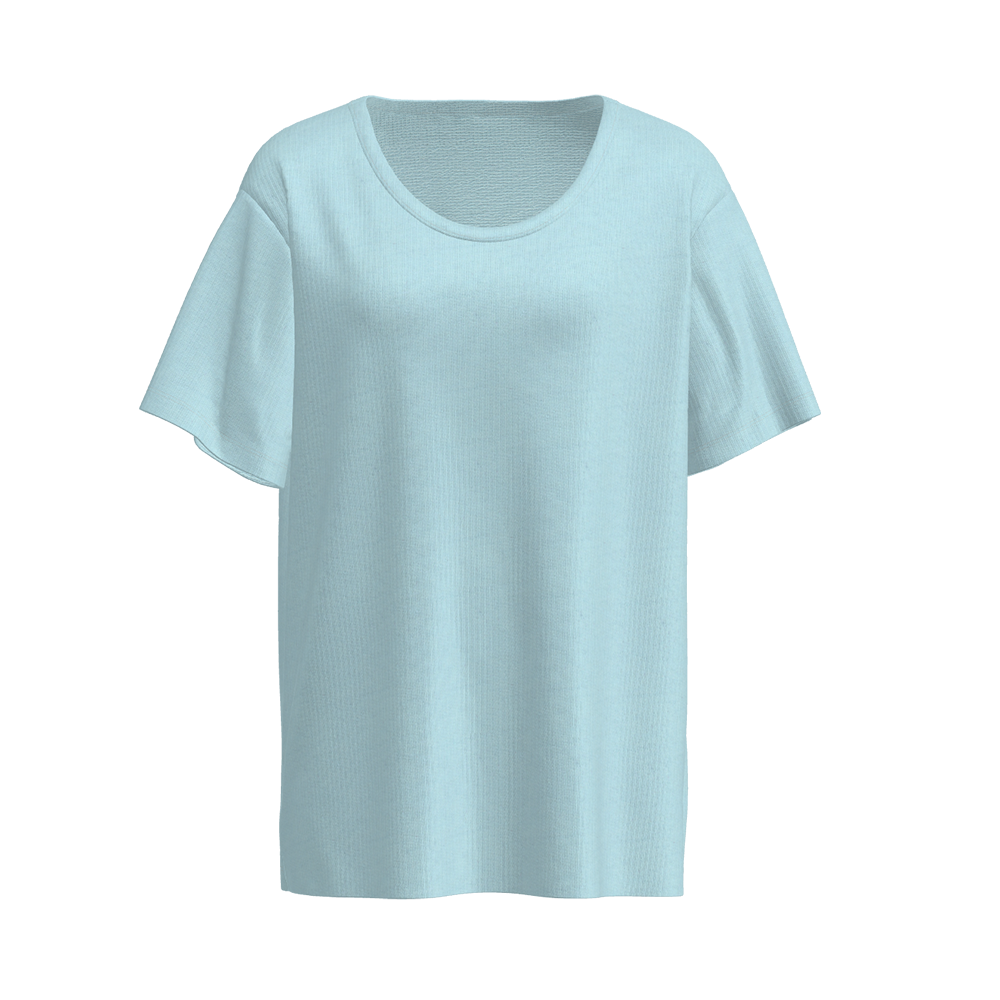
Can c/m/s cooling french terry fabric be printed on?
C/M/S Cooling French Terry Fabric has gained significant attention in the textile industry due to its unique properties, including breathability, moisture-wicking performance, and comfort. As fashion and functional apparel increasingly embrace customization, the question arises: can c/m/s cooling french terry fabric be printed on?
Overview of c/m/s cooling french terry fabric
C/M/S Cooling French Terry Fabric is a knitted textile commonly used for activewear, loungewear, and summer garments. Its structure features a looped backside and a smooth face, enabling a combination of softness and cooling effects. The fabric is often composed of cotton blends, polyester fibers, and advanced cooling materials, providing lightweight comfort, elasticity, and thermal regulation.
Table 1 illustrates the typical characteristics of c/m/s cooling french terry fabric:
| Property | Typical Range | Implication for Printing |
|---|---|---|
| GSM (grams per square meter) | 180–320 | Moderate thickness supports most printing methods |
| Fiber composition | Cotton 50–70%, Polyester/other 30–50% | Fiber blend affects ink adhesion and color vibrancy |
| Loop structure | Looped back, smooth face | Smooth face preferred for direct printing techniques |
| Stretch | 5–15% | Elasticity can affect print stability and cracking |
| Moisture wicking | High | Ensures comfort but may influence ink absorption |
The structure and composition of c/m/s cooling french terry fabric create unique considerations for printing, particularly regarding adhesion, color retention, and durability.
Printing methods suitable for c/m/s cooling french terry fabric
Printing on c/m/s cooling french terry fabric requires methods that respect the fabric’s looped construction and moisture-management properties. The primary techniques include:
Screen printing
Screen printing is widely used for knitted textiles, offering strong color saturation. On c/m/s cooling french terry fabric, plastisol inks are preferred due to their flexibility and opacity. Important considerations include:
- Ensuring proper tension on the fabric to prevent distortion during printing.
- Using soft mesh screens to accommodate the fabric’s texture.
- Employing curing methods compatible with polyester or blended fibers.
Digital printing
Digital printing provides high-resolution designs and is ideal for complex patterns or small batches. Key factors include:
- Fabric pre-treatment to enhance ink adhesion and color vibrancy.
- Adjusting printer settings for knit stretch and absorption characteristics.
- Selection of pigment-based inks for cotton-rich blends or sublimation inks for polyester-heavy compositions.
Heat transfer printing
Heat transfer printing allows precise designs with minimal setup. Considerations for c/m/s cooling french terry fabric:
- Using low-temperature transfer films to prevent fiber damage.
- Applying uniform pressure to avoid distortion of looped surfaces.
- Selecting heat-resistant inks that do not compromise moisture-wicking properties.
Table 2 compares printing methods for c/m/s cooling french terry fabric:
| Printing Method | Advantages | Limitations | Recommended Fiber Composition |
|---|---|---|---|
| Screen printing | Durable, vivid colors | Can crack on high-stretch areas | Cotton-rich blends |
| Digital printing | High-resolution, low setup | Ink penetration may vary | Balanced cotton/poly blends |
| Heat transfer | Precise, versatile designs | Less breathable if over-applied | Polyester-rich blends |
Factors affecting print quality
Several variables impact how well c/m/s cooling french terry fabric can be printed:
Fiber composition
- Cotton-dominant fabrics absorb inks better, resulting in vivid colors.
- Polyester or synthetic fibers require specialized inks or pre-treatment to achieve adhesion.
Fabric weight and texture
- Heavier GSM fabrics provide a more stable surface, reducing ink bleed.
- The looped backside can interfere with uniform pressure application in heat transfer or screen printing.
Stretch and elasticity
- Fabrics with high stretch percentages may cause cracking or distortion in printed areas.
- Incorporating stretch-compatible inks mitigates these issues.
Moisture-wicking properties
- High-performance c/m/s cooling french terry fabric may resist ink penetration.
- Pre-treatment or priming the surface can enhance color fastness and uniformity.
Design considerations
Designing for printing on c/m/s cooling french terry fabric requires attention to pattern size, color density, and placement:
- Avoid dense, large-scale prints on high-stretch zones.
- Consider edge areas and seams where looped surfaces may distort patterns.
- Use layered designs cautiously to prevent stiffness and preserve fabric breathability.
Post-printing treatment
Proper finishing enhances durability, washability, and color retention:
- Curing or heat-setting according to the ink manufacturer’s guidelines.
- Gentle washing to preserve print integrity and looped fabric structure.
- Avoiding high-heat drying for polyester-rich blends to prevent shrinkage or deformation.
Industry applications
Printing on c/m/s cooling french terry fabric has practical applications in various sectors:
- Activewear: Custom logos, team branding, and pattern integration.
- Fashion apparel: Seasonal collections featuring intricate designs or multi-color graphics.
- Promotional garments: Corporate giveaways and merchandise items.
- Home textiles: Lightweight blankets and lounge sets with decorative motifs.
Limitations and challenges
Despite its versatility, printing on c/m/s cooling french terry fabric faces several challenges:
- Color vibrancy may vary across fiber blends.
- High-stretch areas are prone to print cracking.
- Looped texture can affect ink penetration, requiring surface pre-treatment.
- Excessive heat during curing or transfer can compromise fabric cooling properties.
Addressing these challenges involves selecting appropriate inks, adjusting printing parameters, and conducting pre-production trials.
Quality control considerations
To ensure reliable outcomes, industry professionals follow these procedures:
- Sample printing: Testing small swatches to evaluate ink adhesion and color fidelity.
- Wash tests: Assessing durability and resistance to fading or bleeding.
- Stretch and abrasion tests: Verifying print stability under movement.
- Color fastness evaluation: Checking resistance to light, perspiration, and friction.
Conclusion
Printing on c/m/s cooling french terry fabric is feasible with careful attention to fiber composition, fabric structure, ink selection, and printing technique. Proper planning ensures high-quality, durable prints that maintain the fabric’s inherent comfort and cooling performance. Both traditional and modern printing methods can be adapted to accommodate the unique properties of this fabric type, enabling customization for apparel, promotional products, and home textiles.
FAQ
Q1: Can c/m/s cooling french terry fabric be screen printed with vibrant colors?
Yes, screen printing with plastisol or water-based inks is effective, particularly on cotton-rich blends, providing strong color saturation and durability.
Q2: Is digital printing suitable for polyester-heavy c/m/s cooling french terry fabric?
Yes, sublimation-based digital printing works well on polyester-dominant fabrics, ensuring high-resolution, long-lasting designs.
Q3: Does printing affect the cooling properties of c/m/s cooling french terry fabric?
Excessive ink or heat can slightly reduce breathability, but careful technique and minimal ink coverage preserve the fabric’s moisture-wicking and cooling properties.
Q4: Can heat transfer designs crack on c/m/s cooling french terry fabric?
Yes, high-stretch areas are prone to cracking. Using stretch-compatible heat transfer films and applying uniform pressure mitigates this risk.
Q5: How should printed c/m/s cooling french terry fabric be washed?
Gentle washing in cold water and air-drying is recommended to maintain print integrity and fabric structure. Avoid high heat drying, especially for polyester-rich blends.
References
- Textile World. Printing techniques for knitted fabrics. 2022.
- Fabric Innovation Journal. Performance properties of cooling french terry textiles. 2021.
- International Textile Research. Ink adhesion and printing methods for blended fabrics. 2020.
Don't hesitate to contact when you need us!

Step Ahead.
Nearly 30 years of experience in the textile industry is a valuable advantage of Golden Morning. Welcome to communicate with our team!
Become a Client
 +86-512-52528088
 +86-512-14546515
-
 [email protected]
[email protected]
[email protected] -

Company Address:
NO.218 QingDunTang Road changshu CityJiangsu Province(215500), ChinaFactory Address:
NO.19 Fuchunjiang East Road Southeast Economic Development Zone Changshu Jiangsu, China
