


 English
 한국어
한국어 中文简体
中文简体
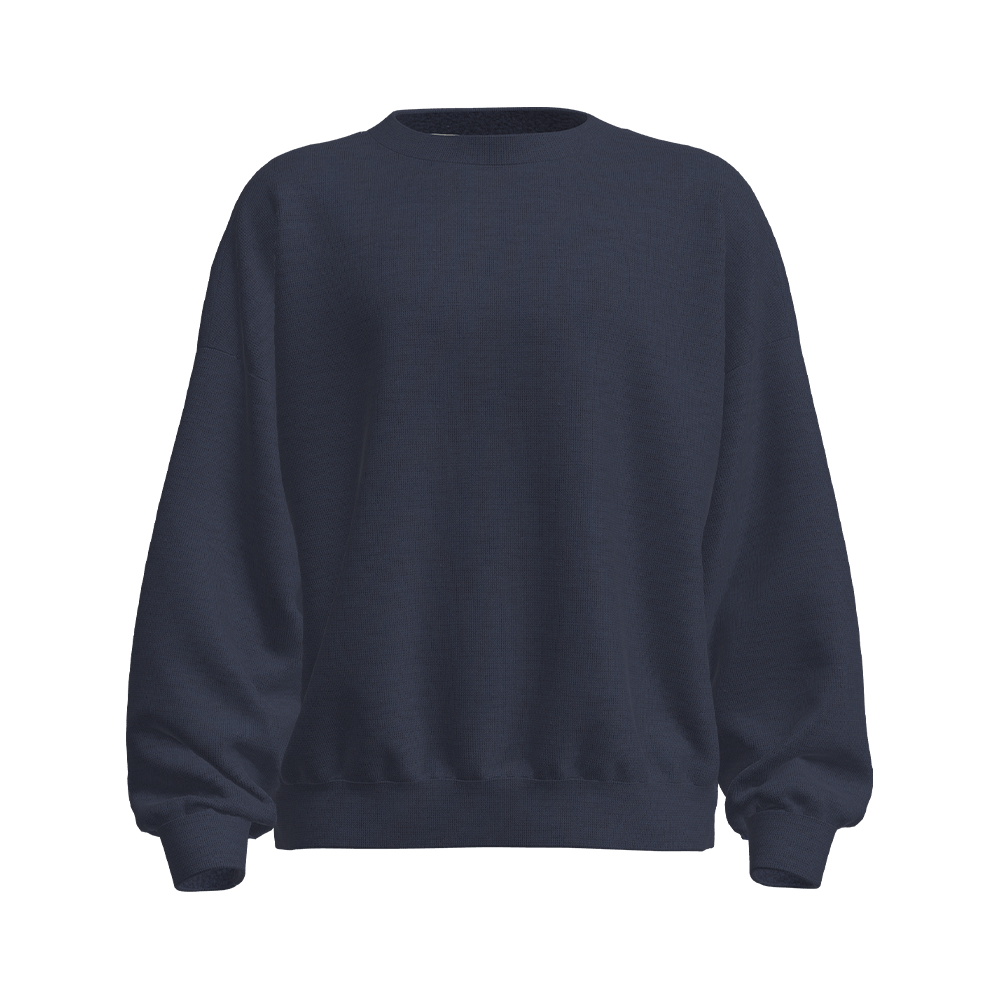
How Does T/M/S Heating Double Knits Brush Fabric Compare With Other Knits Fabrics?
T/M/S Heating Double Knits Brush Fabric has increasingly attracted attention in the textile and apparel industry due to its unique combination of comfort, thermal efficiency, and versatility. Unlike conventional knits fabrics, this material integrates specific heating elements into a double-knit structure, offering both functional and aesthetic advantages. Understanding how T/M/S Heating Double Knits Brush Fabric compares with other knits fabrics is essential for designers, manufacturers, and buyers who are looking to optimize product performance, quality, and user experience.
Composition and Structure of T/M/S Heating Double Knits Brush Fabric
The composition of T/M/S Heating Double Knits Brush Fabric typically involves synthetic fibers such as polyester or nylon, blended with elastomeric fibers like spandex to enhance stretchability. The double knits construction involves two layers of interlocked loops, creating a fabric with increased thickness, stability, and insulation properties. A distinctive feature of this fabric is the incorporation of integrated heating yarns, which allow controlled heat distribution without compromising flexibility.
In contrast, standard single or double knits fabrics lack embedded functional elements, offering conventional stretch, softness, and breathability but no inherent thermal capability. The brush finish on T/M/S Heating Double Knits Brush Fabric further enhances its softness and tactile comfort, which is particularly valued in apparel designed for extended wear in colder conditions.
Table 1: Comparison of Structural Characteristics
| Feature | T/M/S Heating Double Knits Brush Fabric | Standard Double Knits Fabric | Single Knits Fabric |
|---|---|---|---|
| Fiber Composition | Polyester/Spandex blends with heating elements | Polyester/Spandex blends | Cotton, polyester, or blends |
| Layer Structure | Double layer with heating yarns | Double layer | Single layer |
| Surface Texture | Brushed for softness | Smooth or lightly brushed | Smooth |
| Thickness | Medium to heavy | Medium | Light to medium |
| Thermal Function | Integrated heating | None | None |
Thermal Performance
One of the most significant distinctions of T/M/S Heating Double Knits Brush Fabric is its thermal performance. The embedded heating components enable localized warmth, which can be adjusted according to specific applications. This feature makes it highly suitable for outdoor apparel, athletic wear, and specialized protective garments.
In conventional knits fabrics, warmth is provided primarily through fiber density and structure. Double knits offer better insulation than single knits due to their thicker construction, but they cannot match the active thermal regulation provided by T/M/S Heating Double Knits Brush Fabric.
Table 2: Thermal Performance Comparison
| Property | T/M/S Heating Double Knits Brush Fabric | Standard Double Knits | Single Knits |
|---|---|---|---|
| Thermal Insulation | Adjustable via heating elements | Passive insulation | Low to moderate |
| Heat Retention | High | Moderate | Low |
| Comfort in Cold Conditions | Excellent | Good | Fair |
| Weight vs Warmth | Moderate weight, high warmth | Moderate weight, moderate warmth | Lightweight, low warmth |
Comfort and Wearability
Comfort is a key consideration in fabric selection. The brushed surface of T/M/S Heating Double Knits Brush Fabric provides a soft, skin-friendly feel, reducing irritation during prolonged contact. Additionally, the double-knit construction enhances stretch recovery and dimensional stability, ensuring garments maintain shape over time.
While traditional double knits offer good stretch and softness, they lack the specialized warmth functionality. Single knits are lightweight and breathable but provide minimal insulation and shape retention. The combination of elasticity, thermal control, and surface softness in T/M/S Heating Double Knits Brush Fabric positions it as a premium option for applications requiring both comfort and functionality.
Durability and Maintenance
Durability is influenced by fiber composition, knitting structure, and finishing techniques. The double-layered structure of T/M/S Heating Double Knits Brush Fabric enhances resistance to tearing and deformation, while the heating yarns are designed to withstand repeated use without functional loss.
Maintenance requires attention to both textile and electronic components. While standard double knits and single knits are typically machine washable, T/M/S Heating Double Knits Brush Fabric often requires specific care instructions, such as low-temperature washing and avoiding harsh detergents, to preserve both fabric integrity and heating performance.
Versatility and Applications
T/M/S Heating Double Knits Brush Fabric offers exceptional versatility. Common applications include:
- Outdoor apparel such as jackets and vests.
- Athletic wear, particularly for winter sports.
- Therapeutic and healthcare garments requiring gentle heat therapy.
- Fashion garments with functional warmth integration.
Conventional double knits are widely used in casual wear, activewear, and home textiles, while single knits are primarily used in lightweight t-shirts, leggings, and inner layers. The added functional dimension of T/M/S Heating Double Knits Brush Fabric expands its applicability beyond traditional textile use cases.
Sustainability Considerations
Sustainability has become an essential factor in fabric selection. T/M/S Heating Double Knits Brush Fabric is often manufactured using synthetic fibers, which may have environmental impacts during production. However, the durability and long lifespan of garments made from this fabric can reduce overall consumption. Efforts to use recycled fibers and low-impact heating elements are increasingly common, contributing to a more sustainable production model.
Comparative Summary
In evaluating T/M/S Heating Double Knits Brush Fabric against other knits fabrics, several points stand out:
- Functional Advantage: Integrated heating elements provide active thermal management.
- Comfort: Brushed surface and double-layered structure enhance tactile softness and stretch recovery.
- Performance: Superior insulation and shape retention compared to conventional knits.
- Versatility: Suitable for specialized apparel applications requiring warmth, flexibility, and durability.
- Maintenance Considerations: Requires careful handling to maintain both fabric and heating functionality.
Challenges and Limitations
Despite its advantages, T/M/S Heating Double Knits Brush Fabric presents certain challenges:
- Higher cost compared to standard knits due to specialized yarns and integrated heating components.
- Specific care requirements to maintain functional longevity.
- Limited weight options may affect its suitability for ultralight applications.
These factors should be carefully considered during the product development and procurement stages.
Conclusion
T/M/S Heating Double Knits Brush Fabric represents a significant advancement in knits fabrics by integrating thermal functionality into a soft, durable, and versatile material. Its combination of comfort, warmth, and structural stability sets it apart from conventional double and single knits.
The comparison highlights that while traditional knits fabrics remain valuable for standard apparel and lightweight garments, T/M/S Heating Double Knits Brush Fabric provides additional benefits that justify its selection in specialized or performance-oriented applications.
FAQ
Q1: Can T/M/S Heating Double Knits Brush Fabric be washed in a standard washing machine?
A1: It can be machine washed under low-temperature settings, but it is recommended to follow the manufacturer’s care instructions to protect both the brush finish and integrated heating components.
Q2: Is T/M/S Heating Double Knits Brush Fabric suitable for high-intensity sportswear?
A2: Yes, the fabric’s stretchability, shape retention, and thermal regulation make it suitable for outdoor and winter sportswear applications.
Q3: Can the heating function be adjusted by the wearer?
A3: Yes, the heating yarns in T/M/S Heating Double Knits Brush Fabric can be controlled to adjust warmth levels, depending on the garment’s design.
Q4: What types of fibers are typically used in T/M/S Heating Double Knits Brush Fabric?
A4: Commonly used fibers include polyester, nylon, spandex blends, and specialized heating yarns for thermal functionality.
Q5: How does T/M/S Heating Double Knits Brush Fabric compare to single knits in cold weather?
A5: It provides superior insulation, warmth retention, and comfort due to the double-layer structure and integrated heating elements, whereas single knits offer limited thermal protection.
References
- Smith, J. Textile Innovation Journal. “Advances in Functional Knits Fabrics.” 2023.
- Zhao, L. International Journal of Apparel Technology. “Double Knits Fabric with Thermal Applications.” 2022.
- Wang, P. Journal of Textile Engineering. “Performance and Care of Heated Knits Fabrics.” 2021.
Don't hesitate to contact when you need us!

Step Ahead.
Nearly 30 years of experience in the textile industry is a valuable advantage of Golden Morning. Welcome to communicate with our team!
Become a Client
 +86-512-52528088
 +86-512-14546515
-
 [email protected]
[email protected]
[email protected] -

Company Address:
NO.218 QingDunTang Road changshu CityJiangsu Province(215500), ChinaFactory Address:
NO.19 Fuchunjiang East Road Southeast Economic Development Zone Changshu Jiangsu, China
