


 English
 한국어
한국어 中文简体
中文简体
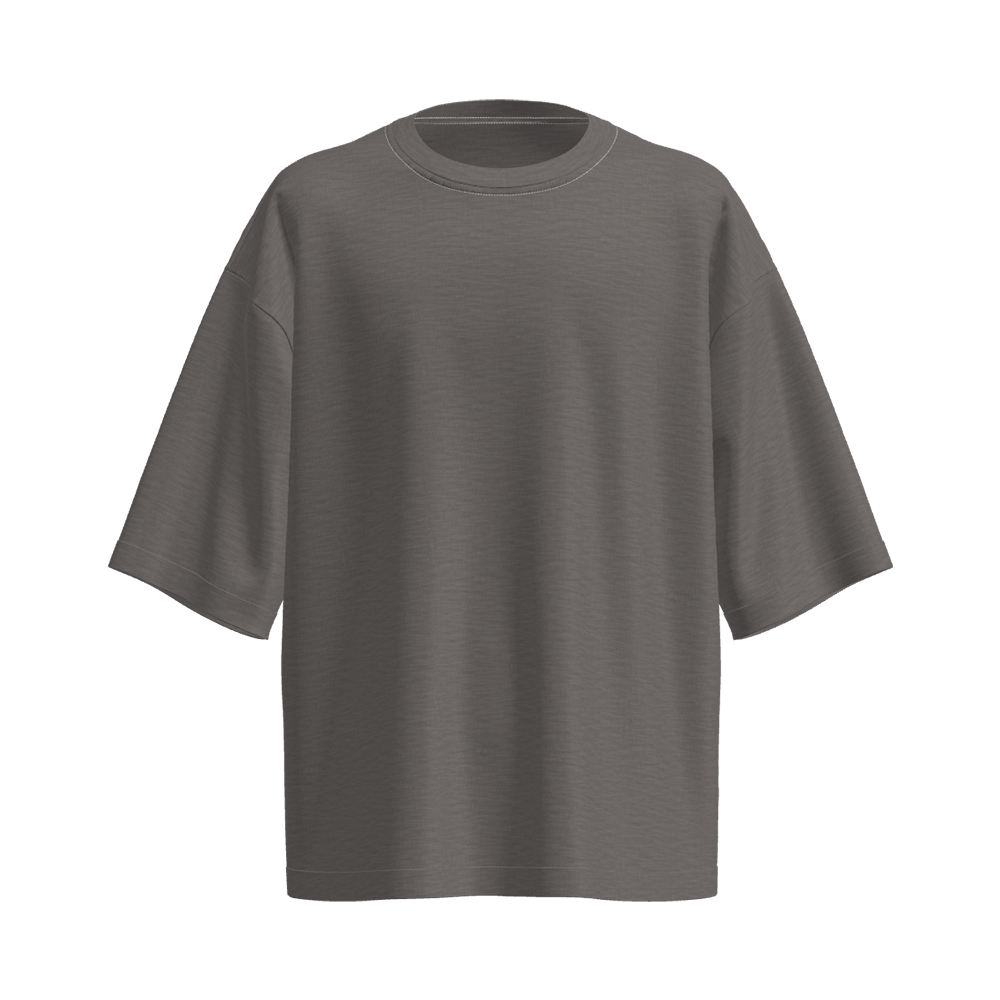
What is Jersey Fabric: Properties, How its Made and Where
What Is Jersey Fabric?
Jersey fabric is a knitted textile characterized by its single-knit construction, natural stretch, and soft drape. Originally made from wool and produced on the Isle of Jersey, it is today manufactured from a wide range of fibers including cotton, polyester, rayon, and blends. The defining feature of jersey is its interlocking loop structure, which gives it horizontal and vertical stretch without the use of spandex or elastic threads.
Jersey is one of the most widely used fabrics in the apparel industry. It appears in everyday T-shirts, athletic wear, dresses, underwear, and baby clothing. Its popularity stems from its comfort, versatility, and ease of care.
Key Properties of Jersey Fabric
Understanding the core properties of jersey fabric helps explain why it is so widely adopted across garment categories.
| Property | Description |
|---|---|
| Stretch | 2-way or 4-way stretch depending on construction |
| Weight | Typically 120–220 gsm (grams per square meter) |
| Breathability | High, especially in cotton and modal varieties |
| Softness | Smooth face side; slightly textured reverse side |
| Drape | Fluid and body-conforming |
| Durability | Moderate; prone to pilling with lower-quality fibers |
| Moisture Management | Good absorption in natural fiber versions |
Jersey fabric does not fray at cut edges, which simplifies garment construction. However, raw edges tend to curl, which is a known challenge for sewers and garment manufacturers working with lightweight jersey.
How Jersey Fabric Is Made
Knitting Process
Jersey fabric is produced using a weft knitting technique, where a continuous yarn is looped horizontally across the fabric width. Unlike woven fabrics, which interlace two sets of yarns at right angles, jersey is formed by a single yarn creating interconnected loops row by row.
The most common machines used are circular knitting machines, which produce a seamless tube of fabric. This tubular fabric is then cut open and finished as flat yardage. Industrial circular knitting machines can operate at speeds of over 1 million stitches per minute, enabling high-volume production.
Fiber Preparation and Yarn Spinning
Before knitting, raw fibers are cleaned, carded, and spun into yarn. The yarn count (measured in Ne or Nm) directly affects the fabric's weight and hand feel. Finer yarns produce lighter, smoother jersey; thicker yarns result in heavier, more textured fabric.
Finishing
After knitting, jersey fabric undergoes finishing processes including:
- Bleaching or dyeing (reactive dyes for cotton, disperse dyes for polyester)
- Softening treatments to enhance hand feel
- Compacting or sanforizing to reduce shrinkage
- Anti-pilling treatments for improved durability
These finishing steps determine the final texture, color fastness, and dimensional stability of the fabric.
Single Jersey vs. Double Jersey
Jersey fabric comes in two primary structural categories: single jersey and double jersey. Understanding the difference is essential for selecting the right fabric for a specific application.
Single jersey fabric is knitted on a single set of needles, producing a fabric with a distinct face side (smooth) and a reverse side (visible loop structure). It is lighter, stretchier, and more affordable than double jersey. Single jersey is the standard choice for T-shirts, casual tops, and lightweight dresses, typically ranging from 120 to 160 gsm.
Double jersey, also called interlock or rib knit, uses two sets of needles and interlocks two layers of single jersey together. The result is a fabric that looks the same on both sides, has greater stability, less curl, and more body. Double jersey typically falls in the 180–250 gsm range and is used for polo shirts, structured dresses, and outerwear.
| Feature | Single Jersey | Double Jersey |
|---|---|---|
| Needle beds | One | Two |
| Weight (gsm) | 120–160 | 180–250 |
| Stretch | More stretch | Less stretch |
| Edge curl | Yes | No |
| Both sides identical | No | Yes |
| Common use | T-shirts, casual wear | Polo shirts, structured tops |
Common Fiber Types Used in Jersey Fabric
Jersey can be knitted from virtually any fiber. The fiber composition significantly influences the fabric's performance, feel, and care requirements.
- Cotton jersey: The most common type. Breathable, hypoallergenic, and comfortable against skin. Ideal for everyday T-shirts and baby clothing. Tends to shrink if not pre-washed.
- Polyester jersey: Highly durable and moisture-wicking. Resists shrinking and fading. Widely used in sportswear and activewear. Less breathable than cotton.
- Modal jersey: Derived from beech tree pulp. Exceptionally soft with a silky feel. More absorbent than cotton. Often used in premium T-shirts and underwear.
- Rayon/Viscose jersey: Lightweight with excellent drape. Absorbs moisture well. Popular for dresses and blouses. Requires gentle care.
- Wool jersey: The original jersey fiber. Provides warmth and natural moisture regulation. Used in tailored garments and cooler-climate apparel.
- Cotton-spandex blend: Adding 3–5% spandex to cotton jersey significantly increases stretch recovery, making it suitable for fitted garments and sportswear.
Where Jersey Fabric Is Used
Jersey fabric's combination of stretch, softness, and ease of construction makes it suitable for a broad range of applications.
Apparel
- T-shirts and casual tops
- Athletic and performance wear
- Dresses and skirts
- Underwear and base layers
- Baby and infant clothing
- Swimwear (polyester jersey with spandex)
Home Textiles
- Bed sheets and fitted sheets (jersey sheets are popular for their soft, T-shirt-like feel)
- Pillow covers
- Baby blankets and swaddles
Industrial and Technical Uses
In some cases, jersey knit structures are used in medical compression garments, orthopedic supports, and specialty industrial applications due to their elastic and conforming properties.
How to Care for Jersey Fabric
Proper care extends the life of jersey garments and maintains their appearance. The care requirements vary by fiber content, but general guidelines apply to most jersey fabrics.
- Wash in cold to warm water (30–40°C) to prevent shrinkage and color fading.
- Use a gentle or delicate cycle to reduce mechanical stress on the knit structure.
- Avoid high-heat drying; tumble dry on low or air dry flat to preserve shape.
- Do not wring or twist jersey, as this distorts the knit and stretches it out of shape.
- Iron on low heat if needed; avoid direct high-heat contact, especially on synthetic blends.
- Store folded, not hung, to prevent stretching at the shoulders.
Cotton jersey may shrink 5–10% on first wash if not pre-washed. Purchasing pre-shrunk or sanforized jersey minimizes this issue in finished garments.
Advantages and Limitations of Jersey Fabric
Advantages
- Natural stretch and flexibility without added elastic fibers
- Soft, comfortable against skin
- No fraying at cut edges, simplifying production
- Wide range of fiber options for different performance needs
- Cost-effective due to efficient knitting production
- Suitable for a wide range of end uses from everyday wear to activewear
Limitations
- Single jersey edges curl when cut, complicating sewing
- Lower-quality versions are prone to pilling
- Cotton jersey can shrink significantly without proper pre-treatment
- Less structure than woven fabrics; not suitable for tailored or rigid silhouettes
- Can lose shape with repeated heavy stretching over time
FAQ
Q1: Is jersey fabric the same as cotton fabric?
No. Jersey refers to the knitting structure of the fabric, not the fiber content. Jersey can be made from cotton, polyester, modal, rayon, or blends. Cotton jersey is a common type, but not all jersey is cotton.
Q2: Does jersey fabric shrink?
Cotton jersey can shrink 5–10% on the first wash if not pre-treated. Polyester and synthetic jersey varieties shrink very little. Washing in cold water and air drying minimizes shrinkage.
Q3: What is the difference between jersey and interlock fabric?
Jersey (single jersey) uses one set of needles and has a distinct face and back. Interlock is a type of double jersey knitted with two sets of needles, producing a more stable, reversible fabric with less stretch and no edge curl.
Q4: Can jersey fabric be used for dresses?
Yes. Jersey is widely used for dresses due to its drape, stretch, and comfort. Lighter-weight jersey (around 120–150 gsm) works well for flowing styles, while heavier jersey suits more structured silhouettes.
Q5: Is jersey fabric breathable?
Natural fiber jersey, such as cotton or modal, is highly breathable. Polyester jersey is less breathable but often features moisture-wicking finishes that improve comfort during physical activity.
Q6: Why does jersey fabric curl at the edges?
Single jersey curls at cut edges due to the tension imbalance in the knit loop structure — the face side loops pull inward while the back loops pull outward. This is an inherent property of single-bed knitting and is managed in manufacturing through serging, binding, or hemming.
Don't hesitate to contact when you need us!

Step Ahead.
Nearly 30 years of experience in the textile industry is a valuable advantage of Golden Morning. Welcome to communicate with our team!
Become a Client
 +86-512-52528088
 +86-512-14546515
-
 [email protected]
[email protected]
[email protected] -

Company Address:
NO.218 QingDunTang Road changshu CityJiangsu Province(215500), ChinaFactory Address:
NO.19 Fuchunjiang East Road Southeast Economic Development Zone Changshu Jiangsu, China
