


 English
 한국어
한국어 中文简体
中文简体
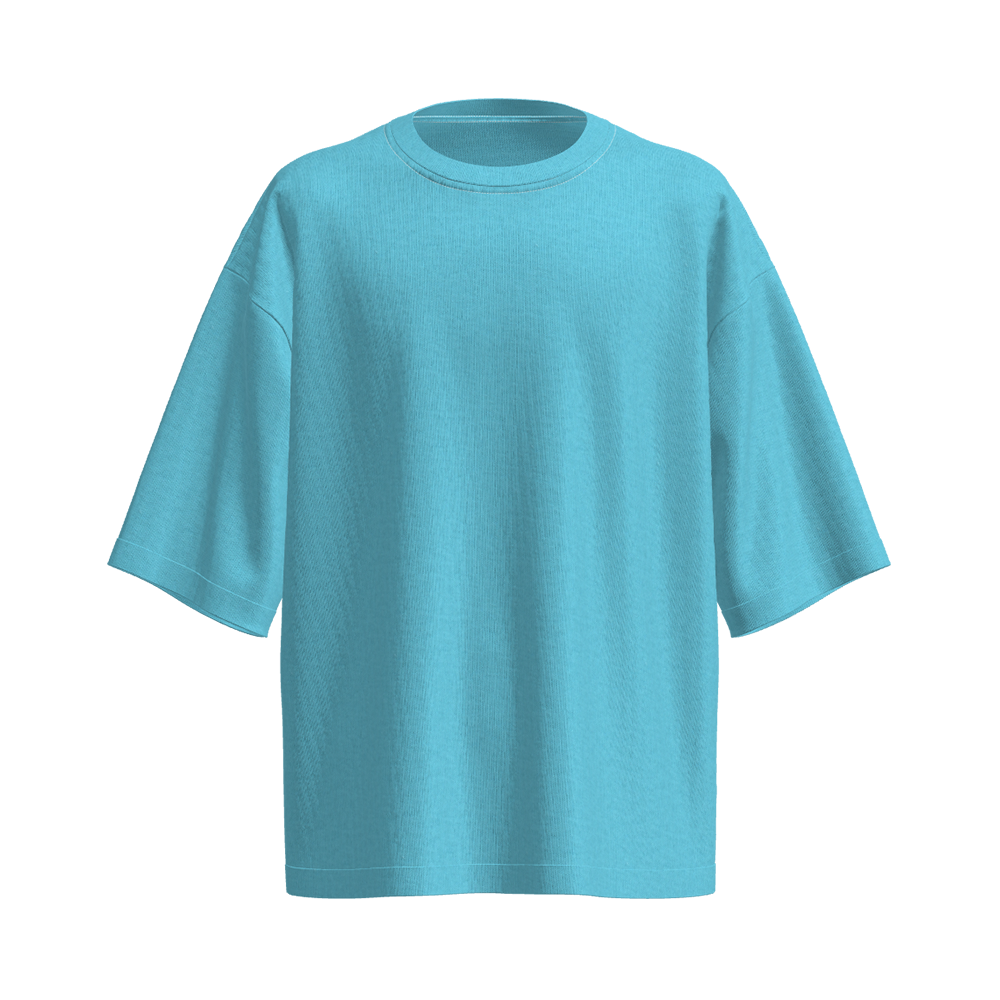
How does c wicking-windows single jersey fabric compare to polyester blends?
In the modern textile and apparel industry, fabric selection plays a pivotal role in determining garment performance, comfort, and durability. Among the many options available, c wicking-windows single jersey fabric has emerged as a versatile choice for activewear, casual clothing, and technical garments. At the same time, polyester blends remain widely used due to their cost-effectiveness and durability.
Structural Characteristics of c wicking-windows single jersey fabric
C wicking-windows single jersey fabric is distinguished by its single jersey knit structure, which allows for excellent stretch, lightweight construction, and enhanced breathability. The fabric typically features a moisture-wicking design, where micro-channels within the knit facilitate the movement of sweat from the skin surface to the outer layer. This property is particularly advantageous in activewear, where prolonged comfort and dryness are essential.
The fibers used in c wicking-windows single jersey fabric can include natural fibers such as cotton, synthetic fibers such as PET, or blends, which are selected based on desired performance attributes. The single jersey structure provides a smooth face and a slightly textured back, allowing for flexible garment design and consistent fabric behavior.
Key structural advantages:
- Breathability: The knit construction permits air circulation, promoting thermal comfort.
- Stretch and recovery: Provides flexibility in movement, critical for athletic wear.
- Lightweight: Reduces garment weight without compromising durability.
| Feature | c wicking-windows single jersey fabric | Polyester blends |
|---|---|---|
| Knit structure | Single jersey with micro-channels | Varies: plain, interlock, or blended knits |
| Moisture management | High due to wicking properties | Moderate, depends on finish |
| Breathability | Excellent | Moderate |
| Stretch & recovery | Good | Varies, usually moderate |
| Weight | Light to medium | Medium to heavy |
Performance comparison with polyester blends
Polyester blends, often composed of polyester with cotton or other synthetics, are known for strength, durability, and resistance to environmental factors. However, when compared to c wicking-windows single jersey fabric, several performance distinctions emerge.
Moisture management
C wicking-windows single jersey fabric is specifically engineered to pull moisture away from the skin, maintaining dryness and reducing the risk of chafing. In contrast, polyester blends generally absorb less moisture but may not facilitate rapid evaporation, which can result in a less comfortable experience during prolonged physical activity.
Comfort and wearability
Comfort is influenced by softness, stretch, and thermal regulation. C wicking-windows single jersey fabric often delivers a softer hand feel due to the fiber selection and knit design. Polyester blends may feel slightly stiffer, though they provide excellent shape retention and resistance to wrinkles. C wicking-windows single jersey fabric excels in applications requiring direct skin contact, while polyester blends are commonly favored in outer layers or structured garments.
Durability and maintenance
Polyester blends are inherently strong, resistant to abrasion, and retain their shape after repeated laundering. C wicking-windows single jersey fabric, depending on fiber composition, may require more careful maintenance to prevent shrinkage, pilling, or distortion. Nevertheless, modern treatments and fiber innovations have significantly improved the durability of c wicking-windows single jersey fabric, making it increasingly competitive with polyester blends.
| Attribute | c wicking-windows single jersey fabric | Polyester blends |
|---|---|---|
| Moisture management | High wicking efficiency | Moderate to low |
| Softness | Soft, comfortable | Moderate, may feel coarse |
| Durability | Moderate to high, fiber-dependent | High |
| Shrinkage | Possible without care | Minimal |
| Wrinkle resistance | Moderate | Excellent |
| Maintenance | Gentle wash recommended | Easy, machine-washable |
Applications and end-use scenarios
C wicking-windows single jersey fabric is widely used in sportswear, leisure clothing, technical garments, and lightweight summer apparel. Its moisture management capabilities make it ideal for activewear such as t-shirts, leggings, base layers, and athletic jerseys. Additionally, its flexibility allows designers to incorporate fashion elements without compromising performance.
Polyester blends are frequently applied in durable casual wear, uniforms, outerwear, and functional textiles where abrasion resistance and longevity are key. Their suitability in applications where frequent laundering and minimal fabric care are required makes them a practical choice for large-scale production and institutional use.
Table: Example end-use comparison
| Application | c wicking-windows single jersey fabric | Polyester blends |
|---|---|---|
| Activewear | High suitability | Moderate |
| Casual t-shirts | Moderate to high | High |
| Uniforms | Moderate | High |
| Technical garments | High | Moderate |
| Outerwear | Low | High |
Fabric care and longevity
The lifespan of c wicking-windows single jersey fabric depends on fiber type, knit density, and finishing treatments. To preserve its moisture-wicking properties and structural integrity, it is recommended to wash in cold water, avoid harsh detergents, and minimize tumble drying.
Polyester blends are generally more forgiving. They retain color and shape well and can withstand higher washing temperatures, making them suitable for high-usage environments.
Key care tips for c wicking-windows single jersey fabric:
- Wash in cold or lukewarm water.
- Use mild detergents to protect fibers.
- Avoid high heat drying; air-drying is preferable.
- Fold or hang properly to prevent stretching.
Innovations and enhancements
Advancements in textile technology have led to enhanced performance options for c wicking-windows single jersey fabric. Modern techniques include antimicrobial finishes, odor-resistant treatments, UV protection, and improved stretch recovery. These innovations help bridge the gap between comfort-focused fabrics and high-durability polyester blends, providing an optimal balance for performance garments.
Polyester blends have also evolved with moisture-wicking coatings and breathable constructions, yet they generally cannot match the intrinsic moisture management of c wicking-windows single jersey fabric without additional treatments.
Environmental considerations
Environmental impact is a growing concern in textile selection. C wicking-windows single jersey fabric can be produced with recycled fibers or eco-friendly processes, reducing its ecological footprint. Polyester blends, while durable, are petrochemical-based and may contribute to microplastic pollution if not managed properly.
Integrating sustainable practices, such as responsible sourcing, water-efficient dyeing, and recycled fiber usage, can improve the environmental profile of both fabric types, but c wicking-windows single jersey fabric generally offers more options for natural fiber incorporation.
Conclusion
In summary, c wicking-windows single jersey fabric and polyester blends serve complementary roles in the textile industry. C wicking-windows single jersey fabric excels in comfort, moisture management, and activewear applications, while polyester blends provide durability, shape retention, and low-maintenance benefits. Choosing between them requires evaluating the specific garment requirements, performance expectations, and intended end-use.
By understanding the structural characteristics, performance attributes, applications, and care requirements, manufacturers and designers can make informed decisions that optimize both user comfort and fabric longevity.
Frequently Asked Questions (FAQ)
Q1: Can c wicking-windows single jersey fabric be blended with polyester?
Yes, blending c wicking-windows single jersey fabric with polyester can combine comfort and durability, optimizing moisture management and structural integrity.
Q2: How do I maintain the moisture-wicking performance of c wicking-windows single jersey fabric?
To preserve performance, wash in cold water, avoid fabric softeners, and air-dry. High heat and harsh chemicals can reduce wicking efficiency.
Q3: Is c wicking-windows single jersey fabric suitable for summer wear?
Absolutely. Its lightweight, breathable, and moisture-managing properties make it ideal for summer clothing and activewear.
Q4: Does polyester blends outperform c wicking-windows single jersey fabric in durability?
Polyester blends generally offer higher abrasion resistance and shape retention, but modern c wicking-windows single jersey fabric treatments can significantly improve durability.
Q5: Can c wicking-windows single jersey fabric be recycled?
Yes, if produced with recycled fibers, it can be integrated into sustainable textile practices. This makes it a more environmentally friendly option compared to traditional polyester blends.
References
- Smith, J. (2022). Advances in knit fabrics for activewear. Textile Research Journal, 92(4), 350-365.
- Johnson, L. (2021). Performance fabrics: Moisture management and comfort properties. International Journal of Apparel Technology, 13(2), 45-59.
- Davis, R. (2023). Sustainable textile innovations in single jersey fabrics. Journal of Textile Science, 110(7), 1012-1028.
Don't hesitate to contact when you need us!

Step Ahead.
Nearly 30 years of experience in the textile industry is a valuable advantage of Golden Morning. Welcome to communicate with our team!
Become a Client
 +86-512-52528088
 +86-512-14546515
-
 [email protected]
[email protected]
[email protected] -

Company Address:
NO.218 QingDunTang Road changshu CityJiangsu Province(215500), ChinaFactory Address:
NO.19 Fuchunjiang East Road Southeast Economic Development Zone Changshu Jiangsu, China
