


 English
 한국어
한국어 中文简体
中文简体
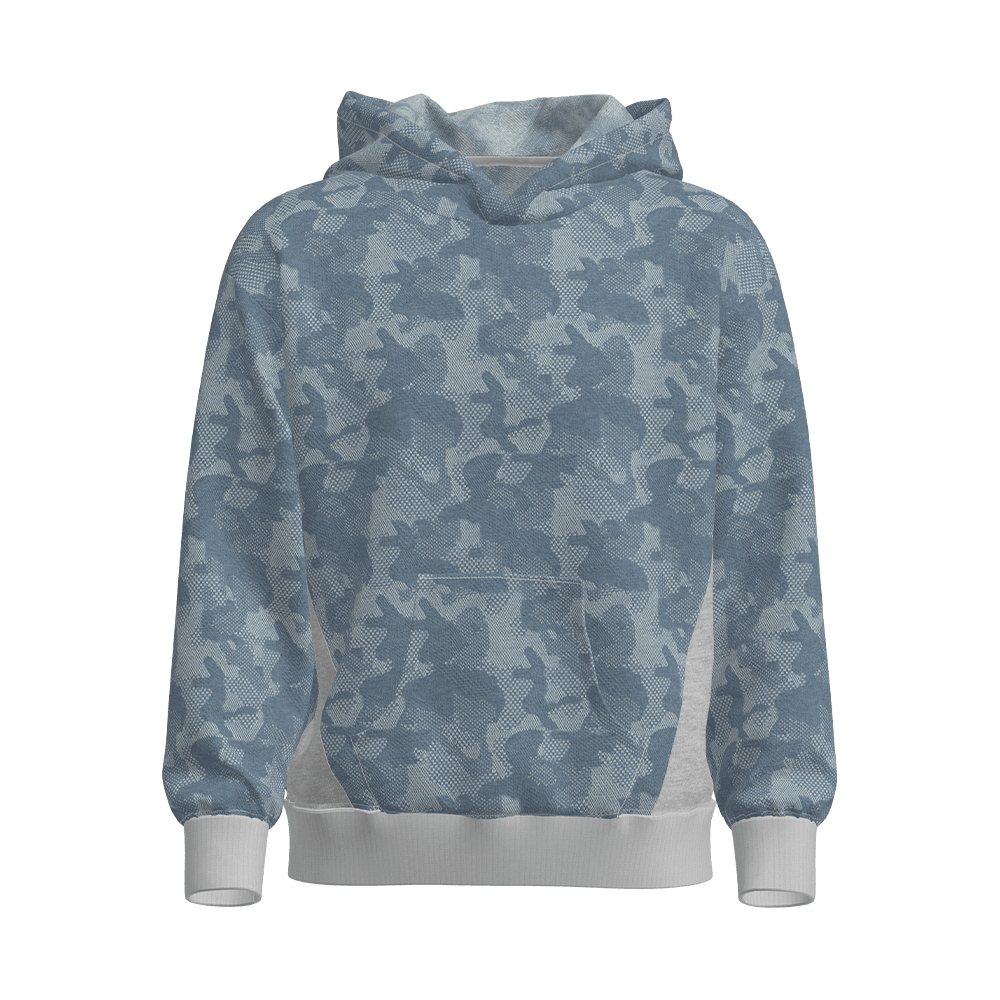
What are the different types of fleece fabric?
Fleece fabrics come in several distinct types, each engineered for specific performance needs. The most common categories include polar fleece, microfleece, sherpa fleece, anti-pill fleece, and French terry fleece. Understanding these differences helps you choose the right material for outerwear, activewear, blankets, or home textiles.
What Is Fleece Fabric?
Fleece is a synthetic knit fabric, most often made from polyester fibers, designed to mimic the insulating properties of natural wool. First developed in the late 1970s, modern fleece is lightweight, moisture-wicking, and quick-drying. It is typically measured in weight per square meter (gsm), with common weights ranging from 100 gsm (lightweight) to 300 gsm (heavyweight).
Fleece is produced by brushing a knitted polyester fabric to raise the fibers, creating a soft, insulating pile on one or both sides. Some eco-friendly versions are made from recycled PET bottles, with a single fleece jacket potentially using up to 25 recycled bottles.
Main Types of Fleece Fabric
1. Polar Fleece
Polar fleece is the most widely recognized type. It features a double-sided pile and is available in weights from 200 to 300 gsm. It is commonly used for jackets, hoodies, blankets, and hats. Its dense construction provides excellent warmth retention while remaining breathable.
2. Microfleece
Microfleece is the lightest fleece category, typically weighing 100–200 gsm. Its ultra-fine fibers — often less than 1 denier — create a smooth, compact surface that resists wind and dries quickly. It is ideal for base layers, athletic wear, and liner garments where bulk must be minimized.
3. Sherpa Fleece
Sherpa fleece mimics the texture of sheep's wool with a bumpy, looped pile on one side and a smooth knit backing on the other. It is among the warmest fleece options, making it popular for coat linings, blankets, and reversible jackets. Sherpa fleece typically weighs between 250 and 400 gsm.
4. Anti-Pill Fleece
Standard fleece develops small fiber balls (pills) on the surface after repeated washing and friction. Anti-pill fleece is treated or woven with tighter construction to resist pilling for a significantly longer period. This type is preferred for garments that undergo frequent washing, such as children's clothing and pet accessories.
5. French Terry Fleece
French terry features a smooth outer surface with looped pile on the interior. It is lighter and more breathable than polar fleece, making it suitable for sweatshirts, loungewear, and transitional-season garments. Weight commonly falls between 200 and 280 gsm.
6. Coral Fleece
Coral fleece has an exceptionally dense, velvet-like pile that is ultra-soft to the touch. It absorbs moisture well, making it a top choice for bath towels, robes, and baby blankets. Its pile is typically shorter and more uniform than sherpa, giving it a refined appearance.
7. Hardface / Windproof Fleece
Hardface fleece has a tightly woven face side that blocks wind while retaining the soft pile on the reverse. It is commonly laminated with a membrane to improve weather resistance. Outdoor and technical sportswear brands frequently use this construction for mid-layer jackets and hiking apparel.
Fleece Fabric Comparison Table
| Type | Typical Weight (gsm) | Key Feature | Best Use |
| Polar Fleece | 200–300 | Double-sided pile, warm | Jackets, blankets |
| Microfleece | 100–200 | Ultra-light, quick-dry | Base layers, activewear |
| Sherpa Fleece | 250–400 | Wool-like texture, very warm | Coat linings, blankets |
| Anti-Pill Fleece | 200–300 | Durable, pill-resistant | Children's wear, pet items |
| French Terry | 200–280 | Smooth face, looped back | Sweatshirts, loungewear |
| Coral Fleece | 180–280 | Dense velvet-like pile | Towels, robes, baby items |
| Hardface Fleece | 250–350 | Wind-resistant outer face | Outdoor/technical apparel |
How Fleece Weight Affects Performance
Fleece weight is one of the most practical specifications when selecting fabric for a project. The three standard weight tiers are:
- Lightweight (100–200 gsm): Best for base layers, liners, and warm-weather activities. Dries the fastest and packs down smallest.
- Midweight (200–300 gsm): The most versatile tier. Suitable for everyday jackets, pullovers, and casual blankets.
- Heavyweight (300+ gsm): Maximum warmth for cold-weather outer layers, heavy blankets, and sherpa linings.
Heavier fleece retains heat more effectively but takes longer to dry and adds more bulk. For layering systems in outdoor activities, a 200 gsm midweight fleece mid-layer paired with a shell is typically more adaptable than a single 300 gsm outer.
Common Fleece Fiber Compositions
While polyester dominates fleece production, fiber blends modify the fabric's feel and function:
- 100% Polyester: Most common. Durable, moisture-wicking, affordable, and retains color well.
- Polyester / Spandex (typically 95/5): Adds stretch and recovery — preferred for athletic and form-fitting garments.
- Recycled Polyester: Functionally identical to virgin polyester but produced from reclaimed materials, reducing environmental impact.
- Polyester / Cotton Blends: Softer hand feel and improved breathability at the cost of reduced moisture-wicking efficiency.
Choosing the Right Fleece for Your Application
Matching fleece type to end use ensures both performance and longevity:
- Outdoor and sportswear: Microfleece or hardface fleece for breathability and wind resistance.
- Everyday casual apparel: Polar fleece or anti-pill fleece for softness and durability.
- Home textiles (blankets, throws): Sherpa or coral fleece for maximum softness and warmth.
- Baby and children's products: Anti-pill coral fleece to maintain appearance through intensive laundering.
- Loungewear and sweatshirts: French terry fleece for a polished look with comfortable breathability.
Care and Maintenance of Fleece Fabrics
Proper care extends the life of any fleece fabric:
- Wash in cold or warm water (30–40°C) on a gentle cycle to preserve the pile structure.
- Avoid fabric softeners — they coat fibers and reduce moisture-wicking performance.
- Tumble dry on low heat or air dry to prevent heat damage to synthetic fibers.
- Wash fleece items inside out to reduce surface pilling.
- Do not iron directly on the pile — use a low-heat press cloth if pressing is necessary.
FAQ
Q1: What is the warmest type of fleece fabric?
Sherpa fleece and heavyweight polar fleece (300+ gsm) are the warmest options, thanks to their dense fiber construction and thick pile.
Q2: Is fleece fabric waterproof?
Standard fleece is not waterproof, but it retains warmth even when damp. Hardface and laminated fleece offer water resistance but are not fully waterproof without a bonded membrane.
Q3: What is the difference between microfleece and polar fleece?
Microfleece is lighter (100–200 gsm) with finer fibers suited for base layers. Polar fleece is heavier (200–300 gsm) with a thicker pile designed for insulating mid or outer layers.
Q4: Does anti-pill fleece last longer than regular fleece?
Yes. Anti-pill fleece resists fiber balling caused by friction and washing, maintaining a cleaner appearance through significantly more wash cycles than untreated fleece.
Q5: Can fleece fabric be used for outdoor performance apparel?
Yes. Microfleece and hardface fleece are widely used in outdoor performance apparel for their breathability, quick-drying properties, and — in the case of hardface fleece — wind resistance.
Q6: Is recycled fleece as effective as virgin polyester fleece?
Yes. Recycled polyester fleece performs identically to virgin polyester fleece in warmth, durability, and moisture management, while reducing reliance on new petroleum-based materials.
Don't hesitate to contact when you need us!

Step Ahead.
Nearly 30 years of experience in the textile industry is a valuable advantage of Golden Morning. Welcome to communicate with our team!
Become a Client
 +86-512-52528088
 +86-512-14546515
-
 [email protected]
[email protected]
[email protected] -

Company Address:
NO.218 QingDunTang Road changshu CityJiangsu Province(215500), ChinaFactory Address:
NO.19 Fuchunjiang East Road Southeast Economic Development Zone Changshu Jiangsu, China
