


 English
 한국어
한국어 中文简体
中文简体
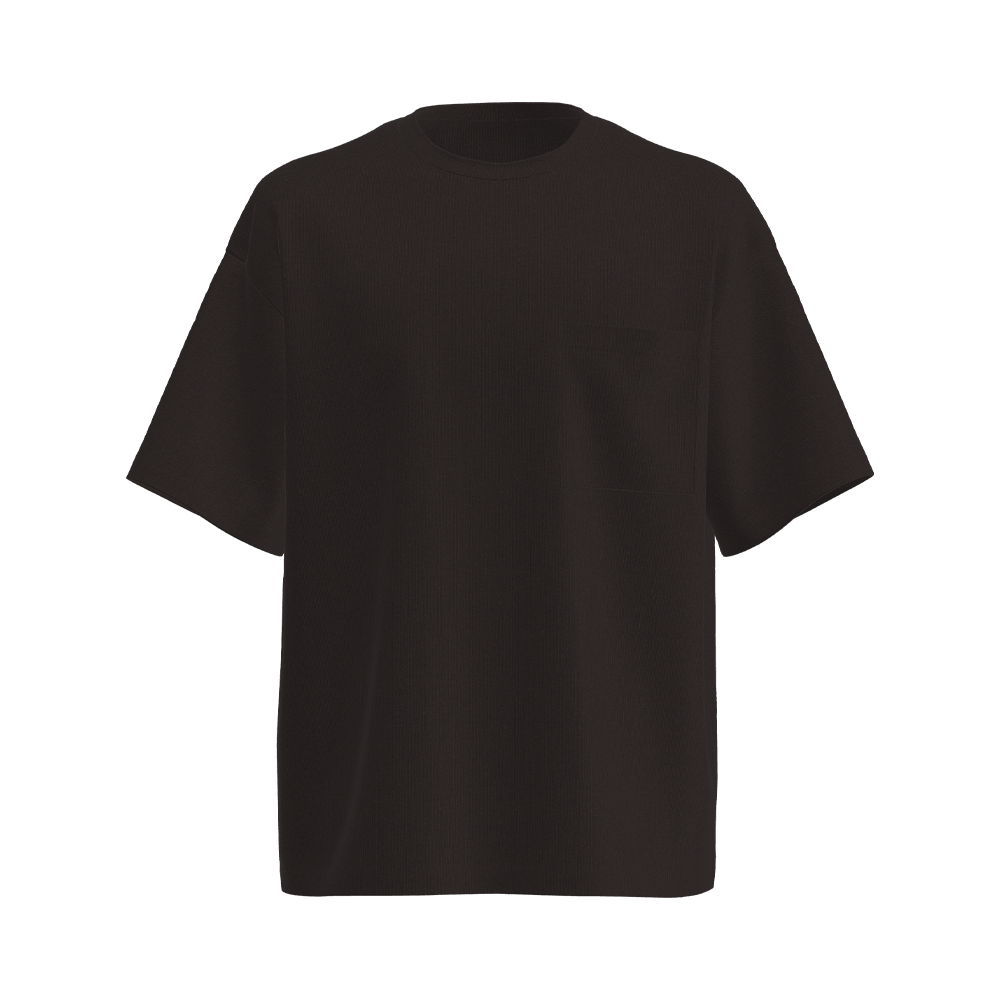
How Does Yarn Blend Affect Cooling Efficiency in Single Jersey Knit?
Introduction
In textile engineering for thermal comfort applications, the interplay between material composition and fabric structure influences performance outcomes. C/T cooling single jersey fabric has emerged as an important class of textile architectures engineered for improved heat and moisture management. At the core of performance optimization is the decision regarding yarn blend — the combination of fiber types that form the yarn used in knitting.
1. Understanding Yarn Blend and Cooling in Single Jersey Knit
1.1 What Is Yarn Blend?
A yarn blend refers to the combination of two or more types of fibers spun together to produce a single yarn. In knitting applications, blends are common because they allow designers to:
- Combine mechanical properties (tensile strength, abrasion resistance)
- Merge functional properties (moisture management, cooling effect)
- Tailor aesthetic characteristics (hand, drape, luster)
For cooling applications, fiber selection and blend ratio influence how heat and moisture are transported through the fabric.
1.2 Single Jersey Knit as a Cooling Architecture
Single jersey knit is one of the simplest knit constructions, consisting of a single set of needles that produce loops in one direction. It is widely used due to:
- Flexibility and stretch
- Light to medium fabric weight
- Comfort against skin
- Efficient manufacturing
However, the knit structure interacts with the yarn’s fiber properties to determine:
- Evaporative cooling
- Heat transfer
- Drying rate
- Moisture wicking
Thus, both the knit architecture and yarn blend are key determinants of cooling behavior.
1.3 Cooling Mechanisms in Fabrics
Cooling in textiles involves multiple phenomena:
- Moisture wicking: Movement of liquid moisture from inner to outer surfaces
- Evaporative heat loss: Removal of heat as moisture evaporates
- Conductive heat transfer: Movement of thermal energy through fibers
- Convective heat exchange: Cooling via air movement in and around fibers
- Radiative cooling: Heat exchange via infrared emission
C/T cooling single jersey fabric is designed to optimize a combination of these through material choice and structure.
2. Fiber Types and Their Roles in Cooling Performance
This section examines common fiber types used in cooling‑oriented yarn blends and their fundamental properties.
2.1 Natural Fibers
2.1.1 Cotton
Cotton is highly utilized due to:
- Good moisture absorbency
- Soft hand and comfort
- Breathability
Cotton readily absorbs moisture, which enables evaporative cooling; however, high absorbency can also delay drying if not balanced with synthetic properties.
2.1.2 Modal / Lyocell
These regenerated cellulosic fibers exhibit:
- Superior moisture management compared to cotton
- Higher wicking performance
- Smooth surface aiding capillary flow
They are often blended with other fibers to enhance moisture transport without excessive wet cling.
2.2 Synthetic Fibers
2.2.1 Polyester
Polyester is high in strength and low in moisture absorbency. Its role in cooling blends includes:
- Structural support
- Faster drying due to low water uptake
- Potential integration with moisture‑transport finishes
Polyester’s inherent hydrophobic nature can either hinder or promote evaporative cooling depending on blend strategy.
2.2.2 Nylon
Nylon may be used for:
- Strength and abrasion resistance
- Elastic recovery when blended with spandex
- Moderate moisture management with surface treatments
However, nylon’s thermal properties differ from other synthetics and must be considered with care for cooling performance.
2.3 Specialty and Functional Fibers
2.3.1 Phase Change Materials (PCMs)
Fibers incorporating PCM particles may temporarily store or release heat during phase transitions, potentially impacting thermal comfort under variable load.
2.3.2 Moisture‑Enabled Smart Fibers
Fibers engineered for active moisture transport can enhance wicking and evaporation beyond typical hydrophilic/hydrophobic behavior.
3. Yarn Blend Ratios and Cooling Attributes
The ratio of fiber types in a blend is central to performance. Below are common blend categories and how they affect cooling.
3.1 Hydrophilic‑Dominant Blends
Blends with high natural or moisture‑enabled fibers (e.g., cotton, modal, lyocell > 60%) lead to:
- Strong moisture absorption and retention
- Enhanced evaporative cooling when moisture is present
- Softer hand feel
However, high hydrophilicity can slow moisture release after saturation, potentially reducing drying speed.
3.2 Balanced Hydrophilic‑Hydrophobic Blends
Balanced blends (e.g., 50/50 cotton/polyester) seek to:
- Combine moisture uptake and rapid dry‑off
- Support wicking from inside to outside
- Provide structural resilience
Balanced blends often yield the most consistent cooling across a range of activity levels.
3.3 Hydrophobic‑Dominant Blends
High synthetic content (e.g., polyester > 70%) results in:
- Lower moisture absorption
- Faster drying via moisture displacement
- Potential for enhanced convective cooling
These blends can perform well in high‑activity applications but may require surface treatment to boost wicking.
Below is a conceptual summary of cooling behavior versus blend type:
| Blend Type | Moisture Absorption | Drying Rate | Evaporative Cooling Potential | Recommended Application Profile |
|---|---|---|---|---|
| Hydrophilic‑Dominant | High | Moderate | High | Moderate activity, comfort‑oriented use |
| Balanced | Moderate | Moderate‑High | Moderate‑High | General cooling, variable conditions |
| Hydrophobic‑Dominant | Low | High | Moderate | High‑activity, rapid dry environments |
4. Interaction of Yarn Blend With Single Jersey Structure
Yarn blend does not act in isolation. The single jersey knit interacts with fiber characteristics, affecting cooling performance.
4.1 Loop Structure and Porosity
Single jersey knit has:
- Loops that create microchannels
- Variable porosity depending on yarn thickness and tension
A blend that supports capillary flow (e.g., moderate hydrophilicity) will allow better moisture migration through these loops.
4.2 Loop Size and Airflow
Air trapped within loops enhances convective cooling. Blends with lower bulk density can:
- Increase effective air pathways
- Promote heat removal via convection
Table 2 outlines how structural and material factors combine.
| Structural Feature | Influence on Cooling | Relationship to Yarn Blend |
|---|---|---|
| Loop size | Affects airflow | Larger loops may decrease thermal resistance with lighter blends |
| Porosity | Determines vapor diffusion | More open porosity benefits hydrophilic transport |
| Fabric thickness | Influences insulation | Thinner knit with balanced blends improves heat loss |
5. Yarn Blend Performance in Representative Scenarios
Below is an analysis of how yarn blend affects cooling in real‑world conditions.
5.1 High Humidity Conditions
In environments with elevated humidity:
- Hydrophilic dominant blends absorb water but may saturate quickly
- Balanced blends facilitate outward moisture transport
- Hydrophobic blends rely on airflow for convective cooling
Balanced blends often outperform others under humidity by maintaining a moisture gradient.
5.2 High Activity Levels
During intense activity:
- Sweat generation is high
- Rapid evaporation is key
Hydrophobic dominant blends with good wicking finishes enhance evaporation speed, while balanced blends maintain comfort without excessive wetness.
5.3 Extended Wear
For extended wear periods:
- Fabric chill upon drying is a factor
- Moisture retention supports continuous evaporation
Hydrophilic dominant blends may provide sustained cooling without rapid dry‑off that can lead to dryness discomfort.
6. Additional Factors Influencing Cooling Beyond Yarn Blend
While yarn blend is critical, several peripheral factors also affect cooling efficiency.
6.1 Fiber Cross‑Section and Surface Geometry
Fiber cross‑section shapes (e.g., trilobal vs circular) influence surface area and capillarity. Blends including fibers with enhanced surface structure can promote wicking.
6.2 Moisture Management Finishes
Chemical or physical finishes can adjust hydrophilicity/hydrophobicity, affecting wicking independent of raw fiber type.
6.3 Airflow and Garment Cut
Fabric performance is often paired with garment design. A blend optimized for cooling still requires appropriate panel placement and ventilation paths.
6.4 Environmental Temperature Gradient
Ambient conditions influence the direction and rate of heat flow. Yarn blends that manage moisture effectively can adapt more flexibly to varying thermal gradients.
7. Comparing Performance Metrics for Yarn Blends
Quantitative performance measurement is necessary to evaluate cooling behavior. Metrics commonly used include:
- Wicking rate
- Evaporative cooling efficiency
- Drying time
- Thermal resistance (R‑value)
Table 3 presents a comparative view:
| Metric | Hydrophilic‑Dominant | Balanced | Hydrophobic‑Dominant |
|---|---|---|---|
| Wicking rate | High | Moderate‑High | Moderate |
| Drying time | Longer | Medium | Shortest |
| Evaporative cooling efficiency | High at moderate activity | High across range | Good at high activity |
| Thermal resistance | Lower | Moderate | Lower |
This table illustrates collective trends, but actual values depend on specific materials and processing.
8. System‑Level Considerations in Material Selection
When selecting a yarn blend for C/T cooling single jersey fabric, engineers must consider:
8.1 End‑Use Environment
Assess the typical operating temperature and humidity. Blends can be tuned to specific conditions.
8.2 Target Performance Profile
Prioritize metrics (e.g., rapid drying vs sustained cooling) to guide blend choice.
8.3 Lifecycle Durability
Blends should retain functionality after laundering and long‑term use.
8.4 Integration With Other Systems
In complex thermal ensembles, the fabric layer must interact with insulation, outer shells, or actuated cooling systems.
8.5 Cost and Manufacturability
Yarn blend choices affect cost and production yield; balance performance against economics.
9. Case Illustration: Blend Optimization Workflow
To optimize yarn blend for cooling in single jersey:
- Define requirements: Establish target metrics for moisture transport, drying, and heat loss.
- Survey candidate fibers: Evaluate properties such as hydrophilicity, density, and surface geometry.
- Build prototypes: Knit test fabrics with varying blend ratios.
- Test performance: Use standardized tests for wicking, drying rate, and thermal resistance.
- Iterate design: Adjust blend based on results.
- Validate in representative conditions: Field test to confirm performance in real environments.
This workflow highlights a systematic approach aligning design goals with material behavior.
10. Summary
Yarn blend significantly influences cooling efficiency in C/T cooling single jersey fabric through its effects on moisture handling, drying behavior, and heat transfer mechanisms.
Key conclusions from this analysis include:
- Fiber selection and blend ratio determine the balance between moisture absorption and rapid drying.
- Single jersey knit structure works synergistically with yarn properties to influence overall cooling performance.
- Balanced blends often provide versatile performance across a range of conditions, while specialized blends may excel in targeted scenarios.
- System‑level thinking is essential; yarn blend is just one component interacting with knit geometry, environmental factors, and garment design.
Selecting an optimal yarn blend requires careful evaluation of performance metrics against application requirements. The engineer or material specifier must integrate this analysis into broader system design decisions for thermal comfort textiles.
Frequently Asked Questions (FAQ)
Q1: Why is moisture wicking important for cooling efficiency?
Moisture wicking helps move liquid sweat from the skin to the fabric surface, enabling faster evaporation and greater heat loss.
Q2: Does a 100% cotton fabric always cool better than a blend?
Not necessarily. While pure cotton absorbs moisture well, it may retain water and delay drying. Balanced blends can provide better overall cooling.
Q3: How does yarn cross‑section shape affect cooling?
Fiber cross‑sections with greater surface area improve capillary action, boosting moisture transport and evaporation.
Q4: Can surface treatments replace the need for specific yarn blends?
Surface treatments can enhance moisture behavior, but they usually complement rather than replace the fundamental properties of the yarn blend.
Q5: Is hydrophobic fabric always worse at cooling?
No. Hydrophobic fibers can facilitate rapid moisture displacement and drying, especially in high‑activity situations.
References
- Textiles and Thermal Comfort: Principles of Moisture and Heat Transfer in Fabrics, Journal of Industrial Textiles.
- Moisture Management Fundamentals in Textile Engineering, Textile Research Journal.
- Knit Structure and Performance, Handbook of Fiber Science and Technology.
Don't hesitate to contact when you need us!

Step Ahead.
Nearly 30 years of experience in the textile industry is a valuable advantage of Golden Morning. Welcome to communicate with our team!
Become a Client
 +86-512-52528088
 +86-512-14546515
-
 [email protected]
[email protected]
[email protected] -

Company Address:
NO.218 QingDunTang Road changshu CityJiangsu Province(215500), ChinaFactory Address:
NO.19 Fuchunjiang East Road Southeast Economic Development Zone Changshu Jiangsu, China
