


 English
 한국어
한국어 中文简体
中文简体
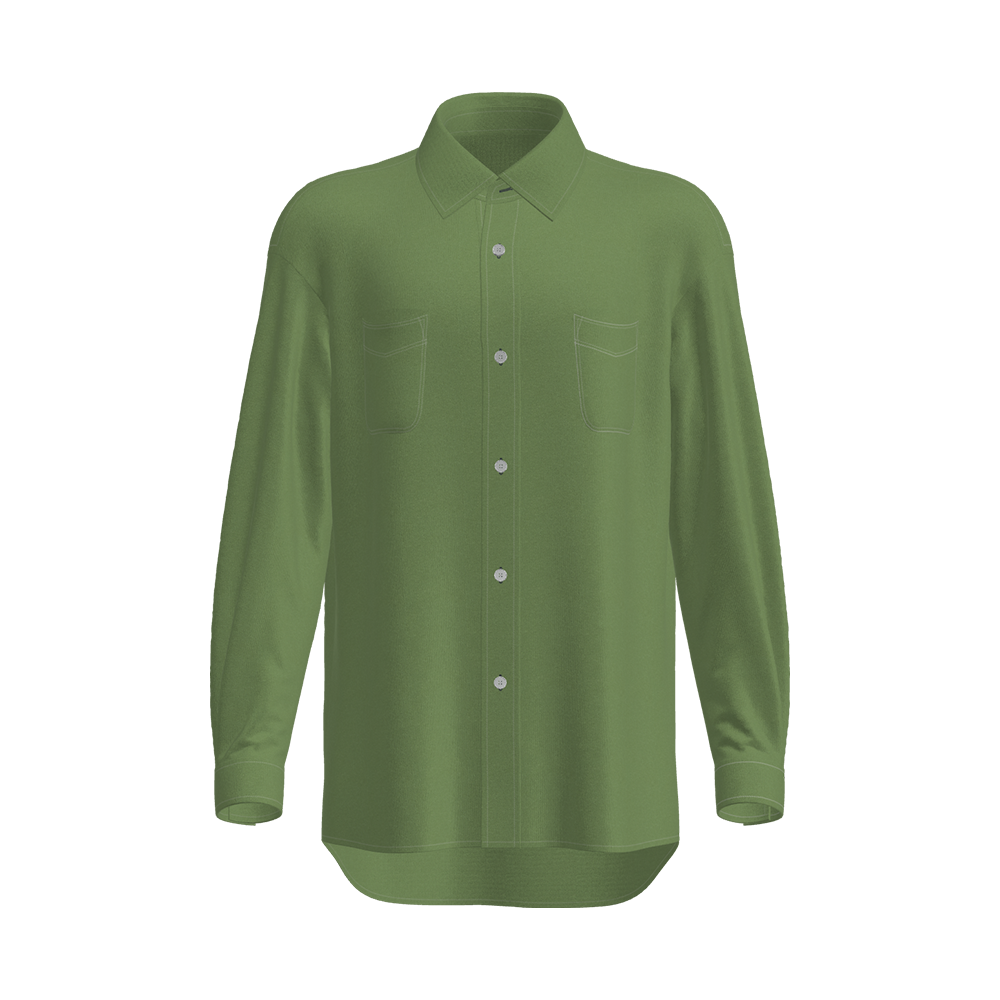
Thermoregulation Benefits of Moisture‑Wicking Fabrics: A Systems Engineering Perspective
Introduction
Thermoregulation in textiles refers to the capacity of a fabric system to help manage heat and moisture fluxes between the human body and the surrounding environment. In application domains where microclimate control is critical — including industrial workwear systems, performance apparel subsystems, and integrated wearable solutions — thermoregulatory performance directly influences comfort, safety, and operational effectiveness. Central to this capability are advanced textile structures such as T moisture wicking single jersey fabric that mediate moisture transport and associated heat transfer mechanisms.
In engineering terms, moisture wicking is not a single attribute but a multi‑parameter performance function encompassing capillary transport, vapor diffusion, thermal conductivity, air permeability, and evaporative cooling efficiency. Evaluating these aspects within a systems context is essential for specifying material and structural criteria for effective thermoregulation.
1. Fundamentals of Thermoregulation in Textile Systems
1.1 Thermal and Moisture Microclimate Concepts
Thermoregulation in a textile system refers to managing the microclimate — the thin layer of air and moisture between the skin and the fabric — through heat transfer and moisture transport processes. The core goal is to balance:
- Heat generation from the body
- Heat dissipation through conduction, convection, radiation, and evaporation
- Moisture removal to prevent saturation and temperature rise
These processes are intertwined: moisture that remains at the skin surface impedes evaporative cooling and increases thermal resistance, whereas moisture transported outward through fabric layers can facilitate heat loss through evaporation.
1.2 Mechanisms of Moisture Transport
Moisture transport in textiles involves several mechanisms:
-
Capillary Action: Micro‑ and nano‑scale fiber structures draw liquid sweat away from the skin and distribute it across the fabric surface. Capillary channels formed by fiber shape and arrangement are fundamental drivers of wicking efficiency. ([sites.udel.edu][1])
-
Vapor Diffusion: Water vapor moves from regions of high humidity near the skin toward lower humidity at the fabric exterior. High vapor permeability is associated with lower evaporative resistance. ([SpringerLink][2])
-
Evaporation: Moisture that reaches the external fabric surface can evaporate, converting latent heat into energy and thus cooling the microclimate. The vapor pressure gradient between the body and the environment drives this process.
Successful thermoregulation relies on an engineered balance of these mechanisms, optimized via material choice and knit architecture.
2. Knit Structure and Thermoregulatory Performance
2.1 Role of Single Jersey Knit Structure
The knit structure of a textile exerts a large influence on thermoregulation. Single jersey fabrics, such as T moisture wicking single jersey fabric, are widely investigated due to their relatively simple loop structure, high extensibility, and favorable transport properties.
Key reasons why single jersey knits support thermoregulation:
-
High air permeability: Open loop geometry enhances airflow, which boosts convective heat loss. ([Knowledge Center][3])
-
Lower thermal resistance: Less dense loops reduce insulation when compared to layered weaves, facilitating heat transfer. ([Knowledge Center][3])
-
Effective wicking: The fabric path for liquid movement is continuous and less obstructed than in more complex structures, improving moisture transport to the surface. ([SpringerLink][2])
Table 1: Comparative Thermal Properties of Knit Structures (Representative)
| Fabric Type | Air Permeability | Thermal Resistance | Vapor Permeability | Wicking Efficiency |
|---|---|---|---|---|
| Single Jersey | High | Low | High | High |
| Double Knit | Moderate | Moderate | Moderate | Moderate |
| Rib Knit | Lower | Higher | Lower | Lower |
Notes:
- Air permeability represents convective pathways.
- Thermal resistance approximates insulation level.
- Vapor permeability relates to moisture‑induced heat flux potential.
- Wicking efficiency denotes the ability to move moisture to the fabric surface.
These properties illustrate why single jersey architectures are well-suited to thermoregulation, especially when engineered for high moisture capture and rapid transport.
2.2 Material and Fiber Considerations
Moisture wicking performance is influenced by fiber chemistry and geometry:
-
Hydrophobic polymer fibers with engineered cross‑sections enhance capillary draw by reducing surface energy relative to liquid water. ([sites.udel.edu][1])
-
Split fiber cross‑sections or engineered lobes increase surface area and capillary pathways.
-
Blends or micro‑denier fibers can be used to tune moisture uptake and drying rates.
As fiber content and knit geometry are co‑designed, their joint contribution defines the microclimate control capacity of the fabric.
3. Thermoregulatory Effects of Moisture Transport
3.1 Evaporative Cooling and Core Temperature Management
Thermoregulation largely depends on evaporation: as moisture moves away from the body to the fabric surface and vaporizes, the latent heat of vaporization removes energy from adjacent tissues, contributing to a net cooling effect.
Empirical studies show that moisture‑wicking garments can reduce core temperature rise in heat stress conditions compared to non‑wicking garments. ([PubMed][4])
Table 2: Heat Transfer Performance in Moisture‑Wicking vs Reference Textiles
| Metric | Moisture‑Wicking Textile | Reference Textile (e.g., Cotton) |
|---|---|---|
| Core Temperature Change | Lower | Higher |
| Retained Sweat Mass | Lower | Higher |
| Evaporative Loss Rate | Higher | Lower |
| Skin Microclimate Humidity | Lower | Higher |
Studies reported significantly lower rectal temperature and less moisture retention when subjects wore synthetic moisture‑wicking fabrics during heat stress tests compared to cotton. ([PubMed][4])
These results stem from the combination of rapid transport pathways and enhanced surface evaporation, which collectively improve heat dissipation capacity.
3.2 Microclimate Humidity and Thermal Comfort
Moisture accumulation near the skin increases microclimate humidity, creating a thermal barrier that impedes heat loss and commonly causes sensations of overheating. Moisture wicking mitigates this:
- Reduces stagnant moisture layers
- Preserves breathing channels for air within the fiber network
- Maintains a more stable microclimate
Experimental data indicate that fabrics with high air permeability and low evaporative resistance exhibit lower microclimate temperature and humidity levels during activity. ([Nature][5])
4. System Integration and Performance Metrics
4.1 Evaluation Metrics for Thermoregulatory Capability
Engineering evaluation of moisture‑wicking textiles must consider comprehensive performance metrics:
- Wicking Rate: Speed at which liquid moves from the body side to the fabric surface.
- Evaporative Resistance (Ret): A measure of resistance to moisture vapor transport. Lower values correlate with better evaporative cooling. ([SpringerLink][2])
- Air Permeability: Higher airflow supports convective cooling pathways. ([Knowledge Center][3])
- Thermal Conductivity: Impacts how quickly heat is transported through the fabric layers.
Balancing these interdependent properties is crucial in defining the overall thermoregulatory performance of a textile subsystem.
4.2 Environmental and Usage Factors
Real‑world conditions — such as ambient temperature, humidity, and airflow — interact with material properties:
- High humidity environments reduce evaporation potential and limit cooling efficacy, even with high moisture wicking.
- Ambient airflow (ventilation) enhances convective losses and accelerates moisture evaporation.
These environmental factors must be considered when applying moisture‑wicking fabrics within broader system designs, potentially involving forced ventilation or wearable cooling modules.
5. Integration into Engineered Textile Systems
Effective thermoregulation is often achieved not by a single layer but by multi‑layer systems where inner moisture management, mid‑layer insulation, and outer protective functions are harmonized.
5.1 Layered System Strategy
An integrated textile system designed for thermoregulation may include:
- Inner Layer: A moisture‑wicking layer such as T moisture wicking single jersey fabric, optimized for rapid moisture transfer away from the body.
- Middle Layer: A structural component that modulates heat retention or release in response to environmental demands.
- Outer Layer: A protective layer against wind, radiation, or moisture ingress that does not impede vapor diffusion from within.
This multi‑layer strategy balances moisture removal with desired insulation and environmental protection.
5.2 Application Domains
Applications benefiting from engineered moisture‑wicking thermoregulation include:
- Workwear in high‑heat industrial environments
- Performance or endurance wearable systems
- Smart uniform ensembles with integrated cooling
In each case, the textile system’s design must consider both microclimate behavior and integration with external components (e.g., active cooling modules or ventilation systems).
Summary
Thermoregulation in textile systems encompasses an orchestrated balance of heat and moisture transfer phenomena, where moisture‑wicking materials play a central role. Through engineered knit architectures, appropriate fiber chemistries, and optimized structural properties, textiles such as T moisture wicking single jersey fabric support:
- Efficient capillary moisture transport
- Enhanced evaporative cooling
- Lower microclimate humidity
- Stabilized thermal comfort under dynamic conditions
From an engineering systems perspective, effective thermoregulation requires integration of material performance with environmental variables and broader textile system architectures. Quantitative evaluation metrics — including wicking rate, evaporative resistance, and air permeability — serve as key parameters for design optimization and performance benchmarking.
Frequently Asked Questions (FAQ)
Q1: How does moisture wicking improve thermal regulation?
A1: Moisture wicking moves liquid sweat from the skin towards the fabric surface, facilitating evaporation and thereby dissipating heat from the body’s microclimate. ([sites.udel.edu][1])
Q2: Why is single jersey knit advantageous for thermoregulation?
A2: Single jersey knit structures offer high air permeability, lower thermal resistance, and effective moisture transport pathways, all of which support enhanced heat and moisture management. ([Knowledge Center][3])
Q3: Can these fabrics work in high humidity environments?
A3: In high humidity, evaporative cooling efficiency can be limited due to reduced vapor pressure gradients; thus, system design may need to incorporate airflow or environmental controls.
Q4: Are moisture‑wicking fabrics beneficial in cold environments?
A4: Yes, moisture removal helps prevent wet fabric from acting as a heat sink against the skin, preventing chilling during cold conditions.
Q5: What metrics should be used to evaluate thermoregulatory textiles?
A5: Key metrics include wicking rate, evaporative resistance, air permeability, and thermal conductivity.
References
- Brazaitis M. et al. The effects of a moisture-wicking fabric shirt on the physiological and perceptual responses during acute exercise in the heat. Applied Ergonomics. 2014. ([ScienceDirect][6])
- PubMed article on synthetic moisture‑wicking garments and thermoregulation benefits. ([PubMed][7])
- Thermo physiological comfort of single jersey knitted fabric derivatives. Fashion and Textiles. 2021. ([SpringerLink][2])
- Scientific Reports on garment type effect on thermophysiological comfort. ([Nature][5])
LATEST POST
Let’s create something amazing together
contact us
Don't hesitate to contact when you need us!

Step Ahead.
Nearly 30 years of experience in the textile industry is a valuable advantage of Golden Morning. Welcome to communicate with our team!
Become a Client
 +86-512-52528088
 +86-512-14546515
-
 [email protected]
[email protected]
[email protected] -

Company Address:
NO.218 QingDunTang Road changshu CityJiangsu Province(215500), ChinaFactory Address:
NO.19 Fuchunjiang East Road Southeast Economic Development Zone Changshu Jiangsu, China
