


 English
 한국어
한국어 中文简体
中文简体
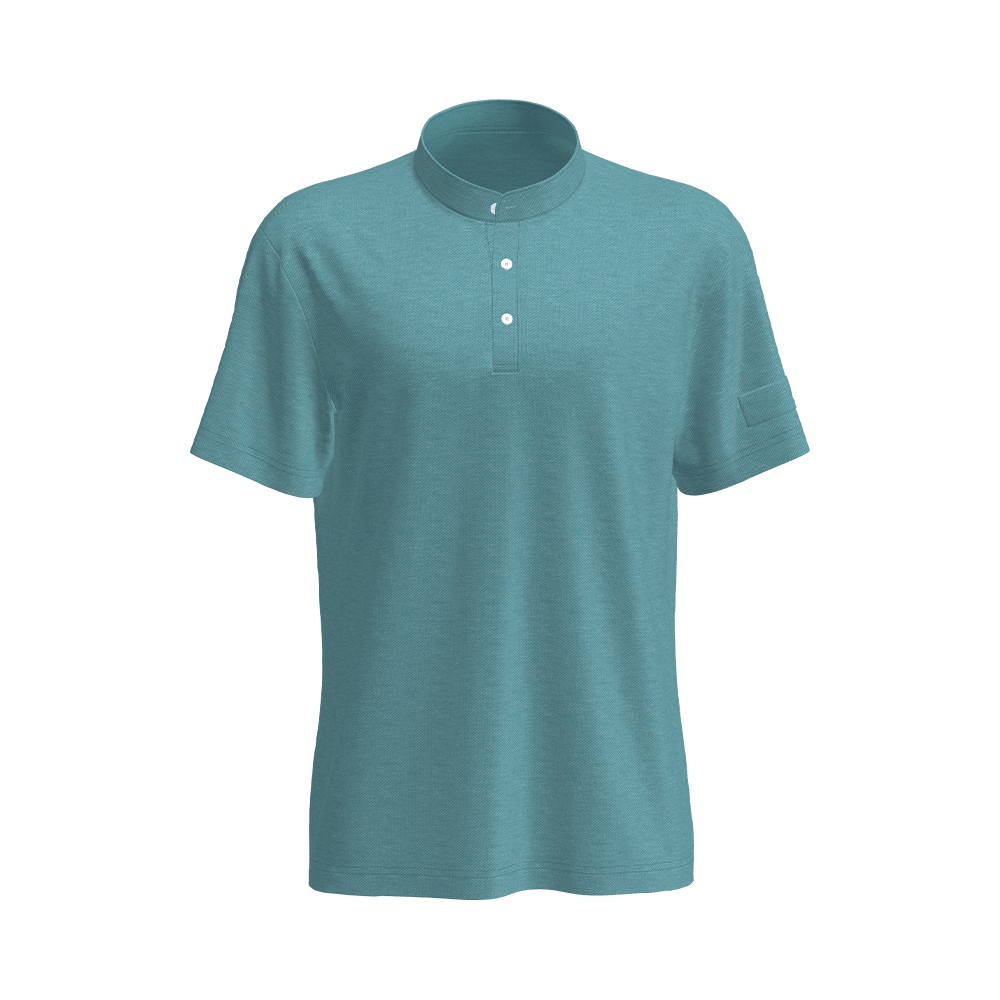
Pique vs Cotton: Discover the Best Fabric for Your Polo Shirts
Understanding the Fundamental Differences Between Pique and Cotton
When sourcing fabrics for polo shirt manufacturing, understanding the nuanced relationship between Pique Fabrics and standard cotton options becomes essential for making informed procurement decisions. While pique is technically a knit structure rather than a fiber type, the term has become synonymous with the textured polo shirts that dominate both corporate uniform programs and retail markets worldwide.
Pique fabric derives its name from the French word meaning quilted or stitched, referencing the distinctive raised texture that characterizes this material. The construction creates a waffle-like or honeycomb pattern through a specialized tuck and miss stitch technique that raises certain warp yarns while leaving others at lower levels. This geometric structure creates micro air pockets throughout the fabric, contributing significantly to the breathability that makes pique polos ideal for warm weather and active wear scenarios.
Standard cotton jersey fabric, by contrast, presents a smooth, flat surface created through simpler loop structures that prioritize softness and stretch over dimensional texture. While both materials can be manufactured from 100% cotton fibers, their structural differences result in distinctly different performance characteristics, aesthetic appearances, and end-use applications. Understanding these distinctions enables B2B buyers to align fabric selection with specific program requirements, whether outfitting hospitality staff, creating corporate uniforms, or developing retail polo collections.
Technical Specifications That Drive Performance and Value
GSM Weight Ranges and Their Business Implications
Grams per square meter (GSM) serves as the primary metric for evaluating fabric weight and directly correlates to durability, opacity, and perceived quality. For polo shirt applications, GSM typically ranges from 150 to 260, with each weight category serving distinct market segments and functional requirements. Lightweight pique fabrics between 150-180 GSM offer superior breathability for hot climates but may lack the substance required for premium positioning or industrial laundering cycles.
Midweight options from 180-220 GSM represent the industry standard for most commercial polo programs, balancing durability with wearer comfort. This range provides sufficient body for professional appearance while maintaining reasonable breathability for all-day wear. Heavyweight pique exceeding 220 GSM delivers maximum durability and premium hand feel, making it ideal for luxury retail collections, high-end corporate gifts, and uniform programs where longevity justifies higher per-unit costs. 220 GSM cotton pique remains the most requested specification for corporate uniform programs, offering optimal balance between performance and cost efficiency.
Yarn Count and Fiber Quality Considerations
Yarn count, expressed as 32s, 40s, or 60s, indicates the fineness of the cotton fibers used in fabric construction. Higher numbers denote finer yarns that create smoother, more refined surfaces suitable for premium applications. Combed cotton, which removes short fibers and impurities before spinning, delivers superior uniformity and strength compared to carded alternatives. For B2B buyers seeking quality differentiation, 40s combed cotton represents the minimum standard for professional-grade polo shirts, while 60s counts justify premium pricing through noticeably enhanced softness and drape.
The relationship between yarn count and GSM follows an inverse pattern where finer yarns (higher counts) typically result in lighter fabrics at equivalent density. A 60s combed cotton pique at 200 GSM will feel significantly more refined than a 32s count fabric at the same weight, though the latter may offer superior durability for industrial applications. Understanding this interplay helps procurement teams specify fabrics that align with both budget constraints and quality expectations.
Breathability and Moisture Management in Real-World Applications
How Pique Structure Enhances Air Circulation
The three-dimensional texture of pique fabric creates natural air channels that facilitate continuous airflow between the garment and the wearer's skin. Unlike smooth jersey knits that can cling when damp, pique's raised surface maintains separation that promotes evaporation and reduces the uncomfortable sticking sensation during physical activity or high-temperature exposure. This structural breathability explains why pique polos remain the preferred choice for golf courses, tennis clubs, and outdoor hospitality environments where staff comfort directly impacts service quality.
Laboratory testing demonstrates that pique fabrics typically achieve 20-30% better air permeability ratings than equivalent weight jersey knits, though actual comfort perception depends on fiber composition and finishing treatments. Cotton pique excels in dry heat conditions where moisture absorption aids cooling through evaporation, while synthetic pique variants with engineered mesh structures optimize moisture wicking for high-intensity activities.
Moisture-Wicking Technologies and Performance Variants
Modern performance pique fabrics incorporate hydrophilic finishes and specialized fiber cross-sections that transport moisture away from the skin rather than absorbing it. Polyester pique with channelled or tri-lobal filament structures moves sweat along fiber surfaces for rapid evaporation, drying in 2-3 hours compared to cotton's 6-8 hour drying time. These technical specifications matter significantly for B2B buyers outfitting athletic teams, warehouse staff, or any workforce engaged in physical labor.
When evaluating moisture management claims, request AATCC 195 testing results that objectively measure wicking performance. Grade 4-5 ratings indicate excellent moisture management suitable for activewear applications, while Grade 3 represents the minimum acceptable standard for professional polo programs. Suppliers should provide specific test data rather than relying on generic moisture-wicking marketing claims.
Durability Factors and Long-Term Value Analysis
Structural Integrity and Shape Retention
Pique knit construction inherently provides superior dimensional stability compared to jersey fabrics due to the interlocking tuck stitches that resist stretching and distortion. This structural integrity ensures that polo collars maintain their crisp appearance, hems stay flat, and overall garment shape remains consistent through repeated washing cycles. For corporate uniform programs where professional appearance reflects brand standards, this shape retention justifies the typically 15-25% higher fabric cost compared to basic jersey alternatives.
The stability of pique fabric also supports cleaner embroidery and more consistent printing results, reducing decoration defects that require costly rework or replacement. Double pique constructions, featuring textured surfaces on both sides, offer maximum stability for heavy-duty applications such as industrial workwear or school uniforms subjected to daily washing and rough handling.
Shrinkage Control and Pre-Treatment Processes
Shrinkage represents a critical quality control metric for B2B buyers, as unexpected dimensional changes after laundering can result in significant return rates and customer dissatisfaction. Untreated 100% cotton fabrics typically shrink 3-5% after initial washing, with some lots experiencing up to 10% shrinkage if not properly pre-shrunk. Cotton-polyester blends reduce this risk to 1-3%, while pre-shrunk or sanforized cotton fabrics maintain shrinkage below 2%.
When sourcing pique fabrics, verify that suppliers employ mechanical compacting or sanforization processes before cutting. Request shrinkage test data following AATCC 135 standards after three wash cycles, and establish acceptance criteria within your purchase agreements. Reputable suppliers should guarantee warp and weft shrinkage rates below 3% for woven applications and 5% for knits, with premium fabrics achieving 1-2% through advanced finishing techniques.
B2B Sourcing Strategies and Supplier Evaluation
Key Certifications and Quality Standards
Professional fabric sourcing requires verification of supplier certifications that ensure consistent quality and regulatory compliance. OEKO-TEX Standard 100 certification confirms that fabrics are free from harmful substances, essential for skin-contact garments and increasingly required by corporate procurement policies. Global Organic Textile Standard (GOTS) certification validates organic cotton claims for sustainability-focused programs, while ISO 9001 indicates standardized quality management systems.
For B2B buyers developing uniform programs or retail collections, requesting physical samples remains non-negotiable despite the convenience of digital catalogs. Digital images cannot accurately convey texture, hand feel, or color matching. Establish sample approval processes that include wash testing to verify shrinkage claims and colorfastness before committing to bulk production orders.
Minimum Order Quantities and Lead Time Planning
Fabric sourcing economics heavily depend on minimum order quantity (MOQ) requirements and production lead times. Standard pique fabrics typically require 100-300 kilogram minimums per color, with specialized variants such as organic cotton or recycled polyester potentially requiring higher commitments. Lead times range from 15-25 days for standard in-stock colors to 45-60 days for custom dye lots or specialized finishes.
Strategic buyers negotiate rolling forecast agreements that secure capacity without requiring immediate full-volume commitments, or partner with distributors who aggregate demand across multiple customers to access wholesale pricing with lower per-order minimums. Understanding seasonal demand patterns and planning fabric purchases 90-120 days in advance helps avoid expediting costs and ensures availability during peak production periods.
Fiber Blend Options and Their Strategic Applications
100% Cotton Pique: The Classic Choice
Pure cotton pique remains the gold standard for premium polo applications where natural fiber comfort and breathability take priority. The inherent absorbency of cotton fibers makes this option ideal for moderate climates and professional environments where appearance standards remain high. However, 100% cotton requires more careful maintenance than blended alternatives and may show wear patterns more quickly in high-friction areas.
For luxury positioning or heritage brand collections, long-staple cotton varieties such as Pima or Supima elevate the hand feel and durability significantly above standard upland cotton. These premium fibers justify higher retail price points and appeal to discerning consumers who recognize quality differences. Mercerization treatments further enhance cotton pique by increasing luster, improving dye uptake, and adding dimensional stability.
Cotton-Polyester Blends: Balancing Performance and Cost
Blends ranging from 60/40 to 50/50 cotton-polyester ratios represent the workhorse option for high-volume uniform programs and promotional apparel. The polyester component reduces shrinkage, accelerates drying time, and improves wrinkle resistance while the cotton maintains acceptable comfort and breathability. 60/40 cotton-polyester pique typically costs 10-15% less than equivalent 100% cotton while offering superior wash durability, making it the pragmatic choice for budget-conscious programs requiring frequent laundering.
When specifying blends, consider the specific end-use environment. Higher polyester content (65/35 or 70/30) maximizes durability and color retention for industrial applications, while higher cotton content (60/40 or 55/45) prioritizes comfort for customer-facing hospitality roles. Always verify that polyester filaments are properly textured to avoid the shiny, synthetic appearance that cheapens garment perception.
Performance Synthetics and Technical Blends
100% polyester pique fabrics engineered with moisture-wicking finishes serve specialized markets including athletic teams, outdoor workers, and healthcare environments where quick-dry properties and infection control matter. These technical fabrics typically feature antimicrobial treatments and UV protection ratings that extend garment functionality beyond basic apparel.
Adding 3-6% spandex or elastane to either cotton or polyester bases introduces stretch and recovery that improves fit consistency and wearer comfort during active movement. Cotton-spandex pique at 95/5 ratios has become increasingly popular for modern slim-fit polo silhouettes that require garment stretch without compromising the structured appearance that distinguishes polos from t-shirts.
Aesthetic Considerations and Brand Positioning
Texture as a Visual Differentiator
The dimensional texture of pique fabric creates visual interest even in solid colors, allowing brands to convey quality and attention to detail without relying on logos or graphics. This subtle sophistication makes pique polos appropriate for business-casual environments where jersey fabrics might appear too casual or t-shirt-like. The texture also effectively conceals minor stains and perspiration marks, maintaining professional appearance throughout long shifts.
For corporate uniform programs, the structured appearance of pique supports brand positioning as professional and established. The fabric's association with heritage sportswear brands creates unconscious quality associations that benefit corporate image. Conversely, smooth cotton jersey polos communicate modernity and casual approachability, potentially better suited for tech startups, creative agencies, or youth-oriented brands.
Decoration Compatibility and Branding Options
Pique's stable knit structure provides an excellent foundation for embroidery, with the texture helping to mask minor puckering that can occur with dense stitch counts. The dimensional surface also creates interesting light play with tonal embroidered logos, adding perceived value to branded apparel. For screen printing, pique requires careful ink selection and curing parameters to ensure proper adhesion without compromising the fabric's natural stretch.
Heat transfer applications work well on pique surfaces when using appropriate temperature settings that avoid scorching the raised texture. For detailed multi-color graphics, smooth cotton jersey may provide cleaner print registration, though modern heat press technologies have largely overcome this limitation. Always request decorated samples on actual production fabric before finalizing artwork specifications to ensure compatibility with your chosen material.
Climate-Specific Selection Guidelines
Environmental conditions should heavily influence fabric selection decisions for B2B buyers managing uniform programs across multiple locations or developing seasonal collections. Hot, dry climates with intense sun exposure favor midweight pique (200-220 GSM) in 100% cotton or high-cotton blends, as the textured knit facilitates air circulation while providing UV protection through fabric density.
Humid tropical environments present different challenges where quick-dry properties outweigh pure breathability. In these conditions, cotton-polyester blends or technical polyester pique with moisture-wicking finishes outperform 100% cotton, which can remain damp and uncomfortable in high-humidity conditions. Lightweight pique at 170-190 GSM with wicking treatments provides optimal comfort for tropical climates while maintaining professional appearance.
For temperate climates with seasonal variation, consider standard 200 GSM cotton pique for spring through fall, supplemented with heavier double pique or interlock constructions for winter months. Transitional pieces featuring cotton-spandex blends offer year-round versatility that simplifies inventory management while accommodating layering strategies.
Cost Analysis and Total Value Proposition
Initial fabric cost represents only one component of total garment economics. While standard cotton pique may cost $4.50-6.00 per meter at wholesale, compared to $3.50-4.50 for basic cotton jersey, the superior durability and shape retention of pique often result in lower cost-per-wear over the garment lifecycle. For uniform programs calculating total cost of ownership, pique polos typically deliver 40-60% longer service life than jersey alternatives before requiring replacement due to shape loss or collar degradation.
Premium variants such as mercerized cotton pique or long-staple cotton constructions command 25-40% price premiums over standard pique but justify these costs through enhanced appearance retention and customer satisfaction. When evaluating supplier quotes, verify whether pricing includes pre-shrinking, bio-washing, or other finishing processes that affect final garment performance. Unfinished fabrics requiring additional processing may appear cheaper initially but incur hidden costs that eliminate apparent savings.
Care and Maintenance Considerations for Commercial Applications
Commercial laundering environments subject fabrics to more aggressive conditions than home washing, making fabric selection critical for longevity. Cotton pique withstands industrial washing temperatures up to 60°C when properly pre-shrunk, though color retention may degrade over 50-75 wash cycles depending on dye quality. Cotton-polyester blends demonstrate superior colorfastness and can withstand higher temperature washing required for hygiene-critical applications such as healthcare or food service.
To maximize garment lifespan across all fabric types, specify care instructions that recommend cold water washing and low-heat drying. Avoid bleach and fabric softeners, which can degrade fibers and reduce moisture-wicking performance in technical fabrics. Proper care can extend pique polo lifespan by 30-40% compared to garments subjected to high-heat drying and aggressive detergents, significantly improving return on investment for uniform programs.
Frequently Asked Questions About Pique and Cotton Polo Fabrics
Q1: What is the primary difference between pique and regular cotton jersey fabric?
Pique fabric features a distinctive textured, waffle-like surface created through specialized tuck stitches that form raised patterns and air channels. Regular cotton jersey presents a smooth, flat surface with uniform loop construction. Pique offers superior breathability, structure, and shape retention, while jersey provides softer drape and greater stretch. For professional polo applications, pique conveys higher perceived quality and maintains collar structure better than jersey alternatives.
Q2: Which fabric is more suitable for corporate uniform programs?
Pique fabric generally serves corporate uniform programs better due to its structured appearance, superior shape retention, and professional aesthetic that aligns with business-casual dress codes. The textured surface conceals wrinkles and minor stains while supporting crisp embroidery for company logos. Cotton-polyester pique blends offer the best balance of professional appearance, durability, and cost efficiency for high-volume uniform applications requiring frequent laundering.
Q3: How does GSM weight affect polo shirt performance?
GSM (grams per square meter) directly impacts durability, opacity, and comfort. Lightweight pique (150-180 GSM) maximizes breathability for hot climates but may appear thin or lack structure. Standard weight (180-220 GSM) balances durability with comfort for year-round professional wear. Heavyweight pique (220-260 GSM) delivers premium hand feel and maximum durability for luxury applications or industrial environments. Most corporate uniform programs specify 200-220 GSM as the optimal range.
Q4: What shrinkage rates should B2B buyers expect from cotton pique fabrics?
Untreated 100% cotton pique typically shrinks 3-5% after initial washing, potentially reaching 10% if not pre-shrunk. Pre-shrunk or sanforized cotton pique should maintain shrinkage below 2%. Cotton-polyester blends (60/40 or 65/35) reduce shrinkage to 1-3% due to polyester's dimensional stability. Always request AATCC 135 test results from suppliers and specify maximum acceptable shrinkage rates in purchase agreements to ensure consistent sizing.
Q5: Is mercerized cotton pique worth the additional cost?
Mercerization treats cotton with caustic soda to increase luster, strength, and dye affinity, resulting in smoother surface texture and enhanced color depth. For premium retail collections or executive-level corporate apparel, mercerized pique justifies 15-25% price premiums through superior appearance and hand feel. The process also improves dimensional stability and reduces linting. For standard uniform programs where cost efficiency takes priority, high-quality combed cotton pique without mercerization provides adequate performance.
Q6: How do cotton-polyester blends compare to 100% cotton for polo shirts?
Cotton-polyester blends offer superior durability, wrinkle resistance, and color retention compared to 100% cotton, typically at 10-15% lower cost. The polyester component accelerates drying time and reduces shrinkage, making blends ideal for high-activity environments and industrial laundering. However, 100% cotton provides superior breathability and natural comfort for moderate climates and customer-facing roles where premium feel matters. Blends work best for workwear and active applications; pure cotton suits luxury and comfort-focused programs.
Q7: What certifications should B2B buyers look for when sourcing pique fabrics?
Essential certifications include OEKO-TEX Standard 100 for chemical safety, ISO 9001 for quality management systems, and GOTS for organic cotton claims. For sustainability-focused programs, look for GRS (Global Recycled Standard) for recycled polyester content and BCI (Better Cotton Initiative) for responsibly sourced conventional cotton. Request current certification documents directly from suppliers rather than relying on website claims, and verify certification numbers through issuing bodies.
Q8: Which fabric performs better in hot and humid climates?
For hot, dry climates, 100% cotton pique excels through evaporative cooling as moisture absorbs into fibers. For humid climates where quick-dry properties matter more than pure breathability, cotton-polyester blends or technical polyester pique with moisture-wicking finishes outperform pure cotton. Lightweight pique (170-190 GSM) with wicking treatments provides optimal comfort in tropical conditions. Avoid heavy fabrics above 220 GSM for hot climates regardless of fiber content.
Don't hesitate to contact when you need us!

Step Ahead.
Nearly 30 years of experience in the textile industry is a valuable advantage of Golden Morning. Welcome to communicate with our team!
Become a Client
 +86-512-52528088
 +86-512-14546515
-
 [email protected]
[email protected]
[email protected] -

Company Address:
NO.218 QingDunTang Road changshu CityJiangsu Province(215500), ChinaFactory Address:
NO.19 Fuchunjiang East Road Southeast Economic Development Zone Changshu Jiangsu, China
