


 English
 한국어
한국어 中文简体
中文简体
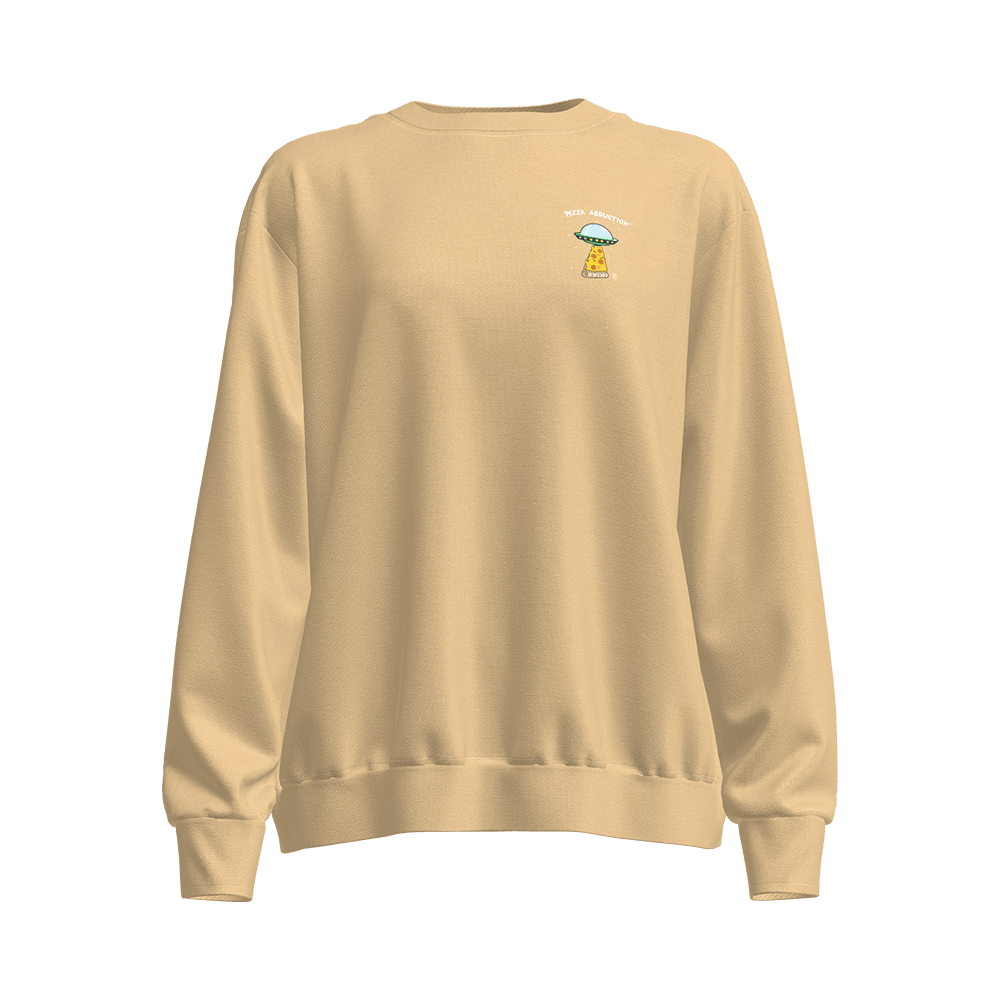
What are the characteristics of terry fabric?
Understanding Terry Fabric: Structural Composition and Functional Properties
Terry fabric stands as one of the most versatile and widely utilized textiles in the global market, distinguished by its unique looped pile construction that creates exceptional absorbency and plush comfort. This specialized textile has evolved significantly since its origins in the 1840s British textile revolution, transitioning from silk-based production to cotton-dominant manufacturing that prioritizes functionality and durability. The fabric's distinctive characteristics make it indispensable across multiple industries, from hospitality and healthcare to fashion and industrial applications.
For B2B buyers and procurement professionals, understanding the technical specifications and performance attributes of Terry Fabrics is essential for making informed sourcing decisions. The material's value extends far beyond its soft texture, encompassing critical factors such as GSM weight ratings, pile height measurements, fiber composition percentages, and absorbency coefficients that directly impact product performance and end-user satisfaction.
Structural Characteristics: The Science of Looped Pile Construction
The fundamental architecture of terry fabric centers on its looped pile construction, which fundamentally distinguishes it from flat-woven textiles. These loops, formed during specialized weaving or knitting processes, create a three-dimensional surface that dramatically increases the fabric's surface area and liquid retention capacity. The technical parameters governing loop formation directly influence the fabric's functional performance across all applications.
Pile Height Specifications and Performance Impact
Pile height represents one of the most critical structural variables, typically ranging from 2mm to 4.6mm in standard commercial productions. Research demonstrates that increasing pile height from 2mm to 4mm enhances water absorption rates by 25-35%, making taller piles optimal for high-performance towel applications. However, this improvement comes with trade-offs in tensile strength, with 4mm pile fabrics showing 8-12% reduction in warp-wise durability compared to 2mm variants. The optimal configuration for luxury bathrobes and premium hotel towels typically centers around 3.5mm pile height, balancing absorbency with structural integrity.
Pile Density and Fabric Thickness Relationships
Pile density, measured as loops per square inch, remains relatively consistent regardless of pile height variations. Standard commercial terry fabrics maintain densities between 15-25 loops per square centimeter, with higher densities correlating to increased fabric weight and enhanced plushness. The relationship between pile height and fabric thickness follows a linear progression, with each millimeter of additional pile height contributing approximately 0.4-0.6mm to overall fabric thickness.
GSM Weight Classifications: Standardized Categories for B2B Procurement
Grams per square meter (GSM) serves as the primary quantitative metric for terry fabric classification, providing buyers with standardized benchmarks for comparing product specifications across suppliers. The GSM spectrum for terry fabrics spans from lightweight 180 GSM variants to ultra-heavy 600+ GSM luxury grades, with each weight category serving distinct market segments and functional requirements.
Lightweight Category: 180-220 GSM
Lightweight terry fabrics in the 180-220 GSM range offer quick-drying properties and breathability ideal for gym towels, children's products, and travel accessories. These fabrics prioritize portability and rapid moisture evaporation over maximum absorbency, making them suitable for applications where frequent washing and fast turnaround times matter more than plush thickness.
Mid-Weight Apparel Range: 240-360 GSM
The 240-320 GSM category represents the most versatile weight range for apparel applications, particularly French terry constructions used in sweatshirts, hoodies, and loungewear. This mid-weight classification provides sufficient structure for garment construction while maintaining the softness and stretch characteristics that consumers expect from casual wear. Common specifications include 280 GSM for standard hoodies and 320 GSM for premium heavyweight sweatshirts.
Standard Bath and Hospitality: 350-500 GSM
Standard bath towel weights fall within the 350-500 GSM range, with 400 GSM representing the industry standard for household towel sets. Hotel-grade textiles typically require 500-600 GSM to meet durability and luxury expectations, with 500 GSM cotton terry featuring 3.5mm twisted loops demonstrating optimal performance characteristics for commercial hospitality applications.
Ultra-Heavy Luxury Segment: 600+ GSM
Ultra-heavy 600+ GSM fabrics cater to the luxury spa and premium hospitality markets, offering maximum plushness and absorbency at the cost of extended drying times. These heavyweight constructions require specialized laundering equipment and longer drying cycles, factors that B2B buyers must consider when calculating total cost of ownership.
| GSM Range | Primary Applications | Key Characteristics |
| 180-220 GSM | Gym towels, travel accessories | Quick-drying, lightweight, portable |
| 240-320 GSM | Sweatshirts, hoodies, loungewear | Balanced structure, good drape, versatile |
| 350-450 GSM | Standard bath towels | Optimal absorbency-to-weight ratio |
| 500-600 GSM | Hotel towels, luxury bathrobes | Maximum plushness, high durability |
| 600+ GSM | Spa textiles, premium throws | Ultimate luxury, extended drying time |
Fiber Composition Analysis: Performance Characteristics by Material
The fiber content of terry fabric fundamentally determines its performance characteristics, care requirements, and market positioning. While 100% cotton remains the dominant composition for premium applications, blended fabrics incorporating polyester, spandex, bamboo, hemp, and modal fibers address specific functional requirements and cost considerations.
100% Cotton Terry: Natural Performance Standards
Pure cotton terry, particularly combed or ring-spun varieties, delivers unmatched natural absorbency and biodegradability. Long-staple cotton varieties such as Egyptian or Pima cotton create fabrics with superior softness and reduced pilling tendencies. However, 100% cotton constructions exhibit shrinkage rates of 3-8% after initial washing, requiring pre-shrinking treatments or dimensional allowances during manufacturing.
Cotton-Polyester Blends: Durability Enhancement
Cotton-polyester blends, commonly formulated at 80/20, 70/30, or 60/40 ratios, enhance durability while reducing shrinkage to 2-5%. The polyester component improves color retention, wrinkle resistance, and dimensional stability, making these blends popular for institutional textiles requiring frequent industrial laundering. A typical 57% cotton/43% polyester blend at 300 GSM offers balanced performance for workwear and uniform applications.
Bamboo and Hemp Fiber Integration
Bamboo fiber integration, usually at 67% bamboo/28% cotton/5% spandex compositions, introduces natural antimicrobial properties and enhanced moisture-wicking capabilities. Bamboo terry fabrics demonstrate 340-380 GSM optimal weights for baby products and sensitive-skin applications, with the added benefit of UV resistance and thermal regulation.
Hemp-cotton blends at 55% hemp/45% cotton ratios provide exceptional durability and natural antimicrobial performance, with 340 GSM constructions suitable for industrial cleaning applications and reusable diaper systems. The hemp component increases tensile strength by approximately 15-20% compared to pure cotton equivalents while maintaining acceptable softness levels.
Spandex Integration for Stretch Applications
Spandex incorporation at 3-6% levels introduces two-way or four-way stretch capabilities essential for activewear and fitted garments. French terry with 95% cotton/5% spandex composition at 250-280 GSM enables freedom of movement while preserving the fabric's characteristic looped texture and moisture management properties.
Absorbency Mechanisms: Capillary Action and Fiber Properties
The exceptional absorbency of terry fabric derives from the combined effects of capillary action within the looped pile structure and the hydrophilic properties of cotton fibers. This dual mechanism enables terry fabrics to retain moisture volumes equivalent to 5-7 times the fabric's dry weight, significantly outperforming flat-woven textiles of comparable fiber composition.
Capillary Network Function
The looped construction creates thousands of miniature channels that draw liquid through capillary action, distributing moisture across the fabric surface rather than allowing pooling. This capillary network explains why terry towels can absorb water rapidly even when partially saturated. The surface area multiplier effect of looped versus flat construction typically ranges from 3:1 to 5:1 depending on pile height and density specifications.
Fiber-Level Absorbency Coefficients
Fiber-level absorbency depends on the crystalline structure of cellulose fibers. Cotton fibers can absorb up to 24-27 times their weight in water when fully saturated, though practical terry fabric applications rarely reach saturation levels above 60-70% of theoretical maximum. The presence of polyester fibers reduces overall absorbency proportionally to synthetic content, with an 80/20 cotton-polyester blend absorbing approximately 15-20% less moisture than pure cotton equivalents.
Absorption Rate Performance
Absorbency rate testing following AATCC 79 standards measures the time required for a droplet to penetrate the fabric surface. Optimized terry fabrics with 4mm pile height and medium tension settings demonstrate absorption times of 1-2 seconds, compared to 3-5 seconds for 2mm pile variants. This performance differential directly impacts user experience in towel and bathrobe applications where immediate moisture removal matters.
Yarn Tension Optimization
The relationship between pile yarn tension and absorbency follows an inverted U-curve, with medium tension (20 cN) producing optimal loop uniformity and capillary efficiency. Low tension (15 cN) creates irregular loops with reduced capillary connectivity, while high tension (25 cN) compresses loops and reduces available surface area for moisture capture.
Manufacturing Processes: Woven vs. Knitted Construction Methods
Terry fabric production employs two primary manufacturing methods: woven terry cloth produced on specialized dobby looms and knitted French terry created on circular knitting machines. Each method yields distinct structural characteristics suited to different end-use applications.
Woven Terry Cloth Production
Woven terry cloth manufacturing utilizes a double-beam system with separate ground and pile warp beams feeding into a dobby loom operating at 200-250 picks per minute. The ground warp creates the base fabric structure while the pile warp forms loops through controlled slack insertion during the beating process. This traditional method produces fabrics with loops on both surfaces, creating maximum absorbency for towel applications. Standard woven constructions achieve 500-600 GSM weights with pile heights of 3-4mm.
Circular Knitting for French Terry
The circular knitting process for French terry operates at higher speeds, typically 20-30 RPM for heavy fabrics, creating a single-sided loop structure with a smooth face and looped back. This construction method enables greater stretch and recovery properties essential for apparel applications. Modern circular knitting machines incorporate electronic pattern drives that can produce loop-free stripes or textured patterns during the knitting process.
Warp-Knitted Technical Terry
Warp-knitted terry fabrics, produced on tricot machines with EL pattern drives, offer superior dimensional stability compared to weft-knitted alternatives. These constructions typically combine cotton terry loops on one side with microfiber or polyester matrices on the reverse, creating dual-function fabrics for technical applications. The warp-knitted structure resists loop distortion during washing, maintaining appearance through 50+ industrial wash cycles.
Quality Control Protocols
Quality control during manufacturing focuses on loop uniformity, tension consistency, and defect detection. Automated vision systems identify skipped stitches, broken yarns, and irregular pile formation in real-time, enabling immediate corrective action. B2B buyers should verify that suppliers maintain ISO 9001 quality management certification and provide batch testing data for absorbency, tensile strength, and colorfastness parameters.
Durability and Performance Metrics: Service Life Expectations
The service life of terry fabric depends on the interplay between fiber strength, construction density, and laundering protocols. Properly manufactured terry textiles can withstand 150-300 domestic wash cycles or 50-100 industrial wash cycles while maintaining functional performance and aesthetic appearance.
Tensile Strength Specifications
Tensile strength testing per ASTM D5034 standards reveals significant variation based on construction parameters. Standard 500 GSM cotton terry cloth demonstrates warp-wise tensile strength of 400-600 Newtons, while 300 GSM French terry knits typically range from 250-400 Newtons. Higher pile heights correlate with reduced tensile strength due to increased yarn displacement during stress application.
Abrasion Resistance Ratings
Abrasion resistance, measured through Martindale testing, indicates the fabric's ability to withstand surface wear from friction. Hotel-grade terry fabrics rated for commercial use should achieve minimum 20,000 Martindale cycles without significant pile loss or base fabric exposure. Luxury residential towels typically require 10,000-15,000 cycle ratings for satisfactory durability.
Colorfastness and Shrinkage Stability
Colorfastness to washing and light exposure represents critical quality parameters for B2B buyers. Reactive dyeing methods achieve colorfastness ratings of 4-5 on the ISO 105-C06 scale, indicating minimal color loss after repeated washing. Polyester blends generally demonstrate superior color retention compared to 100% cotton, particularly for dark or vibrant colorways.
Shrinkage stabilization through pre-shrinking treatments or sanforization processes reduces residual shrinkage to 1-3% for cotton fabrics and under 1% for polyester blends. Unstabilized cotton terry can shrink 5-8% in length and 3-5% in width during initial laundering, potentially compromising finished product dimensions if not accounted for during cutting and sewing operations.
Pilling Resistance Factors
Pilling resistance depends on fiber length and yarn twist levels. Combed cotton yarns with staple lengths exceeding 28mm and twist factors of 1,000-1,200 T/M produce fabrics with minimal pilling tendencies. Fabrics with shorter staple fibers or low-twist yarns may develop surface pills after 20-30 wash cycles, detracting from visual appearance and tactile quality.
Application Spectrum: Market-Specific Requirements
The versatility of terry fabric enables its deployment across diverse market sectors, each imposing specific performance requirements and quality standards. Understanding these application-specific demands helps B2B buyers align procurement specifications with end-use functionality.
Hospitality and Institutional Markets
Hospitality and institutional markets represent the largest volume segment for terry fabric consumption. Hotel towel specifications typically require 500-600 GSM weight, 100% cotton or 80/20 cotton-polyester composition, and minimum 3.5mm pile height. These products must withstand daily industrial laundering at high temperatures while maintaining softness and absorbency. Healthcare applications prioritize antimicrobial finishes and high-temperature sterilization compatibility, often utilizing 100% cotton or bamboo blends at 400-500 GSM.
Apparel and Fashion Applications
Apparel and fashion applications favor French terry constructions at 240-360 GSM weights, with stretch blends containing 3-6% spandex dominating the activewear segment. The smooth face of French terry enables printing and embroidery decoration, while the looped interior provides moisture management during wear. Luxury loungewear brands increasingly specify 100% cotton or modal blends at 280-320 GSM for premium hand-feel and drape characteristics.
Baby and Childcare Products
Baby and childcare products demand the highest purity standards, with OEKO-TEX Standard 100 certification or organic cotton certification (GOTS) becoming baseline requirements. Weight specifications range from 250 GSM for lightweight bibs to 400 GSM for hooded bath towels. Hypoallergenic properties and absence of chemical finishes take precedence over maximum absorbency in this segment.
Industrial and Technical Applications
Industrial and technical applications utilize specialized terry constructions including Kevlar blends for heat-resistant protective gear, microfiber terry for precision cleaning cloths, and TPU-laminated terry for waterproof mattress protectors. These technical textiles often prioritize functional performance over traditional comfort metrics, with specifications tailored to specific operational requirements.
Home Textile Extensions
Home textile applications beyond towels include bath mats (600-800 GSM for stability), kitchen textiles (200-280 GSM for quick drying), and decorative throws (320-400 GSM for drape and warmth). Each application requires careful matching of weight, construction, and fiber content to performance expectations.
B2B Sourcing Considerations: Procurement Best Practices
B2B procurement of terry fabric requires systematic evaluation of supplier capabilities, quality assurance protocols, and logistical factors that impact total cost of ownership. Establishing clear specification parameters before engaging suppliers streamlines the sourcing process and reduces qualification time.
Minimum Order Quantities and Sampling
Minimum order quantities (MOQ) vary significantly based on fabric complexity and supplier scale. Standard cotton terry fabrics may require 300-500 kg minimums per color, while specialized constructions with custom dye formulations or proprietary fiber blends might require 1,000+ kg commitments. Sampling policies range from free A4-size swatches to paid sample yardage credited against bulk orders.
Lead Time Calculations
Lead time calculations must account for yarn procurement, knitting or weaving production, dyeing and finishing processes, and quality inspection. Standard lead times range from 15-25 days for stock colors and constructions, extending to 30-45 days for custom-developed fabrics. Peak season demand (Q3-Q4 for hospitality textiles) may extend lead times by 10-15 days.
Certification Requirements
Certification requirements should align with end-market regulations. OEKO-TEX Standard 100 certification addresses chemical safety for consumer textiles, while GOTS certification verifies organic fiber content and sustainable processing. BSCI or Sedex certifications demonstrate supplier commitment to ethical labor practices, increasingly important for brand compliance programs.
Pricing Structures and Volume Discounts
Pricing structures typically follow weight-based calculations with premiums for organic fibers, specialized finishes, or complex constructions. As of 2025, standard 300 GSM cotton French terry ranges from $4.50-6.50 per meter depending on order volume and certification status, while 500 GSM hotel-grade terry cloth commands $6.00-8.50 per meter. Volume discounts typically apply at 1,000 kg, 5,000 kg, and 10,000 kg breakpoints.
Quality Assurance Protocols
Quality assurance protocols should include pre-shipment inspection of roll weights, width consistency, color matching against approved standards, and physical testing of absorbency and tensile properties. Third-party laboratory testing through SGS, Intertek, or Bureau Veritas provides independent verification of compliance claims.
Care and Maintenance: Maximizing Product Lifespan
Proper care protocols significantly extend terry fabric service life and maintain performance characteristics through repeated use cycles. B2B buyers should provide care instructions aligned with fabric composition and end-use requirements to ensure customer satisfaction and reduce return rates.
Washing Temperature Guidelines
Washing temperature recommendations vary by fiber content. 100% cotton terry tolerates hot water washing up to 60°C for sanitization purposes, though 40°C washing preserves fiber integrity and color vibrancy over extended use. Polyester blends require maximum 40°C washing to prevent fiber degradation and pilling acceleration. Bamboo and modal fibers prefer cold to warm water (30-40°C) to maintain structural integrity.
Detergent and Additive Selection
Detergent selection impacts long-term fabric performance. Mild liquid detergents without optical brighteners or bleach agents preserve cotton fiber strength and color depth. Fabric softeners reduce absorbency by coating fiber surfaces with silicone-based compounds, making them unsuitable for towel applications where moisture retention matters. Bleach applications, even oxygen-based variants, weaken cotton fibers and should be limited to stain treatment rather than routine washing.
Drying Method Optimization
Drying methods influence shrinkage and texture retention. Tumble drying on medium heat (60-70°C) restores terry fabric loft and softness through mechanical agitation of pile loops. Over-drying or excessive heat exposure damages cotton fibers and reduces absorbency. Air drying preserves fiber strength but may result in stiff, flattened pile requiring brushing to restore texture.
Storage and Inventory Management
Storage considerations for bulk terry fabric inventory include climate-controlled environments maintaining 50-60% relative humidity to prevent mold growth and fiber degradation. Direct sunlight exposure causes photochemical degradation of cellulose fibers, necessitating covered storage or UV-protective wrapping for extended warehouse storage.
Industrial Laundering Protocols
Industrial laundering protocols for hospitality textiles should specify pH-neutral detergents, moderate mechanical action to prevent pile distortion, and adequate rinsing to remove chemical residues. Extractor speeds above 800 RPM may cause permanent pile crushing in high-GSM fabrics, suggesting 600-700 RPM as optimal for water removal without structural damage.
Innovation Trends: Future Developments in Terry Fabric Technology
The terry fabric sector continues evolving through technological innovation and sustainability initiatives that reshape manufacturing processes and product capabilities. B2B buyers monitoring these developments can identify competitive advantages and emerging market opportunities.
Sustainable Fiber Integration
Sustainable fiber integration represents the most significant trend, with recycled cotton, organic bamboo, and hemp fibers gaining market share across all application segments. Closed-loop production systems that recycle process water and capture fiber waste reduce environmental impact while lowering raw material costs. Carbon-neutral manufacturing certifications are becoming baseline requirements for major hospitality and retail brands.
Smart Textile Functionalities
Smart textile integration introduces functional capabilities beyond traditional absorbency. Antimicrobial treatments using silver-ion or copper-based technologies provide lasting odor control for athletic and healthcare applications. Phase-change material (PCM) integration enables temperature-regulating properties in bedding and apparel applications. Conductive fiber blends create terry fabrics suitable for wearable technology applications.
Digital Printing and Customization
Digital printing technologies enable short-run customization of terry products with photographic-quality designs. Direct-to-fabric printing on terry surfaces, once limited by pile height variations, now achieves acceptable resolution through advanced ink formulations and pre-treatment processes. This capability supports on-demand production models reducing inventory risk for seasonal or promotional terry products.
Lightweighting and Performance Optimization
Lightweighting trends drive development of high-performance low-GSM terry fabrics that maintain absorbency through advanced fiber engineering and construction optimization. Microfiber terry at 150-200 GSM achieves absorbency comparable to 300 GSM cotton terry through capillary action enhancement, offering weight and drying time advantages for travel and sports applications.
Advanced Manufacturing Efficiency
Circular knitting machine advancements increase production efficiency while enabling complex pattern integration. Electronic jacquard systems create terry fabrics with integrated logos, textures, or functional zones without secondary processing. Energy consumption reductions of 15-20% per meter produced improve manufacturing sustainability metrics while reducing production costs.
Frequently Asked Questions About Terry Fabric Characteristics
Q1: What is the optimal GSM weight for hotel-quality terry towels?
The optimal GSM weight for hotel-quality terry towels ranges from 500-600 GSM. This weight category provides the plushness and durability required for commercial hospitality applications while maintaining reasonable drying times. Research indicates that terry fabric with 500 GSM density and 3.5mm twisted loops delivers the best performance balance for hotel towel manufacturing.
Q2: How does pile height affect terry fabric absorbency?
Pile height directly correlates with absorbency performance. Increasing pile height from 2mm to 4mm enhances water absorption rates by 25-35% due to increased surface area and capillary channel volume. However, taller piles reduce tensile strength by 8-12%, requiring careful specification balancing for applications where durability matters as much as absorbency.
Q3: What shrinkage rates should B2B buyers expect from cotton terry fabrics?
Standard 100% cotton terry fabrics exhibit 3-8% shrinkage after initial washing without pre-shrinking treatments. Pre-shrunk or sanforized cotton terry reduces this to 1-3%. Polyester blends demonstrate superior dimensional stability with under 1% shrinkage for 80/20 or higher synthetic ratios.
Q4: Which fiber composition offers the best durability for institutional applications?
For institutional applications requiring frequent industrial laundering, 70/30 or 80/20 cotton-polyester blends offer optimal durability. The polyester component enhances color retention, reduces shrinkage, and improves resistance to pilling and abrasion. Pure cotton constructions, while more absorbent, show accelerated wear under industrial washing conditions.
Q5: What certifications should B2B buyers require for baby care terry products?
Baby care terry products should carry OEKO-TEX Standard 100 certification verifying absence of harmful chemicals, and ideally GOTS (Global Organic Textile Standard) certification for organic fiber content. CPSIA compliance is mandatory for products sold in the United States, ensuring lead and phthalate content falls within regulated limits.
Q6: How many wash cycles can premium terry fabric withstand?
Premium terry fabrics manufactured with long-staple cotton and proper construction can withstand 150-300 domestic wash cycles or 50-100 industrial wash cycles while maintaining functional performance. Hotel-grade 500-600 GSM terry cloth with reactive dyeing typically achieves 75-100 industrial cycles before showing significant wear.
Q7: What is the difference between French terry and standard terry cloth?
French terry features loops on one side and a smooth surface on the other, created through circular knitting processes. This construction offers greater stretch and lighter weight, typically 240-360 GSM, making it ideal for apparel. Standard terry cloth has loops on both sides, created through woven dobby loom processes, providing maximum absorbency at 400-600 GSM for towel applications.
Q8: How does yarn tension during manufacturing affect final fabric quality?
Yarn tension during manufacturing significantly impacts loop uniformity and fabric performance. Medium tension (20 cN) produces optimal loop formation and absorbency rates. Low tension (15 cN) creates irregular, loose loops with reduced durability, while high tension (25 cN) compresses loops and diminishes absorbency by 10-15%.
Q9: What are the key indicators of high-quality terry fabric?
Key quality indicators include consistent loop height and density across the fabric surface, tensile strength exceeding 400 Newtons for 500 GSM fabrics, absorbency rates under 2 seconds per AATCC 79 testing, colorfastness ratings of 4-5 on ISO scales, and absence of chemical odors indicating residual processing chemicals.
Q10: What lead times should buyers expect for custom terry fabric orders?
Standard lead times for custom terry fabric orders range from 30-45 days, accounting for yarn procurement, production, dyeing, finishing, and quality inspection. Stock colors and standard constructions may reduce this to 15-25 days. Peak season orders (Q3-Q4) typically extend lead times by an additional 10-15 days due to capacity constraints.
Don't hesitate to contact when you need us!

Step Ahead.
Nearly 30 years of experience in the textile industry is a valuable advantage of Golden Morning. Welcome to communicate with our team!
Become a Client
 +86-512-52528088
 +86-512-14546515
-
 [email protected]
[email protected]
[email protected] -

Company Address:
NO.218 QingDunTang Road changshu CityJiangsu Province(215500), ChinaFactory Address:
NO.19 Fuchunjiang East Road Southeast Economic Development Zone Changshu Jiangsu, China
