


 English
 한국어
한국어 中文简体
中文简体
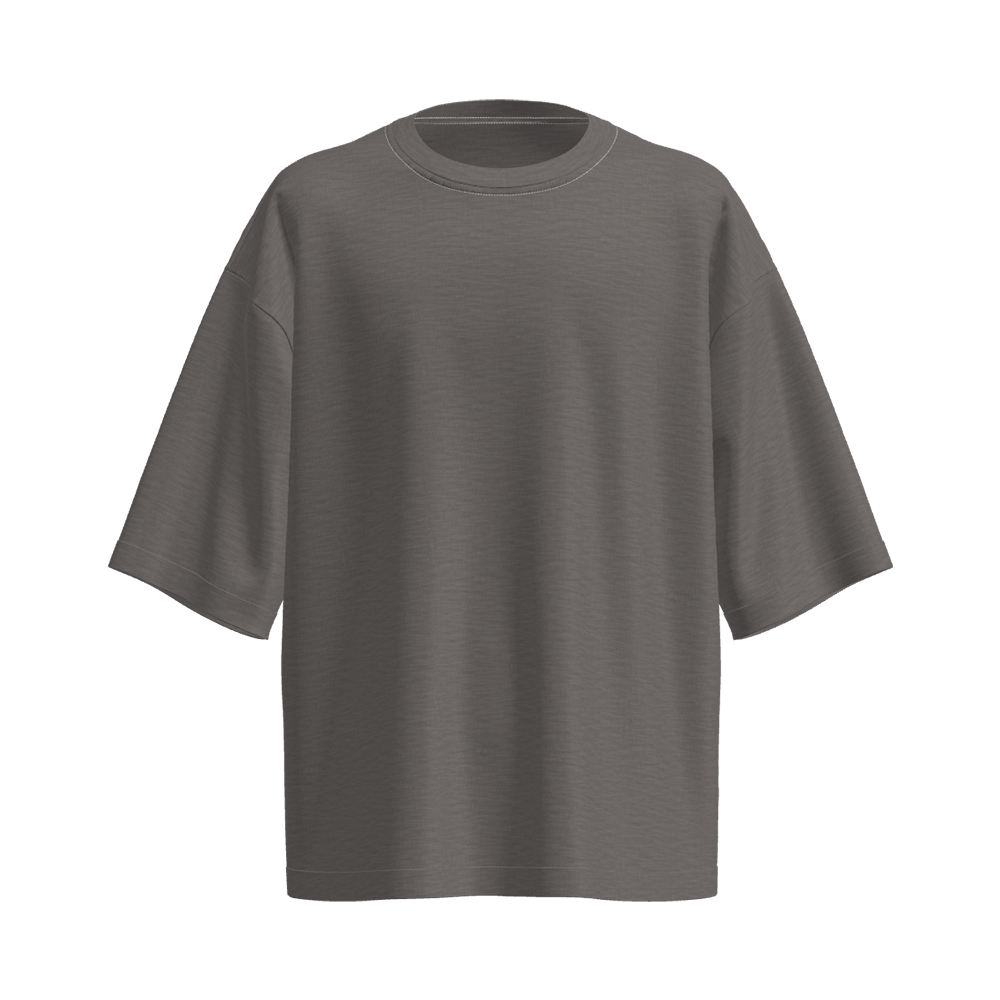
What are the key characteristics and versatile applications of Single Jersey Fabric
Core Definition and Structural Engineering of the Fabric
In the complex landscape of the global textile supply chain, Single Jersey Fabrics command a significant market share due to their fundamental versatility and manufacturing efficiency. As a foundational weft-knitted textile, its face side features a distinct V-shaped interlocking loop pattern, while the reverse side presents a series of semicircular loop structures. This unique single-sided construction grants the material an exceptional smoothness and a refined tactile feel, making it the primary substrate for a vast array of lightweight apparel and home textile products. For B2B procurement professionals, obtaining a deep understanding of this foundational architecture is the crucial first step in executing effective supplier evaluations and implementing rigorous cost control measures.
From a manufacturing and production engineering perspective, this material is typically constructed using high-speed circular knitting machines or flatbed knitting equipment. The production efficiency of this specific knit structure is remarkably high compared to woven alternatives or complex double knits. This means that within an identical production timeframe, manufacturing facilities can generate a substantially higher yield of fabric rolls. This high-capacity output directly influences its pricing advantages in large-scale B2B wholesale transactions. Because the mechanical structure is straightforward, yarn waste during the knitting process is minimized, thereby maximizing raw material utilization rates. Mastering these foundational production metrics enables procurement teams to accurately estimate true manufacturing costs during intense price negotiations with global textile mills.
Furthermore, the inherent physical nature of the single knit structure dictates certain behavioral characteristics, most notably its tendency to curl at the cut edges. When purchasing unfinished or greige fabric for offshore garment manufacturing, this characteristic requires careful consideration. Buyers must explicitly verify whether the prospective textile mill possesses advanced resin-finishing or heat-setting machinery to ensure that the dimensional stability of the fabric meets strict industrial mass-production standards. This is not merely a matter of material quality; it directly dictates the defect rates, cutting efficiency, and overall labor costs in the subsequent cut-and-sew phases of garment construction.
Crucial Physical Properties and Performance Evaluation Metrics
Accurately assessing the commercial value of a textile requires reliance on a series of rigorous, standardized physical parameters. For single knit products, one of the most critical indicators is the fabric weight, universally measured in Grams per Square Meter. Typically, the weight spectrum for this specific material ranges between one hundred and thirty grams to two hundred and fifty grams per square meter. Lighter configurations offer superior air permeability and are ideal for summer collections, whereas heavier configurations provide enhanced drape and thermal insulation. In comprehensive B2B purchasing specifications, buyers must mandate that the weight tolerance be strictly confined to a variance of plus or minus five percent to guarantee absolute consistency across massive bulk shipments.
Extensibility and the capacity for elastic recovery constitute another core evaluation matrix. Due to the looping geometry of the knitted structure, the material naturally possesses a degree of mechanical stretch in both the horizontal and vertical directions. However, the natural recovery rate of one hundred percent cotton fibers is inherently limited. If the end-use product is subjected to high-stress stretching and requires immediate shape retention, procurement managers must specify the blending of elastane or spandex fibers into the yarn matrix. This strategic adjustment in the bill of materials, while slightly elevating the raw material expenditure, significantly bolsters the premium market positioning and retail markup potential of the final garment.
Air permeability and moisture-wicking capabilities are equally critical performance indicators, heavily dependent on both yarn selection and subsequent chemical finishing processes. Specifying combed yarn rather than carded yarn not only drastically reduces surface hairiness but also elevates the overall breathability index. When submitting technical requirements to suppliers, explicitly defining the minimum acceptable grade for pilling resistance is non-negotiable. Standard industry practice dictates that the pilling grade, as evaluated by the Martindale abrasion testing protocol, must achieve a minimum rating of three to four. This serves as the baseline quality threshold to ensure long-term consumer satisfaction and protect brand integrity.
Fiber Composition Strategies and Value Engineering
The strategic selection of raw materials directly dictates both the ultimate performance attributes of the textile and the baseline procurement cost. Within the competitive B2B wholesale arena, buyers are presented with a multitude of fiber blending configurations, each meticulously engineered to target specific consumer demographics and operational profit margins.
- Pure Combed Cotton: Represents premium market positioning, offering superior skin-friendly attributes and anti-static properties, highly recommended for top-tier apparel programs.
- Polyester-Cotton Blends: Delivers an optimal balance of durability and comfort, presenting an exceptionally high cost-to-performance ratio while significantly mitigating shrinkage risks.
- Cellulosic Fibers: Materials such as modal or viscose impart an ultra-smooth, silk-like hand feel and luxurious drape, though they necessitate highly specialized reactive dyeing protocols.
- Elastomeric Blends: The integration of spandex resolves the inherent deformation vulnerabilities of pure cotton knits, substantially enhancing the structural integrity and contouring capabilities of activewear.
In the practical execution of supply chain operations, the pricing volatility of pure cotton raw materials is a constant challenge. Astute procurement directors must continuously monitor international cotton futures indices, enabling them to execute long-term supply contracts when commodity prices hit cyclical lows. Conversely, synthetic fiber prices maintain relative stability, making them highly suitable for strictly budgeted, high-volume promotional orders. Deconstructing the percentage of cost attributed to various fiber components is an essential prerequisite for engineering a highly resilient and cost-effective textile sourcing model.
Cross-Industry Application Scenarios and Market Demand Analysis
The profound versatility of this textile allows its application matrix to expand far beyond the boundaries of traditional apparel manufacturing. Within the garment sector, it serves as the foundational pillar for manufacturing t-shirts, loungewear, intimate apparel, and a diverse range of lightweight athletic garments. Its soft, body-conforming properties align perfectly with contemporary consumer demands for unrestricted comfort. For large-scale garment manufacturers, sourcing this material with consistent width and stable quality enables the maximization of automated cutting room efficiency, thereby aggressively diluting the per-unit production cost overhead.
Within the home textiles industry, its market penetration has been equally impressive. Over recent years, the global demand for knitted fitted sheets and duvet covers has experienced a sharp, upward trajectory. Compared to traditional woven bed linens, the micro-elasticity of knitted fabrics allows them to flawlessly contour to varying mattress dimensions. Furthermore, they resist stubborn creasing after industrial laundering, eliminating the need for labor-intensive ironing processes. These high-volume procurement programs typically demand that textile mills possess ultra-wide circular knitting machinery, placing stringent hardware requirements on prospective B2B suppliers.
In the realm of industrial and specialized protective gear, the application of advanced chemical finishes such as flame retardants, anti-static agents, or antimicrobial treatments allows this material to function as a highly effective internal lining. This cross-disciplinary application not only expands the commercial boundaries of the material but also provides heavily engineered, high-margin revenue streams for textile mills with robust research and development capabilities. When sourcing these highly regulated textiles, buyers must rigorously audit the supplier to verify compliance with international environmental and occupational safety certifications.
Strategic B2B Sourcing and Supply Chain Optimization
Navigating the highly fragmented and fiercely competitive textile market requires the implementation of scientifically backed sourcing strategies to preserve corporate cash flow and ensure rapid market responsiveness. The primary objective is to clearly define Minimum Order Quantity thresholds. Large-scale weaving and knitting facilities inherently impose high minimums for custom color formulations or specialized yarn counts. To circumvent these restrictive barriers, progressive buyers often deploy a greige fabric holding strategy. This involves committing to large volumes of un-dyed, base-level fabric, which is held in the mill's warehouse, and subsequently issuing smaller, highly targeted dyeing directives based on real-time retail sales data.
The precise management of production lead times serves as the beating heart of supply chain orchestration. From the initial procurement of yarn to the intricate phases of knitting, dyeing, and comprehensive quality assurance, a standard custom manufacturing cycle generally spans thirty to forty-five days. If the technical specifications require customized spinning of bespoke yarns, this timeline can be drastically extended. Therefore, constructing an empirical supplier evaluation matrix is critical. This matrix must aggressively weight the factory's daily production capacity, historical on-time delivery rates, and their agile capacity to absorb sudden, unforecasted order surges.
Furthermore, geographical positioning and global logistics infrastructure represent vital elements of the total landed cost equation. Partnering with suppliers situated in close proximity to major deep-water ports or robust rail networks can significantly compress inland transportation expenditures and transit times. For enterprises engaged in complex transnational sourcing, maintaining a thorough understanding of localized tariff structures and bilateral free trade agreements facilitates the legal avoidance of punitive import duties, thereby securing a formidable competitive advantage in the final landing cost calculation.
Cost Structure Deconstruction and Negotiation Leverage
To dominate B2B procurement negotiations, a buyer must possess an absolute, granular understanding of the textile's internal cost architecture. Generally speaking, raw yarn expenditures account for approximately sixty percent of the total invoice value. The mechanical knitting process represents roughly fifteen percent, while the complex chemical dyeing and final finishing stages consume the remaining twenty-five percent. When reviewing submitted quotations, buyers should aggressively mandate that suppliers provide a fully transparent, itemized breakdown based on these three foundational modules.
| Cost Component Module | Primary Driving Factors | Strategic Negotiation Tactics |
|---|---|---|
| Raw Yarn Material | Fiber classification, yarn count, combed versus carded grades | Consolidate volume across seasons to secure bulk discounts; track commodity futures |
| Knitting Operations | Machine gauge, fabric weight, complexity of knit structure | Standardize specifications to maximize machine uptime and eliminate changeover costs |
| Dyeing and Finishing | Depth of shade, color fastness requirements, eco-friendly dye usage | Batch similar color families together to minimize dye vat cleaning and water waste |
Beyond these explicit operational costs, highly effective buyers meticulously calculate hidden expenditures, most notably the financial drain caused by defect rates and shrinkage loss. By embedding stringent penalization clauses regarding material yield loss directly into the master purchasing agreement, buyers force the manufacturing facility to elevate their internal quality control protocols, indirectly safeguarding the buyer against invisible economic leakage. Additionally, because dark and deeply saturated colors require significantly more dye stuff and extended, energy-intensive washing cycles, their processing fees are inherently higher than pastel shades; this variable must be accurately modeled during the initial budget planning phase of any apparel collection.
Quality Assurance and Bulk Inspection Standardization
Unwavering quality consistency is the lifeline of bulk commodity sourcing. Prior to the authorization of mass production, the rigorous approval of pre-production samples is a mandatory checkpoint. These samples must not only validate the visual color match but must also undergo exhaustive laboratory testing to confirm mechanical properties. Once bulk manufacturing commences, implementing the internationally recognized four-point inspection system is the standard operational procedure. This objective methodology assigns penalty points based on the size and severity of surface defects such as holes, dropped stitches, or oil stains, culminating in an empirical grade for every single roll of fabric.
Color fastness remains the paramount concern during bulk cargo inspections. This metric directly determines whether the end consumer will experience catastrophic color bleeding or fading after standard domestic laundering. Procurement contracts must establish absolute minimum passing grades for color fastness to wet and dry rubbing, fastness to washing, and fastness to artificial light, precisely aligned with the regulatory demands of the target retail market. For textiles destined for the heavily regulated European or North American retail sectors, a minimum rating of grade four across all fastness categories is universally demanded.
Finally, dimensional stability testing must be executed without compromise. Buyers must require the textile mill to furnish certified laboratory reports detailing the percentage of shrinkage in both the course and wale directions following high-temperature laundering simulations. If the documented shrinkage exceeds the contractual limits, the buyer must compel the factory to process the entire batch through a mechanical pre-shrinking compactor prior to shipment. To guarantee absolute transparency and eliminate conflict of interest, sophisticated B2B buyers routinely mandate that accredited, third-party inspection agencies conduct localized, randomized audits, releasing the final payment only upon the presentation of a flawless inspection certificate.
Frequently Asked Questions (FAQ)
Q1: When sourcing these specific textiles in bulk, how can procurement teams effectively mitigate batch-to-batch color variation?
Mastering color consistency begins at the raw material phase. Buyers must enforce a policy requiring the supplier to utilize yarn from a single, uniform spinning lot for the entirety of the order, eliminating the differential dye-absorption rates found in disparate yarn batches. Furthermore, during the dyeing phase, the mill must be legally bound to evaluate colors under specifically contracted, standardized light sources. Establishing a strict numeric Delta E tolerance using digital spectrophotometers provides irrefutable, data-driven color verification.
Q2: What is the technical cause behind severe seam twisting or spirality in knitted garments after consumer laundering?
Spirality is primarily driven by residual torque generated during the yarn spinning process, compounded by uneven mechanical tension applied by the circular knitting machine. To eradicate this critical flaw, B2B buyers must stipulate in the manufacturing contract that the fabric undergoes specialized anti-torque finishing treatments. Alternatively, specifying the use of plied yarns or S/Z twist alternating knitting techniques effectively neutralizes internal material stresses.
Q3: What analytical methods can buyers use to verify if a textile mill's price quotation represents fair market value?
A legitimate, defensible quotation must be rooted in publicly accessible commodity pricing. Sophisticated buyers utilize an open-costing formula: Current Yarn Cost + Standardized Knitting Fee + Expected Dyeing Surcharge + Permissible Defect Allowance + Reasonable Mill Profit. Soliciting bids from a minimum of three geographically distinct suppliers, while aggressively demanding completely itemized cost breakdowns, is the most robust strategy for identifying and eliminating hidden profit margins.
Q4: What specific packaging protocols must be enforced to protect massive shipments of fabric during intercontinental maritime transit?
Packaging integrity is directly correlated to transit security. Procurement specifications must dictate the use of double-layered, high-micron polyethylene wrapping to provide absolute defense against moisture ingress and oil contamination. Heavy-duty cardboard tubes must be inserted at both ends of the roll to prevent crushing of the fabric selvedge under heavy stacking pressure. Crucially, every roll must feature a highly legible, scannable barcode label detailing the dye lot, roll number, exact GSM, precise width, and accurate net weight to facilitate seamless warehouse intake and inventory digitization.

Don't hesitate to contact when you need us!

Step Ahead.
Nearly 30 years of experience in the textile industry is a valuable advantage of Golden Morning. Welcome to communicate with our team!
Become a Client
 +86-512-52528088
 +86-512-14546515
-
 [email protected]
[email protected]
[email protected] -

Company Address:
NO.218 QingDunTang Road changshu CityJiangsu Province(215500), ChinaFactory Address:
NO.19 Fuchunjiang East Road Southeast Economic Development Zone Changshu Jiangsu, China
