


 English
 한국어
한국어 中文简体
中文简体
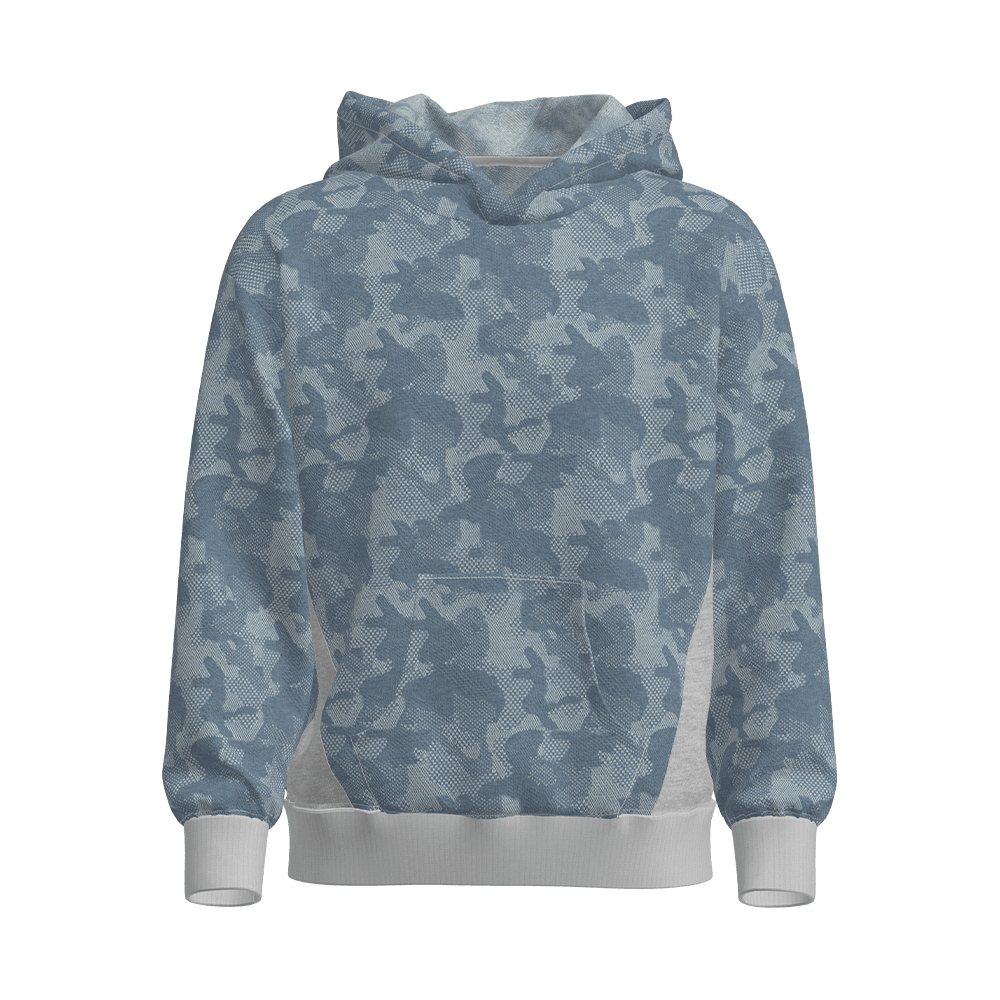
Understanding Different Types of Fleece
What Is Fleece Fabric
Fleece fabric is a synthetic textile material renowned for its exceptional softness, warmth, and versatility. Despite its name suggesting a connection to sheep wool, modern fleece is entirely man-made, typically constructed from polyester fibers derived from recycled plastic bottles. The fabric features a distinctive fuzzy texture created through specialized manufacturing processes that brush the surface to raise fine fibers, forming thousands of tiny air pockets that trap heat effectively.
The development of fleece revolutionized the textile industry by offering a lightweight alternative to traditional wool that delivers comparable warmth without the associated weight or itchiness. Polyester fleece differs from natural wool in that it provides superior moisture resistance and faster drying capabilities, making it particularly valuable for activewear and outdoor applications. The material's unique structure allows it to wick perspiration away from the skin while maintaining thermal insulation, creating an optimal microclimate for the wearer.
Fleece Weight Classification System
Understanding fleece weight measurements is essential for selecting the appropriate material for specific applications. Fabric weight is measured in grams per square meter (GSM), which indicates the density and thickness of the material. The GSM value directly correlates with warmth, durability, and intended use cases.
Lightweight Fleece (100-200 GSM)
Lightweight fleece fabrics in the 100-200 GSM range offer minimal bulk with moderate insulation. Microfleece, the most common type in this category, typically weighs between 150-200 GSM. This weight class is ideal for layering pieces, activewear, and transitional weather garments where breathability takes priority over maximum warmth. The thinner profile allows for greater mobility and makes these fabrics suitable for indoor loungewear and sleepwear.
Midweight Fleece (200-300 GSM)
Midweight fleece represents the most versatile category, with standard polar fleece typically falling within the 200-300 GSM range. A 220 GSM fleece fabric strikes an optimal balance between warmth and wearability, providing sufficient insulation for cool weather while remaining breathable enough for active use. This weight class is commonly used for hoodies, lightweight jackets, and year-round blankets.
Heavyweight Fleece (300+ GSM)
Heavyweight fleece fabrics exceeding 300 GSM deliver maximum thermal retention for extreme cold conditions. These materials provide substantial insulation comparable to much thicker natural fibers while maintaining the lightweight characteristics inherent to synthetic construction. A 345 GSM fleece offers heavy warmth suitable for winter outerwear and cold-weather accessories, though it sacrifices some breathability compared to lighter alternatives.
| Weight Category | GSM Range | Primary Applications | Warmth Level |
| Lightweight | 100-200 GSM | Base layers, activewear, sleepwear | Moderate |
| Midweight | 200-300 GSM | Jackets, hoodies, blankets | High |
| Heavyweight | 300+ GSM | Winter coats, extreme cold gear | Maximum |
Major Types of Fleece Fabric
Polar Fleece (Anti-Pill Fleece)
Polar fleece represents the most widely recognized category of fleece fabric, characterized by its medium thickness and soft texture on both sides. Standard polar fleece typically weighs between 200-300 GSM and features an anti-pill finish that resists the formation of fuzzy balls on the surface after repeated washing and wear. The fabric exhibits some stretch in all directions, enhancing comfort and fit in garment applications.
The manufacturing process for polar fleece involves knitting polyester fibers into a base fabric, then brushing the surface to create the characteristic fuzzy nap. Anti-pill treatments are applied to maintain the fabric's appearance over time. This type of fleece is available in the broadest range of colors and patterns, making it suitable for diverse applications from blankets and scarves to casual jackets and craft projects.
Microfleece
Microfleece is defined by its weight classification—any fleece fabric weighing 200 GSM or less qualifies as microfleece. This lightweight variant features a smoother surface with less bulk than standard polar fleece, offering superior drape and stretch characteristics. The reduced pile height creates a thinner profile that excels in layering applications where bulk reduction is essential.
The technical specifications of microfleece make it particularly valuable for performance apparel. Its lightweight construction allows for efficient moisture transport away from the skin, while the dense fiber structure maintains thermal regulation. Common applications include lightweight jackets, athletic base layers, baby clothing, and garment linings where warmth without weight is desired.
Sherpa Fleece
Sherpa fleece is engineered to replicate the appearance and texture of natural sheep's wool, featuring a distinctive bumpy, curly surface texture. This 100% polyester fabric is exceptionally thick and warm, typically constructed with a fluffy face and a smooth backing side that facilitates sewing and construction. The material is available primarily in cream and white colorations, though limited dyed options exist.
The unique texture of sherpa fleece creates an luxurious aesthetic while providing substantial insulation. The fabric is commonly used for jacket linings, blanket backing, boot cuffs, and decorative home accessories. Due to its significant bulk, sherpa requires heavy-duty sewing equipment and specialized construction techniques, making it more challenging to work with than standard fleece varieties.
Coral Fleece
Coral fleece is distinguished by its exceptionally soft, velvety texture created from fine polyester fibers. Weighing typically between 180-400 GSM, this fabric offers superior insulation properties combined with a plush hand feel. The surface features a dense, short pile that resembles coral formations, providing both visual appeal and tactile comfort.
The manufacturing process for coral fleece involves knitting fine-denier polyester yarns and subjecting them to specialized brushing treatments that create the characteristic plush surface. This fabric is particularly popular for baby products, luxury blankets, loungewear, and bedding accessories where maximum softness is the primary requirement.
French Terry Fleece
French terry fleece differs from conventional fleece in that it remains unbrushed on both sides, lacking the characteristic fluffy nap. This construction results in a thinner, flatter fabric that sits closer to the body. The fabric features a looped back structure that provides moderate insulation while maintaining a smooth exterior appearance.
The unique construction of French terry makes it ideal for applications requiring a more structured appearance without the bulk of brushed fleece. Common uses include sweatshirts, casual pants, and lightweight jackets where a cleaner aesthetic is preferred over maximum warmth.
Slub Fleece
Slub fleece is created by knitting yarns of two different sizes or by using yarn twisted together, resulting in a fabric with intentional textural variation. The irregular thickness creates a distinctive visual interest that differentiates it from the uniform appearance of standard fleece. This textural quality adds depth and character to finished garments.
The aesthetic appeal of slub fleece makes it popular for fashion-forward applications where visual texture is desired. The fabric maintains the warmth and comfort characteristics of standard fleece while offering a more sophisticated appearance suitable for premium casual wear.
Performance and Technical Fleece Varieties
Performance Fleece for Athletic Applications
Performance fleece is engineered specifically for athletic and outdoor activities, incorporating technical features that enhance functionality beyond basic insulation. These fabrics typically feature moisture-wicking properties that transport perspiration away from the skin to the outer surface where it can evaporate rapidly. Wind-resistant coatings are often applied to reduce heat loss in breezy conditions.
The construction of performance fleece prioritizes durability and quick-drying capabilities over plush softness. The fabric surface is typically less fuzzy and more structured than recreational fleece varieties, reducing drag and improving mobility during physical activity. Durable water repellent (DWR) finishes are commonly applied to shed light precipitation.
Lycra Spandex Fleece
Lycra spandex fleece incorporates a small percentage of elastic fiber—typically 5% or less—into a cotton or polyester base to create a stretchy fabric with enhanced recovery properties. This composition allows the material to conform closely to the body while maintaining shape retention after stretching. The added elasticity makes this fleece type particularly suitable for fitted garments and activewear requiring freedom of movement.
Bonded Fleece
Bonded fleece consists of two layers of fleece material laminated together with an intermediate bonding layer, creating an extra-thick, highly insulating textile. This construction provides enhanced wind resistance and structural stability compared to single-layer alternatives. The resulting fabric is substantially heavier and warmer, often exceeding 400 GSM in total weight.
The dual-layer construction makes bonded fleece suitable for extreme cold weather applications where maximum thermal protection is required. However, the significant bulk and minimal stretch characteristics require specialized construction techniques and equipment, making this variety less suitable for standard home sewing projects.
Manufacturing Process and Technical Specifications
The production of fleece fabric involves several specialized stages that transform raw polyester fibers into the finished textile. The process begins with the selection of high-quality polyester fibers, which may be virgin material or recycled from post-consumer plastic sources. These fibers are spun into yarn and knitted into a base fabric using circular knitting machines.
The critical step in fleece production is the brushing process, where specialized machines raise fine fibers from the knitted base to create the characteristic fuzzy surface. This operation is typically performed on one or both sides of the fabric depending on the desired end product. Following brushing, the fabric undergoes shearing to trim the raised fibers to a uniform length, enhancing both appearance and tactile qualities.
Quality control measures are implemented throughout the manufacturing process to ensure consistency in weight, texture, and performance characteristics. Testing for pilling resistance, color fastness, dimensional stability, and thermal retention verifies that the finished fabric meets specified standards. Advanced finishing treatments may include anti-static applications, water repellency, or anti-pill coatings to enhance performance.
Applications and Use Cases by Fleece Type
Apparel Applications
Different fleece types excel in specific garment categories based on their weight and texture characteristics:
- Microfleece (150-200 GSM): Ideal for base layers, lightweight jackets, and athletic wear where moisture management and minimal bulk are priorities
- Polar Fleece (200-300 GSM): Suitable for casual jackets, hoodies, vests, and mid-layer insulation in cool weather
- Sherpa Fleece: Primarily used for jacket linings, winter coat interiors, and cold-weather accessories requiring maximum warmth
- French Terry: Preferred for sweatshirts, joggers, and casual pants where a smoother exterior is desired
Home Textile Applications
Fleece fabrics are extensively used in home textiles due to their softness and warmth retention:
- Coral Fleece: Luxury blankets, decorative throws, and bedding accessories
- Blizzard/Plush Fleece (300+ GSM): Premium blankets, pet beds, and decorative pillows
- Printed Polar Fleece: Themed blankets and seasonal home decorations
Outdoor and Technical Applications
Performance-oriented fleece varieties serve specialized functions in outdoor gear:
- Performance Fleece: Hiking jackets, running gear, and technical mid-layers
- Bonded Fleece: Heavy-duty winter outerwear and extreme cold weather equipment
- Wind-Resistant Fleece: Shell garments and outer layers in variable conditions
Care and Maintenance Guidelines
Proper care extends the lifespan of fleece garments and maintains their performance characteristics. Polyester fleece is machine washable and quick-drying, though specific care requirements vary by fleece type and weight.
General care recommendations include:
- Wash in cold or warm water (not exceeding 40°C) to prevent fiber damage
- Use mild detergent without fabric softeners, which can coat fibers and reduce moisture-wicking properties
- Tumble dry on low heat or air dry to prevent shrinkage and maintain texture
- Avoid ironing directly on the fleece surface; if necessary, use low heat with a pressing cloth
- Store folded rather than hung to prevent stretching, particularly for heavier weights
Anti-pill fleece varieties resist the formation of surface fuzz balls better than standard fleece, but all fleece may develop some pilling with extended use. Removing pills with a fabric shaver can refresh the appearance of older garments.
Frequently Asked Questions About Fleece Fabrics
Q1: What is the difference between microfleece and polar fleece?
Microfleece is defined by weight—any fleece weighing 200 GSM or less qualifies as microfleece. It is thinner, smoother, and more breathable than polar fleece, making it ideal for layering and activewear. Polar fleece typically weighs 200-300 GSM, offering greater warmth and a fuzzier texture on both sides.
Q2: Is fleece fabric warm enough for winter weather?
Yes, heavyweight fleece (300+ GSM) provides substantial insulation suitable for cold weather. A 345 GSM fleece offers warmth comparable to much heavier materials while remaining lightweight. For extreme cold, bonded fleece or sherpa-lined garments provide maximum thermal protection.
Q3: Does fleece fabric pill over time?
Standard fleece may develop surface pills with repeated washing and wear. However, anti-pill fleece varieties are treated during manufacturing to resist fuzz ball formation. Choosing anti-pill polar fleece and following proper care instructions significantly extends the fabric's smooth appearance.
Q4: Can fleece be made from recycled materials?
Yes, many fleece fabrics are manufactured from recycled polyester derived from post-consumer plastic bottles. This sustainable approach reduces environmental impact while maintaining the performance characteristics of virgin polyester fleece.
Q5: Is fleece breathable enough for exercise?
Lightweight and performance fleece varieties are specifically designed for athletic use. Microfleece and technical performance fleece offer excellent breathability and moisture-wicking properties, making them suitable for running, hiking, and other physical activities where temperature regulation is important.
Q6: How do I choose the right fleece weight for my project?
Select fleece weight based on intended use and climate conditions. Use 100-200 GSM for layering and indoor wear, 200-300 GSM for general cool weather applications, and 300+ GSM for maximum warmth in cold conditions. Consider whether breathability or insulation is the priority for your specific application.
Don't hesitate to contact when you need us!

Step Ahead.
Nearly 30 years of experience in the textile industry is a valuable advantage of Golden Morning. Welcome to communicate with our team!
Become a Client
 +86-512-52528088
 +86-512-14546515
-
 [email protected]
[email protected]
[email protected] -

Company Address:
NO.218 QingDunTang Road changshu CityJiangsu Province(215500), ChinaFactory Address:
NO.19 Fuchunjiang East Road Southeast Economic Development Zone Changshu Jiangsu, China
