


 English
 한국어
한국어 中文简体
中文简体
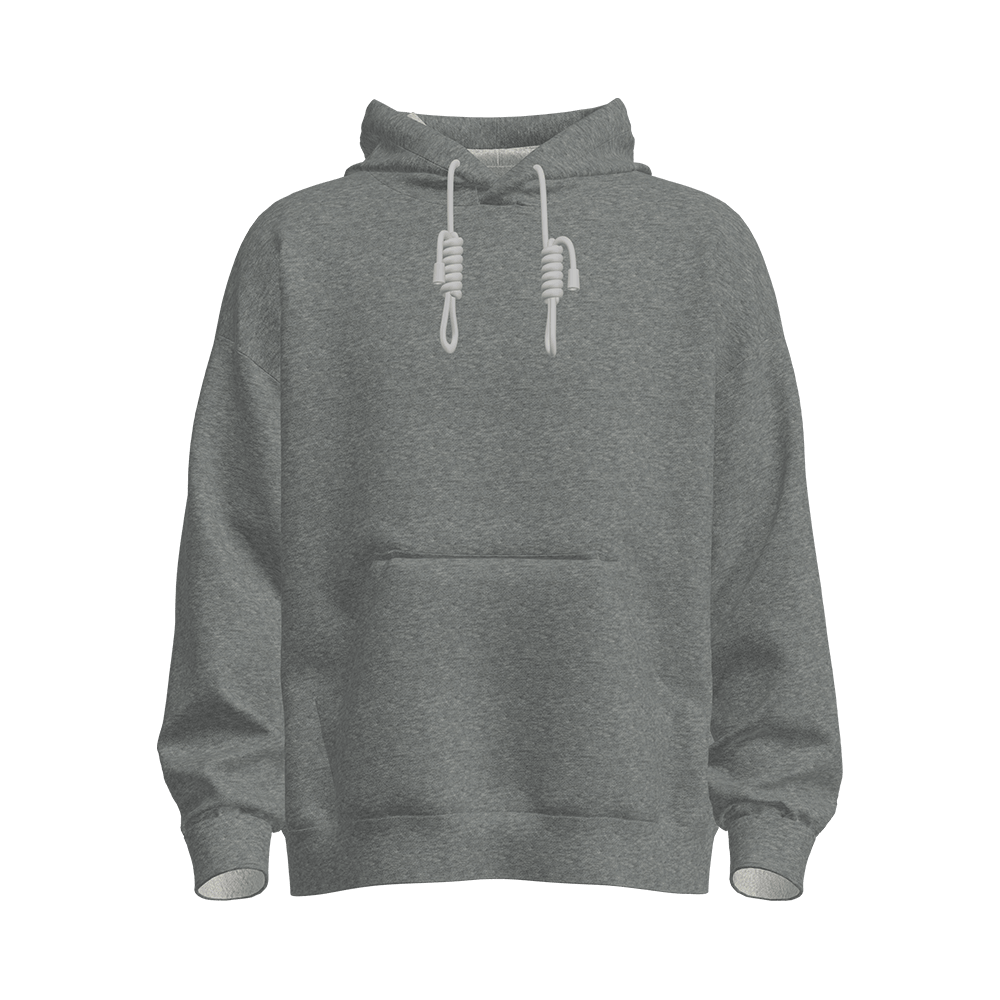
What Are the Differences Between the Various Types of Fleece Fabrics?
Understanding the Foundations of Fleece Textiles
Fleece has revolutionized the modern textile industry, transitioning from a specialized outdoor performance material to a staple fabric across fashion, activewear, and home textiles. At its core, standard fleece fabric is a synthetic insulating knit fabric, typically manufactured from polyethylene terephthalate (PET) or other synthetic fibers like polyester. By brushing the knit surface, manufacturers create a raised, lofted structure that traps air, providing exceptional thermal retention without adding excessive weight.
However, the term fleece covers a vast range of materials, each engineered with specific structural characteristics, weights, and finishes. Selecting the ideal variant requires a deep technical understanding of yarn structures, finishing mechanical processes, and fiber densities. This guide delivers an exhaustive technical breakdown of the dominant varieties available in the market today.
Decoding Fleece Fabric Weight (GSM) and Density
The performance, drape, and thermal efficiency of any fleece are fundamentally determined by its weight, measured globally in Grams per Square Meter (GSM). Understanding fleece fabric weight (GSM) allows designers and material sourcers to match the fabric to its intended climate and performance level.
Lightweight Fleece
100 to 200 GSM
Often categorized as thin fleece fabric, these materials prioritize breathability and flexibility over high insulation. They are highly packable and serve as excellent next-to-skin layers or light transitional garments.
Mid-weight Fleece
200 to 300 GSM
The most versatile category, offering an optimal balance of thermal insulation and breathability. This weight is standard for everyday outerwear, technical mid-layers, and premium casual apparel.
Heavy-weight Fleece
300+ GSM
Engineered for extreme cold environments, heavy-weight fleece maximizes thermal retention through a deep, dense pile. These fabrics are thicker, less packable, and frequently utilized for rugged cold-weather jackets and heavy blankets.
To assist in technical sourcing, the table below delineates the structural differences, primary applications, and performance attributes across these weight classifications:
| Weight Class | GSM Range | Primary Applications | Thermal vs Breathability Ratio |
|---|---|---|---|
| Lightweight / Thin | 100 - 199 GSM | Running shirts, base layers, garment linings | Low Thermal / High Breathability |
| Mid-weight | 200 - 299 GSM | Sweaters, casual jackets, throw blankets | Balanced Thermal / Moderate Breathability |
| Heavy-weight | 300 - 450+ GSM | Winter coats, workwear, heavy outdoor gear | Maximum Thermal / Low Breathability |
Polar Fleece vs Micro Fleece: The Structural Divergence
In the textile sourcing market, the debate of polar fleece vs micro fleece arises frequently. While both are synthetic insulation materials, their differences lie in yarn fineness, manufacturing density, and surface texture.
Polar fleece is the traditional standard for outdoor insulation. It features a distinct, visible double-sided lofted pile created by mechanical napping. This structural depth allows it to trap a significant volume of air, making it highly efficient for static warmth in cold conditions. However, the larger yarn denier means it can feel slightly coarser to the touch compared to modern microfibers.
Micro fleece is a highly refined subcategory of polar fleece. It is manufactured exclusively using microfibers, which are ultrafine synthetic filaments measuring less than 1 denier per filament. This ultra-fine yarn composition results in a incredibly soft, low-profile face that feels smooth against the skin. Micro fleece is inherently a thin fleece fabric, making it ideal for high-exertion sports where moisture management and lightweight flexibility are critical.
Mechanical Finishing: Brushed vs Unbrushed Fleece
The mechanical treatments applied to a knit fabric after it emerges from the knitting machine dictate its ultimate skin feel, thermal capacitance, and internal structural stability. This brings us to the crucial manufacturing distinction between brushed and unbrushed surfaces.
What is Brushed Fleece?
To answer what is brushed fleece, one must look at the mechanical post-knitting finishing line. After the base fabric is constructed, it is routed through heavy industrial brushing machinery equipped with wire-bristled rollers. These rotating metal teeth gently tear into the surface loops of the knit yarn, breaking individual filaments and lifting them upward.
This action transforms flat loops into a highly continuous, fuzzy, lofted fiber pile. The primary benefit of brushed fleece is its exceptional soft feel against the skin and its increased insulation capacity, as the disrupted fibers create millions of microscopic air pockets that effectively hold body heat.
What is Unbrushed Fleece?
Conversely, understanding what is unbrushed fleece requires analyzing a fabric that omits this aggressive mechanical lifting process. Instead of being napped, the interior loop structure created during the circular or flat knitting cycle remains completely intact and undisturbed.
Commonly seen in classic French terry fabrics, the interior shows uniform, clean loops. Unbrushed fleece is significantly flatter, less bulky, and has a crisper structural drape. It provides less thermal insulation compared to its brushed counterpart but excels in moisture management, air circulation, and durability, as the fibers have not been mechanically broken.
Modern Variations: Sponge Fleece vs Classic Fleece
As spinning techniques and polymer blends advance, contemporary material engineering has introduced specialized modifications to classic synthetic fleece. A notable modern comparison is sponge fleece vs classic fleece.
Classic fleece relies entirely on standard polyester yarn processing, yielding a sturdy, reliable insulation layer focused strictly on utility and outdoor thermal performance. While highly durable, it can sometimes lack structural fluidity and can possess a rigid hand-feel after multiple laundry cycles.
Sponge fleece represents a premium evolution in casualwear textiles. It incorporates specialized yarn-spinning methods where the individual polyester filaments are blended with high-grade combed and ring-spun cotton or rayon, combined with a highly specialized finishing wash. This creates an ultra-plush, compressible, bouncy hand-feel reminiscent of a sponge. It offers superior multi-directional stretch, a luxurious drape, and a smoother printing surface for apparel manufacturers, bridging the gap between performance insulation and high-end street fashion.
Advanced and Specialty Fleece Varieties
Beyond standard athletic and utility variants, specialty manufacturing processes generate unique surface textures and visual aesthetics designed for luxury fashion, home upholstery, and targeted performance insulation.
Velour Fleece
Characterized by a dense, closely cropped pile, velour fleece mimics the rich sheen and luxurious drape of traditional woven velour or velvet. During production, the knit loops are cut uniformly and then brushed, resulting in a fabric that reflects light elegantly across its surface while maintaining the inherent stretch, warmth, and easy-care properties of a polyester knit.
Coral Fleece
Representing a step up in softness from standard polar fleece, coral fleece is engineered using specialized microfibers that feature a higher pile height. The finishing process allows the fiber bundles to cluster slightly together, resembling marine coral formations. This creates an incredibly plush, thick, furry texture that is exceptionally gentle on sensitive skin, making it the preferred choice for high-end blankets, lounge robes, and infant apparel.
Textured Fleece Fabric
When aesthetics must match technical utility, manufacturers deploy textured fleece fabric. This category encompasses materials where geometric designs, ripples, or grids are physically embossed or knitted into the face of the fabric. Examples include grid fleece—which uses recessed channels between blocks of brushed fleece to enhance airflow and moisture movement—and jacquard fleece, which incorporates intricate woven patterns directly into the insulation layer.
Technical Note: Surface texturing isn't merely aesthetic. Advanced variants like grid-patterned textured fleece fabric optimize the warm-to-weight ratio by reducing material mass while maintaining depth where it counts to trap warmth.
The Importance of Anti-Pill Engineering
One of the primary challenges with lower-grade synthetic brushed fabrics is pilling—the formation of small, tangled knots of fibers on the surface caused by friction, wear, and laundering. To counteract this, premium manufacturers produce anti-pill fleece.
The anti-pill effect is achieved through a specialized chemical or mechanical shearing process during final fabrication. The fabric is treated with targeted heat or specific anti-shearing chemical agents that singe or bond the loose, broken fiber tips resulting from the brushing process. Alternatively, high-precision shearing blades slice away loose ends cleanly, preventing them from tangling during subsequent use. Utilizing anti-pill fleece ensures that garments maintain their clean appearance, structural density, and insulation capacity over an extended operational life cycle.
Choosing the Right Fleece Type for Technical Applications
Sourcing the perfect material requires analyzing the physical demands of the end product against the inherent attributes of the individual types of fleece fabric available. The decision process should balance insulation requirements, weight constraints, skin-contact comfort, and durability.
For high-aerobic outdoor sports such as alpine running or mountaineering, a lightweight, unbrushed grid or a micro fleece is optimal. These configurations provide targeted warmth while allowing sweat to evaporate quickly. For casual lifestyle collections where tactile comfort is paramount, sponge variations or plush options like coral and velour are ideal.
The flowchart below outlines the typical decision pathway for textile designers when choosing the right fleece type based on performance and design parameters:
Frequently Asked Questions
Q1: Can fleece fabrics be recycled efficiently at scale?
Yes. Because most variants are composed of synthetic polyester, they can be mechanically or chemically recycled back into raw polymer pellets. Many performance textile lines utilize post-consumer recycled plastic bottles to produce high-grade polar and micro options, reducing manufacturing carbon footprints significantly.
Q2: How does unbrushed fleece differ from standard French Terry?
They are closely related structural cousins. French terry is essentially a commercial term for a light-to-mid-weight unbrushed fabric featuring clear yarn loops on its back. When a mill labels a fabric specifically as unbrushed fleece, it often implies a higher GSM construction or a composition utilizing heavier, synthetic filaments designed to optimize insulation over basic sportswear loop-back cotton.
Q3: Does anti-pill fleece lose its resistant properties after washing?
High-quality anti-pill varieties that achieve their resistance via mechanical shearing or permanent fiber heat-setting maintain their resistance throughout the garment lifecycle. However, lower-grade options that rely exclusively on topical chemical softeners or resin coatings will gradually lose their anti-pill efficiency after continuous laundry cycles.
Q4: What specific factors cause different types of fleece fabric to dry so quickly?
Polyester fibers are naturally hydrophobic, meaning they absorb less than one percent of their weight in moisture. Instead of penetrating the fiber core, water is held on the fiber surfaces within the lofted gaps. This allows moisture to evaporate rapidly when exposed to air currents, making the material highly effective for cold-weather moisture management.
Q5: Which fleece variety offers the highest wind resistance?
Standard open-pile configurations like polar fleece provide very poor wind resistance due to their porous knit structures. For wind blockage, a specialized dense, heavy-weight variant or a composite material featuring a windproof polyurethane membrane laminated between two layers of thin micro fleece is required.
LATEST POST
Let’s create something amazing together
contact us
Don't hesitate to contact when you need us!

Step Ahead.
Nearly 30 years of experience in the textile industry is a valuable advantage of Golden Morning. Welcome to communicate with our team!
Become a Client
 +86-512-52528088
 +86-512-14546515
-
 [email protected]
[email protected]
[email protected] -

Company Address:
NO.218 QingDunTang Road changshu CityJiangsu Province(215500), ChinaFactory Address:
NO.19 Fuchunjiang East Road Southeast Economic Development Zone Changshu Jiangsu, China
