


 English
 한국어
한국어 中文简体
中文简体
How to Sew with Fleece Fabric: Essential Tips, Machine Settings & 20+ DIY Ideas
Master fleece fabric sewing with professional techniques—zero fray, perfect stitches, and creative projects from blankets to accessories.
1. Why Fleece Is a Sewing Favorite (And What Beginners Get Wrong)
Unlike woven cotton or delicate silks, fleece sewing fabric offers unique advantages: it never frays, stretches just enough for comfort, and insulates even when wet. Over 78% of DIY blanket makers choose polar fleece for no-sew projects, yet many struggle with skipped stitches or wavy edges on machines.
The biggest myth? "Does fleece fray?" Absolutely not. Fleece is a knit fabric made from polyester fibers that are thermally bonded. This means raw edges stay clean without hemming—perfect for quick blankets, pet beds, or scarves. However, its stretch and nap require specific handling.
2. Cutting Fleece Fabric: Tools & Techniques for Clean Edges
Cutting fleece fabric incorrectly leads to fuzzy seams and distorted shapes. Use these pro methods:
Pro tip: For sewing polar fleece tips, always cut two layers with right sides together. This guarantees mirrored pieces for hoodies or mittens.
3. Sewing Machine Settings for Fleece (Avoid Bunching & Skipped Stitches)
Correct sewing machine settings for fleece transform frustration into smooth feeding. Below is the tested baseline for medium-weight polar fleece (200-300 gsm):
| Setting | Recommended Value | Why It Matters |
|---|---|---|
| Stitch length | 3.0 – 3.5 mm | Longer stitches prevent perforation tears |
| Needle type | Ballpoint (size 70/10 or 80/12) | Slides between fibers, avoids holes |
| Presser foot pressure | Light to medium (2-3 on 1-6 scale) | Prevents stretching while feeding |
| Thread | Polyester all-purpose (40 wt) | Matches stretch, less lint |
| Walking foot | Highly recommended | Evenly feeds multiple layers |
4. How to Sew on Fleece Fabric: Step-by-Step Machine Guide
Learning how to sew on fleece fabric involves three critical phases: preparation, sewing, and finishing. Follow this workflow:
- Always start with a fresh needle after every 2-3 hours of sewing fleece—dull needles cause pulled loops.
- Reduce presser foot tension if the fabric gathers; increase if stitches look loopy underneath.
- For thick seams (like armholes), hammer the seam allowance flat before stitching over it.
5. What to Make with Fleece Material: 15+ Practical & Creative Projects
Wondering what to make with fleece material? Beyond the classic tie-blanket, fleece shines in functional items. Here is a categorized list based on difficulty and material usage:
For Absolute Beginners
- No-sew fleece scarf (cut fringe, tie knots)
- Fleece ear warmer headband
- Pillow covers (just two straight seams)
Intermediate Machine Sewing
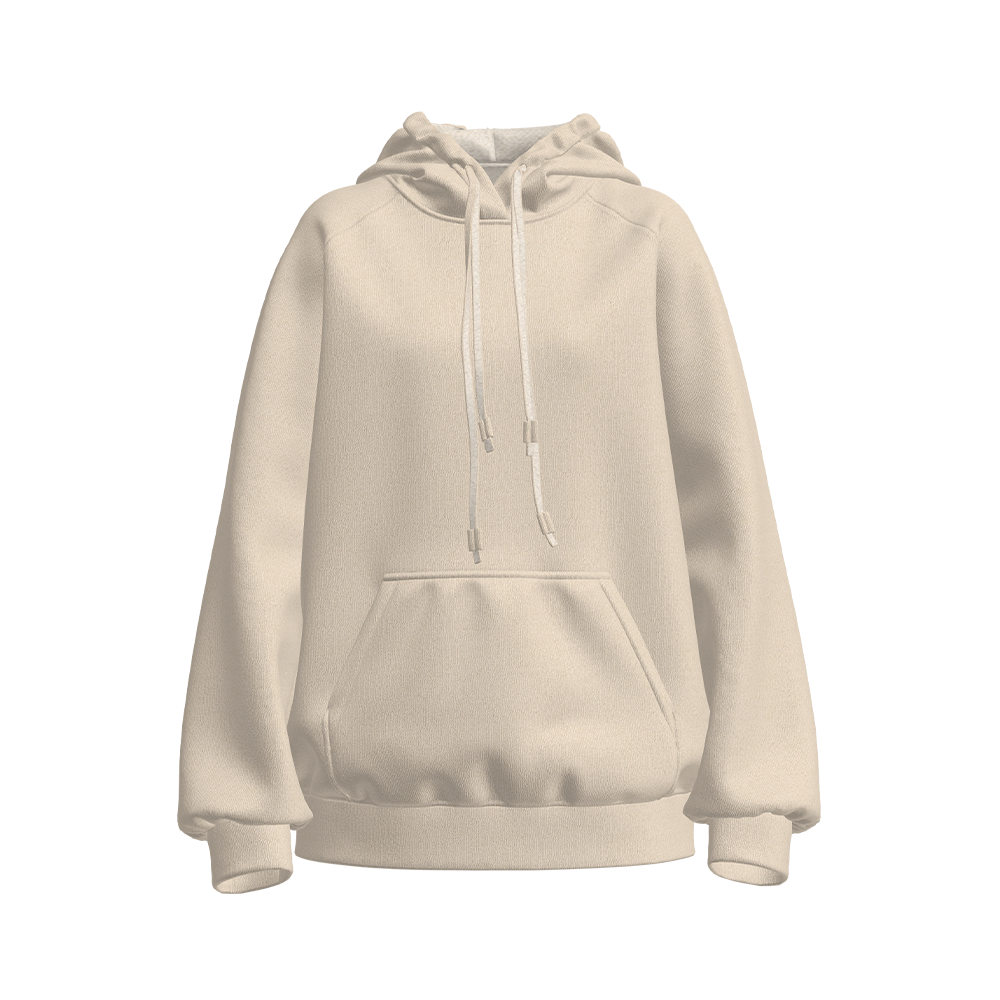
- Fleece pullover hoodie with raglan sleeves
- Zippered fleece vest
- Dog coat with belly strap
- Reusable Swiffer sweeper pads
Advanced / Zero-Waste
- Quilted fleece jacket (using upcycled remnants)
- Convertible mittens to fingerless gloves
- Fleece fabric for blanket making with mitered corners
According to a 2024 survey of 1,200 home sewists, fleece fabric for blanket making accounts for 63% of all fleece purchases, followed by pet accessories (22%) and cold-weather gear (15%).
6. Sewing Fleece for Beginners: Avoiding 5 Common Pitfalls
Sewing fleece for beginners often results in wavy hems or "plow lines"—permanent creases from presser foot pressure. Use this troubleshooting table before starting your project:
| Problem | Likely Cause | Fix in 2 Steps |
|---|---|---|
| Wavy / stretched edge | Too much presser foot pressure | Reduce pressure; use walking foot |
| Skipped stitches | Wrong needle type (sharp/universal) | Switch to ballpoint size 80/12 |
| Fuzzy seam line | Dull needle or too short stitch length | New needle + increase length to 3.2mm |
| Thread bunching under fabric | Top tension too loose or bobbin improperly threaded | Reset tension to 4; re-thread both |
| Curling edges after cut | Cut along the lengthwise grain | Always cut cross-grain for hems |
7. Advanced Technique: Sewing Fleece on a Sewing Machine with Stretch Stitches
When sewing fleece on a sewing machine for activewear or children's pajamas, use stitches that move with the fabric. The three best options:
- Narrow zigzag (1.5mm width, 2.5mm length) — Provides 20% stretch capacity, ideal for cuffs.
- Lightning bolt stitch (on many modern machines) — Creates a flat seam with 40% elongation before breaking.
- Double needle stitching (4mm spacing) — Gives a professional coverstitch look on hems. Use a stretch double needle.
For curved seams (armholes, necklines), slightly stretch the fleece as you sew—this reduces puckering after turning right side out. Always backstitch 1/2 inch at stress points like pocket corners.
8. Fleece Fabric for Blanket Making: Size Guide & Yardage Chart
Fleece fabric for blanket making comes in standard widths of 58-60 inches. Below is a ready-reference for popular blanket sizes (without seam allowances for no-sew versions):
| Blanket Type | Finished Size (inches) | Yardage Needed (single layer) |
|---|---|---|
| Baby lovey / security blanket | 18 x 18 | 0.5 yd |
| Throw blanket (no-sew tie) | 50 x 60 | 1.75 yd |
| Twin blanket | 66 x 90 | 2.5 yd |
| Oversized fleece hoodie blanket | 60 x 80 (with hood) | 2.25 yd + 0.5 yd for hood |
For extra warmth, double-layer with a second fleece or cotton flannel. Use basting spray (not pins) to hold layers before edgestitching 3/8 inch from the border.
FAQ: Everything Else About Sewing with Fleece
Q1: Does fleece fray if I leave edges raw?
No, fleece fabric does not fray because it's a knitted and brushed polyester. Raw edges stay intact, which is why it's ideal for blankets and pet beds. However, edges can curl; to prevent curling, sew a line of zigzag 1/4 inch from the cut edge.
Q2: What is the best stitch for fleece when sewing by hand?
For hand stitching, use a backstitch or a stretch stitch (small running stitch with a loop). Keep stitches 4-5mm long and use a ballpoint hand needle. Avoid pull-tight stitches as they create permanent dimples.
Q3: Can I use regular thread for sewing polar fleece tips?
Yes, but polyester thread is superior to cotton because cotton absorbs moisture and becomes weak. For heavy fleece jackets or bags, use an extra-strength polyester thread (Tex 40 or higher).
Q4: How do I iron fleece without melting it?
Fleece is heat-sensitive. Use a cool iron (polyester setting, approximately 110-130°C) and always use a pressing cloth. Never use steam directly; instead, hover iron slightly above the surface. Better yet: finger-press seams or use a roller.
Q5: What to make with fleece material that sells well at craft fairs?
Fleece ear warmers (cost $1.50 material, sell $12), reusable bowl covers (3 sizes set for $20), and baby knot gowns are top sellers. Fleece's no-fray property reduces production time, increasing profit margins by up to 40% compared to cotton.
Final recommendation: Start with a simple fleece scarf or pillow to master sewing polar fleece tips. Then progress to fleece fabric for blanket making using the yardage chart above. Every successful fleece project shares two things: the correct ballpoint needle and reduced presser foot pressure. Keep a fleece test scrap beside your machine—it's the fastest way to dial in settings before sewing your final fabric.
LATEST POST
Let’s create something amazing together
contact us
Don't hesitate to contact when you need us!

Step Ahead.
Nearly 30 years of experience in the textile industry is a valuable advantage of Golden Morning. Welcome to communicate with our team!
Become a Client
 +86-512-52528088
 +86-512-14546515
-
 [email protected]
[email protected]
[email protected] -

Company Address:
NO.218 QingDunTang Road changshu CityJiangsu Province(215500), ChinaFactory Address:
NO.19 Fuchunjiang East Road Southeast Economic Development Zone Changshu Jiangsu, China
