


 English
 한국어
한국어 中文简体
中文简体
What Separates Single Jersey, Pique, and Double Knit Fabrics
Three Knit Structures, Three Different Performance Profiles
Knit fabric selection is rarely about aesthetics alone. The structure of a knit determines how it stretches, how it breathes, how much it weighs per square meter, and how it behaves after repeated washing. Three structures dominate product-grade knitwear sourcing: single jersey fabrics, pique fabrics, and double knits fabrics. Each is built from a distinct loop configuration, and that configuration is what drives every downstream property a buyer actually cares about.
Instead of treating these as interchangeable options, this guide breaks each structure down by construction, typical GSM (grams per square meter) range, breathability behavior, and moisture handling, so the choice can be made on technical grounds rather than guesswork.
Single Jersey Fabrics: The Lightweight Baseline
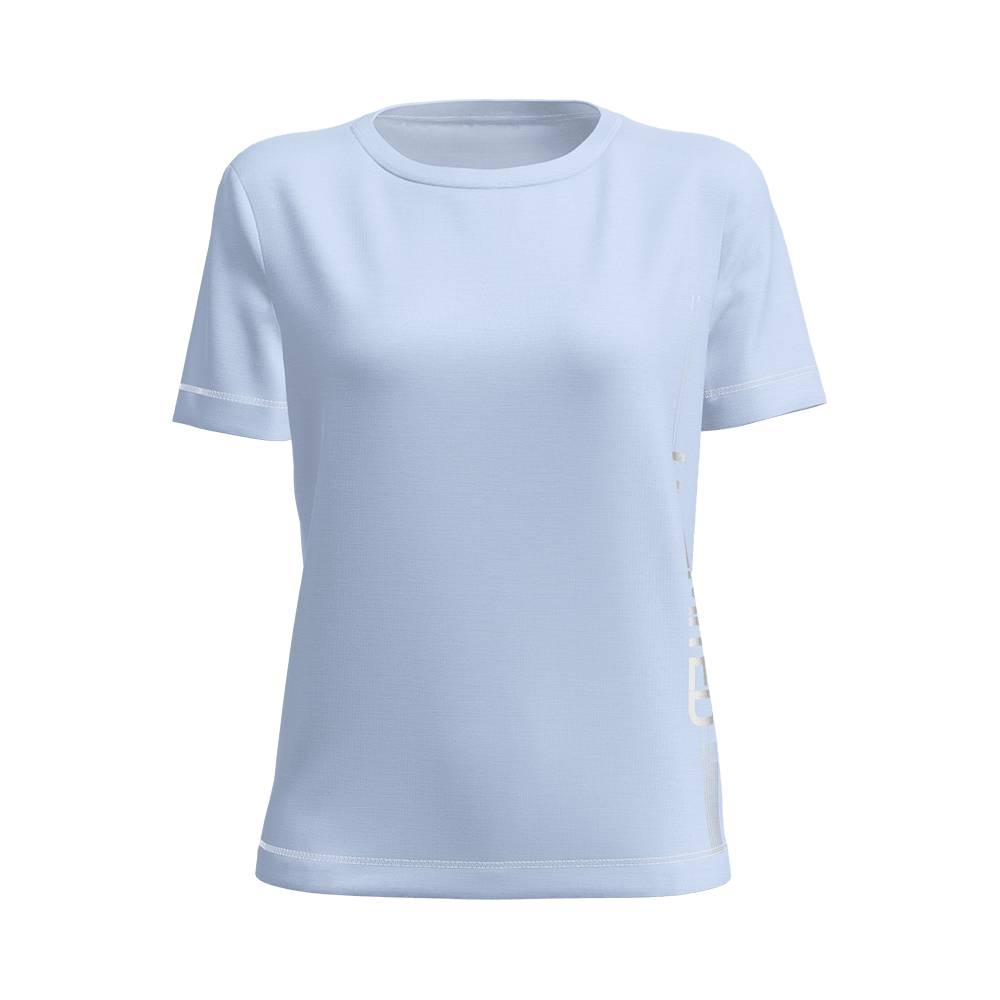
Single jersey is built on a single set of needles, producing one continuous face and one reverse face in a plain loop formation. This is the simplest and most economical knit structure in circular knitting, which is why it forms the backbone of basic t-shirts, undergarments, and lightweight apparel linings.
Construction Characteristics
- Single needle bed construction with uniform loop rows
- Distinct technical face and technical back (smooth front, textured back)
- Prone to edge curling due to unbalanced loop tension
- Highest stretch-to-weight ratio among the three structures
Where It Fits Best
Because the loop density is lower than pique or double knit constructions, single jersey typically falls in a 120 to 220 GSM range for apparel-grade use. This makes it the natural choice for garments where drape, softness, and freedom of movement outweigh structural rigidity, such as base layers, casual t-shirts, and lightweight loungewear.
Pique Fabrics: Texture Built for Airflow
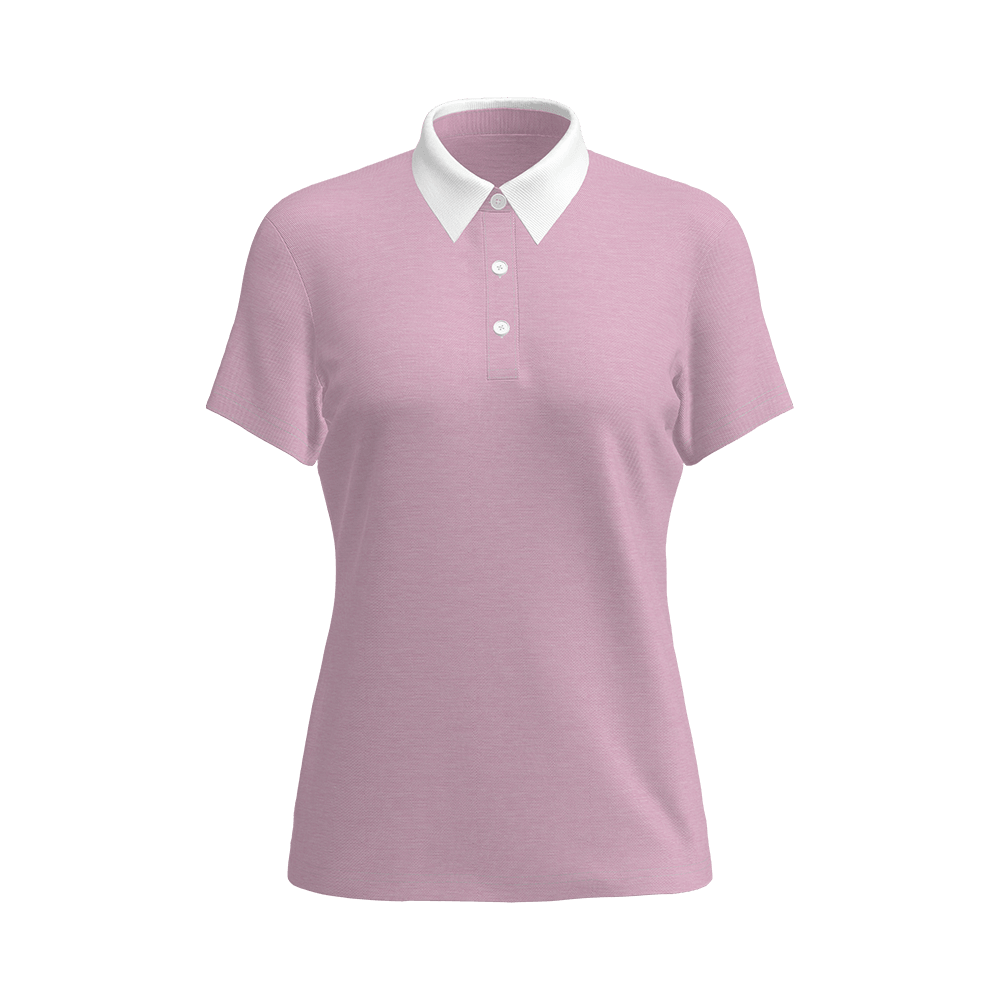
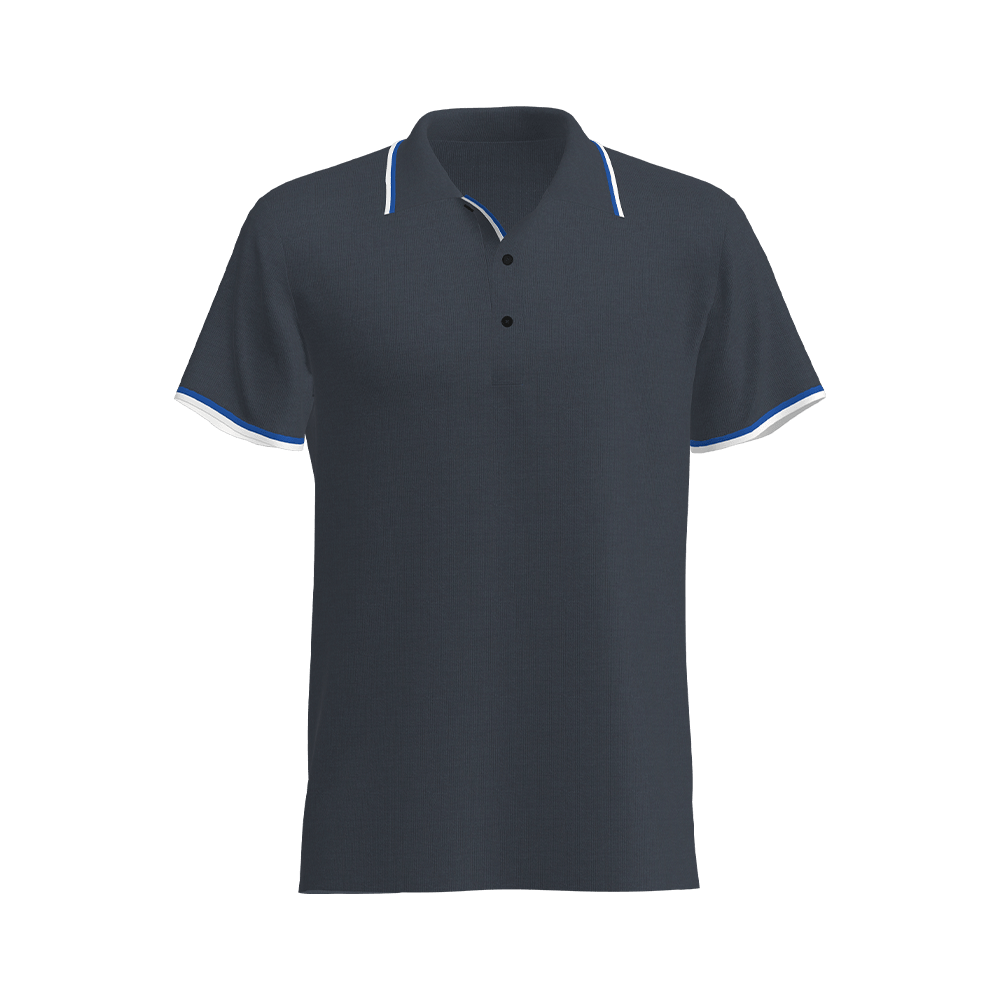
Pique fabrics introduce a tuck stitch pattern layered over a jersey base, creating the raised, honeycomb-like surface associated with polo-style knitwear. That tuck stitch is not just cosmetic; it changes the fabric's air pathways and surface contact area.
| Property | Effect of Tuck Stitch |
|---|---|
| Surface texture | Raised ridges reduce skin contact area |
| Airflow channels | Micro-gaps between ridges assist ventilation |
| Dimensional stability | Higher than plain single jersey, less curling |
| Typical GSM | 180 to 280 grams per square meter |
Why Buyers Choose Pique
The raised structure reduces direct skin contact, which is one reason pique is a common choice for warm-weather knitwear and workwear polos. The tuck stitch also adds body to the fabric without a large jump in weight, giving it a more structured hand-feel than plain jersey while remaining lighter than most double knit constructions.
Double Knits Fabrics: Density and Dimensional Stability
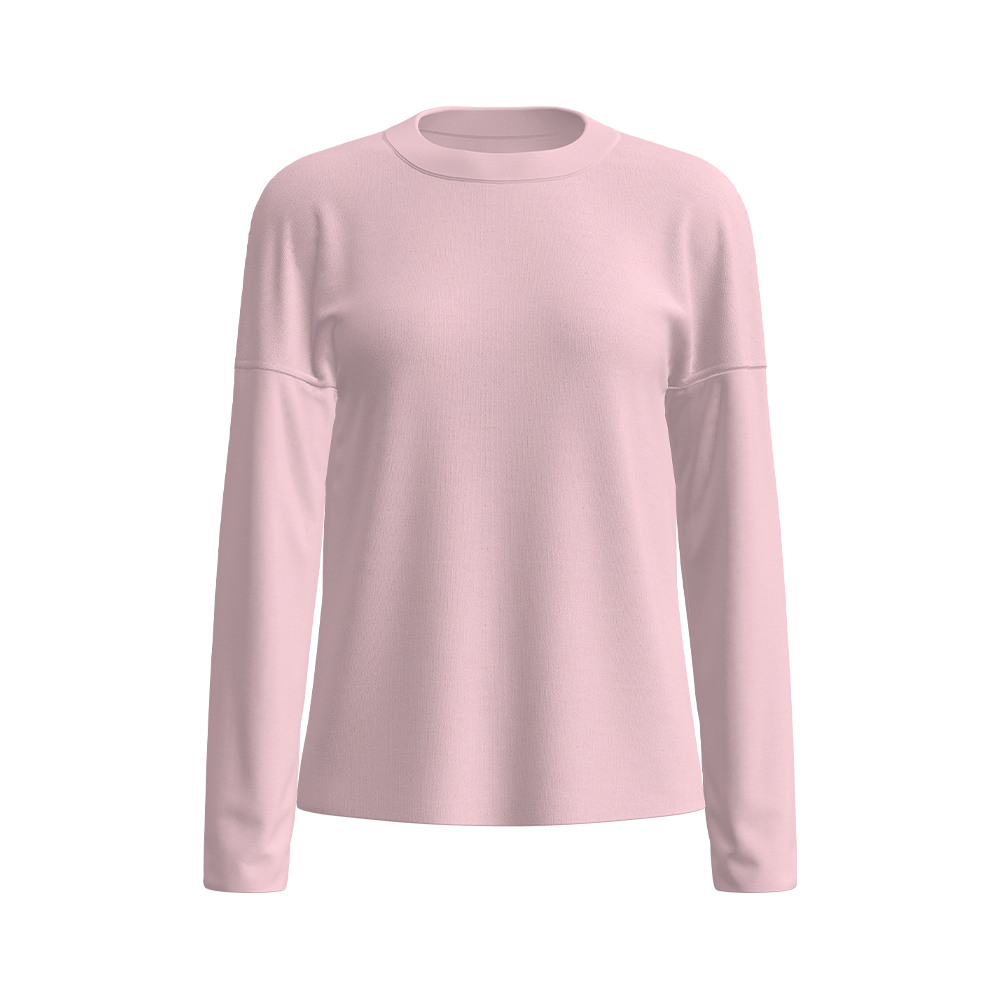
Double knits fabrics are produced on two sets of needles simultaneously, interlocking two layers of loops into a single, thicker fabric with matching faces on both sides. This eliminates the curling issue seen in single jersey and produces a fabric with substantially more body.
Construction Characteristics
- Two interlocked loop systems (commonly interlock or rib-based double knit)
- Identical technical face on both sides of the fabric
- Minimal edge curl, easier to cut and sew at scale
- Higher loop density per square meter than single-bed structures
Weight and Application Range
Double knit constructions generally run from 220 up to 400 or more GSM, depending on yarn count and knitting gauge. The added density gives these fabrics better shape retention and opacity, which is why they are frequently specified for structured outerwear, heavier casualwear, and products where dimensional stability matters more than lightweight drape.
Side-by-Side Structural Comparison
| Attribute | Single Jersey | Pique | Double Knit |
|---|---|---|---|
| Needle beds used | Single | Single (with tuck stitch) | Double |
| Typical GSM range | 120 to 220 | 180 to 280 | 220 to 400 plus |
| Surface texture | Smooth face, textured back | Raised honeycomb texture | Matching face on both sides |
| Curling tendency | High | Moderate | Low |
| Stretch behavior | High recovery, lightweight stretch | Moderate stretch, more body | Lower stretch, high stability |
| Typical end use | T-shirts, base layers | Polos, warm-weather workwear | Structured outerwear, heavier casualwear |
A useful rule of thumb: as loop density and needle-bed count increase, GSM rises, curling drops, and stretch recovery becomes more predictable but less generous.
Fabric Weight Calculation and GSM in Practice
GSM, or grams per square meter, is the standard reference point for comparing knit weights across suppliers regardless of yarn type or knitting gauge. In practice, GSM is determined by cutting a fixed-area sample, weighing it on a calibrated scale, and scaling that weight up to a full square meter. This method is preferred over guessing weight from fabric thickness because visual bulk can be misleading, especially with textured structures like pique.
Typical GSM Bands by Structure
These bands overlap deliberately. A heavy single jersey and a light pique can land in similar weight territory, which is why GSM alone should never be the sole spec on a technical sheet. Structure, yarn count, and finishing all interact with weight to determine the final hand-feel and performance.
Breathability Metrics Across the Three Structures
Breathability in knitwear is generally assessed through air permeability testing, which measures how much air passes through a fixed area of fabric under a set pressure differential over a set time. Structure has a direct effect on this result because it determines how open or closed the loop gaps are.
- Single jersey has the most open, uniform loop structure among the three, which generally supports higher air permeability at comparable weights
- Pique creates raised channels that can trap a thin air layer next to the tuck stitches, aiding airflow along the surface even as overall density rises
- Double knit fabrics are the most closed structure of the three, trading airflow for opacity and structural body
Breathability results should always be read alongside GSM. A lightweight double knit engineered with an open yarn twist can outperform a dense, heavily finished single jersey on airflow testing, even though the structure itself is typically less open.
Moisture Management Properties
Moisture management covers how a fabric absorbs, spreads, and releases liquid moisture, most commonly evaluated through wicking rate and drying time testing. This behavior is shaped by both fiber choice and knit structure, since the structure determines the surface area and capillary pathways available for moisture to travel through.
| Structure | Wicking Behavior | Drying Tendency |
|---|---|---|
| Single Jersey | Fast lateral spread due to open loop gaps | Quick surface drying, low fabric mass to evaporate |
| Pique | Surface channels help move moisture away from skin | Moderate, texture assists air exposure |
| Double Knit | Slower spread due to denser loop packing | Slower drying, more fabric mass retains moisture |
For products marketed around active use or warm-climate wear, single jersey and pique constructions generally provide faster moisture turnover. Double knit fabrics, while slower to dry, offer better opacity and shape retention, which matters more for structured or layered products where moisture turnover is a secondary concern.
How to Match Structure to Product Requirement
When a technical sheet needs to justify a structure choice, the strongest approach is to state the priority first (drape, airflow, or stability) and let GSM and breathability data support that priority, rather than starting from a preferred fabric and working backward.
Frequently Asked Questions
Q1: What is the main structural difference between single jersey and double knit fabrics?
Single jersey is produced on one needle bed and has a distinct face and back, while double knit fabrics use two interlocked needle beds, producing a denser fabric with matching faces on both sides and far less curling.
Q2: Does a higher GSM always mean better quality?
No. GSM reflects weight and density, not quality. A lightweight single jersey engineered for base layers is not lower quality than a heavier double knit; each is suited to a different performance requirement.
Q3: Why does pique fabric feel more textured than single jersey?
Pique adds a tuck stitch on top of a jersey base, which raises small ridges across the surface. This creates the honeycomb-like hand-feel and also changes how air moves across the fabric surface.
Q4: Which structure dries fastest after washing or sweating?
Single jersey generally dries fastest due to its open loop structure and lower fabric mass, followed by pique. Double knit fabrics tend to retain moisture longer because of their denser, two-layer construction.
Q5: Can breathability be improved without changing the knit structure?
Yarn twist, finishing treatments, and yarn count can all influence air permeability somewhat independently of structure, but the underlying loop configuration still sets the practical ceiling for how open or closed a fabric can be.
Don't hesitate to contact when you need us!

Step Ahead.
Nearly 30 years of experience in the textile industry is a valuable advantage of Golden Morning. Welcome to communicate with our team!
Become a Client
 +86-512-52528088
 +86-512-14546515
-
 [email protected]
[email protected]
[email protected] -

Company Address:
NO.218 QingDunTang Road changshu CityJiangsu Province(215500), ChinaFactory Address:
NO.19 Fuchunjiang East Road Southeast Economic Development Zone Changshu Jiangsu, China
