


 English
 한국어
한국어 中文简体
中文简体
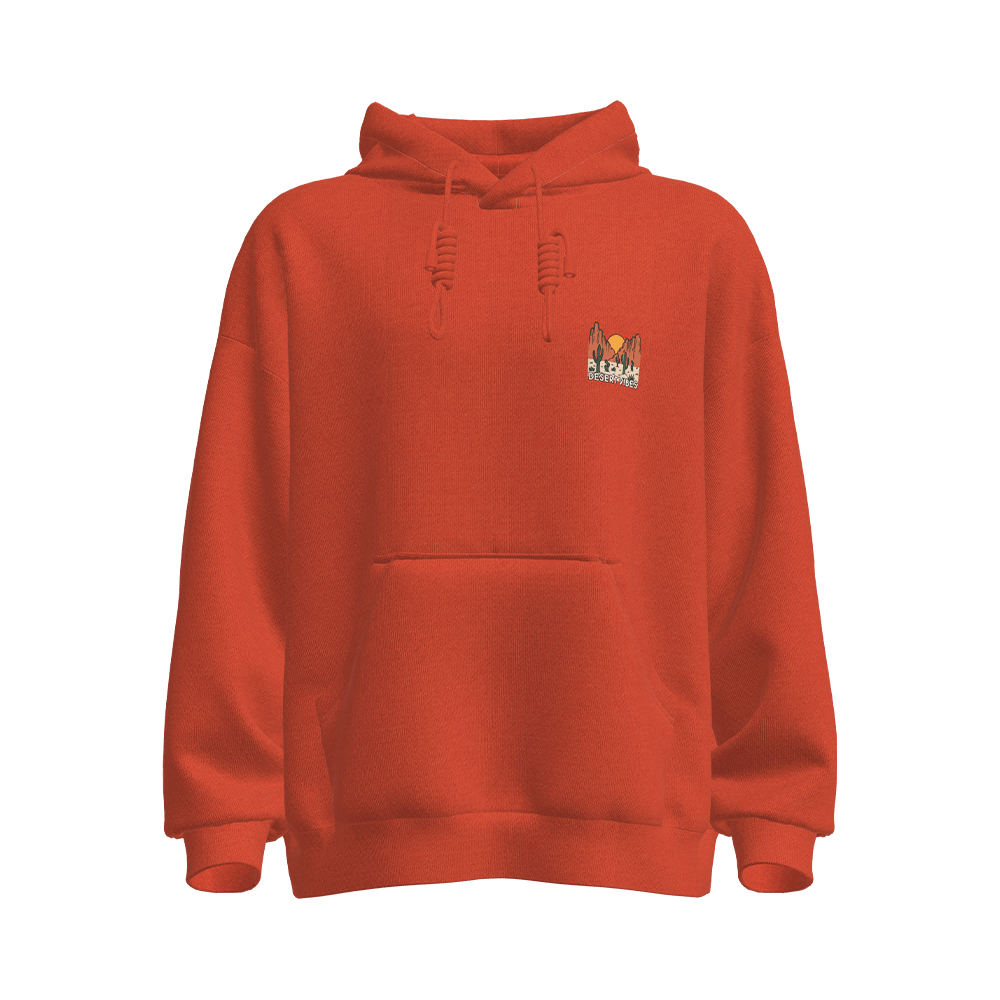
How Film-Coated Fabrics Outperform Standard Textiles Under Water, Oil, and Chemical Exposure
Where Standard Fabrics Fail Under Repeated Exposure
Most textile failures in industrial settings do not happen from a single dramatic event. They build up quietly through repeated contact with moisture, oils, solvents, and abrasive handling. A tarp left in intermittent rain, a work apron exposed to lubricants, or a conveyor cover rubbed against machinery all wear down in the same way: fibers absorb liquid, swell, lose tensile strength, and eventually let contaminants pass through. Untreated woven or knitted materials are particularly vulnerable because their open fiber structure acts like a sponge rather than a barrier.
Engineered textile systems address this at a structural level rather than relying on the base fiber alone. Two approaches dominate this category: surface treatments that alter how liquids interact with the fiber, and applied membrane layers that physically block penetration. Understanding how each works, and where they perform differently, helps buyers avoid over-specifying (paying for performance they will not use) or under-specifying (choosing a fabric that fails within months in demanding conditions).
How Water-Proof and Oil-Proof Fabrics Work at the Fiber Level
water-proof & oil-proof fabrics are built to change surface energy rather than block volume alone. A conventional fiber has a relatively high surface energy, which means water and oil both spread across it and soak in over time. Functional finishing lowers that surface energy so liquids form beads instead of spreading, a property commonly described as hydrophobic (for water) and oleophobic (for oil). The beading effect is the visible sign that the treatment is intact; once a fabric stops beading and starts staining or darkening on contact, the finish has typically degraded.
There are two broad ways this is achieved. The first applies a chemical finish directly to individual fibers before or after weaving, which keeps the material breathable but generally wears down faster with abrasion and washing. The second bonds a continuous polymer layer across the fabric surface, which trades some breathability for a much longer barrier life. Choosing between them depends on whether the application prioritizes airflow (such as workwear) or absolute liquid exclusion (such as outdoor equipment covers or industrial containment liners).
| Finish Type | Water Resistance | Oil Resistance | Breathability | Typical Lifespan |
|---|---|---|---|---|
| Fiber-level chemical finish | Moderate to high | Moderate | High | 6 to 18 months in active use |
| Surface film / membrane bond | Very high | Very high | Low to moderate | 2 to 5 years in active use |
The Role of Film-Coated Layers in Extending Barrier Life
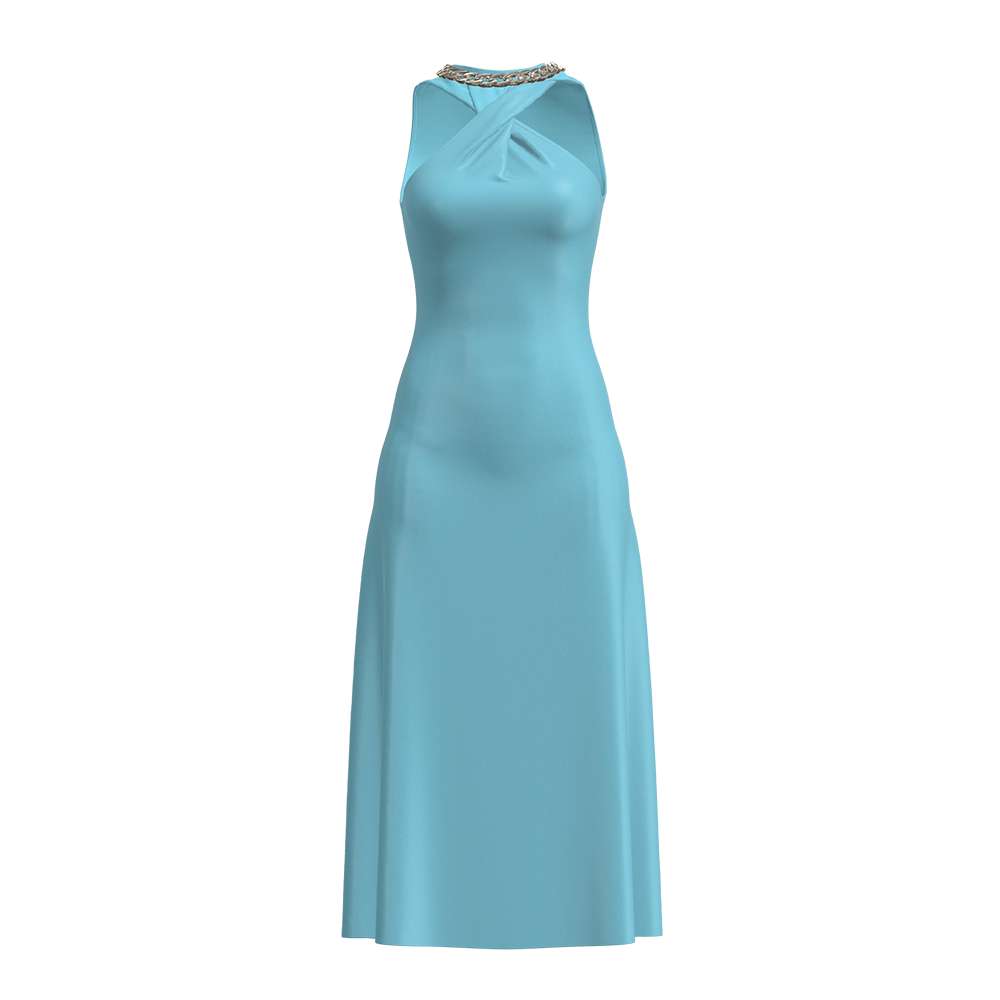
film-coated fabrics take the barrier concept further by laminating a continuous polymer film to a base textile rather than treating individual fibers. Because the film forms an unbroken sheet across the surface, it does not rely on thousands of individually treated fiber points staying intact. This is the main reason coated fabrics tend to hold performance longer under mechanical stress: a scuff or crease that would strip a chemical finish from exposed fibers usually leaves a bonded film layer largely unaffected.
The tradeoff is flexibility and airflow. A protective film coating reduces how much a fabric can breathe, which matters for wearable applications but is often irrelevant for static uses such as tarps, liners, curtains, or equipment enclosures. Coating thickness is also adjustable, which lets manufacturers tune a fabric toward either lightweight flexibility or maximum puncture and chemical resistance depending on the end use.
In practice, three factors determine how long a film-coated fabric performs in the field:
- Adhesion strength between the film and the base weave, which determines resistance to peeling or delamination
- UV stabilizers in the film formulation, since untreated films can become brittle and crack under prolonged sun exposure
- Flex fatigue resistance, particularly for fabrics that fold or roll repeatedly, such as covers and enclosures
Durability Trends Across Repeated Wash and Wear Cycles
Water resistance performance does not stay constant over the life of a fabric. Repeated laundering, flexing, and abrasion gradually reduce the effectiveness of any treatment. The chart below tracks relative water resistance retention across successive wash cycles for a fiber-level finish compared to a film-coated construction.
The gap widens noticeably after roughly twenty wash or flex cycles, which is consistent with why film-coated fabrics are typically specified for equipment and structures expected to remain in service for several years without recoating.
Adoption of Protective Fabric Coatings by Sector
Demand for coated and treated fabrics is not evenly distributed across industries. Sectors with high fluid exposure or strict hygiene requirements have adopted these materials fastest, while sectors with lighter duty cycles still rely heavily on standard textiles.
Multi-Factor Performance Comparison
No single fabric wins across every metric. The radar comparison below weighs five performance factors for a fiber-level finish against a film-coated construction, scaled from 1 (low) to 5 (high) for general industrial applications.
The film-coated profile extends further on water and chemical resistance while pulling back on breathability, a tradeoff that maps directly to the barrier-versus-airflow distinction discussed earlier.
Inside the Film-Coating Production Process
The consistency of a coated fabric depends heavily on how the film is applied and bonded to the base material. A typical production sequence follows four controlled stages.
Adhesion set and quality testing are the two stages most responsible for long-term field performance. A film that looks correctly bonded immediately after lamination can still fail early if the curing step was inconsistent, which is why reputable production lines test peel strength on sample batches rather than relying on visual inspection alone.
Choosing the Right Fabric Type for Your Application
Matching fabric type to use case avoids two common mistakes: overspending on a heavy-duty coated material for light, indoor use, or underspecifying a basic finish for an application with constant fluid exposure.
| Application | Recommended Type | Key Priority |
|---|---|---|
| Indoor workwear | Fiber-level finish | Breathability |
| Outdoor equipment covers | Film-coated fabric | Long-term water exclusion |
| Food and fluid handling aprons | Oleophobic finish | Oil resistance, comfort |
| Industrial containment liners | Heavy-duty coated fabric | Chemical and puncture resistance |
| Marine tarpaulins | Film-coated fabric | UV and saltwater resistance |
Maintenance Practices That Extend Service Life
Even the most durable coated fabric loses effectiveness faster without basic care. Field data from repeated-use environments points to a consistent pattern: fabrics maintained on a regular schedule outlast neglected ones by a wide margin, regardless of the base treatment type.
- Rinse off dirt, salt, and grease buildup before it dries into the surface, since dried contaminants abrade the film during folding or handling
- Avoid high-heat drying for film-coated materials, as excessive heat can soften adhesive bonds between the film and base fabric
- Store rolled rather than tightly folded when possible, reducing repeated crease stress at the same points
- Inspect seams and edges periodically, since these areas experience the highest mechanical stress and are typically the first to show wear
- Reapply spray-on finishes for fiber-level treated fabrics roughly every six to twelve months in active use
Frequently Asked Questions
Q1: What is the main difference between water-proof and water-resistant fabric?
Water-resistant fabric slows moisture penetration but will eventually let water through under sustained pressure or time. Water-proof fabric, particularly when film-coated, is engineered to block water entirely under normal use conditions, typically verified through hydrostatic pressure testing.
Q2: Can film-coated fabrics be repaired if the film gets damaged?
Small punctures or seam separations can often be patched using compatible adhesive or heat-seal patches. Widespread delamination across a large area usually indicates the coating has reached the end of its usable life and replacement is more practical than repair.
Q3: Does coating reduce the strength of the base fabric?
Properly applied coatings generally do not weaken the base weave and can even add tear resistance by distributing stress across the bonded film layer. Poor lamination quality, however, can create weak points where the film separates under stress.
Q4: How do I know if a fabric is oil-proof versus just water-proof?
Oil has a lower surface tension than water, so a fabric that beads water may still absorb oil. True oil-proof performance requires a specific oleophobic treatment or coating designed to resist low-surface-tension liquids, which should be confirmed in product specifications rather than assumed from water performance alone.
Q5: Is breathability always sacrificed for better water resistance?
Not entirely. Fiber-level finishes preserve more breathability than laminated films, and some coated fabrics use microporous membrane structures that allow limited vapor exchange while still blocking liquid water, though these typically cost more than solid film coatings.
LATEST POST
Let’s create something amazing together
contact us
Don't hesitate to contact when you need us!

Step Ahead.
Nearly 30 years of experience in the textile industry is a valuable advantage of Golden Morning. Welcome to communicate with our team!
Become a Client
 +86-512-52528088
 +86-512-14546515
-
 [email protected]
[email protected]
[email protected] -

Company Address:
NO.218 QingDunTang Road changshu CityJiangsu Province(215500), ChinaFactory Address:
NO.19 Fuchunjiang East Road Southeast Economic Development Zone Changshu Jiangsu, China
