


 English
 한국어
한국어 中文简体
中文简体
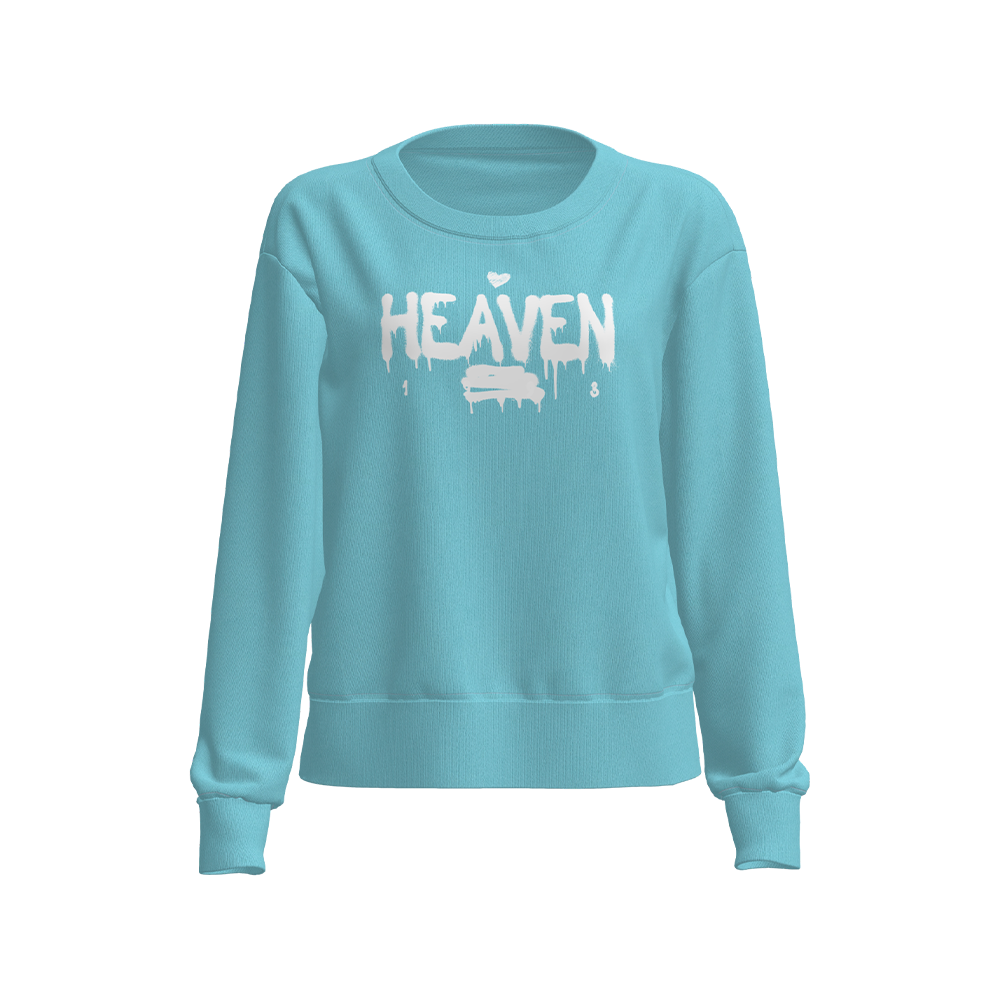
What Is Fleece Fabric Made Of? Synthetic vs. Natural Fibers Comparison
1. Defining Fleece Fabric: Synthetic Origins and Modern Relevance
When discussing performance textiles, few materials have achieved the widespread adoption of Fleece Fabric. Despite its name, contemporary fleece is not derived from sheep or animal hair. Instead, it is a revolutionary synthetic textile engineered to replicate the insulating properties of wool while offering superior moisture management, lightweight comfort, and durability. Originally developed in the late 20th century, fleece has become a staple in activewear, outdoor gear, loungewear, and cold-weather accessories. Its unique ability to trap warm air within a lofty structure without absorbing significant moisture sets it apart from both cotton and traditional wool. Understanding the precise material composition answers the fundamental question: what is fleece fabric made of, and why does that composition matter for performance, sustainability, and everyday use?
To fully appreciate fleece, one must first recognize that the term "fleece" in textiles refers to a specific knitted pile structure rather than a fiber origin. This is a critical distinction from historical wool fleece (sheep's coat). Modern fleece is almost exclusively produced from synthetic fibers, primarily polyethylene terephthalate (PET), the same polymer used in plastic beverage bottles. Through advanced extrusion and knitting techniques, PET is transformed into a soft, resilient fabric that mimics the warmth of wool but dries faster, resists pilling when properly manufactured, and retains loft after repeated compression. The subsequent sections dissect the material science, manufacturing workflow, environmental considerations, and practical comparisons to answer common queries such as is fleece polyester, is fleece synthetic, and what is poly fleece fabric.
2. Material Composition: What Is Fleece Fabric Made Of?
The core raw material for over 95% of fleece fabrics is polyester, a category of polymers derived from petrochemicals or recycled plastics. Polyester fibers used in fleece are specifically engineered with a modified cross-section and crimp to create the characteristic soft, lofty hand feel. The most common type is polyethylene terephthalate (PET), valued for its high tensile strength, resistance to stretching and shrinking, and quick-drying properties. To answer what is fleece material in precise technical terms: it is a knitted, napped, and sheared fabric constructed from staple or filament polyester yarns, where one or both sides are brushed to raise fibers, forming a pile that traps insulating air.
2.1 Polyester as the Dominant Fiber: Is Fleece Polyester?
Yes, the overwhelming majority of fleece is 100% polyester. However, variations exist with minor blends (typically up to 20% elastane for stretch or 10% polyamide for abrasion resistance). The direct answer to is fleece polyester is affirmative for standard polar fleece, microfleece, and high-loft versions. Polyester's inherent hydrophobicity (moisture regain less than 0.4%) ensures that fleece remains functional in damp conditions—unlike cotton, which absorbs water and loses insulating capacity. Furthermore, polyester's molecular structure allows for melt-spinning into continuous filaments, which are then texturized, cut, or directly knitted into the base structure.
To clarify fleece is made up of what material, it is primarily PET, a thermoplastic polymer with excellent fatigue resistance. This composition also explains why fleece can be recycled at the end of its life and why it can be produced from post-consumer PET bottles. Another common query: what is poly fleece fabric? This term simply emphasizes the polyester nature—poly fleece is a synonym for standard synthetic fleece, highlighting its synthetic origin and petroleum-based or recycled polyester content.
2.2 Addressing Misconceptions: Is Fleece Wool? Is Fleece Cotton?
Two frequent misconceptions arise from the word "fleece". Traditionalists may ask is fleece wool because of the historical term "fleece" referring to a sheep's wool coat. In modern textile commerce, unless explicitly labeled as "wool fleece" or "Shetland fleece," the term fleece denotes the synthetic polyester version. Genuine wool has different moisture absorption, odor resistance, and fire-retardant properties, but synthetic fleece offers lower cost, lighter weight, and faster drying. Similarly, what is fleece cotton? Some knit fabrics (like French terry or cotton-poly blends) are marketed as "cotton fleece," but this is a different category—usually a loopback knit with a soft interior. True technical fleece (breathable, hydrophobic, quick-dry) is never made from pure cotton because cotton lacks the ability to wick moisture and maintain loft when wet. Therefore, the answer to "is fleece cotton" is no for performance-oriented fleece; cotton blends exist but behave differently and are not classified as standard fleece.
For clarity, what is fleece material in the textile industry defaults to 100% polyester or recycled polyester, often with a brushed surface. This distinction is vital for consumers looking for quick-drying, packable warmth, and easy care. A separate answer for is fleece synthetic is a definitive yes, as its polymer backbone is man-made, unlike natural fibers such as cotton, linen, or wool.
- Primary material: Polyethylene terephthalate (PET) — either virgin or recycled.
- Fiber fineness: Typically 1.0 to 3.0 denier for microfleece, up to 6 denier for high-pile.
- Common finishes: Anti-pilling, anti-static, and durable water repellent (DWR) optional.
- Recycled content share in eco-lines: 30% to 100% post-consumer recycled PET.
3. The Manufacturing Process: From PET Chips to Brushed Fleece
Understanding fleece is made up of what material is incomplete without the production journey. Whether using virgin polyester chips or recycled PET flakes, the process involves extrusion, knitting, napping, shearing, and finishing. The following SVG flowchart illustrates the typical steps for manufacturing standard polyester fleece, including the increasingly popular eco-friendly recycled fleece route.
The process begins with PET chips or recycled flakes that are dried, melted, and extruded through spinnerets to form filaments. After drawing (orientation for strength) and texturing (crimping for bulk), the yarn is knitted into a loose structure (typically double-knit or fleece knit). The critical step is napping—a mechanical brushing that raises fiber ends from the yarn surface, creating the soft pile. Finally, shearing levels the pile, and heat-setting stabilizes dimensions. Some fleece undergoes anti-pilling treatments using controlled surface etching or polymer additives. For eco-friendly recycled fleece, the input shifts to post-consumer PET bottles, which are cleaned, shredded, and converted into food-grade polymer before melt-spinning. This circular approach reduces fossil fuel dependency and diverts plastic waste from landfills.
4. Fleece Properties: Technical Performance Metrics and Comparisons
Engineered for warmth without weight, fleece fabrics offer a distinctive set of properties. To fully answer queries like is fleece synthetic and what that means for real-world use, the table below compares standard polyester fleece against cotton fleece (blended) and merino wool across key performance indicators. Note that "cotton fleece" usually refers to a heavyweight cotton-poly French terry, not true brushed fleece.
| Property | Polyester Fleece (100% synthetic) | Cotton Blend "Fleece" (80/20 cotton-poly) | Merino Wool (natural protein fiber) |
|---|---|---|---|
| Moisture regain (%) | 0.4 | 8-10 | 13-15 |
| Drying speed | Very fast (15-20 min) | Slow (60+ min) | Moderate (30-40 min) |
| Weight for equivalent warmth (g/m²) | 200-300 | 350-450 | 200-260 |
| Air permeability (cm³/cm²/s) | 40-80 (breathable) | 60-100 | 80-120 |
| Pilling resistance | Moderate to high (with treatment) | Low | Low to moderate |
| Recyclable at end-of-life | Yes (mechanical/chemical recycling) | Difficult (blend separation) | Biodegradable (home compost) |
The data confirms that polyester fleece excels in moisture management and weight-to-warmth ratio. While wool offers natural odor resistance and biodegradability, synthetic fleece is more affordable and dries significantly faster. Meanwhile, is fleece cotton blends cannot compete in athletic or high-exertion settings due to their water absorption. Additional advantages of true polyester fleece include: resistance to mildew and moths, colorfastness, and machine washability. On the flip side, standard fleece can generate static electricity and may shed microplastics during laundering—mitigated by using washing bags and selecting high-quality anti-pilling variants.
For those asking what is poly fleece fabric in terms of tactile feel, it exhibits a characteristic soft, fuzzy surface with a slight nap. Microfleece (denier below 1.0) provides an exceptionally silky hand, while high-loft fleece (6+ denier) mimics shearling texture. Poly fleece is not naturally flame-resistant but can be engineered with additives for specific end uses.
5. Eco-Friendly Recycled Fleece: Closing the Loop on PET
The textile industry has increasingly embraced eco-friendly recycled fleece as a response to plastic pollution and carbon footprint concerns. Recycled polyester (rPET) fleece uses post-consumer plastic bottles, industrial polyester waste, or fishing nets as feedstock. According to industry lifecycle assessments, producing 1 kilogram of recycled polyester fleece instead of virgin polyester reduces energy consumption by approximately 60%, CO2 emissions by 32%, and water usage by nearly 80%. Additionally, each ton of recycled fleece diverts roughly 8,000 to 10,000 plastic bottles from landfills or oceans.
5.1 What Is Poly Fleece Fabric in Recycled Form?
Recycled poly fleece fabric retains identical physical properties to virgin polyester fleece—same warmth, durability, and moisture-wicking. The difference lies in the supply chain: mechanical recycling melts and re-extrudes PET without depolymerization, while advanced chemical recycling breaks down PET into monomers for repolymerization, yielding fiber-grade polyester indistinguishable from virgin. Major certifications such as Global Recycled Standard (GRS) verify recycled content and responsible processing. When evaluating what is fleece fabric made of for sustainable purchases, look for rPET labels indicating recycled origin.
- Reduces crude oil consumption: ~1.5 barrels saved.
- Lowers CO2 equivalent emissions: 3.2 metric tons less vs virgin PET.
- Water savings: up to 25,000 liters.
- Waste diversion: 8,000–10,000 PET bottles recycled.
Challenges remain: microplastic shedding persists with recycled fleece, though some mills employ advanced filtration and garment construction to minimize fiber fragmentation. Furthermore, the dyeing of recycled fleece often uses less water because the material can be mass-dyed during extrusion (solution dyeing), eliminating vat dyeing steps. The takeaway for consumers is that recycled fleece offers nearly identical performance while reducing environmental burdens; it answers is fleece synthetic affirmatively, but with a circular economy twist.
6. Applications and Care Guidelines for Fleece Garments
Fleece's versatility spans from outdoor performance to everyday comfort. Typical applications include: mid-layer jackets, hoodies, blankets, scarves, hats, gloves, and pet bedding. In technical outdoor gear, lightweight microfleece serves as a base or second layer, while thick high-loft fleece replaces wool in expedition-weight garments. The fabric's ability to wick moisture and dry rapidly makes it superior to cotton for active pursuits. However, proper care extends fleece's lifespan and reduces microplastic pollution.
6.1 Best Practices for Washing and Maintaining Fleece
- Turn garments inside out before washing to protect the brushed surface.
- Use cold or warm water (max 40°C) and a gentle liquid detergent; avoid fabric softeners (they coat fibers and reduce moisture wicking).
- Wash with other synthetic items in a guppy bag or microfiber-catching laundry bag to capture shed microplastics.
- Air dry flat or on low heat; high heat can melt polyester or degrade anti-pilling finishes.
- Do not iron directly; use a low-temperature iron with a pressing cloth if necessary.
By following these steps, a quality fleece jacket can retain its loft and hand feel for 5–10 years of regular use. For those concerned with is fleece polyester static cling, a light mist of water mixed with a few drops of fabric-safe glycerin can reduce static.
7. Frequently Asked Questions About Fleece Fabric
Q1: What is fleece fabric made of in typical mass-market products?
In over 95% of cases, it is made from 100% polyester (polyethylene terephthalate). This includes standard polar fleece, microfleece, and recycled fleece. The polyester is knitted and brushed to create a soft pile.
Q2: Is fleece polyester entirely synthetic, and what does that imply for breathability?
Yes, is fleece synthetic — it contains no natural fibers. However, synthetic fleece is engineered to be breathable; its open knit structure and hydrophobic nature allow water vapor to escape while trapping warm air, making it ideal for high-exertion activities.
Q3: Is fleece wool? Can I wear fleece if I have wool allergy?
Modern fleece is not wool; it is polyester. Therefore, people with lanolin or wool allergies can safely wear standard fleece. Always check labels to avoid "wool blend fleece" products, which are rare but exist.
Q4: What is fleece cotton and how does it differ from poly fleece?
Cotton fleece refers to heavyweight cotton or cotton-poly knit fabrics with a brushed interior (like French terry). Unlike polyester fleece, cotton fleece absorbs moisture, dries slowly, and offers less insulation when wet. It is not considered technical fleece.
Q5: Why do some fleece garments pill, and can I avoid it?
Pilling occurs when short fibers break loose and tangle on the surface. Lower-quality fleece with short staple fibers or insufficient anti-pilling treatment pills faster. Choose anti-pilling labeled fleece, wash inside-out, and avoid abrasive washing cycles.
Q6: What is poly fleece fabric's water resistance?
Standard poly fleece is water-repellent but not waterproof. It resists light moisture and dries quickly. For rain protection, a DWR (durable water repellent) finish can be added, but fleece is typically layered under a shell.
Q7: Can fleece fabric be recycled after its use?
Yes, pure polyester fleece can be mechanically or chemically recycled into new fibers. Some textile take-back programs accept fleece garments. Avoid sending to landfill; recycling reduces virgin polymer demand.
Q8: Is fleece fabric safe for sensitive skin?
Yes, because it is hypoallergenic and non-irritating in its standard form. However, low-quality fleece may feel scratchy if the brushing process is poor. Always choose high-quality or microfleece for next-to-skin comfort.
8. Conclusion: The Role of Synthetic Fleece in Modern Textiles
To synthesize the critical answers: Fleece fabric is a synthetic knitted material predominantly made from polyester (PET), offering warmth, breathability, quick drying, and light weight. It is not wool nor cotton, though historical naming can cause confusion. The composition of fleece—whether virgin or recycled PET—directly influences its environmental footprint and performance. Innovations in eco-friendly recycled fleece have significantly reduced the material's reliance on fossil fuels while maintaining the same functional benefits. When selecting fleece, prioritize anti-pilling finishes, recycled content certifications, and proper care to maximize longevity. Understanding what is fleece fabric made of empowers consumers and designers to make informed choices, balancing technical needs with ecological responsibility.
Don't hesitate to contact when you need us!

Step Ahead.
Nearly 30 years of experience in the textile industry is a valuable advantage of Golden Morning. Welcome to communicate with our team!
Become a Client
 +86-512-52528088
 +86-512-14546515
-
 [email protected]
[email protected]
[email protected] -

Company Address:
NO.218 QingDunTang Road changshu CityJiangsu Province(215500), ChinaFactory Address:
NO.19 Fuchunjiang East Road Southeast Economic Development Zone Changshu Jiangsu, China
