


 English
 한국어
한국어 中文简体
中文简体
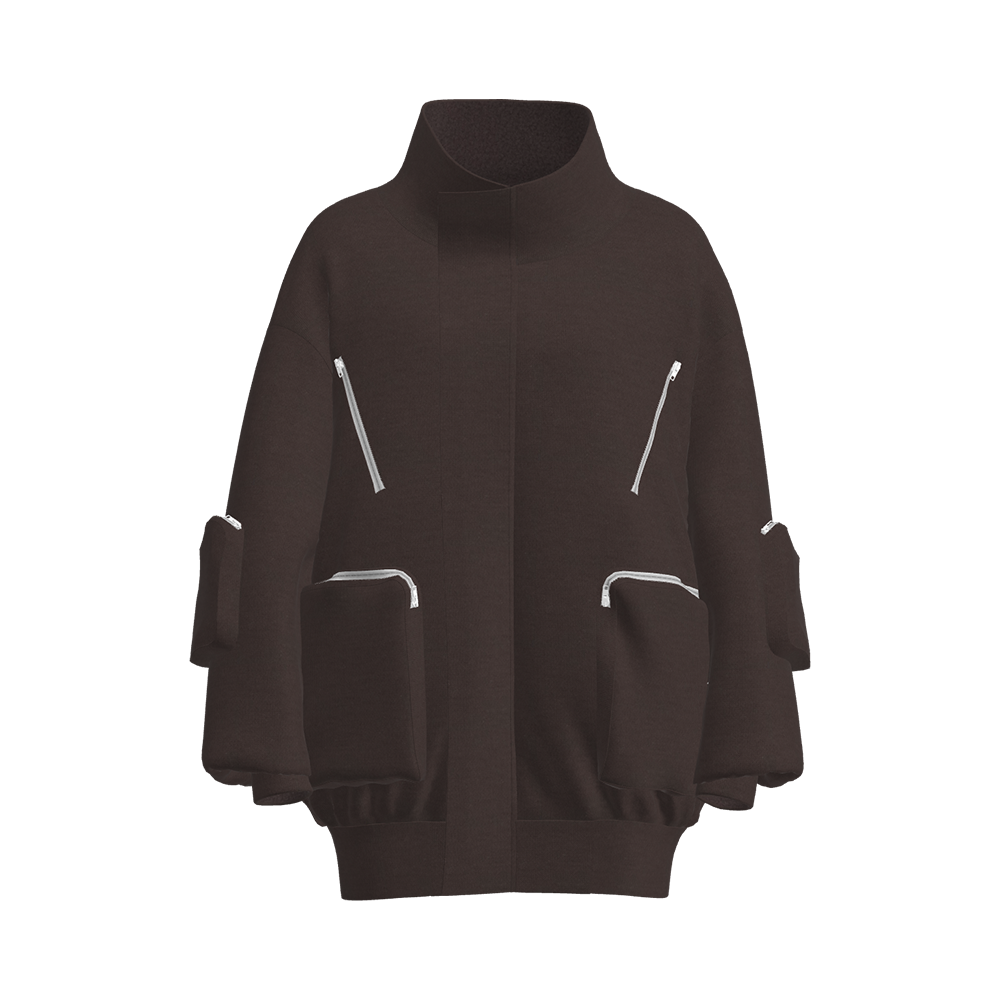
What Makes Fleece Fabric the Backbone of Modern Winter Layering?
Understanding Fleece: What Fleece Jackets Are Made Of
Fleece has quietly become one of the most versatile textiles in modern apparel, moving far beyond its origins as a simple synthetic insulator. When people ask what fleece jackets are made of, the short answer is polyester, but the fuller answer involves a specific knitting and finishing process that transforms ordinary polyester yarn into a soft, air-trapping structure. Manufacturers knit polyester fiber into a base fabric, then brush the surface to raise short fibers, creating the napped texture recognized as fleece. This brushing step is what separates Fleece Fabric from standard polyester knits, giving it loft, softness, and the ability to trap warm air close to the body.
The technical appeal of fleece lies in its fiber architecture. Because the fabric is built from thousands of fine filaments rather than a tight woven grid, it creates countless microscopic air pockets. Air is a poor conductor of heat, so a fabric that holds still air performs as an effective insulator without adding significant weight. This is why fleece jackets and mid layers routinely outperform much heavier natural fiber garments in warmth-to-weight comparisons used in outdoor gear testing.
Lightweight Insulation
Fleece typically weighs 200 to 400 grams per square meter depending on grade, far lighter than comparable wool insulation layers.
Moisture Behavior
Polyester fibers absorb minimal water, so fleece dries significantly faster than cotton or wool after exposure to rain or sweat.
Breathability
The open fiber structure allows air exchange, reducing the clammy buildup common in fully sealed synthetic shells.
Fleece Jacket Meaning: From Insulation Fabric to Fashion Staple
The fleece jacket meaning has shifted considerably since the fabric first appeared in outdoor gear during the 1980s. Originally developed as a lighter, faster-drying alternative to wool sweaters for mountaineers, fleece jackets were functional garments built for insulation under a waterproof shell. Today, the same garment category spans technical outerwear, everyday commuter jackets, and streetwear staples.
What ties these uses together is the core purpose of the fabric: retaining body heat while remaining light and easy to move in. A fleece jacket is generally defined by three characteristics: a brushed or napped interior and exterior surface, moderate to high loft, and a knit rather than woven construction. Whether the jacket is styled as a rugged half-zip pullover or a slim urban blazer-cut piece, these structural traits remain consistent.
Fleece succeeded commercially because it solved a practical problem before it became a style choice. Warmth without bulk is still the reason most people reach for it today.
Fashion designers have leaned into this dual identity. Fleece clothing now appears in tailored silhouettes, cropped jackets, and even formal-adjacent pieces, proving that a fabric built for function can carry aesthetic weight when cut and finished thoughtfully.
What Is Fleece Lined? Breaking Down the Layering Terminology
Shoppers frequently encounter the term fleece lined on product tags without a clear sense of what it means structurally. Fleece lined refers to garments where an outer shell fabric, such as denim, cotton canvas, or a technical softshell, is paired with an inner layer of fleece sewn or bonded to the interior. The outer fabric handles durability, wind resistance, or aesthetic finish, while the fleece lining provides the insulation.
This differs from a standalone fleece jacket, where the fleece itself is both the structural and insulating fabric. Fleece lined items are common in outerwear categories such as denim jackets, work coats, hooded parkas, and even boots and gloves, where a non-fleece exterior needs added warmth without switching the entire garment to fleece.
- Fleece lined denim jackets combine rugged exterior wear resistance with soft interior warmth for cold-weather casual use.
- Fleece lined leggings and pants add insulation for outdoor activity without the bulk of a heavier base layer.
- Fleece lined hoods and collars target heat loss at the neck and head, common points of body heat escape.
Understanding this distinction helps buyers choose correctly: a fully fleece garment maximizes warmth-to-weight efficiency, while a fleece lined garment prioritizes the performance of the outer shell material and uses fleece as a supporting insulation layer.
Types of Fleece Weights and Constructions
Not all fleece is created equal. Fabric mills grade fleece by weight and finishing technique, and each grade suits different garment categories. The table below outlines common classifications used across apparel manufacturing.
| Fleece Type | Typical Weight | Best Use Case |
|---|---|---|
| Microfleece | Light, under 200 gsm | Base layers, liners, warm-weather transitional wear |
| Mid-weight Fleece | 200 to 300 gsm | Everyday jackets, pullovers, mid layer garments |
| Heavyweight Fleece | 300 to 400 gsm | Cold climate outerwear, standalone winter jackets |
| Sherpa or High-Pile Fleece | Variable, dense pile | Linings, collars, loungewear with a plush texture |
| Bonded or Tech Fleece | Mid-weight with membrane layer | Wind-resistant mid layers, athletic and travel wear |
Bonded or tech fleece deserves particular attention because it represents the most significant engineering advance in the category. By laminating a thin membrane between two layers of fleece, manufacturers can block wind penetration while preserving breathability, a combination that traditional single-layer fleece cannot achieve on its own.
Fleece Mid Layer Pants: Building a Layering System for Winter
Fleece is not limited to jackets. Fleece mid layer pants have grown in popularity as cold-weather dressing shifts toward structured layering systems rather than single heavy garments. In a layering system, each piece has a defined role, and fleece typically occupies the middle position.
Fleece mid layer pants work by sitting between a moisture-wicking base layer and a wind or water-resistant outer shell. Because fleece retains loft even under light compression, it continues insulating even when worn beneath fitted outer pants, unlike thinner synthetic fills that flatten and lose effectiveness. This makes fleece pants a practical choice for activities that involve sustained movement in cold conditions, from hiking to everyday commuting in freezing climates.
The layering logic extends to full outfits built from fleece clothing. A fleece base top paired with fleece pants and a lightweight shell can match the warmth of a single bulky coat while allowing far greater freedom of movement, which explains why layering systems have replaced single heavy garments in many outdoor and workwear settings.
Coat Fleece Lining vs Standalone Fleece Jackets
Choosing between a coat with fleece lining and a standalone fleece jacket depends on the climate and intended use. Coat fleece lining adds insulation to a structured outer garment, often a wool or cotton coat, combining a formal or semi-formal exterior appearance with functional warmth. Standalone fleece jackets prioritize warmth-to-weight efficiency and are typically designed for active use.
| Feature | Coat with Fleece Lining | Standalone Fleece Jacket |
|---|---|---|
| Primary Purpose | Style plus added warmth | Warmth and mobility |
| Wind Resistance | High, from outer shell fabric | Low to moderate unless bonded |
| Weight | Heavier overall garment | Lighter per unit of warmth |
| Best Setting | Urban, commuting, semi-formal wear | Active outdoor use, mid layering |
Neither option is objectively superior. A coat with fleece lining suits scenarios where appearance and wind protection matter more than mobility, while a standalone fleece jacket suits scenarios prioritizing movement and layering flexibility. Many cold-climate wardrobes benefit from including both categories.
What Is Fleece Sweatshirt? Loungewear Meets Performance
The term fleece sweatshirt describes a hybrid garment that borrows the relaxed silhouette of a traditional sweatshirt while using fleece instead of standard cotton fleece-back jersey. Traditional sweatshirts use cotton or cotton-polyester blends with a looped interior, whereas a true fleece sweatshirt uses a brushed polyester fleece body, giving it added warmth, faster drying time, and reduced weight when wet.
This distinction matters for anyone comparing loungewear options. A fleece sweatshirt performs better in damp or cold outdoor conditions because it resists water absorption, while a cotton fleece sweatshirt tends to feel heavier and take longer to dry after exposure to moisture. As a result, fleece sweatshirts have become a common crossover piece between casual loungewear and light outdoor activity wear.
- Interior brushing creates the soft hand-feel associated with comfort-driven loungewear.
- Polyester composition supports shape retention across repeated washing cycles.
- Lighter weight compared to cotton fleece makes it suitable for transitional seasons.
Tech Fleece Styling Trends and Fleece Outerwear Trends
Tech fleece styling has driven much of the recent growth in fleece outerwear trends. Rather than presenting fleece purely as a mid layer, designers now build entire jacket lines around bonded fleece constructions that combine wind resistance, structured tailoring, and athletic-inspired detailing. This shift reflects broader consumer demand for garments that transition seamlessly between gym, commute, and casual social settings.
Several trend patterns are shaping fleece outerwear design:
- Slimmer, more tailored cuts replacing boxy silhouettes traditionally associated with outdoor fleece.
- Increased use of bonded and membrane-backed fleece for wind resistance without adding a separate shell layer.
- Color-blocked and textured surface finishes that move fleece away from purely utilitarian aesthetics.
- Cropped and oversized silhouettes appearing alongside classic fitted designs, expanding fleece into broader fashion categories.
These trends indicate that fleece clothing is no longer positioned solely as functional outdoor gear but as a flexible category spanning performance and fashion markets simultaneously.
Caring for Fleece Clothing
Proper care extends the loft and insulating performance of fleece clothing considerably. Because fleece is a synthetic knit, it responds poorly to high heat and fabric softeners, both of which flatten the brushed fibers responsible for its insulating properties.
- Wash in cold or lukewarm water to prevent fiber matting and pilling.
- Avoid fabric softener, which coats fibers and reduces their air-trapping loft over time.
- Air dry or use low heat tumble drying to preserve shape and thickness.
- Turn garments inside out before washing to reduce surface pilling on the brushed exterior.
Garments described as fleece-lined winter apparel should be washed according to the care instructions for the outer shell fabric, since the exterior material, not the fleece lining, typically dictates washing temperature limits.
Frequently Asked Questions
Q1: What is fleece fabric actually made from?
Fleece is most commonly made from polyester fibers that are knitted into a base fabric and then brushed to raise a soft, napped surface. Some fleece blends incorporate recycled polyester or small amounts of other synthetic fibers for texture variation.
Q2: Is fleece lined the same as a fleece jacket?
No. A fleece jacket is made entirely from fleece fabric, while a fleece lined garment uses a different outer shell material with fleece sewn in as an interior insulating layer.
Q3: Why do fleece mid layer pants work well for cold weather?
Fleece traps air within its brushed fiber structure, providing insulation while remaining lightweight and breathable, which allows it to perform effectively as a mid layer under an outer shell.
Q4: What is the difference between a fleece sweatshirt and a cotton sweatshirt?
A fleece sweatshirt uses brushed polyester fleece, giving it faster drying time and lighter weight when damp, while a cotton sweatshirt absorbs more moisture and dries more slowly.
Q5: Does tech fleece provide wind resistance like a shell jacket?
Bonded or tech fleece with a membrane layer offers improved wind resistance compared to standard single-layer fleece, though it generally does not match the full wind and water resistance of a dedicated shell jacket.
Don't hesitate to contact when you need us!

Step Ahead.
Nearly 30 years of experience in the textile industry is a valuable advantage of Golden Morning. Welcome to communicate with our team!
Become a Client
 +86-512-52528088
 +86-512-14546515
-
 [email protected]
[email protected]
[email protected] -

Company Address:
NO.218 QingDunTang Road changshu CityJiangsu Province(215500), ChinaFactory Address:
NO.19 Fuchunjiang East Road Southeast Economic Development Zone Changshu Jiangsu, China
