


 English
 한국어
한국어 中文简体
中文简体
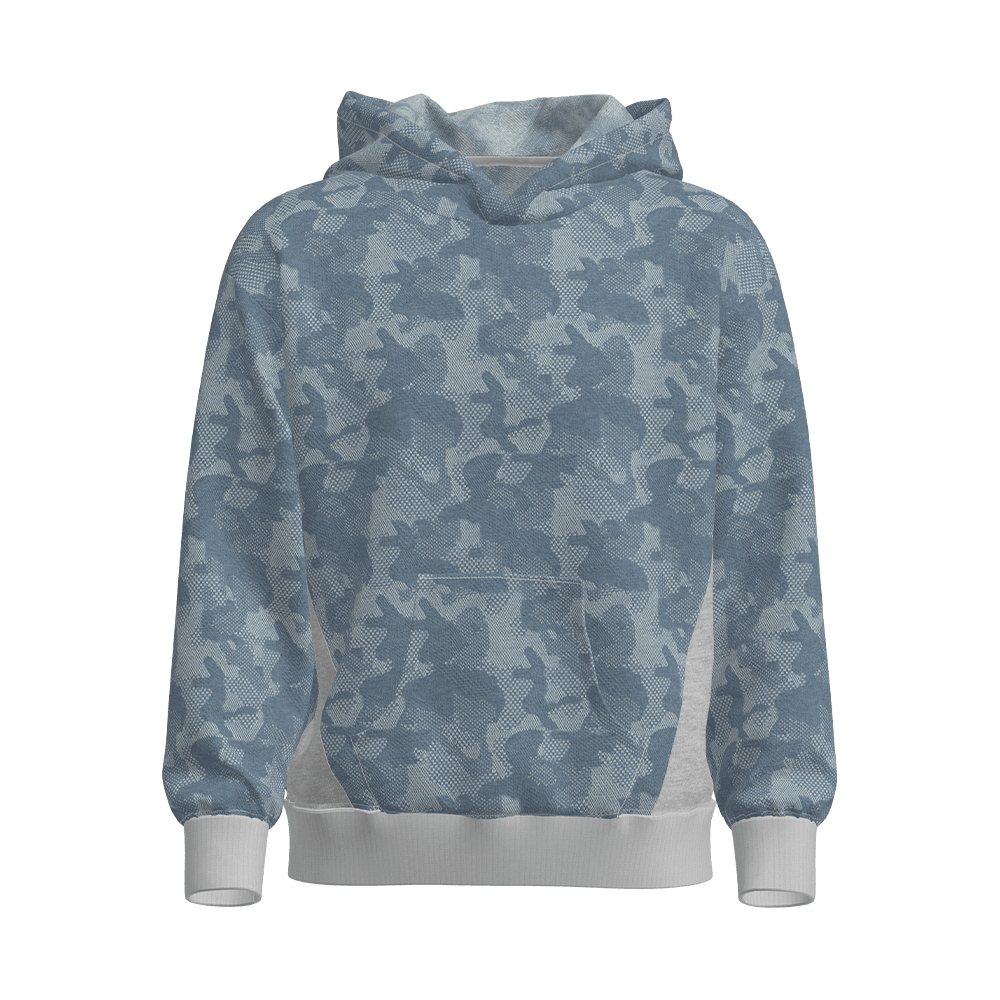
Why Fleece Performance Matters: A Technical Guide to Weatherproofing, Breathability, and Maintenance
Is Fleece Waterproof? Mechanics of Water Resistant Fleece Fabric
When evaluating synthetic textiles for outdoor applications, a frequent question emerges among consumers and gear developers alike: is fleece waterproof? To provide an accurate technical answer, one must differentiate between absolute waterproof barriers and water-resistant properties. Raw, untreated fleece fabric is inherently hydrophobic due to its composition. Standard polar fleece is manufactured from polyethylene terephthalate (PET) fibers, which are essentially the same polymers used to produce plastic beverage bottles. Because polyester absorbs very little moisture—typically less than one percent of its weight in water—the individual fibers themselves do not become saturated in rainy environments.
However, the physical construction of the material prevents it from being a true waterproof barrier. Fleece is a knit textile that undergoes a mechanical brushing process. Specialized machines equipped with metallic wires raise the fibers from the knit structure, creating a dense, lofted pile. This lofted pile contains millions of open air pockets that provide excellent thermal insulation but also permit open passage for wind and driven water droplets. In heavy rainfall, water easily penetrates the spaces between the lofted fibers, passing through the knit structure to the layers beneath. Therefore, standard fleece cannot be classified as waterproof.
To counteract this structural limitation and create a functional water resistant fleece fabric, textile engineers apply specialized post-treatments. The most common method involves coating the exterior surface of the pile with a durable water repellent (DWR) formulation. A DWR chemical treatment alters the surface tension of the polyester fibers. When liquid water comes into contact with a DWR-treated surface, the high contact angle causes the water to bead up into spherical droplets and roll off the fabric surface before gravity can force it through the open pores of the knit structure.
Hydrophobic Comparison: Untreated vs. DWR Treated Fleece
The performance variance between untreated synthetic fibers and those treated with performance water-repellent polymers becomes evident when measuring water penetration under simulated rainfall conditions over prolonged durations.
| Fabric Configuration | Water Absorption ( % of dry weight) | Hydrostatic Resistance (mm) | Primary Failure Mechanism |
|---|---|---|---|
| Standard Untreated Fleece | Less than 1.0 % | Less than 100 mm | Mechanical penetration through knit pores |
| DWR-Coated Polar Fleece | Less than 5.0 % | 200 mm to 500 mm | Surface wetting under mechanical pressure |
| Laminated Windproof Fleece | Up to 15.0 % | 5000 mm to 10000 mm | Seam leakage under severe hydrostatic load |
While a DWR treatment dramatically improves performance in light mist or transient snow, it is vital to recognize that mechanical pressure can overcome this surface barrier. Kneeling on wet ground, sitting down, or wearing heavy backpack straps will force water droplets through the water-resistant coating and deep into the open pile structure. For true weatherproof security, advanced technical apparel combines fleece with internal hydrophilic or microporous membranes, balancing the insulating benefits of the knit pile with the absolute barrier properties of specialized technical films.
Is Polar Fleece Breathable? The Science of Vapor Transmission
In the context of aerobic outdoor activities, moisture management is just as critical as external weatherproofing. To optimize systemic comfort, users must evaluate the vapor permeability of their layers. So, is polar fleece breathable? The brief answer is exceptionally so. In fact, standard polar fleece ranks among the most breathable insulating materials available in the global textile industry, vastly outperforming traditional woven wool or closed-cell foam insulations in terms of active moisture vapor transport.
The extraordinary breathability of fleece stems directly from its high porosity. Because the manufacturing process relies on an open-knit lattice that is subsequently napped and sheared, the resulting structure is mostly composed of empty space rather than solid material. Air and gaseous moisture vapor generated by the human body during exertion can move freely through these macro-pores. When an individual engages in high-intensity exercise, their body produces metabolic heat and sweat. The humidity inside the apparel system rises, creating a distinct vapor pressure differential between the warm interior climate and the cooler, drier external atmosphere.
Driven by this natural pressure differential, water vapor molecules quickly pass through the open interstitial spaces between the polyester pile fibers. This process prevents sweat from condensing on the interior face of the garment or remaining trapped against the skin, which would eventually lead to rapid chilling once physical activity ceases. For athletes and outdoor enthusiasts operating in freezing temperatures, this highly efficient vapor transport mechanism is indispensable for maintaining physiological equilibrium.
However, this extreme breathability presents a distinct technical compromise when operating in windy environments. Because the pore structure is so open, high-velocity ambient air can easily penetrate the fabric from the outside, displacing the warm insulating air trapped within the lofted pile. This phenomenon, known as convective heat loss, can dramatically lower the effective thermal insulation value of the garment. To address this, developers create a specialized category called wind-resistant fleece. This material incorporates either a dense micro-knit pattern that restricts airflow or an ultra-thin, highly breathable polymeric membrane sandwiched between two layers of fleece, offering an optimized compromise between high vapor transmission and convective thermal protection.
Thermal Dynamics: Why Fleece Is Warm and Effective
To fully understand the role of synthetic layers in outdoor gear performance, one must explore the core physics of insulation. The fundamental principle governing textile insulation is not the mass or thickness of the fiber itself, but rather the volume of stagnant air that the fabric can successfully entrap. Air is a poor conductor of heat; when trapped in small, non-circulating pockets, it acts as an outstanding thermal barrier that retards the transfer of kinetic heat energy away from the human body.
This is exactly why fleece is warm. The mechanical napping process creates a structural loft that maximizes dead air volume while minimizing total material weight. When compared to traditional insulation alternatives like heavy wool or canvas cotton, polyester fleece achieves an impressive warmth-to-weight ratio. The fine crimped polyester fibers create a highly complex, three-dimensional labyrinth that slows down air movement to a near standstill, nullifying conductive heat loss from the skin surface.
Key Technical Advantages of Fleece Insulation:
- High loft retention that resists collapsing under standard atmospheric pressures.
- Low bulk configuration that enables effortless integration into multi-layered apparel systems.
- Fast drying capabilities, ensuring that even if the insulation is compromised by water, it sheds wetness exponentially faster than natural organic fibers.
- Resilience to compressive stress, allowing the fabric to spring back to its original thickness after storage.
Further, the warmth of a specific fleece garment can be precisely selected based on its areal density, which is measured in grams per square meter (gsm). Lightweight options typically range around 100 gsm and are tailored for high-output active use or warm-weather layering. Mid-weight options hover around 200 gsm, serving as the industry standard for versatile thermal insulation across moderate winter conditions. Heavyweight variants reach 300 gsm or greater, featuring a thick, highly dense pile engineered for extreme static insulation in severe, sub-zero basecamp environments.
Does Polar Fleece Shrink? Maintenance and Fiber Integrity
A primary operational concern for long-term ownership of synthetic outdoor gear revolves around dimensional stability during cleaning cycles. Consumers frequently ask: does polar fleece shrink during washing or drying? To analyze this accurately, we must examine the chemical and physical characteristics of the underlying thermoplastic polymers.
Polyester fibers are naturally highly resistant to dimensional distortion under normal ambient conditions. Unlike organic fibers such as sheep wool or cotton, which possess scales or amorphous regions that readily contract and interlock when exposed to moisture and mechanical agitation, synthetic polyester maintains its shape when wet. Therefore, under standard lukewarm washing parameters, does fleece shrink? The definitive answer is no; the fibers themselves are chemically hydrophobic and structurally stable, meaning they will not swell, distort, or contract simply from exposure to water.
Dimensional Stability and Thermal Degradation Profile
The chart below outlines the typical percentage of dimensional shrinkage observed across various fabric classes when subjected to elevated maintenance temperatures.
| Material Class | Cold Wash (20C) | Warm Wash (40C) | High Heat Tumble Dry (70C) |
|---|---|---|---|
| 100% Polyester Polar Fleece | 0.0 % Change | Less than 0.5 % | 1.5 % to 4.0 % |
| Cotton/Polyester Blend Fleece | 0.5 % Change | 1.5 % Change | 5.0 % to 8.0 % |
| Pure Merino Wool Knit | 1.0 % Change | 4.5 % Change | 12.0 % to 20.0 % |
However, there is an important technical exception regarding thermal exposure. Polyester is a thermoplastic material, which means it responds directly to heat energy. During industrial yarn spinning and fabric knitting, the fibers are mechanically stretched and set under tension. If a consumer exposes the finished garment to high temperatures—such as a hot washing cycle exceeding 60 degrees Celsius or a high-heat commercial tumble dryer—the polymer chains relax. This relaxation allows the structural fibers to snap back toward their unstretched, original state, resulting in macro-level shrinkage, warping, or a distorted hemline.
In severe instances of extreme heat exposure, the fine tips of the lofted microfibers can actually melt or fuse together. This thermal destruction completely changes the texture of the fabric, transforming a plush, soft pile into a rough, scratchy, and flattened surface. Once the pile has suffered thermal fusion, the air pockets are destroyed permanently, reducing the garment's overall thermal insulation performance. To preserve structural integrity, users must closely adhere to specific fleece maintenance protocols that avoid high thermal stress.
How to Wash Fleece and Manage Pilling
To extend the functional lifespan of synthetic apparel and preserve its original texture, consumers must implement a structured approach detailing how to wash fleece. Proper cleaning methods not only maintain the aesthetic look of the garment but also preserve the structural open-space voids necessary for optimal breathability and thermal regulation.
The primary mechanical threat during the wash cycle is friction. When a fleece garment rubs against rough textiles like denim jeans, heavy canvas jackets, or items containing open zippers and hook-and-loop fasteners, the friction pulls loose fiber ends away from the core yarn body. These loose fiber ends quickly tangle together into tiny, unsightly spheres on the surface of the fabric. This process is known as pilling. Understanding the question of does fleece pill requires looking at the quality of the yarn. Low-grade short-staple fibers pill easily, whereas premium long-staple anti-pilling formulations are highly resistant to this type of wear.
Step-by-Step Performance Washing Protocol
- Preparation: Zip all closures completely and turn the garment entirely inside out to safeguard the external lofted pile from surface friction.
- Cycle Selection: Program the washing machine to a gentle cycle utilizing cold or lukewarm water, keeping temperatures strictly below 30 degrees Celsius.
- Detergent Parameters: Dispense a mild, liquid detergent. Avoid all heavy powder formulations, which can leave solid chemical residues inside the open pores of the fabric.
- Chemical Restrictions: Do not add liquid fabric softeners or chlorine bleaches. Softeners deposit a thin, waxy chemical film over the polyester fibers, which clogs the air pockets and eliminates breathability.
- Drying Methodology: Extract the garment from the washer and hang it on a line to air dry. If using a mechanical dryer, select the lowest air-fluff setting without heat.
By reducing friction and avoiding heat, users can keep their synthetic layers in prime condition for years. Proper care keeps the open-pore matrix clear of debris, ensuring that the moisture-wicking and heat-retaining properties of the fleece fabric perform reliably during demanding outdoor excursions.
Comprehensive Technical Comparison: Synthetic vs. Natural Insulation
When designing a technical clothing system for varying weather conditions, it is helpful to contrast premium synthetic brushed polyester with alternative natural and synthetic options across critical performance parameters.
| Performance Parameter | Polyester Polar Fleece | Natural Merino Wool | Synthetic High-Loft Insulation |
|---|---|---|---|
| Vapor Breathability | Maximum / Unrestricted | Moderate to High | Low to Moderate |
| Drying Velocity | Extremely Rapid | Slow to Moderate | Rapid |
| Wet Insulation Retention | Excellent (Stays lofty) | Good (Chemical heat) | Moderate to Good |
| Pilling Susceptibility | Variable (Low on treated) | Low to Moderate | Not Applicable (Encased) |
| Wind Penetration Resistance | Low (Unless laminated) | Moderate | High (Due to shell fabrics) |
This comparison highlights that while fleece requires an external shell layer during high winds or heavy rain, its unmatched breathability and fast drying speeds make it a premier choice for mid-layer insulation during high-exertion outdoor activities.
Frequently Asked Questions regarding Fleece Performance
Q1: Is fleece waterproof when exposed to extended outdoor rain?
No, standard fleece is not waterproof. It features an open-knit structure with macro-pores that allow liquid water to pass through under steady rain. For wet-weather protection, a water-resistant DWR coating or a waterproof shell layer is required.
Q2: Why is polar fleece breathable compared to other thick winter fabrics?
Polar fleece is highly breathable because its underlying structure is an open synthetic knit. The mechanical napping process lofts the fibers without sealing the space between them, allowing moisture vapor to pass easily along vapor pressure gradients.
Q3: Does polar fleece shrink when washed in hot water?
Yes. While polyester fibers are inherently hydrophobic and stable in cold water, they are thermoplastic. Exposing the fabric to high water temperatures causes the pre-stretched polymer chains to relax, which leads to dimensional shrinkage.
Q4: Can I use standard liquid fabric softeners on my water resistant fleece fabric?
No, you should never use fabric softeners on technical fleece. Softeners leave a slippery, waxy chemical residue over the microfibers. This clogs the open air pockets, lowering breathability and degrading the fabric's moisture-wicking capabilities.
Q5: How can I prevent my high-performance fleece garments from pilling over time?
To minimize pilling, always turn your fleece garments inside out before washing, close all hardware like zippers, choose a gentle cycle with cold water, use a mild liquid detergent, and avoid high friction or heat during drying.
Q6: Is fleece warm enough to serve as a standalone outer layer in sub-zero climates?
Fleece provides excellent insulation by trapping stagnant air within its pile. However, because it is highly permeable to wind, it can lose heat quickly via convection in sub-zero climates unless paired with a windproof outer shell.
Q7: What does the term anti-pilling fleece specify regarding manufacturing quality?
Anti-pilling fleece indicates that the material has undergone specialized shearing and chemical treatments during finishing. This process uses longer-staple fibers that resist tangling and knotting when subjected to surface friction.
Q8: Can a damaged durable water repellent coating on a fleece face be restored?
Yes, a worn DWR coating can be restored. After washing the garment thoroughly, you can apply a specialized spray-on or wash-in technical fluoropolymer treatment and activate it using very low, controlled heat according to care labels.
Q9: Does polyester fleece retain bad body odors after heavy aerobic exercise?
Synthetic polyester fibers can harbor microbes and retain body oils more readily than natural wool. To manage odors, wash the garment promptly after use with a performance detergent designed to clean synthetic sportswear.
Q10: What is the primary difference between a 100 gsm and a 300 gsm polar fleece?
The main difference is the areal weight and thickness. A 100 gsm fleece is lightweight and breathable, making it ideal for active layering. A 300 gsm fleece is much heavier and thicker, designed to provide maximum static insulation in cold conditions.
Don't hesitate to contact when you need us!

Step Ahead.
Nearly 30 years of experience in the textile industry is a valuable advantage of Golden Morning. Welcome to communicate with our team!
Become a Client
 +86-512-52528088
 +86-512-14546515
-
 [email protected]
[email protected]
[email protected] -

Company Address:
NO.218 QingDunTang Road changshu CityJiangsu Province(215500), ChinaFactory Address:
NO.19 Fuchunjiang East Road Southeast Economic Development Zone Changshu Jiangsu, China
