


 English
 한국어
한국어 中文简体
中文简体
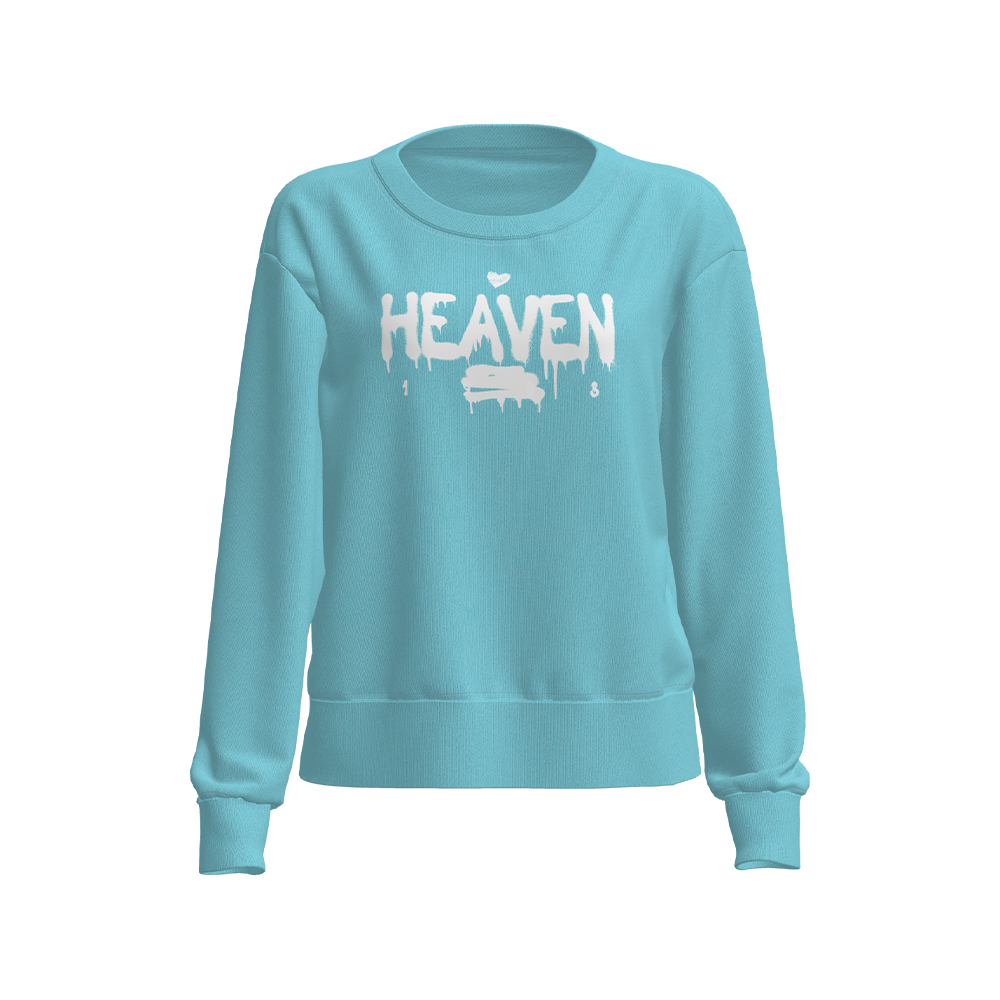
What Is the Difference Between Cotton and Fleece? A Complete Material Comparison Guide
In the world of textiles, two materials stand out as household staples: cotton and fleece. Whether you're shopping for everyday clothing, bedding, or activewear, understanding the differences between these fabrics is essential for making informed choices. While both offer comfort and functionality, they serve distinct purposes and possess unique characteristics that affect durability, maintenance, and performance. This comprehensive guide explores every aspect of cotton and fleece to help you select the right material for your needs.
What Is Cotton?
Cotton is a natural fiber derived from the fluffy white bolls of the cotton plant (Gossypium). For centuries, it has been one of the most widely used natural textiles in human history. The fiber grows in protective capsules around the plant's seeds and is harvested, cleaned, and processed into yarn and fabric through spinning and weaving.
Key Characteristics of Cotton
- Natural, biodegradable fiber derived from plant sources
- Soft and breathable, allowing excellent air circulation
- Highly absorbent, can retain up to 27% of its weight in moisture
- Hypoallergenic, making it suitable for sensitive skin
- Temperature-regulating properties ideal for warm climates
- Durable when properly cared for and can last for years
- Tends to wrinkle easily, requiring regular ironing
- Shrinks when exposed to hot water and high heat drying
Production Process
Cotton production begins with harvesting the bolls from mature plants. The raw cotton is then ginned to remove seeds and debris, carded to align fibers, spun into yarn, and finally woven or knitted into fabric. This natural process requires no synthetic chemicals during fiber extraction, though modern processing may include various treatments for color fastness and wrinkle resistance.
Types of Cotton Fabrics
Cotton comes in various forms, each with distinct properties. Percale cotton offers a crisp, cool feel ideal for warm sleepers. Jersey cotton provides a softer, more elastic knit suitable for casual clothing. Sateen cotton features a lustrous finish with maximum softness. Poplin cotton combines durability with a smooth surface. Understanding these variations helps you choose cotton products that match your specific comfort preferences and intended use.
Understanding Fleece Fabrics
Fleece is a synthetic fabric typically manufactured from polyester, though wool-based options also exist. The material is engineered to mimic the insulating properties of wool while offering advantages like easy care and affordability. Fleece has become increasingly popular for outdoor gear, athletic wear, and comfort clothing since its introduction in the 1970s.
Fleece Manufacturing and Composition
Most fleece begins as polyester derived from petroleum products. The polyester is extruded into fine fibers and then brushed or napped to create a soft, fuzzy surface. This process traps air within the fabric structure, creating excellent insulating properties. Some manufacturers produce wool fleece material alternatives for those seeking natural fiber benefits combined with fleece properties.
Varieties of Fleece
The fleece market offers several specialized variants designed for different applications. Standard fleece provides basic warmth and comfort. Textured fleece fabric offers enhanced grip and visual interest. Fleece lined fabric combines an outer layer with fleece backing for hybrid functionality. Heavyweight fleece delivers maximum insulation, while lightweight versions suit layering. Each type serves specific purposes, from outdoor adventures to cozy home lounging.
Key Characteristics of Fleece
- Synthetic material, typically polyester-based
- Exceptionally warm and insulating, traps body heat effectively
- Quick-drying, moisture-wicking away from skin
- Lightweight and compressible for travel and layering
- Low-maintenance, resistant to wrinkles and fading
- Non-absorbent, remains functional when wet
- Affordable compared to natural fiber alternatives
- Prone to pilling with regular washing and wear
- Can attract and retain odors
- Synthetic origin raises environmental concerns for some consumers
Cotton vs Fleece: Side-by-Side Comparison
The following table provides a comprehensive overview of how these two popular fabrics compare across multiple important dimensions:
| Property | Cotton | Fleece |
|---|---|---|
| Fiber Source | Natural plant fiber | Synthetic polyester |
| Breathability | Excellent | Poor |
| Warmth | Moderate | Excellent |
| Moisture Absorption | High (absorbs moisture) | Low (wicks moisture) |
| Drying Speed | Slow | Very Fast |
| Durability | High with proper care | Moderate (prone to pilling) |
| Wrinkle Resistance | Poor | Excellent |
| Easy Care | Moderate | Very Easy |
| Hypoallergenic | Yes | Generally Yes |
| Cost | Moderate to Higher | Affordable |
| Environmental Impact | Biodegradable, pesticide concerns | Non-biodegradable, petroleum-based |
| Lifespan | Many years | 3-5 years typical |
Performance Characteristics: When to Choose Each
Temperature Regulation
Cotton excels in warm weather applications due to its breathability and moisture-absorbing properties. The fabric allows air to circulate around the body, preventing heat accumulation. In contrast, fleece's tightly constructed fiber network traps warm air close to the skin, making it ideal for cold weather protection. Fleece essentially works by creating an insulating layer, while cotton works by promoting evaporative cooling.
Moisture Management
Cotton's high absorbency makes it perfect for towels, bath robes, and everyday casual wear in moderate climates. It draws sweat away from the skin and evaporates it into the air. Fleece, being non-absorbent, wicks moisture away from the body surface rather than holding it. This property makes fleece superior for athletic activities and outdoor sports in cool weather, as it keeps you dry without absorbing water.
Comfort for Sensitive Skin
Cotton's natural, chemical-free composition makes it an excellent choice for those with sensitive skin conditions or allergies. The fiber is hypoallergenic and less likely to cause irritation. Most people tolerate fleece well, though some may experience reactions to synthetic materials. Those with specific sensitivities should test polyester fleece contact tolerance before making large purchases.
Activity Level and Wear Scenarios
Choose cotton for everyday loungewear, sleepwear, undergarments, and casual clothing in mild climates. Select fleece for outdoor activities, winter sports, hiking, camping, and high-intensity exercise in cold conditions. The specific scenario determines which fabric better serves your needs. Layering combining both materials often provides optimal performance across changing conditions.
Durability and Longevity
Long-Term Cotton Durability
Cotton garments typically outlast fleece when properly maintained. High-quality cotton can last ten years or more with appropriate care. Cotton actually improves with age, becoming softer with each wash. However, cotton requires more attentive care to maintain longevity. Washing in cool water, avoiding high-heat drying, and regular ironing help preserve cotton's quality. Over time, cotton may fade slightly and fibers may weaken if exposed to harsh conditions or chemicals.
Fleece Lifespan and Degradation
Fleece typically maintains its appearance and function for three to five years under normal wear conditions. The material's main durability challenge is pilling—the formation of small fiber balls on the surface. This occurs when shorter fibers tangle together during washing and wearing. While pilling doesn't compromise the fabric's insulating ability, it diminishes appearance. Quality fleece resists pilling better than budget options. Fleece's synthetic nature means it won't biodegrade, making it a long-term environmental consideration even after disposal.
Impact of Washing and Care
Frequent washing in hot water accelerates wear on both fabrics, though they react differently. Cotton weakens and fibers deteriorate under excessive heat and agitation. Fleece resists damage better from washing but becomes more prone to pilling with aggressive laundering. Cold water washing extends the life of both materials significantly. Air drying rather than tumble drying preserves fibers and maintains shape far better than machine drying for both fabric types.
Care and Maintenance Guide
Washing Cotton Properly
Cotton garments should be washed in cold to lukewarm water to prevent shrinkage and color fading. Separate dark and light colors to avoid dye transfer. Use gentle detergent and avoid bleach unless the item is white. For everyday items, machine washing on a gentle cycle works well. Delicate cotton pieces benefit from hand washing. Washing cotton inside-out helps preserve color and reduces surface wear.
Cotton Drying and Pressing
Air drying is ideal for cotton, as heat causes shrinkage and can weaken fibers. If machine drying is necessary, use low heat settings. Cotton requires ironing to maintain a polished appearance, though this step can be skipped for casual loungewear. Store cotton in cool, dry places away from direct sunlight to prevent fading and mold growth. Proper storage extends the life of cotton items significantly.
Fleece Care Essentials
Fleece is remarkably low-maintenance, making it appealing to busy individuals. Wash in cold water and tumble dry on low heat to minimize pilling. Turn garments inside-out before washing to reduce surface friction that causes pilling. Avoid fabric softeners, which can damage the fibers and reduce water repellency. Most fleece pieces rarely require ironing, as the material resists wrinkles naturally. Proper care can extend fleece lifespan and reduce unsightly pilling.
Storage Recommendations
Store both cotton and fleece items in clean, dry environments. Cotton benefits from breathable storage solutions like cotton bags to prevent moisture accumulation. Fleece can be stored in compression bags for space-saving during off-season months. Avoid plastic storage containers for extended periods, as trapped moisture promotes odor development in fleece and mold in cotton. Ensure items are completely dry before storage to prevent fungal growth.
Environmental Impact and Sustainability
Cotton Production and Pesticide Use
Cotton farming represents a significant global agricultural enterprise. While cotton is fully biodegradable and naturally derived, conventional cotton cultivation relies heavily on pesticides and fertilizers. These chemicals can harm soil health and water systems. Organic cotton addresses these concerns by eliminating synthetic pesticides, though it requires more land and produces lower yields. The widespread use of cotton in textiles means production choices carry meaningful environmental consequences at scale.
Water Consumption in Cotton
Cotton production demands substantial water resources. Growing cotton requires approximately 2,700 liters of water to produce a single t-shirt. This significant water usage poses challenges in water-scarce regions. Sustainable cotton practices including efficient irrigation, rainwater harvesting, and drought-resistant crop varieties help reduce water consumption. Consumers concerned about water conservation may prefer lower-impact fabric alternatives or support brands using water-efficient cotton production methods.
Synthetic Fleece and Petroleum Dependency
Fleece derives from fossil fuel-based polyester, making its environmental impact dependent on petroleum extraction and processing. However, fleece's production uses less water than cotton, and its durability-to-weight ratio allows lighter, warmer garments requiring fewer materials overall. The primary environmental concern with fleece involves its permanent nature—it never biodegrades. Additionally, washing synthetic garments releases microplastics into waterways, which accumulate in marine environments and food chains.
Sustainability and Consumer Choices
Both materials present environmental tradeoffs. Cotton offers biodegradability but demands significant agricultural resources. Fleece reduces production resource intensity but contributes persistent plastic waste. Consumers prioritizing sustainability might choose organic cotton, seek textured fleece fabric alternatives from recycled polyester, or adopt circular consumption practices by buying secondhand and wearing items longer. Ultimately, the most sustainable fabric is the one that lasts longest and gets used most frequently.
Health, Comfort, and Skin Considerations
Skin Sensitivity and Hypoallergenic Properties
Cotton's natural composition makes it inherently hypoallergenic, containing no synthetic chemicals that might irritate skin. People with eczema, dermatitis, or general sensitive skin often find cotton more comfortable. Fleece, while generally well-tolerated, contains synthetic polymers that some individuals find irritating. Those with particular sensitivities should patch-test fleece items before full use. For individuals with known sensitivities, cotton typically proves the safer choice.
Moisture Wicking and Odor Control
Cotton absorbs moisture effectively, keeping skin dry by drawing sweat away from the body. However, wet cotton loses insulating properties and takes longer to dry. Fleece wicks moisture away from skin without absorbing it, maintaining warmth even when damp. This makes fleece preferable for athletic activities. Cotton tends to retain odors better than fleece, as bacteria thrive in moisture-rich environments. Fleece's dry nature resists bacterial growth better, though odors can accumulate if not regularly laundered.
Thermal Comfort and Sleep Quality
For sleep, cotton offers superior comfort in warm environments, allowing thermoregulation throughout the night. Cold-climate sleepers find fleece bedding uncomfortably warm and potentially overheating. Most sleep researchers recommend cotton sheets for general populations due to its temperature-regulating properties. Fleece pajamas and blankets excel for those in cold climates or for outdoor sleeping situations where warmth is prioritized over breathability.
Breathability for Extended Wear
Cotton's superior breathability makes it comfortable for all-day wear, even in warm conditions. Fleece can feel clammy if worn for extended periods in warm environments or during activity that generates body heat. The non-breathable nature of fleece suits short-term cold-weather outdoor activities better than extended indoor wear in moderate temperatures. Proper clothing selection based on activity, environment, and duration enhances overall comfort significantly.
Cost Comparison and Value Analysis
Initial Purchase Price
Fleece generally costs less initially than quality cotton products. Basic polyester fleece items often price 30-50% lower than comparable cotton garments. This affordability makes fleece accessible to budget-conscious consumers. Premium cotton products command higher prices, reflecting the natural fiber's longer cultivation period and more complex processing requirements. However, budget-friendly options exist for both materials across all price ranges.
Lifetime Cost of Ownership
Cotton's higher initial cost offsets through longevity. A quality cotton garment lasting ten years averages lower cost-per-wear than fleece lasting three to five years. When you factor in replacement frequency, cotton becomes economically competitive despite higher upfront prices. Considering cost-per-wearing leads many consumers to prefer cotton for essential items worn frequently, while fleece suits occasional-use and seasonal applications where replacement costs matter less.
Maintenance and Care Expenses
Cotton's wrinkle resistance requiring regular ironing adds time and energy costs. Professional dry cleaning for delicate cotton items increases expenses. Fleece's minimal care needs reduce long-term maintenance costs significantly. No ironing, minimal wrinkle formation, and easy machine washing all favor fleece economically. For those valuing their time, fleece's low-maintenance nature justifies its choice despite shorter lifespan. For value-conscious consumers prioritizing durability, cotton's superior longevity justifies maintenance efforts.
Total Value Proposition
Choose cotton for everyday essentials where longevity provides value and occasional care is acceptable. Select fleece for seasonal items, outdoor gear, and applications where easy care and moderate lifespan meet your needs. The best choice depends on balancing initial cost, expected usage duration, maintenance demands, and personal priorities between convenience and longevity.
Visual Performance Comparison
The following diagram illustrates how cotton and fleece compare across key performance dimensions:
Recommended Applications and Use Cases
Cotton: Ideal Applications
- Everyday casual clothing and t-shirts for warm seasons
- Bed sheets, pillowcases, and sleepwear for temperature regulation
- Towels and bath accessories for maximum absorbency
- Undergarments and intimate apparel for sensitive skin
- Lightweight summer dresses and skirts
- Work uniforms in warm environments
- Baby clothing and products for gentle contact
- Lightweight blankets and throws
Fleece: Ideal Applications
- Winter jackets and cold-weather outerwear
- Athletic wear for winter sports and training
- Outdoor gear for camping and hiking
- Sweatshirts and casual winter loungewear
- Insulated linings for hybrid jackets
- Blankets for cold climates or outdoor use
- Winter accessories like hats and gloves
- Quick-drying sports and water activity clothing
How to Choose: A Decision Framework
Selecting between cotton and fleece depends on answering these key questions:
Climate and Season Considerations
What is your climate like? Warm, humid environments favor cotton's breathability and moisture absorption. Cold climates call for fleece's insulating properties. If you experience seasonal variation, owning both materials ensures year-round comfort. Transitional seasons may allow layering of lightweight fleece under cotton outer layers.
Activity Level and Moisture Generation
Will you be active and sweating? Athletes prefer fleece's moisture-wicking capability, as wet cotton loses insulation. Sedentary wearers in moderate climates benefit more from cotton's breathability. High-intensity activities in cold weather demand fleece. Low-intensity activities in warm weather prefer cotton.
Skin Sensitivity Assessment
Do you have sensitive skin or allergies? Cotton's natural composition suits reactive skin types better. While most tolerate fleece, those with particular sensitivities should test small areas first. Consider your personal reaction history with synthetic materials when deciding.
Maintenance Tolerance
How much care are you willing to provide? Time-constrained individuals prefer fleece's minimal maintenance. Those enjoying garment care or seeking maximum longevity accept cotton's wrinkle-resistance requirements. Match fabric choice to your lifestyle and available maintenance time.
Budget and Longevity Priorities
What matters more: immediate affordability or long-term value? Limited budgets often favor fleece's lower initial cost. Those viewing clothing as long-term investments prefer cotton's superior durability. Calculate cost-per-wear based on expected usage frequency and lifespan.
Environmental Values
Are environmental factors important to your decision? Eco-conscious consumers might prefer organic cotton over conventional or choose recycled polyester fleece lined fabric options. Understanding the environmental tradeoffs helps align purchases with personal values.
Innovation: Modern Fabric Developments
Advanced Cotton Technologies
Modern cotton processing includes innovations like cotton finishing treatments that provide wrinkle resistance, water repellency, and enhanced durability. Researchers continue developing cotton varieties requiring less water and fewer pesticides. Genetically improved cotton seeds offer higher yields with reduced environmental impact. Lab-created improvements make cotton more practical for applications traditionally dominated by synthetics.
Improved Fleece Formulations
Contemporary fleece development focuses on reducing pilling, improving durability, and addressing environmental concerns. Recycled polyester fleece provides the comfort of traditional polyester fleece while reducing petroleum consumption. Biodegradable fleece research shows promise, though commercial availability remains limited. Performance enhancements include improved moisture-wicking, enhanced breathability, and color-fastness improvements.
Hybrid and Blended Fabrics
Many manufacturers now produce cotton-polyester blends combining desirable properties of both materials. Cotton-fleece blends offer temperature modulation with easier care than pure cotton. Fabric innovations also include specialized constructions like brushed cotton providing fleece-like softness with cotton breathability. These hybrid approaches appeal to consumers seeking compromise solutions balancing multiple priorities.
Sustainable Alternatives Emerging
Innovative materials from agricultural waste products, lab-grown fibers, and synthetic biodegradable polymers represent future alternatives. Mushroom-based leather and lab-cultured cotton show commercial potential. Plant-based synthetic fibers derived from corn and sugarcane offer middle-ground solutions. Staying informed about emerging options helps conscious consumers make future purchasing decisions aligned with evolving sustainability standards.
Frequently Asked Questions
Q1: Does cotton or fleece pill more easily?
Fleece is significantly more prone to pilling than cotton. Pilling occurs when loose fibers tangle into small balls on the fabric surface. This happens more readily with fleece due to its brushed, napped construction. Cotton's longer, more tightly spun fibers resist pilling much better. While quality fleece pills less than budget versions, any fleece will eventually pill with regular wear and washing. Pilling doesn't reduce insulation but affects appearance. Wearing quality garments and turning them inside-out before washing minimizes fleece pilling.
Q2: Can I wash cotton and fleece together?
Yes, cotton and fleece can generally be washed together safely. Use cold water to protect both fabrics and prevent color bleeding. However, washing fleece with cotton items prone to pilling may transfer lint. If doing mixed loads, place delicate items in a mesh bag. Separating colors is more important than separating fiber types. For best results with expensive items, washing each fabric type separately ensures optimal care. Standard practice for casual mixed loads includes cold water and gentle detergent for both materials.
Q3: Why does fleece feel clammy sometimes?
Fleece feels clammy when worn in warm environments or during activity generating body heat. As fleece is non-absorbent, perspiration accumulates on the skin rather than being drawn away. Unlike cotton, which absorbs moisture into fibers, fleece's moisture-wicking action moves sweat across the surface without absorption. In cool conditions where minimal perspiration occurs, this isn't problematic. In warm settings or during exertion, moisture accumulates, creating a clammy sensation. This is why fleece suits cold-weather activities better than warm-environment wear.
Q4: Is organic cotton worth the higher price?
Organic cotton justifies higher prices if environmental concerns matter to you. Organic farming eliminates synthetic pesticides and fertilizers, reducing chemical pollution and supporting ecosystem health. However, organic cotton still requires substantial water and produces lower yields, increasing production costs. For those prioritizing environmental impact, organic cotton represents a genuine improvement. For others focused purely on fabric performance, conventional and organic cotton function identically. Evaluate whether the environmental benefits align with your values and budget before deciding.
Q5: How can I reduce fleece pilling?
Several strategies minimize fleece pilling. Turn garments inside-out before washing to reduce surface friction. Use gentle wash cycles and cold water. Avoid fabric softeners, which can exacerbate pilling. Purchase higher-quality fleece products, which naturally resist pilling better. After pilling occurs, a fabric shaver or lint roller gently removes pills without damaging underlying fibers. Interestingly, excessive pilling often decreases over time as loose fibers are removed, eventually stabilizing the surface appearance.
Q6: Does fleece shrink like cotton?
Fleece shrinks minimally compared to cotton. Polyester has very low shrinkage rates, even with hot water and high-heat drying. This stability is actually an advantage, as fleece maintains consistent sizing through many wash cycles. Cotton, however, shrinks noticeably, particularly with hot water and high-heat drying. For consistent sizing, fleece proves more reliable. However, excessive heat can damage fleece fibers and increase pilling, so moderate temperature washing still benefits fleece longevity.
Q7: Which fabric is better for winter travel?
Fleece is superior for winter travel. Its lightweight, compressible nature saves valuable luggage space. Quick-drying properties mean laundry dries overnight, allowing wardrobe rotation without packed items. Fleece requires minimal wrinkle maintenance, important when traveling without access to ironing facilities. Cotton's superior quality and longevity matter less during short trips. The practical advantages of fleece's easy care, weight, and space efficiency make it ideal for travel, despite cotton's overall quality advantages.
Q8: Can cotton clothing work for cold weather?
Pure cotton alone provides inadequate insulation for cold weather because it lacks the air-trapping structure of fleece. However, heavyweight cotton knits and densely woven cotton can provide moderate warmth when layered properly. Many find that layering lightweight cotton with wool or fleece outerwear creates effective cold-weather solutions. Cotton excels in transitional seasons with layering but shouldn't be the sole layer in truly cold conditions. For dedicated cold-weather comfort, fleece or wool naturally outperforms cotton due to superior insulating construction.
Q9: How do I know if a fleece is high quality?
High-quality fleece exhibits several characteristics. The fabric feels densely constructed with consistent weight and texture throughout. Better fleece resists pilling longer than budget alternatives. Premium fleece maintains its appearance after multiple washes. Check the denier (thickness) rating—higher denier typically indicates better quality. Examine seams and stitching for even, secure construction. Test the fabric between your fingers; quality fleece feels plush without obvious loose fibers. Read customer reviews mentioning durability and pilling resistance. Investing in higher-quality fleece extends its usable lifespan significantly.
Q10: Can fleece be recycled at the end of its life?
Most standard polyester fleece cannot be recycled through conventional textile recycling programs because polyester requires specialized processing. Some communities offer polyester collection through specific textile recycling initiatives. Increasingly, brands accept worn fleece garments for specialized recycling. The best sustainable approach involves buying secondhand fleece, wearing items longer, and donating usable clothing before end-of-life. Choosing recycled-polyester fleece from the start reduces environmental impact. Contact local recycling programs to determine if fleece acceptance is available in your area.
Conclusion: Making Your Fabric Choice
Cotton and fleece represent two fundamentally different approaches to textile comfort, each excelling in distinct applications. Cotton's natural origin, breathability, and longevity make it ideal for everyday wear in warm climates and for individuals prioritizing skin sensitivity. Fleece's exceptional insulation, low maintenance, and affordability suit cold-weather activities and time-conscious consumers. The best choice depends on your climate, activity level, maintenance preferences, skin sensitivity, budget considerations, and environmental values.
Rather than viewing cotton and fleece as competitors, consider them complementary options. A well-rounded wardrobe includes both materials, deployed strategically based on conditions and activities. Cotton excels during warm seasons and sedentary activities, while fleece dominates cold weather and athletic pursuits. Understanding each fabric's unique properties empowers you to make informed decisions that maximize comfort, durability, and satisfaction with your clothing investments.
As textile technology evolves, innovations in both traditional materials and alternatives continue emerging. Staying informed about fabric options helps you adapt purchasing decisions to align with personal priorities and evolving environmental considerations. Whether you ultimately prefer cotton's natural heritage and longevity or fleece's practical convenience and warmth, informed choice ensures your fabrics match your lifestyle and values.
Don't hesitate to contact when you need us!

Step Ahead.
Nearly 30 years of experience in the textile industry is a valuable advantage of Golden Morning. Welcome to communicate with our team!
Become a Client
 +86-512-52528088
 +86-512-14546515
-
 [email protected]
[email protected]
[email protected] -

Company Address:
NO.218 QingDunTang Road changshu CityJiangsu Province(215500), ChinaFactory Address:
NO.19 Fuchunjiang East Road Southeast Economic Development Zone Changshu Jiangsu, China
