


 English
 한국어
한국어 中文简体
中文简体
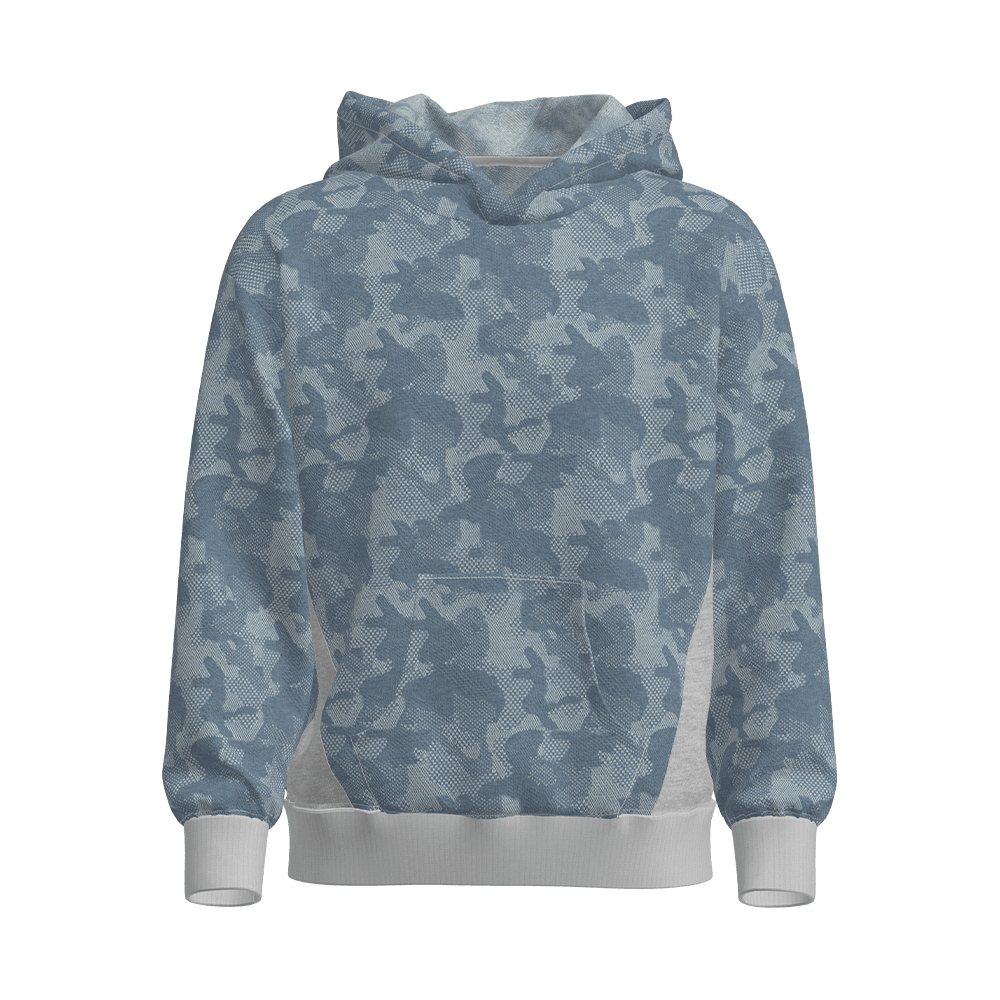
5 Facts About Fleece Fabric You Should Know
Core Definition and Basic Composition of Fleece Fabric
Over the past few decades, fleece fabric has evolved from a niche functional material for outdoor enthusiasts into a mainstream staple across the global apparel and home textile industries. Its unique combination of lightweight warmth, easy care, and affordable pricing has made it a preferred choice for brands and consumers alike. For B2B buyers, understanding the fundamental nature of this fabric is the first step to making informed procurement decisions, as it directly impacts product quality, cost control, and market competitiveness.
What Exactly Is Fleece Fabric?
At its core, fleece is a knitted fabric characterized by its fluffy, raised fiber surface that traps air to deliver exceptional insulation. Unlike woven fabrics, fleece is produced through a specialized knitting process that creates a loose, stretchy base structure, followed by brushing, raising, and shearing processes to pull fibers to the surface and form the soft, fuzzy pile that defines the material. This unique production process is what gives fleece its signature warmth without the bulk of traditional insulating materials like wool or down.
When evaluating procurement options for Fleece Fabrics, the first step is to understand its core material composition. Traditionally, most fleece fabrics are made from polyester fibers, a synthetic material derived from petroleum. Polyester is chosen for its hydrophobic properties, durability, and low cost, which align perfectly with the functional requirements of fleece. However, as environmental awareness has grown across the industry, recycled polyester has become an increasingly popular alternative, transforming waste plastic bottles into high-quality textile fibers.
The Rise of Recycled Fleece Materials
In recent years, the production of recycled fleece has seen explosive growth, driven by both regulatory requirements and consumer demand for sustainable products. According to industry data, the global production share of recycled fleece fabric reached 32% in 2023, up from just 18% in 2019, representing a 77% growth in just four years. This shift is not only environmentally beneficial but also economically viable for B2B buyers, as it allows brands to market their products as eco-friendly, a key selling point for modern consumers.
The process of producing recycled fleece begins with collecting post-consumer PET plastic bottles, which are then cleaned, shredded into small flakes, melted down, and extruded into polyester fibers. These fibers are then spun into yarn and processed into fleece fabric using the same standard production methods as virgin polyester. A single standard-sized fleece jacket can be made from 8 discarded plastic bottles, diverting waste from landfills and oceans. Additionally, producing recycled fleece reduces carbon emissions by up to 70% compared to producing virgin polyester fleece, making it a critical option for brands looking to reduce their carbon footprint and meet ESG targets.
It is important to note that while recycled fleece offers significant environmental benefits, it does not require a compromise on core performance for most applications. Academic research has confirmed that the air permeability and moisture vapor transmission rate of recycled fleece are almost identical to those of conventional virgin polyester fleece. For high-performance applications, a blend of 30% recycled polyester and 70% virgin polyester can deliver mechanical properties that are fully comparable to 100% virgin fleece, eliminating any concerns about performance trade-offs when switching to sustainable materials.
Core Performance Advantages and Quantified Data
One of the key reasons for the widespread adoption of fleece fabric is its outstanding performance characteristics, which outperform many traditional natural fibers in multiple aspects. For B2B buyers, understanding these quantified performance parameters is essential to matching the right fabric to their product requirements, ensuring that the end products meet consumer expectations and industry standards.
Quantitative Comparison of Warmth Performance
Warmth is the most well-known advantage of fleece fabric, and its performance can be measured using the CLO value, a standard unit of thermal insulation that indicates how well a material can retain body heat. A higher CLO value means better insulation. For fleece fabric, industry standards define that a CLO value of ≥0.5 is considered qualified for effective warmth, while values below 0.3 mean the fabric cannot provide meaningful insulation for cold environments.
Compared to natural wool, which has long been considered the gold standard for warmth, fleece delivers a far better warmth-to-weight ratio. A 100gsm (grams per square meter) fleece fabric has a CLO value of approximately 0.78, while the same weight of wool only has a CLO value of 0.52. This means that fleece is 1.5 times warmer than wool at the same weight, allowing brands to produce lighter, more comfortable products that still deliver excellent cold protection. This is particularly valuable for outdoor apparel, where reducing the weight of gear without sacrificing warmth is a top priority for consumers.
Another critical performance metric for insulating fabrics is the RET value, which measures breathability by calculating the resistance to water vapor transmission. A lower RET value means the fabric is more breathable, allowing sweat vapor to escape during physical activity. For fleece fabric, qualified products have a RET value of <6, with most high-quality fleeces falling between 3 and 5. In comparison, conventional cotton fabric typically has a RET value of 6 to 8, meaning fleece is significantly more breathable, preventing overheating and stuffiness during high-intensity activities.
Breathability and Quick-Drying Advantages
Beyond breathability, fleece's quick-drying property is another major advantage that sets it apart from natural fibers. Polyester fibers are inherently hydrophobic, meaning they do not absorb water like cotton or wool. This allows fleece to dry much faster after getting wet, whether from sweat, rain, or washing. Industry tests show that the drying speed of fleece is 3 times faster than cotton. For example, a wet fleece garment can dry completely in just 2 hours at room temperature, while the same size cotton garment would take 6 hours to dry.
This hydrophobic property also means that fleece retains most of its insulating ability even when wet. Unlike cotton, which loses up to 80% of its warmth when saturated with water, fleece only loses about 10% of its insulation when wet. This is a life-saving feature for outdoor enthusiasts, as it prevents hypothermia even when they get caught in rain or sweat through their clothes during a hike. For B2B buyers producing outdoor apparel, this performance characteristic is non-negotiable, as it directly impacts the safety and satisfaction of end users.
Durability and Anti-Pilling Performance
Durability is a key concern for both B2B buyers and end consumers, as no one wants a garment that falls apart after a few washes. High-quality fleece fabric is designed to be highly durable, withstanding repeated washing and wear without losing its shape or performance. One of the most common concerns with fleece is pilling, where small balls of fiber form on the surface of the fabric over time, making it look old and worn.
To address this, reputable suppliers apply anti-pilling treatments to their fleece fabrics. Industry standards measure anti-pilling performance on a scale of 1 to 5, with 5 being the highest. High-quality anti-pilling fleece can achieve a rating of ≥4 after 50 washes, meaning that even after extensive use, there is no obvious pilling on the fabric surface. In comparison, low-quality unprocessed fleece may only have a rating of 2 to 3, leading to visible pilling after just a few washes, which can result in high return rates for brands.
Other key durability parameters include shrinkage rate and color fastness. Qualified fleece fabric has a shrinkage rate of ≤3% after washing, ensuring that the finished product does not change size or shape after cleaning. For color fastness, the standard requires dry rubbing fastness of ≥4 level and wet rubbing fastness of ≥3 level, preventing color bleeding during washing and ensuring that the fabric retains its vibrant color for years.
Core Procurement Considerations for B2B Buyers
For B2B buyers, sourcing fleece fabric requires more than just looking at the price per meter. There are multiple critical factors that need to be considered to ensure that the fabric meets product requirements, quality standards, and business needs. From selecting the right weight to verifying certifications, these considerations can make or break a product line's success in the market.
GSM Selection and Application Scenario Matching
One of the first decisions B2B buyers need to make when sourcing fleece is selecting the right GSM (grams per square meter), which is the standard measure of fabric weight. The GSM of fleece directly impacts its warmth, weight, durability, and suitability for different applications. Choosing the wrong GSM can lead to products that are too heavy, too light, or not fit for their intended use. The following table outlines the standard GSM categories and their corresponding application scenarios:
| GSM Range | Category | Core Application Scenarios | Suitable Products |
| <100 | Ultra-lightweight | Warm-weather comfort, lining | Base layers, sportswear lining, summer blankets |
| 100-200 | Lightweight | Daily wear, mild weather | Microfleece jackets, hoodies, pajamas, baby clothes |
| 200-300 | Midweight | All-season use, outdoor activities | Standard fleece jackets, outdoor mid-layers, home blankets |
| >300 | Heavyweight | Cold weather, extreme conditions | Heavy winter coats, sleeping bags, industrial insulation |
For example, if you are producing baby clothing, lightweight 150gsm microfleece is the ideal choice, as it is soft, lightweight, and gentle on baby's skin, while still providing enough warmth for indoor use. If you are producing winter outdoor jackets, midweight 280gsm fleece would be a better option, as it delivers enough warmth for cold temperatures without being too bulky. For heavy-duty sleeping bags for extreme cold environments, 350gsm heavyweight fleece is the standard choice, as it provides maximum insulation to keep users warm in sub-zero temperatures.
Key Quality Inspection Standards
To ensure that the fleece fabric you source meets the required quality standards, it is essential to conduct pre-shipment inspections based on standardized industry parameters. The following are the core inspection items that B2B buyers should prioritize:
- Anti-pilling grade: Ensure the fabric has a grade of ≥4 after 50 washes, to prevent visible pilling after regular use.
- Shrinkage rate: Verify that the shrinkage rate after washing is ≤3%, to avoid size changes in finished products that lead to customer returns.
- Color fastness: Confirm dry rubbing fastness is ≥4 level and wet rubbing fastness is ≥3 level, to prevent color bleeding during washing.
- Formaldehyde content: Ensure formaldehyde content is ≤75mg/kg, compliant with OEKO-TEX Standard 100 requirements, to ensure the fabric is safe for end users, especially children and people with sensitive skin.
For buyers with strict color requirements, it is highly recommended to request physical fabric swatches before placing a bulk order. Screen colors can vary significantly from actual fabric colors, and even small color differences between batches can lead to inconsistent products. Most suppliers can ship sample swatches within 24 hours, allowing you to test the color, texture, and performance of the fabric before committing to a large order, reducing the risk of costly mistakes.
Sustainable Procurement Trends and Certification Requirements
Sustainable procurement has become a non-negotiable requirement for most modern brands, as consumers are increasingly willing to pay a premium for eco-friendly products. According to a 2024 industry survey, 68% of global apparel brands now require their suppliers to provide GRS-certified fleece fabric, up from just 32% in 2020. This shift reflects the growing demand for transparent, sustainable supply chains across the industry.
GRS (Global Recycled Standard) is the most widely recognized certification for recycled textiles. To qualify for GRS certification and use the GRS label on products, fabrics must meet the following requirements:
- The recycled material content must be ≥50% of the total fiber content.
- Full supply chain traceability must be provided, including Transaction Certificates (TC) that track the recycled material from the original waste source to the finished fabric.
- Strict environmental and social compliance requirements must be met throughout the production process, including restrictions on harmful chemicals and fair labor practices.
While GRS-certified recycled fleece typically costs 10-15% more than conventional fleece, the return on investment is significant. Research shows that consumers are willing to pay a 20-30% premium for products with verified sustainable credentials, allowing brands to increase their profit margins while meeting consumer demand. Additionally, sustainable products have higher customer loyalty and lower return rates, as eco-conscious consumers are more satisfied with products that align with their values.
MOQ and Supply Chain Flexibility
Minimum Order Quantity (MOQ) and delivery timelines are critical factors for B2B buyers, especially when planning production schedules and inventory management. For standard in-stock fleece fabrics, the typical MOQ is 500-600 meters per color, with delivery times of 7-15 days, as these fabrics are already produced and available in the supplier's warehouse. This is ideal for buyers who need fast delivery for small to medium-sized orders.
For customized fleece fabrics, such as those with special colors, custom patterns, or functional treatments like water repellency or anti-bacterial coating, the MOQ is higher, usually 1000-3000 meters per color, with delivery times of 20-30 days. This is because customized fabrics require dedicated production runs to meet the specific requirements, which takes more time and has higher minimum production volumes to be cost-effective for suppliers.
For startup brands or small businesses that need smaller order volumes, many suppliers now offer small-batch procurement services. These services have a lower MOQ, as low as 25kg per color, which is equivalent to approximately 100-150 meters for standard midweight fleece. While the unit price for small-batch orders is slightly higher than bulk orders, it allows small brands to test new products without committing to large inventory purchases, reducing their financial risk.
Main Application Scenarios and Market Demand Trends
Understanding the market demand for fleece fabric and its core application scenarios can help B2B buyers align their procurement strategies with market trends, ensuring that they are investing in products that have high demand and growth potential. The global fleece fabric market has been growing steadily in recent years, driven by multiple factors including the rise of outdoor recreation, the comfort-focused casual wear trend, and the growth of home textile products.
Global Market Size and Growth Forecast
According to the latest industry research report, the global fleece fabric market was valued at US$ 736 million in 2024, and is projected to reach US$ 1046 million by 2031, growing at a compound annual growth rate (CAGR) of 5.2% during the forecast period. This steady growth reflects the enduring demand for fleece fabric across multiple industries, as well as the continuous innovation in fleece technology that expands its application scenarios.
Geographically, China is the world's largest producer of fleece fabric, accounting for 60% of global production capacity, thanks to its complete textile supply chain, large production scale, and competitive pricing. This is why most global B2B buyers source their fleece fabric from Chinese suppliers, as they can offer high-quality products with fast delivery times and competitive prices. North America and Europe are the largest import markets, accounting for 45% of global fleece fabric imports, as consumers in these regions have high demand for outdoor apparel and comfortable casual wear.
Segmented Application Demand
The fleece fabric market can be segmented into four core application areas, each with different growth drivers and demand characteristics. The following table outlines the market share and growth drivers for each segment:
| Application Segment | Market Share | Core Growth Driver |
| Outdoor Apparel | 45% | Rising popularity of camping and hiking, 12% growth in global outdoor leisure market in 2023 |
| Casual Apparel | 30% | Comfort-focused casual wear trend, work-from-home demand for soft, comfortable clothing |
| Home Textiles | 15% | Increasing demand for home comfort products, growing sales of fleece blankets and bedding |
| Industrial & Other | 10% | Growing demand for industrial insulation, protective clothing, and pet products |
Outdoor apparel is the largest and fastest-growing segment of the fleece market. The post-pandemic boom in outdoor recreation has led to a surge in demand for outdoor gear, with more people than ever participating in camping, hiking, and other outdoor activities. In 2023 alone, the global outdoor leisure market grew by 12%, driving a corresponding increase in demand for high-performance fleece fabric for jackets, mid-layers, and other outdoor apparel. This trend is expected to continue, with the outdoor apparel segment projected to grow at a CAGR of 6.1% over the next 7 years, outpacing the overall market growth.
The casual apparel segment is another major driver of demand, as the "athleisure" and "comfort-first" fashion trends have made soft, comfortable fleece a staple in everyday wardrobes. Fleece hoodies, sweatpants, and loungewear have become essential items for consumers, especially after the work-from-home trend made comfortable clothing a priority. This segment is particularly stable, as fleece casual wear is a year-round product with consistent demand across seasons.
Another growing trend in the market is the demand for functional fleece fabrics. Beyond standard fleece, consumers are increasingly looking for fabrics with added functions such as water resistance, anti-static properties, anti-bacterial treatment, and UV protection. The market for functional fleece is growing at a CAGR of 7.8%, faster than the overall market, as these functions add significant value to products and allow brands to charge higher prices. For B2B buyers, investing in these functional fleece fabrics can help differentiate their products in a crowded market and capture higher profit margins.
Fabric Care and Storage Guidelines
Proper care and storage of fleece fabric are essential for both B2B buyers and end consumers. For B2B buyers, correctly storing bulk fabric can prevent damage, extend shelf life, and reduce waste. For end consumers, following the right care instructions can ensure that their fleece products last for years, maintaining their softness, warmth, and appearance. Providing clear care instructions can also reduce return rates, as many product issues are caused by incorrect washing or drying methods.
Bulk Fabric Storage Tips for B2B Buyers
When sourcing large quantities of fleece fabric, it is common for buyers to store the fabric for weeks or even months before processing it into finished products. Improper storage can lead to mold, mildew, fading, or deformation of the fabric, resulting in costly losses. The following are key storage guidelines to protect your inventory:
- Control the storage environment: Maintain a storage temperature of 20-25°C and humidity of 50-60%. High humidity can lead to mold and mildew growth, especially in warm climates, while extreme temperatures can damage the polyester fibers.
- Avoid direct sunlight: Long-term exposure to direct sunlight can cause the fabric to fade and the fibers to degrade, leading to loss of strength and color. Store fabric in a dark, covered area, or use opaque packaging to protect it from light.
- Proper handling of fabric rolls: Store fleece fabric rolled instead of folded, as folding can create permanent creases that are difficult to remove during production. Do not stack heavy items on top of the rolls, as this can deform the fabric and compress the pile, reducing its warmth and softness.
- Pest control: Implement appropriate pest control measures to prevent moths, beetles, or other pests from damaging the fabric. Use food-grade pest control products that do not leave harmful residues on the fabric.
Finished Product Care Instructions for End Consumers
As a B2B buyer, providing clear care instructions for your finished products can help end users get the most out of their fleece items, reducing complaints and returns. The following are the standard care instructions that you can print on your product's wash tag:
- Washing temperature: Wash the fleece product in cold or lukewarm water, with a temperature not exceeding 30°C. Hot water can cause the polyester fibers to shrink and damage the anti-pilling treatment.
- Detergent and additives: Use a mild, gentle detergent. Do not use bleach, fabric softener, or dryer sheets, as these can coat the fibers and reduce the fabric's breathability and water-repellent properties if applicable.
- Washing method: Machine wash on a gentle cycle. For the first wash, wash dark colors separately to prevent color bleeding. Do not dry clean fleece fabric, as the chemicals used in dry cleaning can damage the fibers.
- Drying: Air drying is the best option for fleece, as it preserves the fabric's softness and prevents shrinkage. If you use a dryer, use a low-temperature setting, as high heat can cause the fabric to shrink and melt the fibers. Do not over-dry the fabric.
- Ironing: Do not iron the fuzzy fleece side of the fabric, as this will flatten the pile and reduce its warmth. If you need to iron the fabric, iron it on the reverse side with a low-temperature setting.
Frequently Asked Questions (FAQ)
Q1: What is the difference between fleece fabric and wool fabric?
Fleece fabric has a significantly better warmth-to-weight ratio than wool. At the same weight, fleece is 1.5 times warmer than wool, while being much lighter and more affordable. Fleece also dries 3 times faster than wool, does not absorb water, and retains its warmth even when wet. Unlike wool, fleece is non-itchy, hypoallergenic, and much easier to care for, making it suitable for people with sensitive skin.
Q2: What is the typical MOQ for fleece fabric procurement?
For standard in-stock fleece fabrics, the typical MOQ is 500-600 meters per color, with delivery times of 7-15 days. For customized fabrics with special colors or functions, the MOQ is usually 1000-3000 meters per color, with delivery times of 20-30 days. Some suppliers also offer small-batch services for startup brands, with MOQ as low as 25kg per color, though the unit price is slightly higher.
Q3: Is recycled fleece fabric less performant than conventional fleece?
For most applications, the performance difference is negligible. Recycled fleece has almost identical breathability and moisture permeability to conventional fleece. When using a blend of 30% recycled and 70% virgin polyester, the mechanical properties are fully comparable to conventional fleece. 100% recycled fleece may be slightly stiffer, but it still meets the requirements of most standard applications, while offering significant environmental benefits.
Q4: What certifications should I look for when sourcing fleece fabric?
The most common and important certifications are OEKO-TEX Standard 100, which ensures the fabric is free of harmful substances and safe for consumers, and GRS (Global Recycled Standard) for recycled fleece, which verifies the recycled content and full supply chain traceability. ISO 9001 is also a common certification that ensures the supplier has a standardized quality management system.
Q5: Can fleece fabric be made waterproof?
While standard fleece is not waterproof, it can be treated with a Durable Water Repellent (DWR) coating to make it water-resistant. Water-resistant fleece can repel light rain and snow, preventing the fabric from getting wet quickly, while still retaining its breathability. This makes it ideal for outdoor activities in mild wet weather, though it cannot replace fully waterproof raincoat fabrics for heavy rain.
Don't hesitate to contact when you need us!

Step Ahead.
Nearly 30 years of experience in the textile industry is a valuable advantage of Golden Morning. Welcome to communicate with our team!
Become a Client
 +86-512-52528088
 +86-512-14546515
-
 [email protected]
[email protected]
[email protected] -

Company Address:
NO.218 QingDunTang Road changshu CityJiangsu Province(215500), ChinaFactory Address:
NO.19 Fuchunjiang East Road Southeast Economic Development Zone Changshu Jiangsu, China
