


 English
 한국어
한국어 中文简体
中文简体
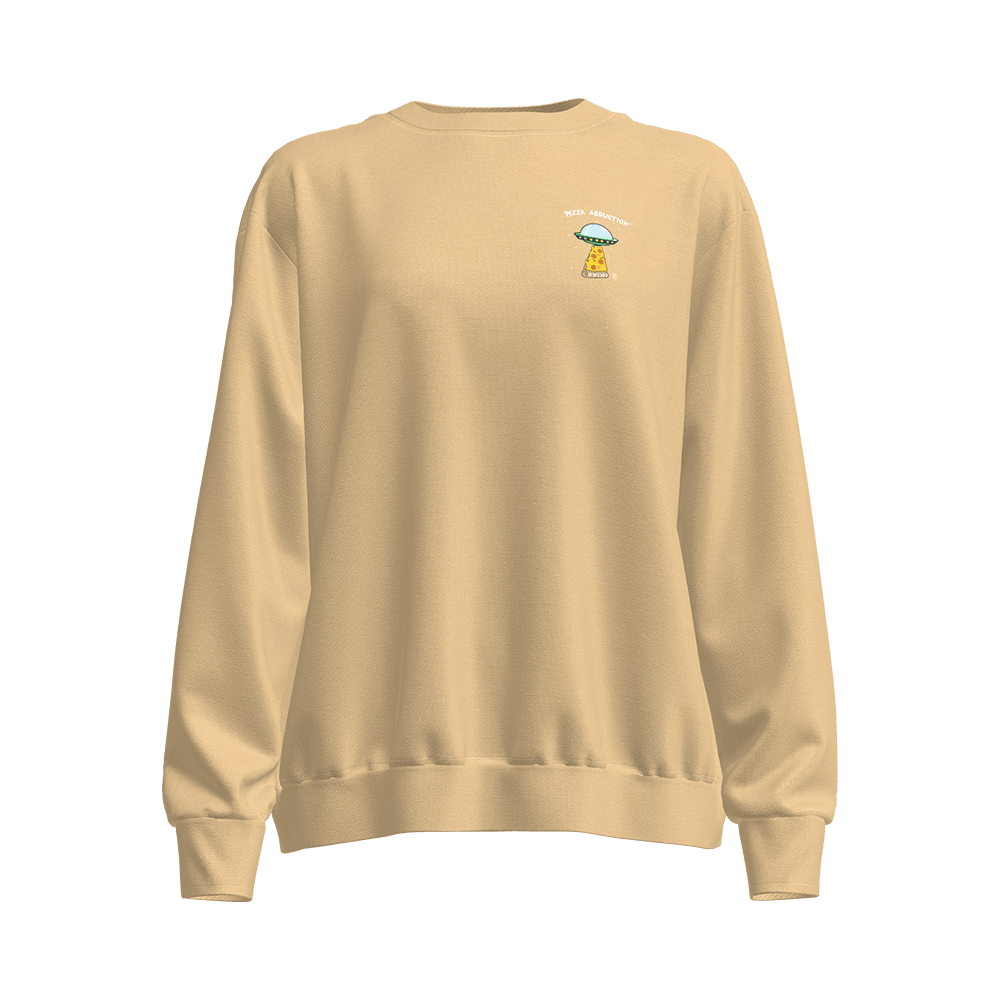
Why Terry and Velvet Knits Perform Differently in High-Performance Wear
The Growing Demand for Textured Knit Fabrics in Technical Apparel
Sourcing teams evaluating soft-touch materials for activewear, home textiles, and industrial wiping applications increasingly compare looped and piled knit constructions side by side. Two structures dominate this conversation: terry fabrics and velvet fabrics. Both begin from a knitted base, yet the way each surface is formed changes how the material absorbs moisture, holds warmth, and wears over repeated use cycles.
This guide breaks down the construction differences, tests the moisture and thermal behavior of each fabric family, and outlines the finishing steps that determine final hand-feel and performance. The goal is to give buyers and product developers a practical framework for matching fabric structure to end-use requirements rather than choosing based on surface appearance alone.
Looped pile surface characteristic of terry knit construction
Construction Differences Between Terry and Velvet Knits
The performance gap between these two fabric families starts at the knitting machine. Terry cloth is produced by holding an extra set of yarn feeders that create uncut loops on one or both fabric faces. Those loops increase the total surface area exposed to air and moisture, which is the primary reason terry cloth is associated with absorbent products such as towels and sportswear liners.
Velvet knits, by contrast, use a pile-weaving or warp-knitting process where the loops are cut and sheared to a uniform, short height. This produces a dense, upright fiber field that reflects light differently depending on the direction it is brushed, giving velvet its signature soft sheen. Because the fibers stand upright rather than looping back into the base cloth, velvet traps a thin layer of still air near the surface, which changes its thermal behavior compared to terry.
Typical Production Sequence
Both fabric types move through a comparable sequence of production stages, though the loop-forming and shearing steps diverge sharply between the two.
Fig 1. Generalized production flow from yarn preparation through finished roll packing
Moisture Absorption and Evaporation Behavior
Absorbency is where the structural difference between the two fabrics matters most. In controlled laboratory-style water uptake testing, looped terry surfaces consistently outperform sheared pile surfaces because the loop geometry holds liquid within the yarn structure rather than only on the surface.
Fig 2. Representative absorption values across common textile constructions
Evaporation rate tells a different part of the story. While terry holds more total moisture, its dense loop field also releases that moisture more gradually, which is desirable for towels but less ideal for garments needing fast dry-down. Velvet, with its shorter and more open pile, tends to release surface moisture faster once the fabric is no longer under continued wetting.
Fig 3. Residual surface moisture percentage measured over a sixty minute drying interval
Breathability and Thermal Regulation
Thermal behavior depends heavily on how much still air a fabric can trap near the skin and how easily that air exchanges with the surrounding environment. Terry loops create open channels that support airflow between the skin and outer air, which supports breathability in warm-weather sportswear. Velvet pile, being denser and more upright, traps a thinner but more stable air layer, which slightly improves insulation at the cost of reduced airflow.
Fig 4. Comparative attribute profile based on relative performance scoring
Neither profile is universally superior. A fabric optimized purely for breathability will underperform in cold-weather applications, while a fabric optimized for warmth retention will feel heavy or clammy during high-output activity. Product developers typically select terry knit for base layers, sportswear liners, and toweling, and reserve velvet knit for outerwear linings, upholstery-adjacent soft goods, and cold-season apparel where a stable insulating layer is more valuable than open airflow.
Durability Under Repeated Wear and Washing
Long-term performance depends on how well the pile or loop structure survives mechanical abrasion and repeated laundering. Abrasion testing, commonly reported in rub cycles before visible surface change, gives a useful comparison point across constructions.
Fig 5. Illustrative Martindale-style rub cycle comparison across knit and woven constructions
Terry cloth tends to lead in raw abrasion resistance because the loop structure distributes friction across many individual fiber loops rather than concentrating wear on a single sheared surface. Velvet is more sensitive to crushing, where repeated pressure flattens the pile and changes the visual sheen even before the yarn itself weakens. Pile recovery finishes and yarn twist level both influence how quickly this crushing becomes visible.
Practical Wear Recommendations
- Choose terry constructions for products expecting frequent laundering, such as towels, sportswear liners, and cleaning cloths
- Choose velvet constructions for lower-friction, lower-wash-frequency applications such as decorative apparel trim and soft accessories
- Specify a tighter loop or pile density when the end product will see sustained mechanical contact
- Request pile-set or anti-crush finishing on velvet orders intended for seating or high-contact use
Finishing Processes That Shape Final Hand-Feel
The greige (unfinished) knit only tells part of the performance story. Finishing steps applied after dyeing significantly change softness, moisture behavior, and dimensional stability. The table below summarizes common finishing routes used across terry and velvet production lines.
| Finishing Process | Primary Effect | Typical Application |
|---|---|---|
| Brushing / Napping | Raises fiber ends for softer hand-feel | Velvet knit face treatment |
| Shearing | Levels pile height for uniform surface | Velvet pile control |
| Enzyme Washing | Softens yarn and reduces stiffness | Terry loop conditioning |
| Silicone Softening | Improves drape and surface smoothness | Both terry and velvet |
| Anti-Pilling Treatment | Reduces surface fiber fuzzing over time | Blended fiber velvet knits |
| Moisture-Wicking Finish | Accelerates capillary transport of sweat | Athletic terry linings |
Finishing selection should follow the intended use case rather than a fixed formula. A towel line and an athletic base layer may both start as terry knit, yet require entirely different finishing sequences to meet their respective performance targets.
Matching Fabric Structure to End-Use Category
Once structure, moisture behavior, thermal profile, and durability are understood, the remaining decision is matching the fabric to its intended product category. The comparison below groups common applications by which knit family typically performs better.
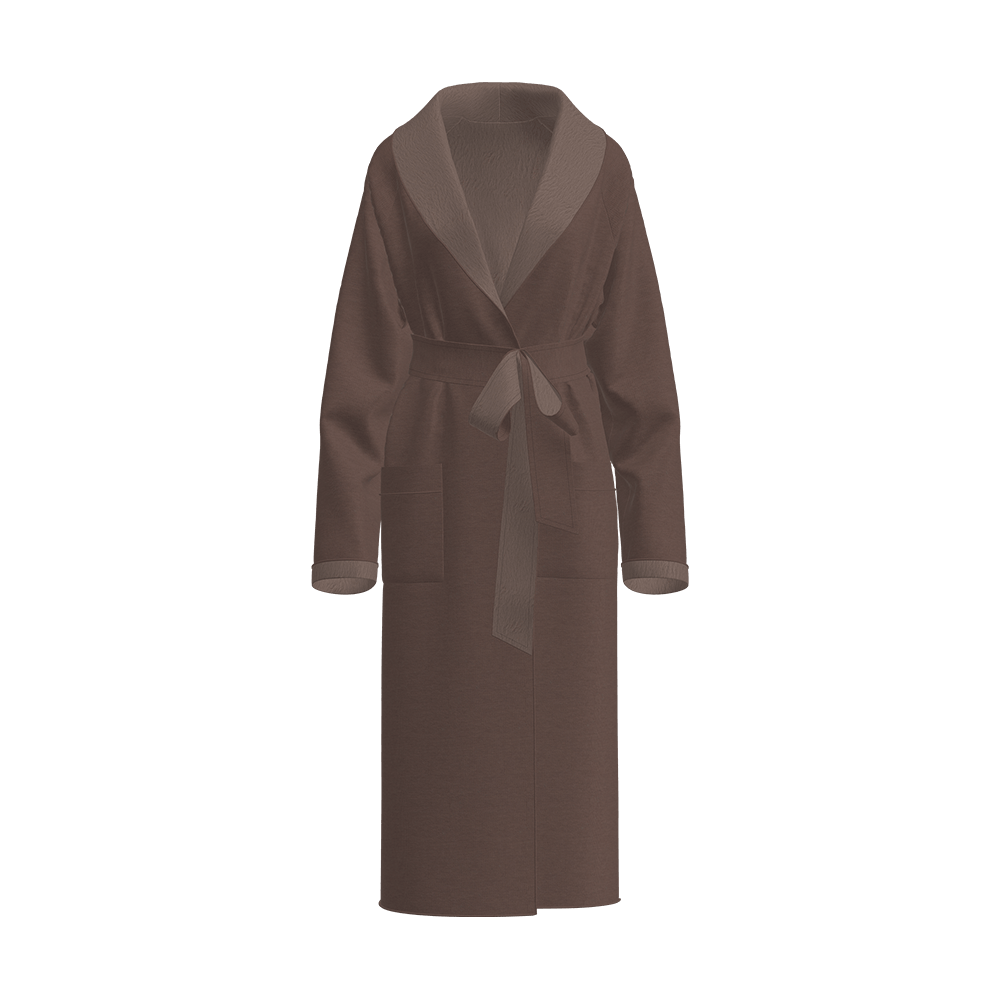
Sheared and brushed pile surface typical of velvet knit finishing
Applications Favoring Terry Structures
- Sportswear liners and moisture-management base layers
- Bath and kitchen toweling products
- Infant and childrens absorbent apparel
- Cleaning and industrial wiping cloths
Applications Favoring Velvet Structures
- Cold-season outerwear linings
- Decorative apparel trims and accessory fabrics
- Soft-touch home textile accents such as cushions and throws
- Costume and performance apparel requiring a defined surface sheen
Buyers sourcing at scale should request lab-dip and hand-feel samples before committing to bulk yardage, since fiber blend ratio, yarn count, and knitting gauge all shift the final result even within the same broad category of cotton terry cloth or velvet knit fabric.
A Practical Checklist Before Placing a Bulk Order
Fabric selection mistakes are expensive once they reach cut-and-sew production. Reviewing the following points before finalizing a purchase order reduces the risk of receiving material that looks correct on a swatch card but underperforms in the finished product.
- Confirm target GSM (grams per square meter) matches the intended drape and weight of the finished item
- Request abrasion and pilling test data relevant to the expected wash and wear cycle
- Verify moisture-wicking or absorbency claims against the specific finishing treatment applied, not the base fiber alone
- Check shrinkage tolerance after washing, since loop and pile structures can behave differently from flat knits
- Ask for colorfastness ratings if the product will see repeated sun or wash exposure
These checks apply equally whether the order is destined for apparel, home textiles, or industrial soft goods, since the underlying fiber and knit mechanics do not change across end markets.
Frequently Asked Questions
Q1: What is the main structural difference between terry and velvet knit fabric?
Terry knit retains uncut yarn loops on its surface, while velvet knit uses a pile that is cut and sheared to a short, even height. This distinction drives most of the differences in absorbency, texture, and thermal behavior between the two.
Q2: Which fabric is more absorbent, terry or velvet?
Terry knit generally absorbs more moisture due to its open loop structure, making it the preferred choice for towels and sweat-management apparel linings.
Q3: Is velvet knit warmer than terry knit?
Velvet typically provides slightly better insulation because its dense, upright pile traps a thin stable air layer, while terry favors airflow and breathability over pure warmth retention.
Q4: How can crushing or flattening of velvet pile be minimized?
Requesting pile-set or anti-crush finishing during production, along with avoiding prolonged pressure or compression during storage, helps preserve the upright pile structure over time.
Q5: Can terry and velvet knits be blended with synthetic fibers?
Yes, both constructions are commonly produced with cotton-polyester or cotton-modal blends to balance absorbency, cost, and durability depending on the target application.
Don't hesitate to contact when you need us!

Step Ahead.
Nearly 30 years of experience in the textile industry is a valuable advantage of Golden Morning. Welcome to communicate with our team!
Become a Client
 +86-512-52528088
 +86-512-14546515
-
 [email protected]
[email protected]
[email protected] -

Company Address:
NO.218 QingDunTang Road changshu CityJiangsu Province(215500), ChinaFactory Address:
NO.19 Fuchunjiang East Road Southeast Economic Development Zone Changshu Jiangsu, China
