


 English
 한국어
한국어 中文简体
中文简体
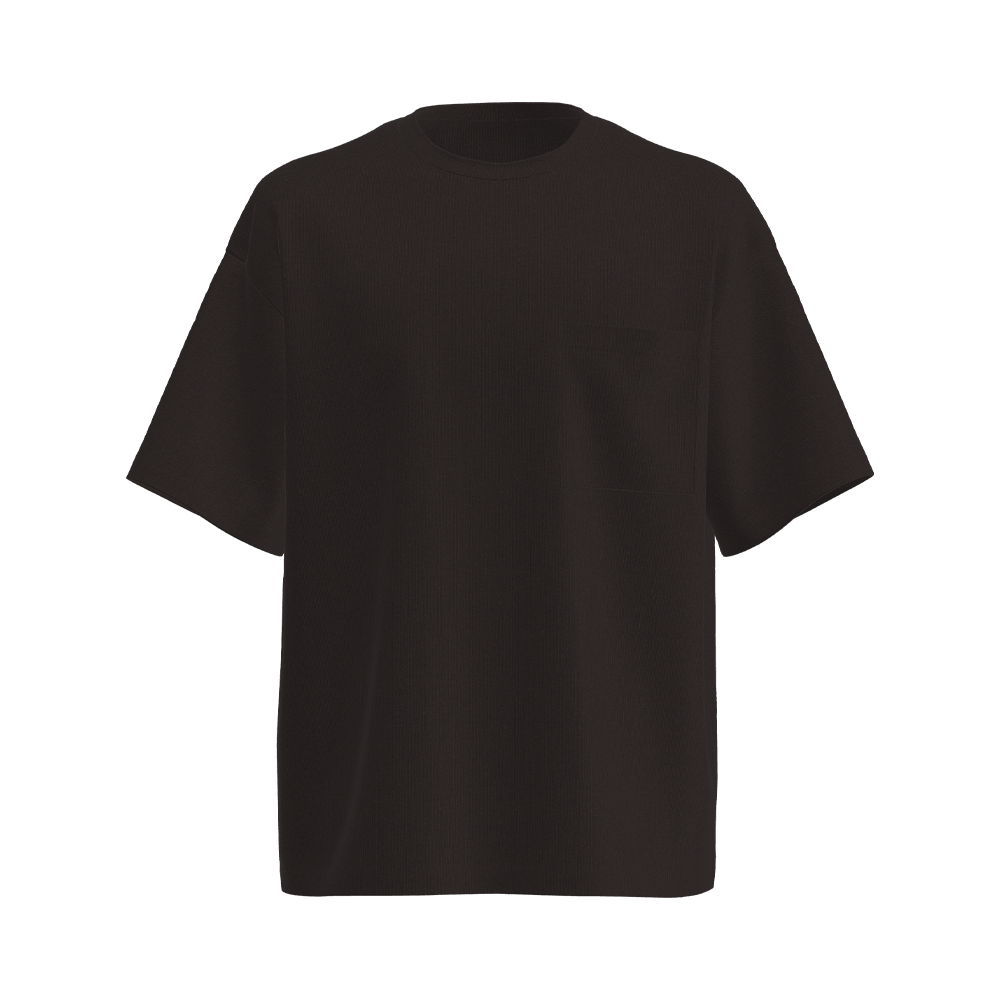
How does C/T Cooling Single Jersey Fabric perform under high-speed dyeing processes?
C/T cooling single jersey fabric has become a preferred choice in the textile industry for producing performance-oriented apparel, including sportswear, casual wear, and high-comfort garments. The fabric is valued for its quick-drying properties, moisture-wicking performance, and enhanced comfort. As the demand for efficient textile production grows, manufacturers often rely on high-speed dyeing processes to maintain productivity while ensuring high-quality coloration.
Structure and Composition of C/T Cooling Single Jersey Fabric
The performance of c/t cooling single jersey fabric under high-speed dyeing is strongly influenced by its structure and composition. Typically, the fabric combines cotton fibers and cooling fibers, creating a blended knit that optimizes both comfort and performance. Cotton fibers contribute to softness, breathability, and natural moisture absorption, while cooling fibers, often engineered polyester variants, enhance moisture-wicking and quick-drying capabilities.
The single jersey knit structure plays a significant role in how the fabric reacts during dyeing. Single jersey fabrics consist of a single layer of interlooped yarns, offering moderate elasticity, smooth surface texture, and uniformity in thickness. These characteristics affect dye penetration, color uniformity, and dimensional stability during high-speed dyeing.
High-Speed Dyeing Processes
High-speed dyeing processes are used to maximize production efficiency without compromising fabric quality. These processes typically involve rapid circulation of dye liquor, elevated temperatures, and controlled pressure conditions, which accelerate color uptake and reduce processing time.
For c/t cooling single jersey fabric, these processes demand careful attention to several factors:
- Fabric tension: Maintaining appropriate tension prevents distortion or stretching of the knit loops.
- Temperature control: Precise temperature management ensures uniform color absorption without damaging fiber integrity.
- Dye selection: Proper dye compatibility with both cotton and cooling fibers is critical to achieve consistent results.
- Liquor ratio: Optimized water-to-fabric ratios minimize uneven dyeing and reduce resource consumption.
High-speed dyeing offers advantages such as shorter processing times and improved production efficiency, but it also presents challenges related to fabric shrinkage, colorfastness, and surface defects.
Color Absorption and Uniformity
Color absorption is one of the most critical performance aspects for c/t cooling single jersey fabric during high-speed dyeing. The cotton component readily absorbs water-based dyes, while cooling fibers may require specialized disperse dyes. Achieving uniform coloration requires balancing the dye affinity of both fiber types.
In practice, manufacturers often conduct pre-treatment processes, such as scouring and bleaching, to remove natural impurities and enhance dye uptake. Proper pre-treatment ensures even penetration and consistent color appearance, even under the rapid conditions of high-speed dyeing.
A table summarizing color performance considerations is presented below:
| Aspect | Importance for c/t cooling single jersey fabric | Notes |
|---|---|---|
| Fiber affinity | High | Ensure dye selection matches fiber types |
| Dye penetration | Critical | Single jersey structure allows moderate absorption |
| Uniformity | Essential | Tension and circulation affect even coloration |
| Colorfastness | Moderate to high | Pre-treatment improves wash and light fastness |
Maintaining color uniformity is particularly important for fabrics destined for sportswear and fashion applications, where visual consistency is a key quality indicator.
Fabric Stability and Dimensional Changes
High-speed dyeing can impose mechanical and thermal stress on fabrics. For c/t cooling single jersey fabric, this may result in minor shrinkage, relaxation of knit loops, or slight distortion if not properly controlled.
Several factors influence stability:
- Knitting density: Tighter knit fabrics are more resistant to dimensional changes.
- Fiber blend ratio: Higher cotton content may increase susceptibility to shrinkage, while cooling fibers enhance stability.
- Tension during dyeing: Proper tension prevents stretching and loop distortion.
Manufacturers often employ controlled drying and finishing steps to restore fabric dimensions post-dyeing. By carefully monitoring tension, temperature, and drying conditions, it is possible to maintain the structural integrity and performance attributes of the fabric.
Moisture-Wicking and Quick-Drying Performance
One of the distinguishing features of c/t cooling single jersey fabric is its ability to manage moisture effectively. High-speed dyeing processes can influence these properties if fibers are exposed to excessive heat or prolonged dye liquor immersion.
Key considerations include:
- Fiber swelling: Cotton fibers absorb water, temporarily expanding the knit loops. This can impact moisture-wicking channels if not managed.
- Cooling fiber properties: Engineered fibers retain fast-drying characteristics even under rapid dyeing conditions.
- Post-dye finishing: Treatments such as softening and heat setting restore fabric hand feel and performance.
By optimizing process parameters, manufacturers can preserve the enhanced breathability and moisture management of the fabric.
Handling and Production Considerations
Efficient handling is essential to prevent defects during high-speed dyeing. C/t cooling single jersey fabric requires careful attention in the following areas:
- Roll preparation: Uniform roll winding prevents tension variation and uneven dyeing.
- Loop protection: Avoiding excessive stretching or snagging maintains knit integrity.
- Batch control: Segregating fabrics by fiber content or knit density can improve consistency in production.
Investing in quality control measures, such as in-line inspection systems, helps detect issues early, minimizing waste and rework.
Environmental and Sustainability Aspects
Sustainability is an important consideration in modern textile production. High-speed dyeing of c/t cooling single jersey fabric can be optimized to reduce water and energy consumption. Strategies include:
- Low-liquor ratio processes: Reduces water usage while maintaining dye uniformity.
- Temperature optimization: Minimizes energy consumption without compromising fabric quality.
- Chemical management: Using eco-friendly dyes and auxiliaries ensures compliance with environmental standards.
These approaches support sustainable production while maintaining high-performance characteristics of the fabric.
Post-Dye Finishing and Quality Assurance
After high-speed dyeing, post-treatment and finishing are essential to ensure consistent quality. Key steps include:
- Heat setting: Stabilizes dimensions and enhances knit resilience.
- Softening: Improves hand feel without compromising cooling or moisture-wicking properties.
- Inspection: Visual and mechanical tests verify color uniformity, shrinkage, and fabric integrity.
Quality assurance ensures that the final c/t cooling single jersey fabric meets the expectations of buyers and end-users, particularly for performance garments.
Market Implications and Buyer Considerations
For buyers, understanding the behavior of c/t cooling single jersey fabric during high-speed dyeing helps in product planning and supplier evaluation. Key points include:
- Consistency: Fabrics with predictable performance reduce production issues and rework.
- Color accuracy: Uniform dye uptake is critical for branded apparel lines.
- Performance retention: Ensuring moisture management and quick-drying properties remain intact under rapid dyeing.
- Supplier expertise: Experienced manufacturers are better equipped to manage high-speed processes efficiently.
Incorporating these considerations into purchasing decisions can enhance product quality and production efficiency.
Conclusion
C/t cooling single jersey fabric demonstrates remarkable performance under high-speed dyeing processes when appropriate process controls are applied. Its fiber composition, single jersey structure, and engineered cooling fibers allow it to retain color uniformity, moisture-wicking capabilities, and dimensional stability. By focusing on temperature control, tension management, dye selection, and post-dye finishing, manufacturers can optimize production efficiency while maintaining the high-quality characteristics of the fabric.
Don't hesitate to contact when you need us!

Step Ahead.
Nearly 30 years of experience in the textile industry is a valuable advantage of Golden Morning. Welcome to communicate with our team!
Become a Client
 +86-512-52528088
 +86-512-14546515
-
 [email protected]
[email protected]
[email protected] -

Company Address:
NO.218 QingDunTang Road changshu CityJiangsu Province(215500), ChinaFactory Address:
NO.19 Fuchunjiang East Road Southeast Economic Development Zone Changshu Jiangsu, China
