


 English
 한국어
한국어 中文简体
中文简体
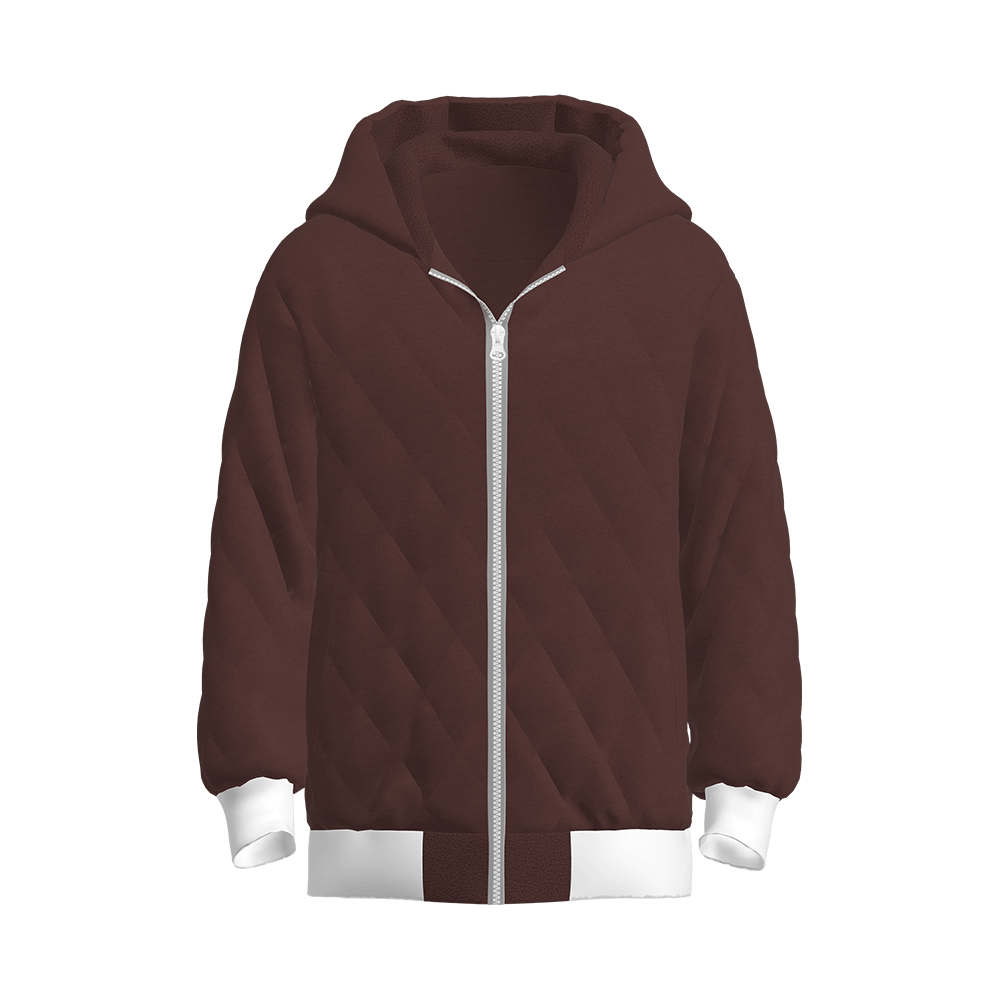
What is the effect of low-temperature washing on t/c heating coral fleece fabric fibers?
Overview of t/c heating coral fleece fabric
T/C heating coral fleece fabric is a blended material composed of polyester and cotton fibers. The polyester component contributes to strength, resilience, and thermal stability, while the cotton fibers offer softness and moisture absorption. Combined with integrated heating elements, this fabric provides warmth and comfort that adapts to various applications, including heated blankets, thermal clothing, and high-end apparel. The unique construction of t/c heating coral fleece fabric requires careful maintenance to preserve both its fibrous structure and functional heating properties.
The fabric is characterized by a soft, dense pile surface that enhances thermal insulation. Its structure allows for even heat distribution, making it suitable for products that require direct contact with the human body. The fabric’s blend ratio, pile height, and finishing methods significantly influence its resilience during washing.
Importance of proper washing for t/c heating coral fleece fabric
Washing practices directly affect fiber integrity, surface texture, and heating performance. Improper washing, such as high-temperature cycles or harsh detergents, can cause shrinkage, fiber distortion, or damage to the embedded heating elements. Low-temperature washing, on the other hand, is generally recommended to minimize stress on the fibers while still ensuring cleanliness. Understanding the effect of low-temperature washing allows manufacturers and consumers to extend the lifespan of t/c heating coral fleece fabric products.
Low-temperature washing is particularly advantageous for preserving the pile structure, which maintains softness and thermal insulation. By reducing the risk of excessive friction and fiber entanglement, the fabric retains its original texture and heat retention properties.
How low-temperature washing affects fiber structure
The primary effect of low-temperature washing on t/c heating coral fleece fabric fibers is reduced fiber stress. At lower temperatures, cotton and polyester fibers undergo minimal contraction, which prevents permanent shrinkage or deformation. The heat-sensitive fibers in the t/c blend are less likely to break or fray under gentle washing conditions.
Additionally, low-temperature washing helps maintain the pile density. The pile fibers of t/c heating coral fleece fabric are crucial for insulation and tactile comfort. When washed at moderate temperatures, these fibers maintain their upright orientation, avoiding flattening or matting, which can occur during high-temperature cycles.
Another notable effect is on fiber flexibility. Low-temperature washing preserves the natural elasticity of the polyester component, preventing brittleness. This ensures that the fabric remains pliable and comfortable for extended use in wearable heated garments.
Impact on heating performance
T/C heating coral fleece fabric is often integrated with conductive or heating elements. Maintaining the integrity of these elements during washing is critical for consistent thermal performance. Low-temperature washing reduces the risk of thermal stress on the embedded components, ensuring stable heat distribution across the fabric.
If washed at high temperatures, the polyester-cotton blend may shrink or distort, potentially misaligning the heating elements and affecting their performance. By contrast, washing at low temperatures supports reliable functionality while extending the product’s operational life.
Influence on color retention and appearance
Low-temperature washing contributes to color preservation, especially when t/c heating coral fleece fabric has undergone dyeing processes. Cotton fibers in the blend are prone to fading under high heat, whereas polyester fibers retain pigments well. Low-temperature washing balances these differences, maintaining vibrant colors and reducing the risk of uneven fading.
The visual appearance of the fabric, including surface softness and luster, also benefits. Pile flattening, fiber fuzzing, and pilling are less likely under gentle washing, which preserves the fabric’s aesthetic appeal for consumers who value both function and style.
Recommended washing practices for t/c heating coral fleece fabric
To maximize the longevity and performance of t/c heating coral fleece fabric, low-temperature washing should be conducted with the following guidelines:
| Aspect | Recommendation |
|---|---|
| Water Temperature | 30–40°C (86–104°F) |
| Detergent | Mild, neutral pH detergents; avoid bleach |
| Washing Mode | Gentle or delicate cycle |
| Drying | Air-dry or low-heat tumble drying |
| Load | Wash with similar fabrics to prevent friction |
| Frequency | Avoid excessive washing; spot-clean when possible |
These practices help reduce mechanical stress on fibers and heating elements while maintaining softness and thermal efficiency.
Potential drawbacks of low-temperature washing
While low-temperature washing preserves fiber integrity, it may have limitations in removing heavy stains or oils. For such cases, pre-treatment or spot cleaning with mild stain removers is recommended. Additionally, using low temperatures may slightly reduce the efficiency of detergents, requiring careful selection of washing agents to maintain hygiene without damaging fibers.
Comparisons with high-temperature washing
High-temperature washing accelerates fiber contraction and pile matting, which can compromise both softness and heating performance. By contrast, low-temperature washing balances cleanliness with structural preservation. A comparison table illustrates these differences:
| Washing Temperature | Fiber Impact | Heating Element Impact | Pile Appearance | Color Retention |
|---|---|---|---|---|
| Low Temperature | Minimal shrinkage, preserved flexibility | Stable, safe | Maintains upright pile | Vibrant colors preserved |
| High Temperature | Shrinkage, fiber distortion | Possible misalignment | Flattened or matted | Fading likely |
This comparison underscores why low-temperature washing is recommended for t/c heating coral fleece fabric.
Industry perspectives
Manufacturers emphasize low-temperature washing as a standard maintenance practice. This ensures that products retain their thermal performance, softness, and visual appeal, reducing returns and enhancing customer satisfaction. Retailers often include care labels specifying washing temperatures, detergent types, and drying methods, reflecting the fabric’s sensitivity and specialized construction.
From a buyer’s perspective, understanding the impact of washing allows for informed product handling, extending product longevity and maintaining comfort and functionality.
Conclusion
Low-temperature washing has a significant positive effect on t/c heating coral fleece fabric fibers. By minimizing thermal and mechanical stress, it preserves fiber structure, pile density, heating performance, and color retention. While it may require gentle detergents and careful handling to remove stubborn stains, the overall benefits in maintaining softness, elasticity, and functional integrity outweigh potential drawbacks.
Through proper maintenance, t/c heating coral fleece fabric continues to deliver comfort, warmth, and durability, solidifying its position as a preferred choice for heated garments, bedding, and wearable technology applications.
Don't hesitate to contact when you need us!

Step Ahead.
Nearly 30 years of experience in the textile industry is a valuable advantage of Golden Morning. Welcome to communicate with our team!
Become a Client
 +86-512-52528088
 +86-512-14546515
-
 [email protected]
[email protected]
[email protected] -

Company Address:
NO.218 QingDunTang Road changshu CityJiangsu Province(215500), ChinaFactory Address:
NO.19 Fuchunjiang East Road Southeast Economic Development Zone Changshu Jiangsu, China
