


 English
 한국어
한국어 中文简体
中文简体
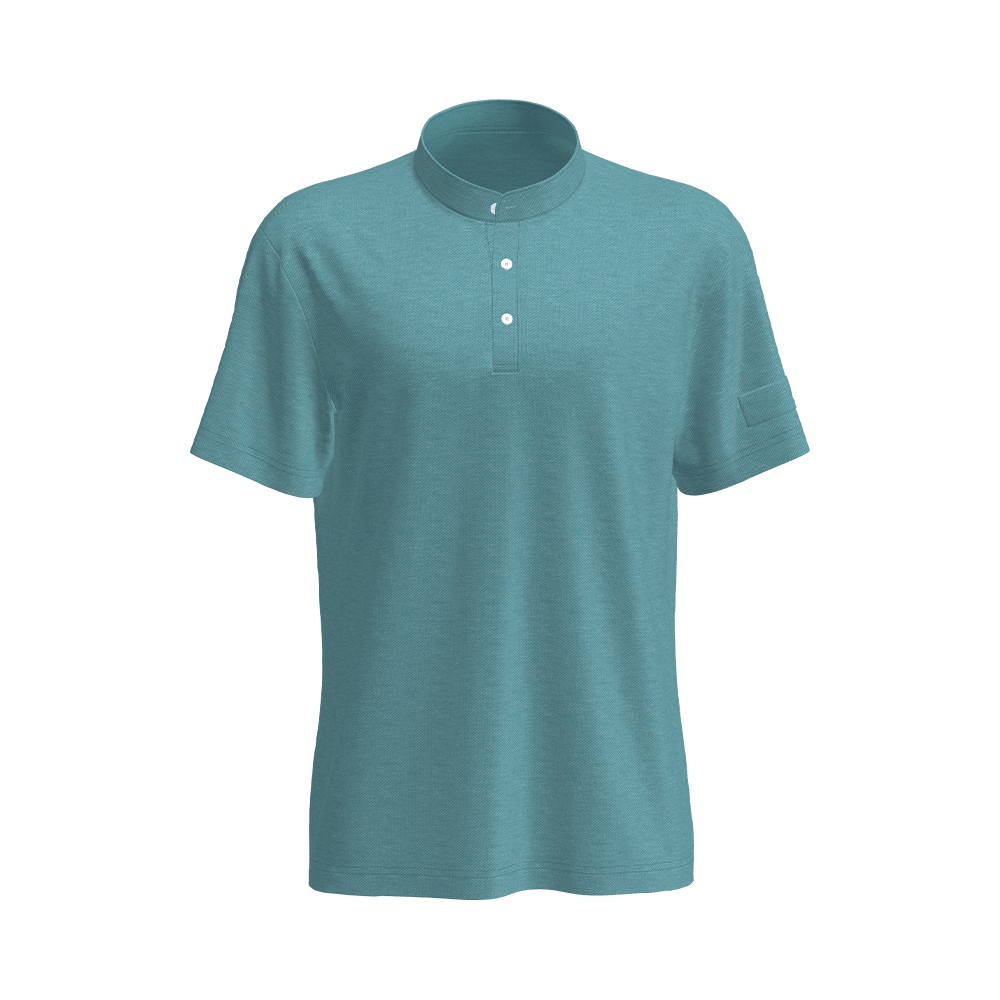
What is Pique Fabric & Why Use it for your Shirts?
What Is Pique Fabric?
Pique fabric is a woven or knitted textile characterized by its distinctive raised, waffle-like or honeycomb surface texture. This texture is created through a dobby or jacquard weaving technique that produces parallel cords or geometric patterns on the fabric's face. The result is a breathable, structured fabric that holds its shape exceptionally well — making it one of the most popular choices for polo shirts, dress shirts, and performance wear worldwide.
Unlike plain-weave fabrics, pique has a three-dimensional surface that naturally wicks moisture away from the skin, making it both functional and visually refined. It strikes a balance between casual comfort and polished appearance that few other fabrics can match.
Main Types of Pique Fabric
Not all pique fabrics are the same. There are several distinct types, each suited to different applications:
Waffle Pique
Features a square, grid-like texture that resembles a waffle. It has excellent insulating properties and is commonly used in bathrobes, thermal underlayers, and casual shirts. The deep texture traps air, providing warmth without added weight.
Bird's Eye Pique
Has a fine, small repeating dot pattern that creates a subtler texture. It is lighter and smoother than waffle pique, often found in dress shirts and formal sportswear where a refined look is required.
Knit Pique (Jersey Pique)
The most widely used type for polo shirts and activewear. It is knitted rather than woven, giving it added stretch and softness. Cotton knit pique typically contains 100% combed cotton or a cotton-polyester blend, offering durability alongside breathability.
Bullseye Pique
A variation with larger circular raised patterns. Less common but used in decorative or fashion-forward garments where texture plays a prominent visual role.
Key Properties of Pique Fabric at a Glance
The table below summarizes the core properties that define pique fabric and why they matter for shirt construction:
| Property | Description | Benefit for Shirts |
| Texture | Raised geometric surface pattern | Visual interest without added embellishment |
| Breathability | Increased airflow due to surface gaps | Keeps the wearer cool in warm conditions |
| Moisture Management | Wicks sweat away from the skin | Ideal for sports and outdoor activities |
| Shape Retention | Resists sagging and distortion | Maintains a neat, structured appearance |
| Durability | Tightly structured weave or knit | Withstands frequent washing and wear |
| Wrinkle Resistance | Surface texture hides minor creases | Low maintenance for everyday use |
Why Pique Fabric Is Ideal for Shirts
Pique fabric has been the backbone of the polo shirt since René Lacoste popularized it in the 1920s for tennis wear. Its continued dominance in shirt manufacturing is no accident. Here's why it consistently outperforms alternatives:
Superior Breathability
The raised texture of pique creates micro-channels across the fabric surface. These channels allow air to circulate freely between the cloth and the skin. In comparative tests, pique knits have been shown to provide up to 30% better airflow than plain jersey fabrics of the same weight, making them significantly cooler to wear during physical activity or in warm climates.
Excellent Shape and Structure
One of the most common problems with casual shirts is that they lose their structure after repeated washing. Pique's tight construction means it resists stretching out of shape. A well-made cotton pique polo can maintain its form through 50+ wash cycles without significant distortion — a major advantage over softer jersey knits.
Moisture-Wicking Performance
The surface texture doesn't just trap air — it also draws moisture away from the body. This makes pique a practical choice for:
- Golf and tennis shirts worn during extended play
- Corporate uniforms in warm or humid environments
- Outdoor event staff apparel
- Travel clothing where comfort over long periods is essential
Wrinkle Resistance and Easy Care
The three-dimensional surface of pique naturally disguises minor creases and wrinkles. Unlike a flat-woven dress shirt that shows every fold, a pique shirt can be packed into a bag and emerge looking presentable with minimal ironing. This makes it highly practical for frequent travelers and professionals on the go.
Versatile Aesthetic Appeal
Pique sits comfortably between casual and smart-casual. The subtle texture gives the fabric a visual depth and quality look without requiring any additional design elements. It works equally well for:
- Branded corporate polo shirts
- Sports team uniforms
- Casual everyday wear
- Semi-formal occasions where a dress shirt feels too formal
Pique Fabric Composition: What Fibers Are Used?
The fiber content of a pique fabric significantly affects its performance and feel. The most common compositions are:
- 100% Cotton Pique: The softest and most breathable option. Ideal for everyday shirts and those with sensitive skin. Combed cotton pique is especially smooth and long-lasting.
- Cotton-Polyester Blend (e.g., 60/40 or 50/50): Adds durability and reduces shrinkage. Polyester enhances moisture-wicking and color retention, making it a popular choice for performance and workwear polo shirts.
- Cotton-Spandex Blend: Introduces stretch for a more body-conforming fit. Common in athletic and fitted polo styles.
- 100% Polyester Pique: The most affordable and lightest option. Excellent moisture management but less breathable than cotton-based versions. Often used in sublimation-printed sportswear.
- Merino Wool Pique: A premium option offering natural temperature regulation, odor resistance, and a refined drape. Used in high-end dress shirts and luxury polo styles.
Pique vs. Other Shirt Fabrics: A Direct Comparison
Understanding how pique stacks up against commonly used shirt fabrics helps clarify when to choose it:
| Fabric | Breathability | Shape Retention | Wrinkle Resistance | Best Use |
| Cotton Pique | High | High | Moderate–High | Polo shirts, uniforms |
| Plain Jersey Knit | Moderate | Low–Moderate | Low | T-shirts, casual tops |
| Oxford Cloth (Woven) | Moderate | High | Low | Dress shirts, formal wear |
| Linen | Very High | Low | Very Low | Summer shirts, resort wear |
| Polyester Pique | Moderate–High | Very High | High | Sportswear, printed uniforms |
Pique stands out as the best all-around performer for shirts that need to look good and function well — particularly in active or semi-formal settings.
How to Care for Pique Fabric Shirts
Proper care extends the life of pique garments significantly. Follow these guidelines:
- Machine wash on a cold or warm cycle (30–40°C) to prevent shrinkage, especially for 100% cotton pique.
- Turn shirts inside out before washing to protect the textured surface and preserve color vibrancy.
- Avoid tumble drying on high heat — air drying or low-heat tumble drying prevents fiber damage and maintains shape.
- If ironing is needed, use a medium heat setting and iron on the reverse side to avoid flattening the raised texture.
- Avoid bleach on cotton pique as it weakens fibers over time; use color-safe detergents instead.
- Store folded rather than hung to prevent collar or shoulder stretching on knit pique styles.
Who Should Use Pique Fabric for Their Shirts?
Pique is an excellent choice for a wide range of buyers and use cases:
- Businesses and organizations looking for durable, presentable uniforms that withstand daily wear and repeated washing.
- Sports teams and clubs needing breathable, moisture-managing shirts for training or competition.
- Individuals who want a versatile shirt that transitions easily between casual and smart-casual settings.
- Event organizers requiring staff shirts that look professional and hold up across long event hours in varying conditions.
- Apparel brands seeking a reliable, classic base fabric for polo shirt collections that conveys quality at first touch.
If your priority is a shirt that looks sharp, performs under physical activity, and lasts through years of use — pique fabric is the right choice.
FAQ
Q1: Is pique fabric only used for polo shirts?
No. While polo shirts are the most well-known application, pique is also used in dress shirts, sports jerseys, bathrobes, thermal underlayers, and even some outerwear linings.
Q2: Does pique fabric shrink after washing?
100% cotton pique can shrink slightly in hot water. Washing in cold or warm water (30–40°C) minimizes this. Cotton-polyester blends are more shrink-resistant.
Q3: What is the difference between pique and jersey knit?
Jersey knit has a smooth, flat surface, while pique has a raised textured pattern. Pique is more structured and breathable; jersey is softer and more form-fitting. Pique holds its shape better over time.
Q4: Is pique fabric good for hot weather?
Yes. The raised surface creates airflow channels that keep the fabric away from the skin, improving ventilation. Cotton pique especially performs well in heat and humidity.
Q5: How do I choose between cotton and polyester pique?
Choose cotton pique for maximum softness, breathability, and natural feel. Choose polyester pique if you need lighter weight, stronger color vibrancy for printing, or greater durability at a lower cost.
Q6: Can pique fabric be printed or embroidered?
Yes. Pique takes embroidery very well due to its stable, structured surface. Screen printing and heat transfer also work, though the texture may slightly affect fine-detail prints. Sublimation printing is best suited to polyester pique.
LATEST POST
Let’s create something amazing together
contact us
Don't hesitate to contact when you need us!

Step Ahead.
Nearly 30 years of experience in the textile industry is a valuable advantage of Golden Morning. Welcome to communicate with our team!
Become a Client
 +86-512-52528088
 +86-512-14546515
-
 [email protected]
[email protected]
[email protected] -

Company Address:
NO.218 QingDunTang Road changshu CityJiangsu Province(215500), ChinaFactory Address:
NO.19 Fuchunjiang East Road Southeast Economic Development Zone Changshu Jiangsu, China
