


 English
 한국어
한국어 中文简体
中文简体
How to Figure Yardage for Fabric: A Practical Guide for Cutters and Buyers
Getting a cut order wrong in the middle of production is the kind of mistake no one wants to explain to a customer. The cause is usually not a bad calculator. It is a missing piece of information: the actual usable width of the fabric, the direction of the grain, and how much the material will shrink after finishing. Here is the direct answer: take the total cut length you need, divide it by the usable width of the fabric, round up to the next integer, and then convert that total length into yards. That sequence is the foundation for every yardage calculation, whether you are ordering 3 yards for a sample or 3,000 yards for a bulk order.
What a Yard of Fabric Actually Means
This sounds basic, but it is where many mistakes start. One yard is always 36 inches or 3 feet. What changes is the width of the fabric. A 54-inch upholstery fabric sold in 2-yard cuts gives you 108 inches of length, but a 44-inch apparel fabric with the same length has roughly 20% less surface area.
For example, if you are sourcing a single jersey knit fabric, the typical usable width sits between 60 and 64 inches. If you switch to a narrower napped or interlining fabric, the same yardage will cover a noticeably smaller area. This is why the width must be the first thing you confirm from a spec sheet.
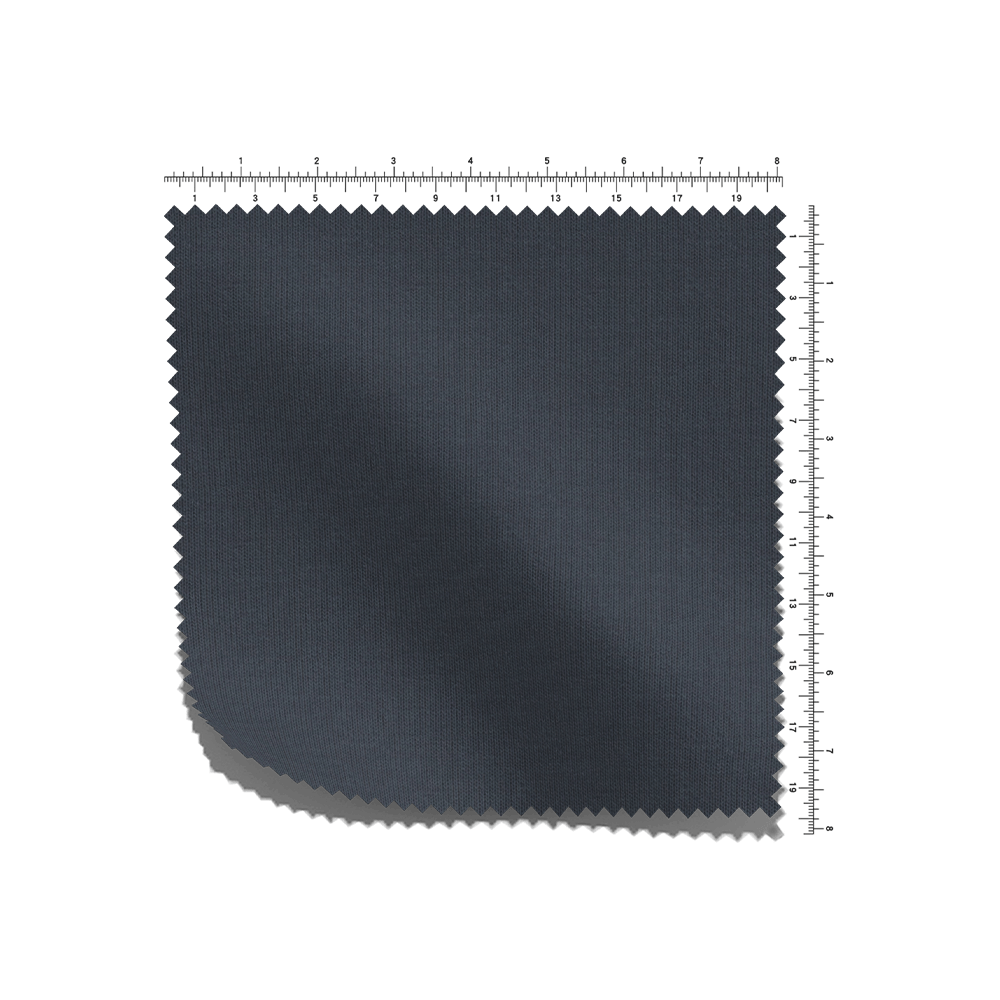
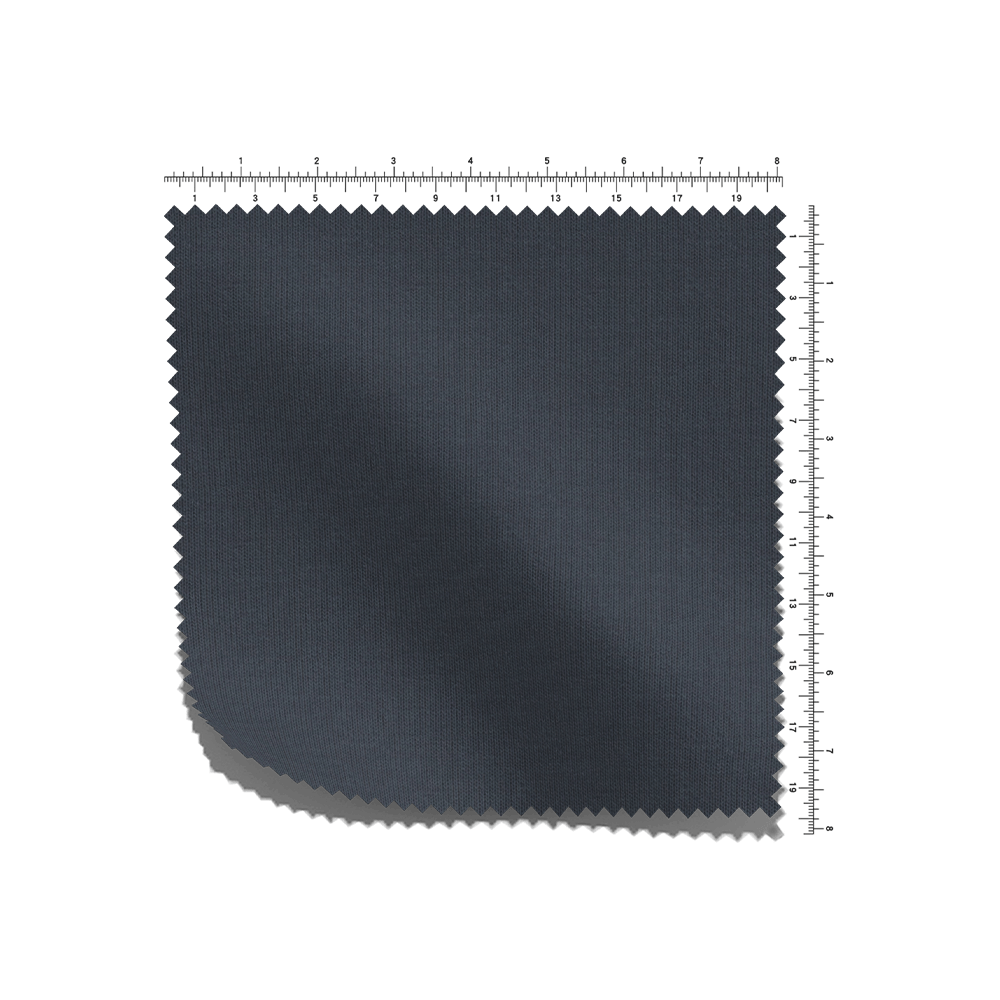 C/T Single Jersey Fabric with Cotton-Polyester BlendThis single jersey combines 55% cotton and 45% polyester using a cotton-cover-polyester knit, offering a smooth, wrinkle-resistant surface. Its 60s cotton and 75D polyester yarns make it delicate and breathable, ideal for business T-shirts, and the enzyme finish enhances cleanliness and stiffness.View Product →
| Fabric Category | Typical Usable Width (inches) |
|---|---|
| Single jersey knit | 60-64 |
| Pique / polo knit | 58-60 |
| Fleece / airlayer | 58-72 |
| Terry / loop knit | 60-72 |
| Woven upholstery | 54 |
The Basic Formula for Yardage
Here is the formula I use for most orders:
- Total width required ÷ usable fabric width = number of widths needed (round up)
- Length per piece × number of widths = total length needed
- Total length ÷ 36 = required yardage
Let us walk through a real example. You need six cushions, each 17 by 17 inches, and your fabric is 54 inches wide.
- Across the width, you can fit 2 pieces side by side, since 17 × 2 = 34 inches, which is less than 54.
- With 6 pieces total, you need 3 rows.
- Each row is 17 inches long, so total length is 3 × 17 = 51 inches.
- Divided by 36, that is 1.42 yards. I would round up to 1.5 yards.
In practice, I add another 0.5 yard for cutting edges and small errors. This kind of buffer is what makes the difference between a smooth handover and a last-minute reorder.
The Role of Fabric Width in Real Orders
Fabric width is not just a technical detail. It changes the economics of a cut order. When you compare a 60-inch single jersey to a 44-inch woven, the wider fabric allows you to fit more pattern pieces into a single drop. That means fewer cut lines, less waste, and better use of the material you buy.
This is also where denier and GSM become relevant. Heavier fabrics with higher GSM will take up more length in the same pile depth, even if the width is the same. If you want a closer look at how denier and GSM translate into fabric weight and cutting behavior, this guide on denier and GSM variants is a useful reference.
Pattern Matching, Shrinkage, and Grain Direction
These three variables are where most yardage calculations go wrong.
Pattern matching
If the fabric has a repeating pattern, you need to align the repeat across each cut. That usually adds 10-15% more length, especially when the pattern repeat is longer than 12 inches.
Shrinkage
Cotton knits can shrink 3-5%, and some blends shrink even more. If you buy cut-ready fabric without pre-shrinking, add at least 5% to the total length.
Grain direction
Knits have a clear vertical and horizontal direction. If your pattern pieces need a specific grain alignment, you may need to turn the pieces 90 degrees, which changes how many fit across the width.
| Condition | Extra Yardage |
|---|---|
| Standard apparel with no pattern | 2-5% |
| Pattern matching over 6 inches | 10-15% |
| Cotton knit, unwashed | 5% |
| New product development / first sample | 10% |
Practical Examples for Garments and Home Textiles
Garment example: basic T-shirt
A standard T-shirt usually needs a front and a back panel. If the finished chest width is 44 inches, a 60-inch wide single jersey fabric will fit two side-by-side panels. The finished body length is 28 inches. After adding 1 inch for seaming and 1 inch for hemming, each piece is 30 inches. Sleeve pieces add another 7 inches on a short-sleeve shirt, so the total cut length per shirt is about 37 inches. For 12 shirts: 37 × 12 = 444 inches, which is 12.33 yards. With a 10% buffer, order 13.5 yards.
Home textile example: curtain panels
Curtain panels need to cover the window width plus a fold allowance. For a 45-inch wide window, a 54-inch fabric will fit one panel with a small return. The panel drop is 84 inches, but you need to add 10 inches for heading and hemming, giving a 94-inch cut length. For two panels: 94 × 2 = 188 inches, which is 5.22 yards. Add 5% for shrinkage and 15% for pattern matching if it is a printed fabric, and you get roughly 6.7 yards. I would order 7 yards.
How to Avoid Costly Mistakes When Buying Fabric
Most cutting mistakes are preventable. Here are the rules I follow:
- Always verify the actual usable width from the fabric spec sheet or a physical test before calculating.
- Add a 5-10% buffer for every new order. It costs less to have a little extra than to reorder for a small shortfall.
- For looped pile fabrics such as loop fleece knit
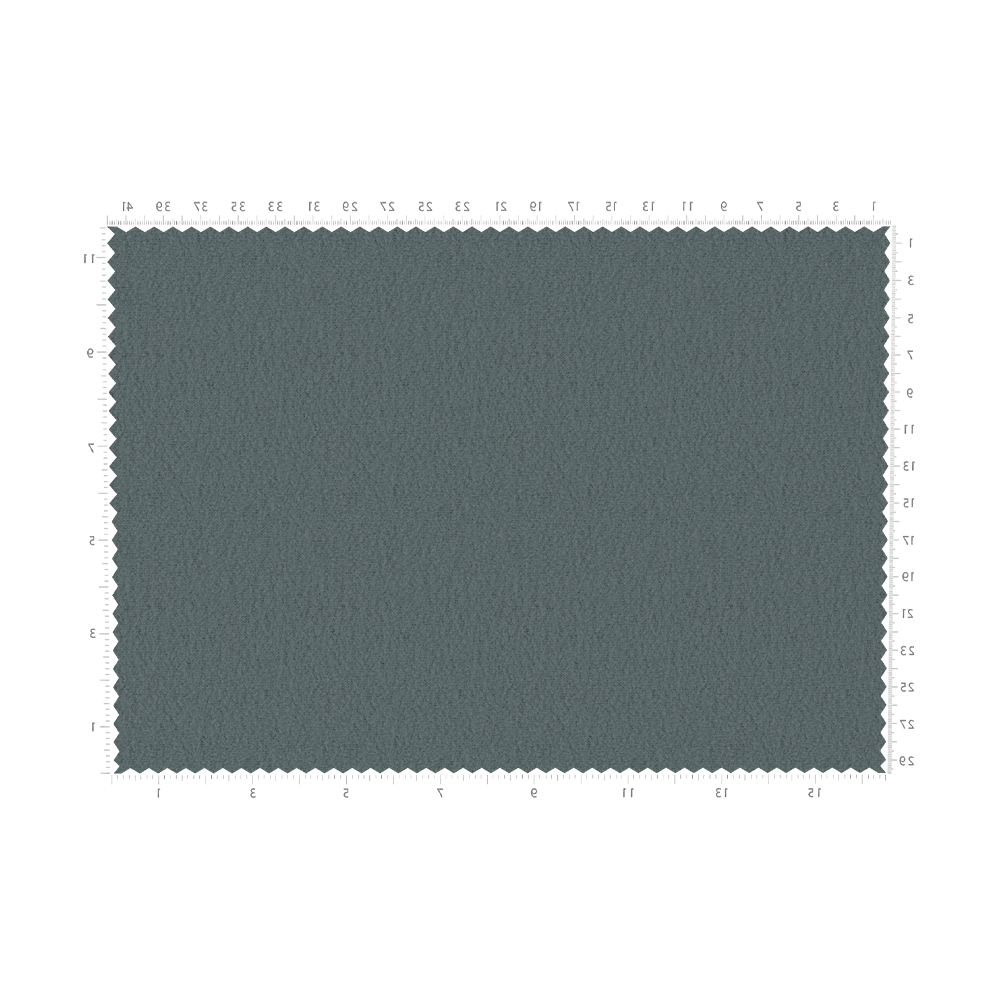 C/T Loop Fleece Fabric for Cozy Home WearKnitted with 10s cotton and 200D/96F polyester, this heavy loop fleece provides a fluffy, soft hand after brushing on the loop side. Its substantial weight and softness make it well-suited for pajamas, home clothes, towels, and similar items requiring warmth.View Product →, the pile direction matters. If you cut against the pile direction, the pieces will shade differently. This is why many buyers order 8-10% extra for brushed and loop-backed knits.
 - Ask the supplier for the actual GSM and usable width. When you order from a manufacturer who knows their own knitting and finishing process, the answers are usually reliable enough to base a cut plan on.
If you are working with a new fabric or a new supplier, do not skip the sample stage. A simple 1-yard sample run costs very little compared to a 500-yard mistake.
FAQs
Q1: How do I calculate yardage for multiple pieces?
Determine the dimensions of each pattern piece first. Then figure out how many pieces can fit across the usable width of the fabric. Multiply the number of rows by the length of each row, add your cutting allowance, and divide the total inches by 36. Do not forget seam allowances and a 5-10% buffer.
Q2: What is the difference between 44-inch and 58-inch fabric?
A 58-inch fabric gives you about 32% more surface area per yard than a 44-inch fabric. The wider option usually allows you to fit more pattern pieces in a single drop, which reduces waste and cut time. You still need to recheck your marker layout, because the width alone does not guarantee better efficiency.
Q3: Should I add extra fabric for shrinkage?
Yes. Unwashed cotton knit typically shrinks 3-5%, and some blends shrink even more. If you need accurate finished dimensions, pre-shrink the fabric or add at least 5% to your total length. For new product development, a 10% buffer is safer.
Q4: Can I use a fabric calculator app instead of doing it manually?
You can, but only if you input the correct usable width and shrinkage rate. Many simple calculators default to 44 or 54 inches. If your fabric does not match that default, the result will be misleading. The manual approach takes two extra minutes and gives you full control.
Don't hesitate to contact when you need us!

Step Ahead.
Nearly 30 years of experience in the textile industry is a valuable advantage of Golden Morning. Welcome to communicate with our team!
Become a Client
 +86-512-52528088
 +86-512-14546515
-
 [email protected]
[email protected]
[email protected] -

Company Address:
NO.218 QingDunTang Road changshu CityJiangsu Province(215500), ChinaFactory Address:
NO.19 Fuchunjiang East Road Southeast Economic Development Zone Changshu Jiangsu, China
