


 English
 한국어
한국어 中文简体
中文简体
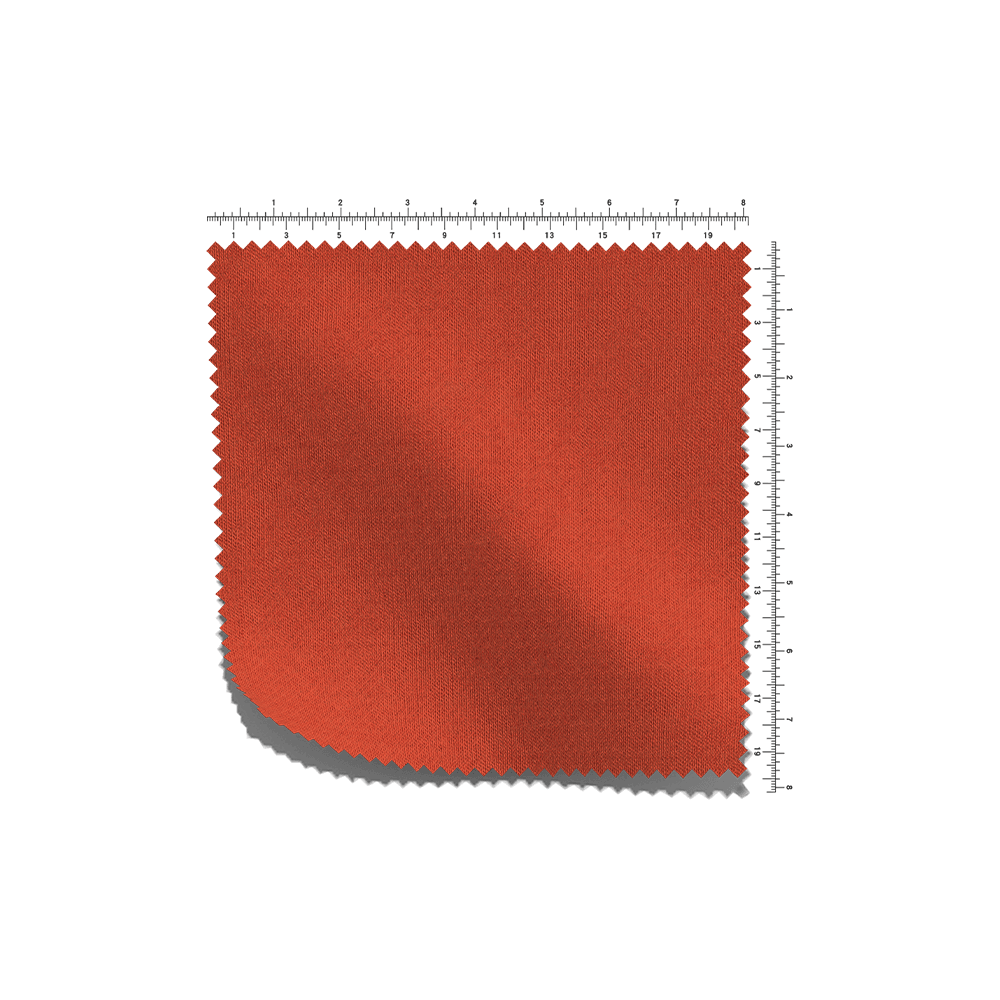
PVC Coating for Fabric: Key Pros, Cons and a Practical Buyer's Guide to Ordering
When you are sourcing fabric for tarpaulins, truck covers, outdoor furniture, workwear, or heavy-duty bags, PVC coating is one of the first options that comes to mind. It promises water resistance, durability, and a low unit cost. The reality is more nuanced: PVC coated fabric performs exceptionally well in harsh conditions, but it also carries serious trade-offs in breathability, flexibility, and end-of-life disposal. The practical takeaway is this: use PVC coating when toughness and waterproofing matter more than comfort and sustainability, and always verify the coating weight, adhesion strength, and finish before placing an order.
What PVC coating on fabric actually is
PVC coating is not simply a layer of plastic glued onto a textile. It is a compound made from PVC resin, plasticizers, stabilizers, pigments, and fillers. The paste is applied to a base fabric—commonly polyester or nylon—using a knife-over-roll, dip, or transfer coating line. The fabric then passes through an oven where the PVC paste fuses into a continuous film. That film can be as thin as 0.2 mm or as thick as 1 mm, and the final weight depends on the intended use.
The base fabric provides tensile strength and tear resistance, while the PVC layer provides the barrier function. Because the PVC surface is what the user sees, the coating also determines the tactile feel, gloss level, and resistance to chemicals. Understanding the difference between coating and film lamination is also important. As our article on how film-coated fabrics outperform standard textiles under water and oil explains, the barrier layer can be applied as a coating or as a separate film. Both achieve water resistance, but the mechanical performance and hand feel differ.
Key advantages of PVC coated fabrics
PVC coated fabric is popular for good reasons. Here are the benefits that make it a practical choice for demanding applications.
- Waterproofness: A well-fused PVC film leaves almost no path for water. Hydrostatic head ratings can reach several thousand millimeters, which is why it is standard for covers and tarpaulins.
- Abrasion resistance: The film protects the fibers from direct wear, so the fabric resists scuffs and surface damage better than uncoated knits or wovens.
- Chemical resistance: PVC tolerates many oils, weak acids, alkalis, and solvents. This makes it suitable for industrial curtains and equipment covers.
- Cost efficiency: Compared with PU or PTFE coatings, PVC resins are cheaper to process, which lowers the unit price when ordering in bulk.
- Easy cleaning: The glossy or matte surface does not allow dirt to penetrate. A simple wipe with a damp cloth is often enough.
- Dimensional stability: The coating reduces the fabric’s tendency to stretch and shrink, so panels stay flat over time.
The key advantage of PVC coating is that it creates a waterproof barrier at a cost that few alternative finishes can match.
For outdoor covers and workwear, you need a coated knit that resists water without becoming brittle. If your design calls for a soft jersey base with a durable film coating, our C/T filmcoated single jersey offers a good starting point for sampling.
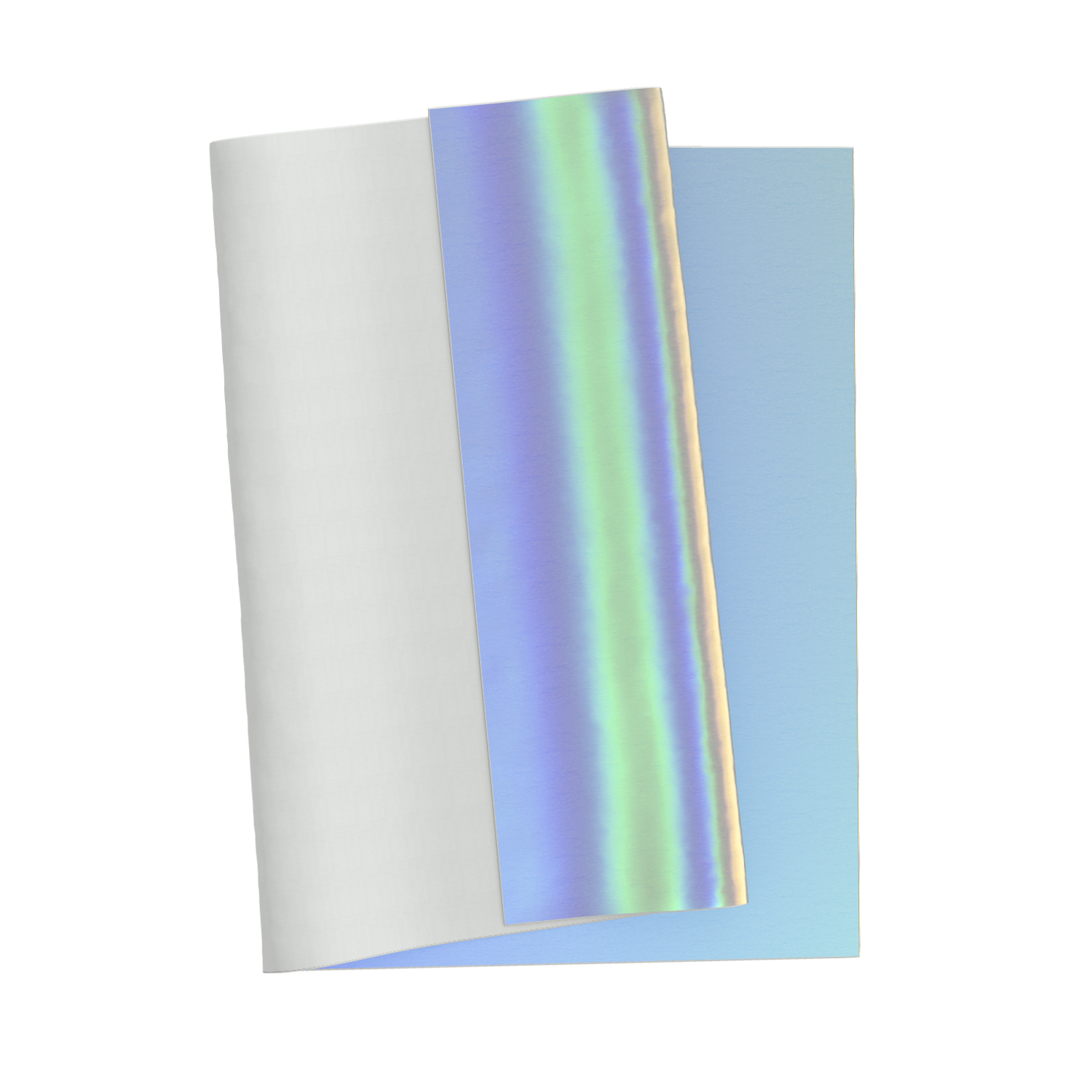 Cotton-Polyester Jersey with Iridescent Film CoatingThis tightly woven jersey features a water-repellent iridescent film that creates a rainbow effect under light, making it suitable for eye-catching outerwear and fashion items requiring both durability and visual appeal.View Product →
Limitations and risks you should not ignore
PVC coating is durable on paper, but its weaknesses are just as real. When you are evaluating a supplier, pay attention to these points.
- Poor breathability: The film has almost no moisture vapor transmission. It traps body heat and perspiration, making it unsuitable for high-output clothing.
- Temperature sensitivity: At low temperatures, PVC can stiffen and become brittle. It may crack if the fabric is folded sharply in cold weather. At high temperatures, the plasticizer can migrate, leaving a hard, shrinking coating.
- Plasticizer concerns: Phthalate plasticizers have raised environmental and health questions. Some buyers now demand phthalate-free PVC formulas, adding cost and complexity.
- Delamination risk: The bond between PVC and the base fabric depends on the coating process and the fabric’s surface. Once delamination happens, the fabric is compromised.
- Recycling challenge: PVC itself is recyclable in theory, but a coated fabric is a composite. Separating the plastic from the polyester or nylon is difficult, so most coated fabric ends up in landfill.
- Weight and hand feel: PVC is heavier than many alternative finishes. The hand feel is stiffer, so it is not a drop-in replacement for woven or knitted apparel fabrics.
Where oil and grease exposure is likely, such as in automotive covers or tarpaulins, you should also compare the oil-repellency rating. A terry knit with a waterproof and oil-proof finish can be a more practical choice: C/T waterproof oilproof antisoil terry is built for those conditions.
PVC coated vs. PU coated vs. uncoated fabric
The table below is a shortcut for comparing the most important variables. Keep in mind that actual performance depends on the coating thickness, base fabric, and finishing processes.
| Property | PVC Coated | PU Coated | Uncoated |
|---|---|---|---|
| Waterproofness | Excellent | Good to very good | Poor |
| Breathability | Very low | Moderate | High |
| Abrasion resistance | Excellent | Good | Fair |
| Low temperature flexibility | Poor to fair | Good | Excellent |
| Cost per meter | Low | Higher | Lowest |
| End-of-life recyclability | Difficult | Somewhat recyclable | Easier |
Practical sourcing criteria for PVC coated fabric
When you start comparing quotes, use the following criteria to avoid buying a coated fabric that may fail in the field.
- Base fabric weight and denier: Choose a fabric that is strong enough for the mechanical load. For a 400–650 g/m² coated fabric, the base is often 150–250 denier polyester.
- Coating weight: Look for g/m² or oz/yd². A heavier coating increases waterproofness and abrasion resistance but reduces flexibility.
- Adhesion strength: Specify a minimum peel strength. If the bond is weak, the coating will lift in sustained sunlight and moisture.
- Hydrostatic head: Define a minimum number of millimeters. This is the direct evidence of waterproofness.
- Cold crack temperature: For outdoor use in winter, request a datasheet for the low-temperature flex test.
- Flame retardancy: Some applications require compliance with fire safety standards, so ask for a flammability certification or test report.
- Surface finish: Glossy, matte, anti-slip, or UV-stabilized finishes all have different performance and visual effects.
- Chemical exposure: If the fabric will contact solvents, oils, or bleach, request a chemical compatibility chart.
Start sampling with a small width and test the surface finish, adhesion, and cold flex before committing to a full order.
Finally, if you need warmth, waterproofing, and a fleece-like hand feel in one fabric, consider a C/T waterproof fleece, which combines the low-porosity surface of a coated fabric with the insulating bulk of a fleece structure. For a complete view of the product families we offer, you can explore the waterproof and oilproof fabric collection or contact our team to define a custom construction.
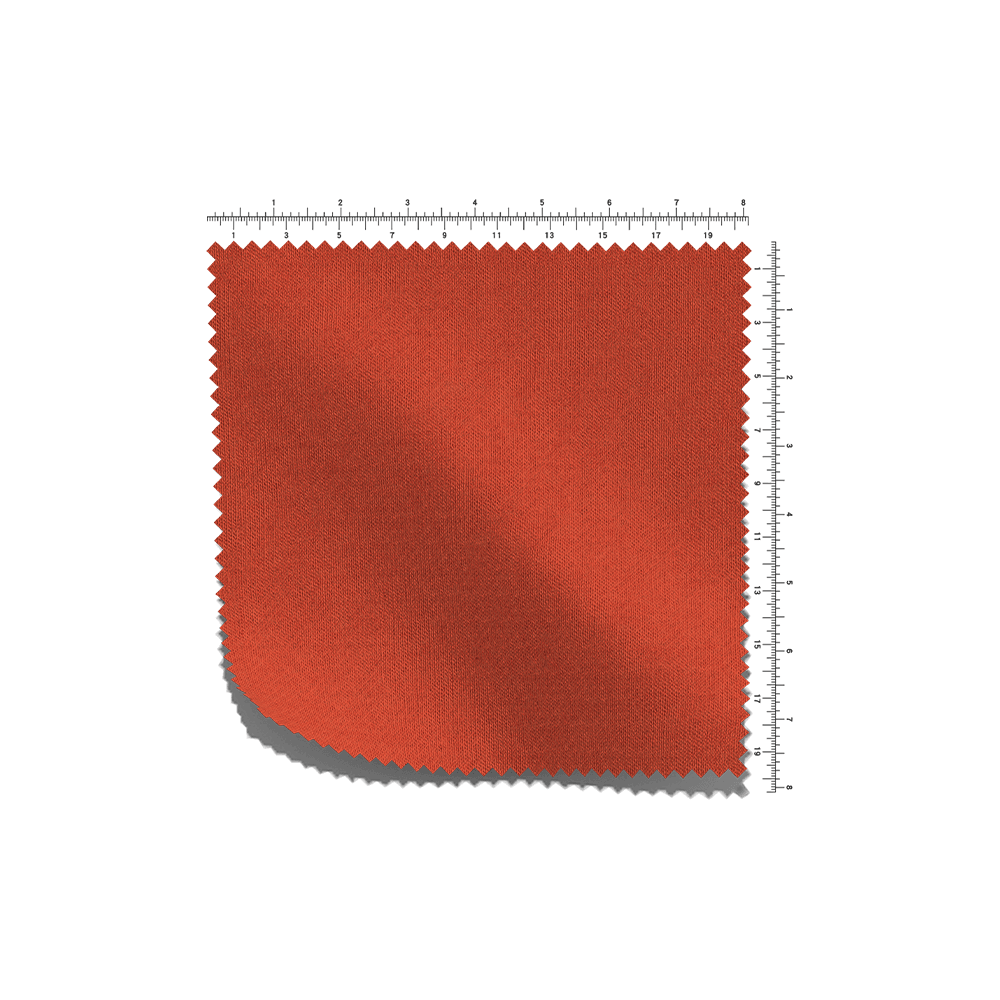 Waterproof Brushed Fleece for Warm OuterwearA cotton-polyester fleece with a water-repellent finish and brushed back for softness, providing warmth and moisture protection ideal for autumn and winter hoodies and casual jackets.View Product →
Frequently asked questions
Q1: Is PVC coated fabric breathable?
No. While the fiber base may be breathable, the PVC layer is not. For activewear or close-to-skin apparel, uncoated or PU-coated fabrics are better choices.
Q2: Can PVC coated fabric be machine washed?
Most PVC coated fabrics should be wiped clean, not machine washed. Repeated washing can degrade the plasticizer and cause cracking. Always follow the care instructions.
Q3: Is PVC coating safe for food or medical applications?
Standard PVC coating is not food or medical grade. If your application requires food contact or biocompatibility, you need a specialized phthalate-free PVC or a different barrier material.
Q4: What is the typical lifespan of PVC coated fabric?
Indoor applications can last 5–10 years with careful handling. Outdoor exposure to UV and temperature swings shortens the lifespan significantly, so UV-stabilized versions are essential.
Don't hesitate to contact when you need us!

Step Ahead.
Nearly 30 years of experience in the textile industry is a valuable advantage of Golden Morning. Welcome to communicate with our team!
Become a Client
 +86-512-52528088
 +86-512-14546515
-
 [email protected]
[email protected]
[email protected] -

Company Address:
NO.218 QingDunTang Road changshu CityJiangsu Province(215500), ChinaFactory Address:
NO.19 Fuchunjiang East Road Southeast Economic Development Zone Changshu Jiangsu, China
