


 English
 한국어
한국어 中文简体
中文简体
Wool Blend Meaning: A Complete Guide to Composition, Benefits, and Fabric Selection
When you are reviewing fabric swatches for a new autumn collection, the term wool blend appears on many spec sheets. Does it mean the fabric is mostly wool with a little synthetic added, or mostly synthetic with a touch of wool for warmth? The answer changes the entire cost-performance calculation for your garment.
Wool blend meaning refers to a fabric or yarn that combines wool with one or more other fiber types. The most common partners are polyester, nylon, tencel, cotton, and recycled fibers. Understanding the composition and ratio behind a wool blend helps you predict how it will drape, breathe, pill, shrink, and survive in production.
What Does Wool Blend Mean in Practice?
A wool blend is any textile that mixes wool with at least one other fiber. The partner can be synthetic, such as polyester, nylon, acrylic, or polyamide, or natural, such as silk, cotton, tencel, or lyocell. There is no universal minimum wool percentage for a fabric to be called a wool blend, so the term alone does not tell you how much wool is actually present.
In everyday ordering, wool blend is a category label rather than a specification. Always ask for the fiber ratio before making a purchasing decision.
The wool content changes everything
A fabric labelled 80% wool behaves very differently from one labelled 30% wool. Higher wool content brings natural warmth insulation, moisture absorption, and that soft, dry hand feel that wool is famous for. Lower wool content brings lower cost, better shape recovery, easier care, and a smoother surface for tight knit structures.
How to read wool blend labels
Look for the fiber percentage breakdown first. If wool is listed first, wool is the dominant fiber. If polyester or acrylic appears before wool, the fabric is designed more for durability or knittability than for wool's natural qualities. This distinction matters when you compare quotes from different suppliers. A label that simply says wool blend could hide a 15% wool content, which will feel completely different from a 70% wool content fabric.
Why Do Manufacturers Blend Wool with Other Fibers?
The short answer: to make wool more practical and affordable without losing its best qualities. Here are the concrete reasons that matter in production.
Wool + Tencel better breathability and drape
Wool + Nylon higher tear strength and stretch recovery
Wool + Recycled lower environmental footprint
Durability and abrasion resistance
Pure wool fibers can break down faster than synthetic fibers. Adding nylon or polyester increases abrasion resistance, which matters for knees, elbows, and cuffs on outerwear and knit garments. A common ratio for hard-wearing uses is 50% wool, 45% polyester, and 5% elastane.
Cost reduction
Wool is one of the more expensive natural fibers. Every percentage of wool replaced with a cheaper fiber lowers the fabric price. For high-volume apparel where performance is still needed but premium wool pricing is not justified, a 30% or 40% wool content fabric often hits the right balance.
Easier care and less shrinkage
Wool naturally shrinks if washed without special treatment. Blending with polyester, tencel, or nylon makes the fabric dimensionally more stable, which matters for modern consumers who expect machine washability in everyday garments.
Improved comfort in mixed climates
Consider a lightweight merino-blend top designed for spring layering. At 220 GSM, a 40% wool and 60% tencel construction offers breathability without excessive warmth. In autumn, you might switch to a 300 GSM terry or jacquard with 60% wool to carry more insulation. The same wool blend system can serve different seasons by changing the structure and weight.
Common Wool Blend Compositions and When to Use Them
The exact ratio of wool to other fibers determines the performance and feel of your garment. These are the systems you will encounter most often in knitted fabric production.
Wool + Tencel / Lyocell
Tencel combines very well with wool because it strengthens the fabric while keeping a silky hand. This combination offers excellent drape, breathability, and moisture management. In our fabric range, the tencel-wool 2x2 rib fabric is a good example of this balance, and it works particularly well for fitted knits that need to feel light on the skin. The rib structure adds stretch and recovery, making it suitable for fitted tops and lightweight garments.
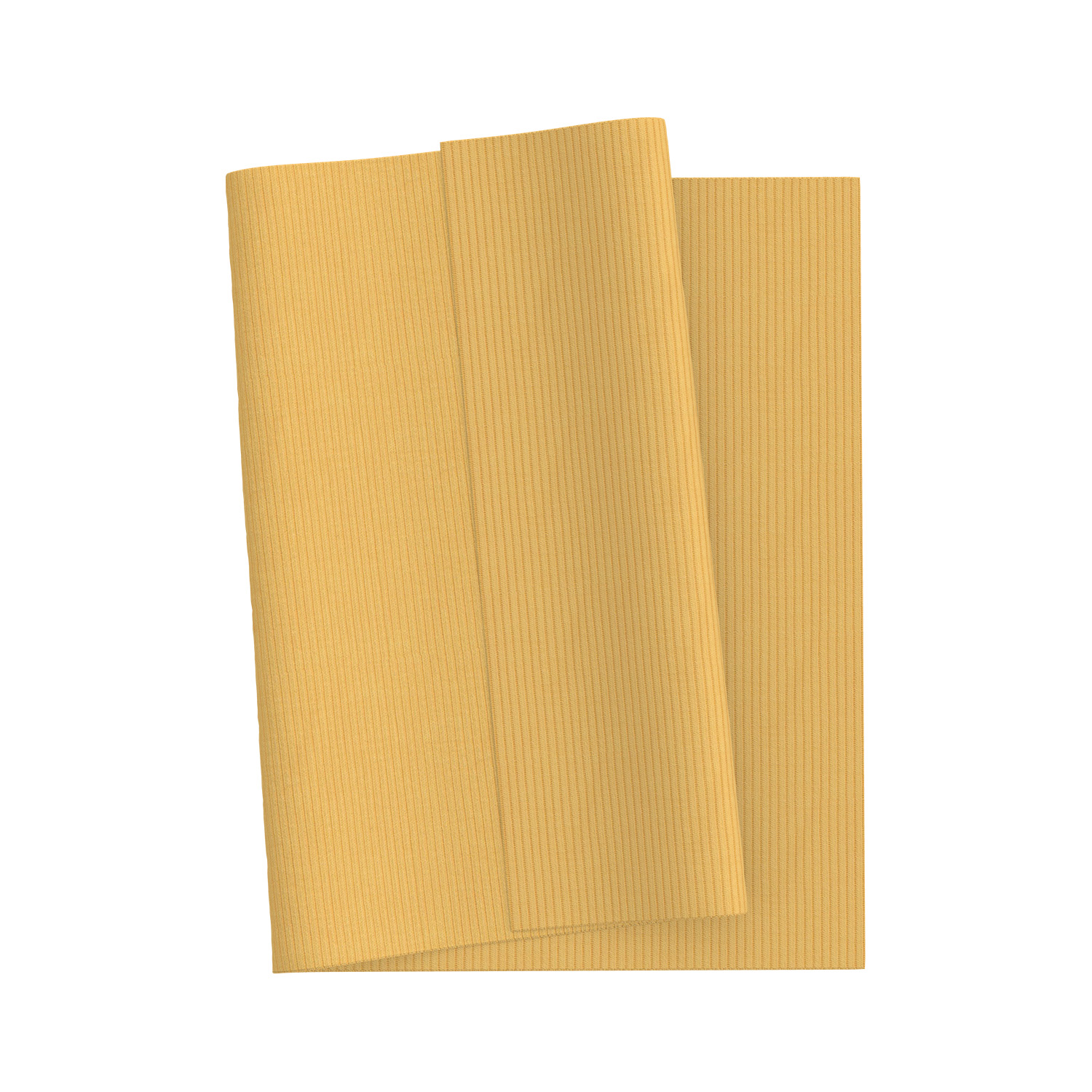 Tencel/Wool/Spandex 2x2 Rib Knit FabricThis rib knit blends Tencel, wool, and spandex for a soft, breathable feel with stretch and recovery. Ideal for fitted tops and lightweight garments that need a smooth drape.View Product →
Wool + Polyester / Nylon
The most common heavy-duty wool blend. Polyester adds strength and resistance to pilling and shrinking. Nylon adds resilience and stretch. This grouping is best for outerwear, socks, and hard-wearing knitwear. Because of the synthetic content, the fabric tends to hold its shape better over time, which reduces fit complaints during the production cycle.
Wool + Recycled / Seawool
For brands with sustainability targets, Seawool combines recycled polyester with recycled wool to deliver a warm, natural-feeling fabric with a lower environmental impact. The recycled content allows you to build a sustainability story without losing the warmth and softness of wool. A recycled wool jacquard rib knit gives a vintage texture that suits both autumn and transitional garments. This approach also aligns with broader shifts toward sustainable textile supply chains in the apparel industry.
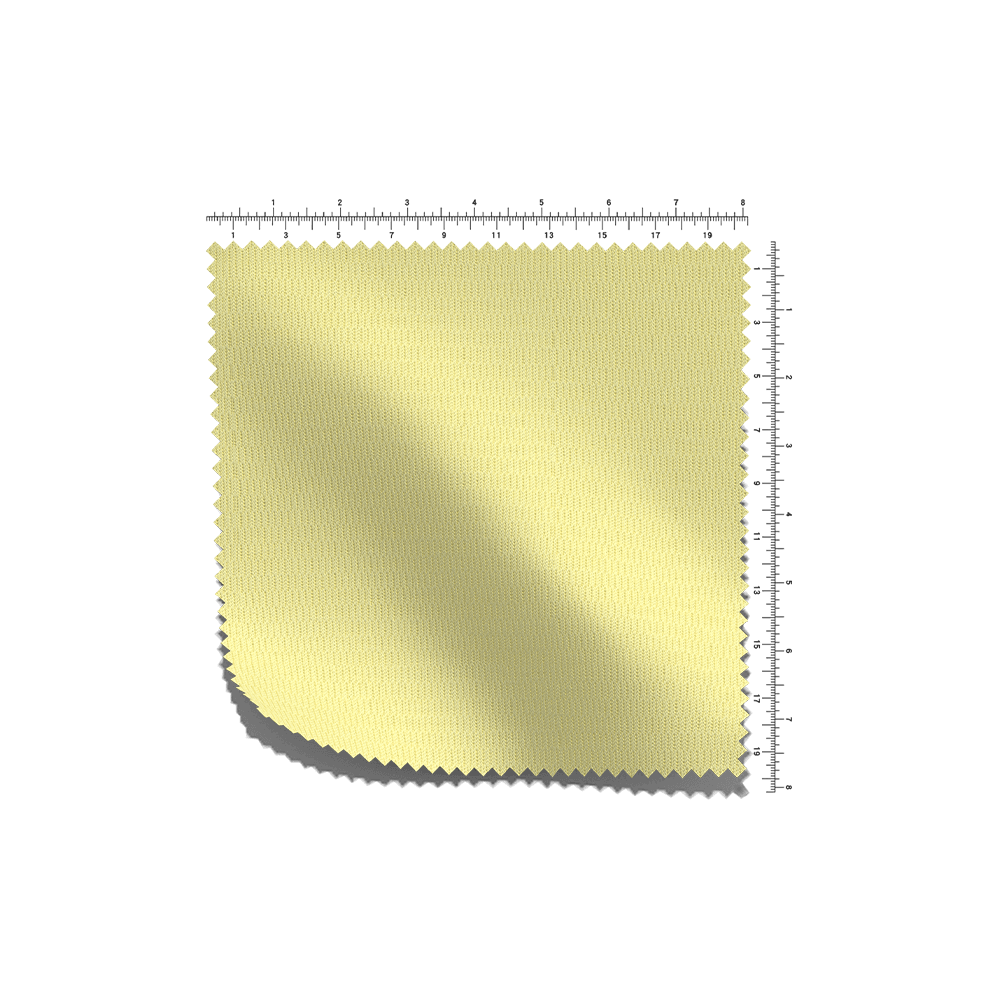 Cotton/Recycled Polyester Seawool Jacquard RibA jacquard rib knit made with Seawool, a recycled oyster-shell-based material, and cotton. Brushed for softness, it offers a vintage texture and eco-friendly appeal for casual wear.View Product →
100% Wool Single Jersey
When the design concept calls for pure wool warmth and a clean, simple surface, a single jersey construction lets the wool's natural drape and softness speak for itself. The merino wool single jersey knit is suitable for layering pieces, underwear, and lightweight sweaters. Its smooth surface works well with printed branding and creates a premium touch point for high-end collections.
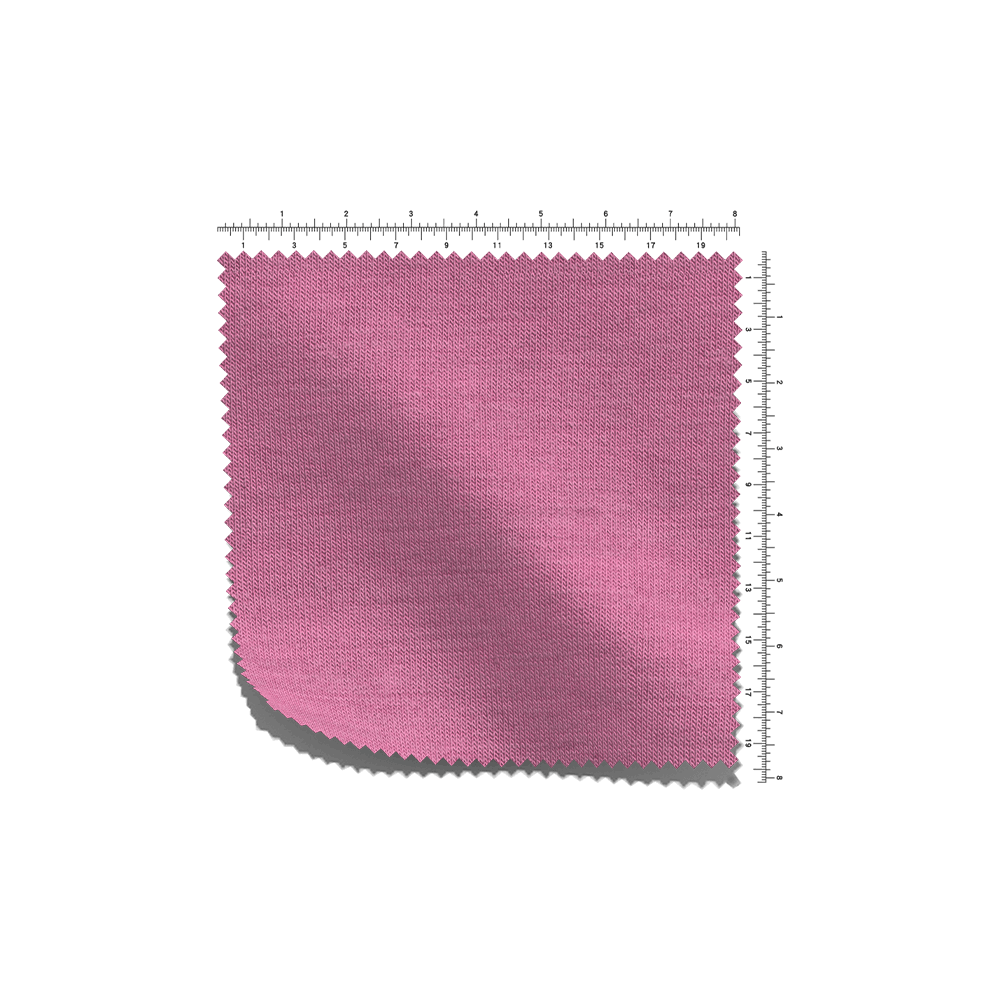 Modal/Wool/Spandex Single Jersey FabricA single jersey combining modal, wool, and spandex for a soft, vibrant, and comfortable hand. Its smooth surface suits layering and lightweight sweaters, providing warmth and elasticity.View Product →
Wool + Cotton
Cotton softens wool and makes it more comfortable against the skin for people with sensitivity. This combination works well in transitional garments and casual knits, but it lacks some of the stretch and recovery you get with synthetic blends.
Wool Blend vs. 100% Wool: Key Differences You Should Know
The main question is whether a wool blend can replace 100% wool in your product line. The answer depends on what your garment needs to do. Use this comparison table to guide your selection.
| Criteria | 100% Wool | Wool Blend |
|---|---|---|
| Warmth retention | Excellent | Good, depends on wool percentage |
| Durability and wear life | Moderate | Higher with synthetic fibers |
| Cost per meter | High | Low to medium |
| Care requirements | Hand wash or dry clean | Machine washable options |
| Drape and hand feel | Natural, soft | Varies by partner fiber |
| Shrinkage control | Needs careful treatment | More stable |
A wool blend with 60% or more wool behaves closer to pure wool in terms of warmth, while adding just 5% nylon improves wear life without changing the hand feel significantly. If you are designing for a price-sensitive market, a 30% wool blend offers a warmer alternative to synthetic fleece while keeping unit cost manageable. But for luxury positioning, pure wool still wins on story and authenticity.
How to Choose the Right Wool Blend for Your Production
When you compare wool-blend options, use these criteria to prevent costly mistakes in development and bulk production.
Define the end use first
An outerwear jacket needs abrasion resistance and shape recovery. A lightweight top needs breathability and drape. An activewear piece needs moisture management and stretch. Defining the end use before looking at fiber ratios will narrow down your options quickly.
Set the wool percentage range
- For minimal warmth contribution: 20-30% wool.
- For balanced comfort: 40-60% wool.
- For wool-dominant premium feel: 70% wool or higher.
Check GSM and structure
The same wool blend will perform differently at 180 GSM versus 300 GSM. Lighter weights are better for layering and transitional pieces. Heavier weights with a rib or jacquard structure hold more air and improve insulation, making them suitable for cold-weather garments.
Ask your supplier for test data
Before committing to a large order, request data on pilling rating, shrinkage, abrasion resistance, and colorfastness. A good fabric supplier should be able to share these test reports without hesitation. Be especially careful with high wool content blends, because pilling severity increases when wool is blended with certain synthetic fibers.
Frequently Asked Questions About Wool Blends
Q1: What is the typical wool percentage in a wool blend?
There is no legal standard, but common ranges are 20-30% for budget blends, 40-60% for balanced performance, and 70% or higher for wool-dominant fabrics.
Q2: Are wool blends warmer than 100% wool?
Not necessarily. Warmth depends on wool percentage, GSM, and construction. A high-GSM wool blend can be warmer than a light 100% wool fabric.
Q3: Can wool blend fabrics be machine washed?
Many wool blends can be machine washed, especially those with synthetic fibers. Always check the care label and fabric test data first.
Q4: Which wool blend is the most durable?
Wool blended with nylon or polyester offers the best wear resistance. A blend of 50% wool, 45% polyester, and 5% elastane is a typical durable construction.
Q5: What is a sustainable wool blend?
Recycled wool, cruelty-free wool, or wool blended with recycled fibers such as Seawool or recycled tencel reduces environmental impact while maintaining performance.
LATEST POST
Let’s create something amazing together
contact us
Don't hesitate to contact when you need us!

Step Ahead.
Nearly 30 years of experience in the textile industry is a valuable advantage of Golden Morning. Welcome to communicate with our team!
Become a Client
 +86-512-52528088
 +86-512-14546515
-
 [email protected]
[email protected]
[email protected] -

Company Address:
NO.218 QingDunTang Road changshu CityJiangsu Province(215500), ChinaFactory Address:
NO.19 Fuchunjiang East Road Southeast Economic Development Zone Changshu Jiangsu, China
